
News
What Britain’s Leadership Crisis Reveals About Modern Governance

Faith Facts
- Britain has cycled through seven prime ministers in just ten years, revealing a deeper crisis in modern democratic governance
- Christians in Politics leader Andy Flannagan warns that 24-hour news cycles and social media are making leadership nearly impossible
- The resignation highlights how constant media pressure and instant judgment are undermining the ability to govern effectively
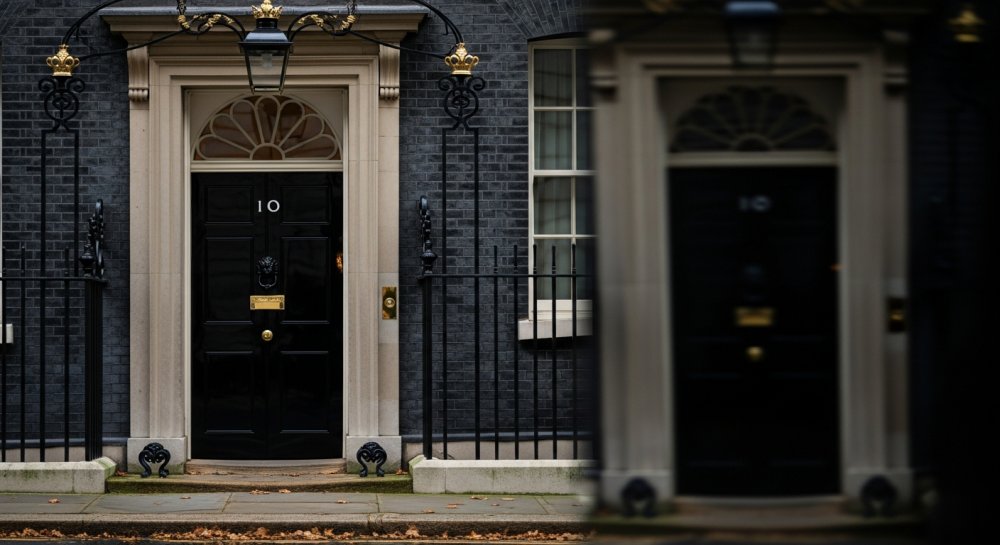
The revolving door of Britain’s highest office has spun once again, and Christians in Politics leader Andy Flannagan is calling for serious reflection on what this means for democratic governance. Seven prime ministers in a single decade is not just a statistic—it’s a symptom of something deeply broken in how we approach leadership in the modern age.
Flannagan argues that Keir Starmer’s resignation should prompt us to look inward rather than simply point fingers. The relentless 24-hour news cycle and the instant-judgment culture of social media have created an environment where governing has become nearly impossible.
“We need to ask how 24-hour news media and social media soundbites are making an already tough job even harder,” Flannagan stated, pointing to the corrosive effect of constant scrutiny without grace or patience.
For Christians committed to good governance and faithful citizenship, this moment demands careful consideration. The Bible calls leaders to serve with wisdom and the people to show respect for authority, even when we disagree. But modern media culture has replaced thoughtful discourse with viral outrage and soundbite politics.
The constant churn of leadership creates instability that affects families, businesses, and communities. It prevents long-term planning and makes it difficult to address serious challenges facing the nation. When leaders know they may be gone in months rather than years, short-term thinking inevitably takes over.
Flannagan’s observations resonate with believers who understand that leadership—whether in government, church, or family—requires both accountability and grace. The same social media platforms that can expose corruption and hold power accountable can also destroy careers over single mistakes or out-of-context moments.
This leadership crisis extends beyond Britain. Western democracies across the board are experiencing similar patterns of instability, driven partly by the same media dynamics that reward conflict over compromise and outrage over understanding.
For people of faith, the challenge is to engage in political discourse differently. Christians are called to speak truth, but also to extend mercy. We’re commanded to hold leaders accountable while praying for their wisdom and success. This balance becomes nearly impossible when every statement is dissected within minutes and every decision judged before its effects can be known.
The rapid succession of prime ministers also raises questions about the sustainability of modern political leadership. If the pressures have become so intense that capable leaders cannot endure, what does that mean for the future of democratic governance? Who will be willing to serve when the cost to reputation and family is so high?
Traditional values of patience, grace, and reasoned debate seem quaint in an age of instant reactions and permanent digital records. Yet these are precisely the virtues that Christians must model if we hope to see healthier political culture emerge.
The answer is not to abandon accountability or retreat from public engagement. Rather, it’s to recognize that our current media environment is incompatible with effective governance and to consciously choose different patterns of engagement—ones that allow for human fallibility, growth, and the time necessary to see policies through to fruition.
As Flannagan suggests, Starmer’s resignation tells us more about the system we’ve created than about any individual leader’s failings. Until we address the underlying dysfunction in how we consume news and engage politically, we can expect the revolving door to keep spinning—with increasingly serious consequences for the stability our families and communities need.
Let us know what you think, please share your thoughts in the comments below.

Faith Facts
- A Nigerian Christian mother endured 19 months in prison on blasphemy charges before her full acquittal.
- The Shahbaz Bhatti Freedom Award recognizes those who defend religious liberty at great personal cost.
- Christians worldwide continue to face unjust imprisonment for their faith in hostile regions.
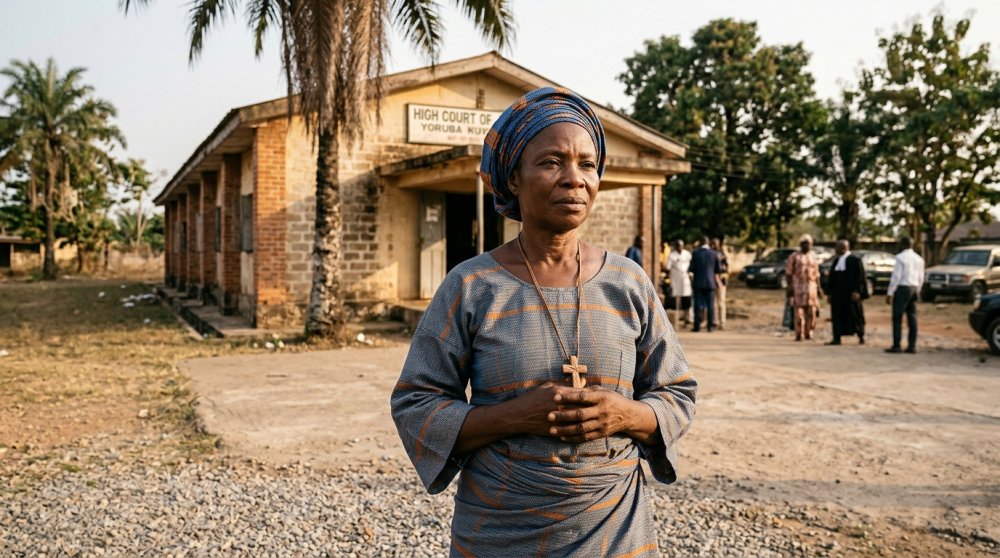
A Nigerian Christian mother who endured 19 months in prison on blasphemy charges has now been honored with the 2026 Shahbaz Bhatti Freedom Award after her complete acquittal.
The award is named after the Pakistani Christian minister Shahbaz Bhatti, who was martyred in 2011 for his courageous defense of religious minorities. Her case highlights the ongoing persecution of believers who are targeted simply for their faith.
“We thank God for His protection and for the justice that has finally prevailed,” she shared in her testimony following the verdict.
The 19-month ordeal underscores the real cost of standing firm in Christ when laws are weaponized against the faithful. Families across Nigeria and beyond continue to pray for those still imprisoned for their beliefs.
The Shahbaz Bhatti Freedom Award stands as a powerful reminder that courage and faith can overcome even the darkest trials.
Let us know what you think, please share your thoughts in the comments below.

Faith Facts
- Scripture warns that using the Lord’s name in vain carries serious spiritual consequences.
- Proverbs 10:9 teaches that he who walks in integrity walks securely, but he who perverts his ways will be found out.
- Romans 13:1 reminds believers that every authority is established by God and must be respected.
An Alaska man has pleaded guilty in federal court after admitting he robbed a bank in Anchorage while invoking the name of Jesus.
The defendant now faces up to twenty years in prison for the crime.
“I used the name of Jesus to rob a bank in Anchorage.”
The guilty plea was entered on Monday, confirming the details of the robbery that occurred in the state’s largest city.
Authorities say the man later contacted a pastor following the incident, prompting the investigation that led to his arrest and conviction.
The case highlights the importance of upholding both civil law and the sacredness of God’s name in daily conduct.
Let us know what you think, please share your thoughts in the comments below.
Faith Facts
- Hispanic Christian leaders are being called to engage churches ahead of the midterm elections.
- The Trump administration includes Hispanic Christian voices in key positions.
- Faith-based civic involvement remains central to preserving traditional American values.
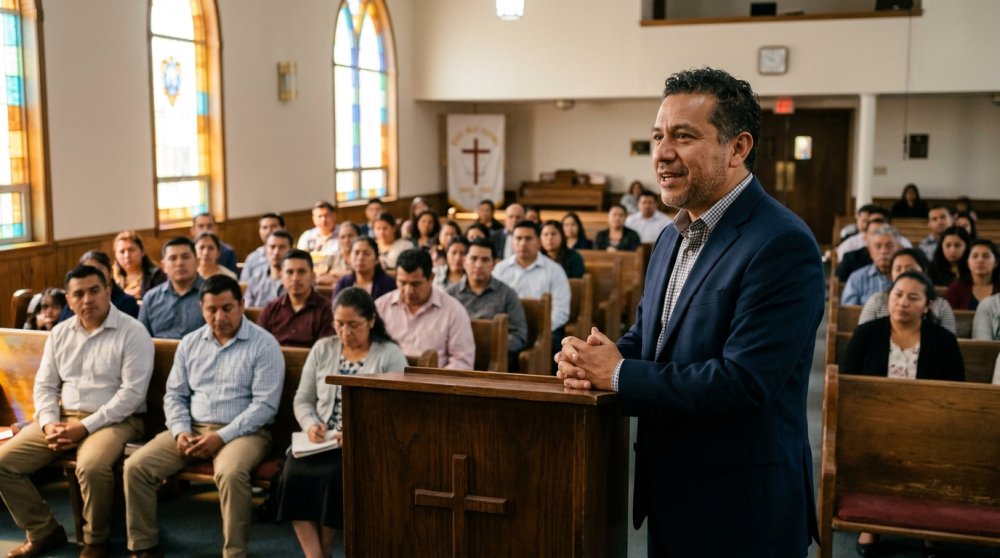
Hispanic Christian leaders serving in the Trump administration and across the country are urging churches to step forward before the midterm elections next month.
The appeal highlights the need for believers to remain active in protecting faith, family, and freedom at the ballot box.
Leaders emphasize that civic engagement rooted in biblical principles is essential for safeguarding religious liberty and traditional values in a shifting political climate.
“We are calling on churches and Christians to get involved ahead of the midterm elections next month.”
The message reflects a broader effort to strengthen conservative turnout among Hispanic voters of faith.
Supporters argue that increased participation will help defend policies that honor God, protect life, and preserve national sovereignty.
Let us know what you think, please share your thoughts in the comments below.


-

 Self-Reliance2 years ago
Trump’s Bold Move Uncovers Massive Social Security Fraud
-

 Faith2 years ago
New Clues Emerge in Noah’s Ark Mystery
-

 News2 years ago
Governor Walz’s Rhetoric Sparks National Controversy
-

 News2 years ago
Mel Gibson’s ‘The Passion of the Christ’ Sequel Title Announced
-

 Family2 years ago
Texas Lawmaker Targets Furries in Schools
-

 Freedom2 years ago
Maine Lawmaker Challenges Sports Fairness Controversy
-

 Family1 year ago
Canada’s Controversial Policy Sparks Ethical Debate
-
Faith11 months ago
Congress Hears Pleas for Nigerian Christians