
Faith
British Political Upheaval Reveals Why Christians Must Pray for Leaders

Faith Facts
- British Prime Minister Keir Starmer resigned less than two years after a historic election victory, creating new political turmoil
- Tim Farron MP calls on Christians to pray for government leaders, reminding believers that politicians are fallible humans in need of divine guidance
- Scripture calls Christians to intercede for those in authority, recognizing that no earthly government is perfect and all leaders need God’s wisdom
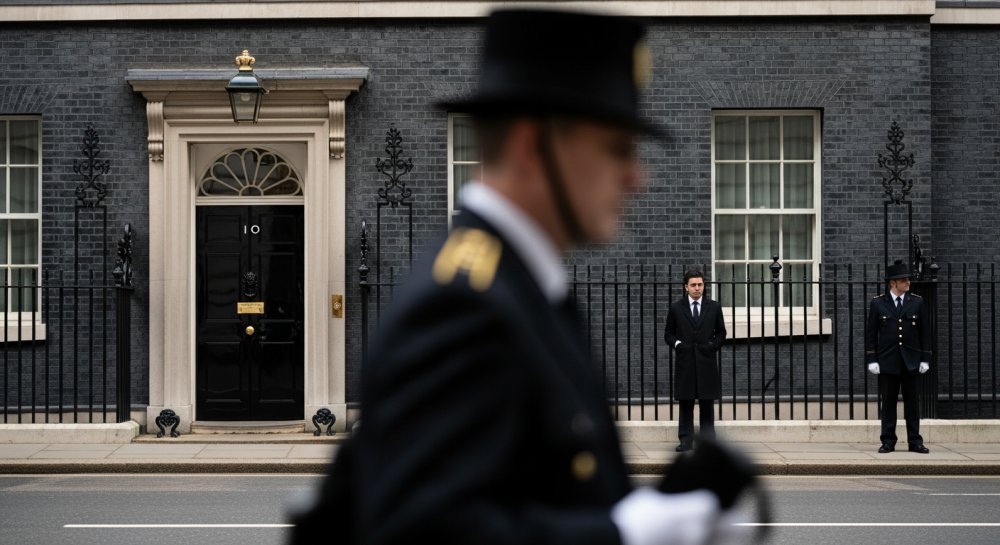
The resignation of British Prime Minister Keir Starmer has sent shockwaves through the United Kingdom’s political landscape. Less than two years after Labour’s historic electoral victory, the nation faces yet another period of uncertainty and transition.
Tim Farron, a Member of Parliament and outspoken Christian, is urging believers not to be surprised by the instability. His message is clear: politicians are human beings prone to failure, and no earthly government will ever achieve perfection.
“Christians shouldn’t be surprised,” Farron emphasized, pointing to the biblical mandate for prayer over political leaders regardless of their performance or party affiliation.
The rapid fall of Starmer’s government underscores a fundamental truth that resonates deeply with Christian conservative values: human institutions are flawed, and those who lead them are in desperate need of divine wisdom. This reality transcends political boundaries and speaks to the universal need for humility in leadership.
As attention turns to potential successors, including Andy Burnham, Farron’s warning remains relevant. No politician, regardless of charisma or promises, can serve as a political savior. The temptation to place messianic expectations on elected officials has led to repeated disappointment throughout history.
The Bible provides clear instruction on this matter. Scripture calls believers to pray for kings, presidents, prime ministers, and all those in authority. This isn’t a suggestion based on whether Christians agree with their policies—it’s a command rooted in recognition that governing is a weighty responsibility requiring supernatural guidance.
Farron’s comments remind Christians on both sides of the Atlantic that political engagement must be grounded in spiritual reality. While citizens have a duty to participate in democratic processes, hold leaders accountable, and advocate for policies aligned with biblical values, ultimate hope cannot rest in any political party or personality.
The British political crisis offers American Christians a valuable lesson as well. In an era of intense political division and passionate partisanship, believers must remember that no elected official can solve the deepest problems facing society. Those solutions require spiritual renewal, not merely political change.
Prayer for leaders isn’t passive resignation to poor governance. Rather, it acknowledges that those in power face tremendous pressures, difficult decisions, and spiritual opposition. Intercession opens the door for God to work in the hearts of decision-makers and to guide nations toward His purposes.
As the United Kingdom navigates this transition and selects new leadership, Christians worldwide should take Farron’s words to heart. Whether the leader is someone who shares your political views or opposes them, whether they acknowledge God or reject Him, the biblical instruction remains unchanged: pray for those in authority.
This approach reflects a mature understanding of both theology and politics. It recognizes human limitations while affirming God’s sovereignty over nations. It maintains proper perspective on the role of government while taking civic responsibility seriously.
The fall of yet another British prime minister demonstrates that political fortunes change rapidly and human leaders inevitably disappoint. But God’s Word endures, and His call to pray for those in authority remains as relevant today as when it was first written.
Let us know what you think, please share your thoughts in the comments below.

Faith Facts
- Vice President JD Vance credits his faith for guiding his political service and life decisions.
- Vance says he has not yet felt a divine call to pursue the presidency in 2028.
- He remains open to the possibility that God may lead him toward a future presidential campaign.
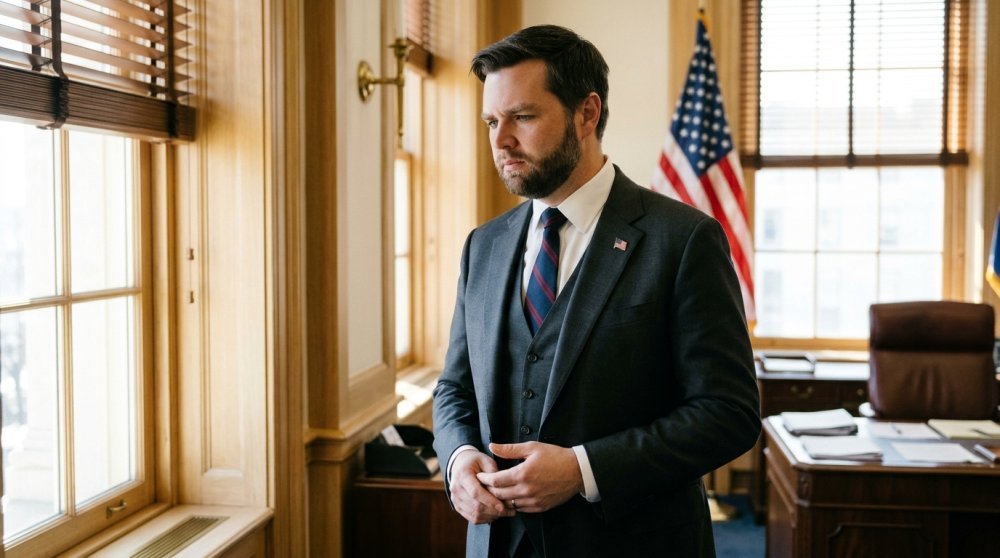
Vice President JD Vance has stated that his faith remains central to his decision-making as he weighs a potential 2028 presidential campaign. The Ohio senator-turned-vice president spoke candidly about how he continues to seek God’s direction before making major political moves.
Vance emphasized that he has not yet sensed a clear calling from God regarding a presidential run. He noted that this could change in time but stressed the importance of waiting for divine guidance.
“I haven’t yet felt God’s call for a presidential run in 2028,”
“Maybe that’ll change.”
Vance’s comments reflect a growing trend among conservative leaders who publicly acknowledge their dependence on prayer and Scripture when facing major career decisions. His approach resonates with many Americans who value leaders willing to submit their ambitions to God’s will.
The vice president also reflected on how his conversion to Christianity has shaped his worldview and public service. Vance has often spoken about the transformative power of faith in both his personal life and his political philosophy.
Let us know what you think, please share your thoughts in the comments below.
Faith Facts
- Vice President JD Vance led rally attendees in reciting the Lord’s Prayer when a woman collapsed nearby.
- The moment highlighted the continued presence of Christian faith in American public life and political gatherings.
- Vance personally left the stage to check on the woman after leading the prayer.
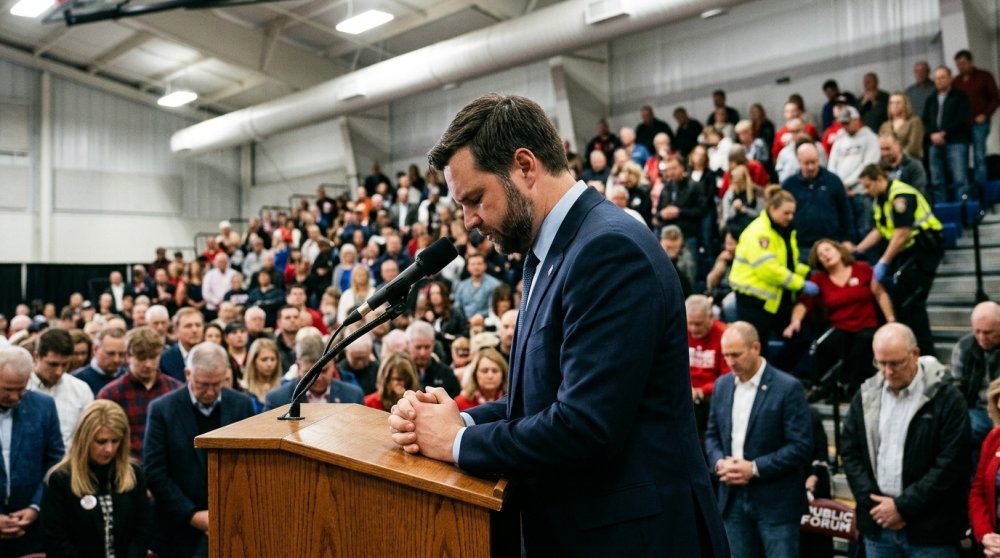
Vice President JD Vance paused a Nebraska campaign rally to lead the crowd in the Lord’s Prayer after a woman collapsed in the audience.
The incident took place during a live event where Vance addressed supporters and addressed policy issues.
“Pray as the Lord taught us to pray,” Vance said before leading the audience in the traditional prayer.
After finishing the prayer, Vance stepped down from the stage and made his way into the stands to personally check on the woman who had collapsed.
The spontaneous act of faith and compassion drew praise from attendees who witnessed the moment.
Let us know what you think, please share your thoughts in the comments below.
Faith Facts
- Oxford mathematician and Christian apologist Professor John Lennox encourages believers to share their faith with confidence.
- Lennox stresses that evangelism is not reserved only for preachers, theologians, or those with extensive biblical knowledge.
- Every Christian is called to be a witness for Christ in daily life.
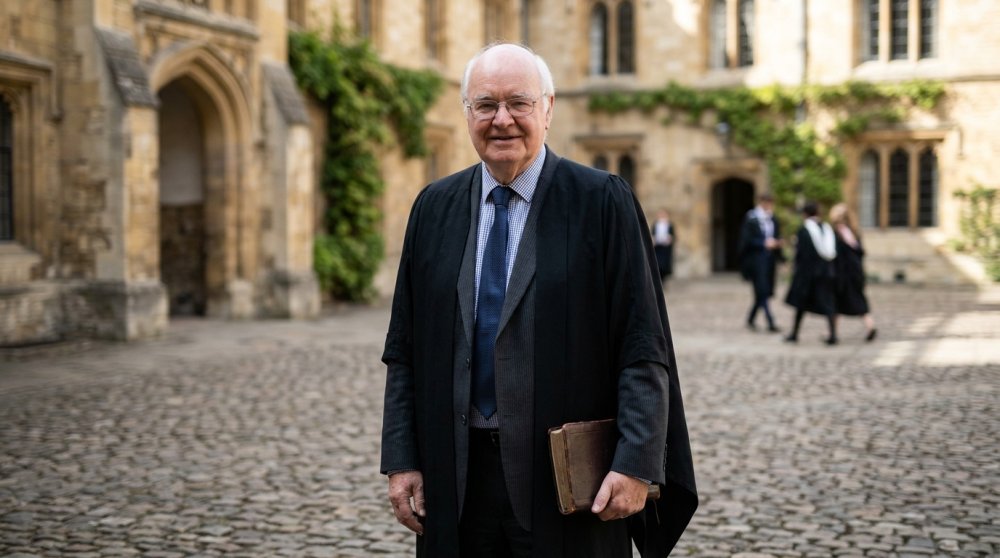
Oxford mathematician and Christian apologist Professor John Lennox is urging believers everywhere to share their faith with greater boldness and confidence. He reminds Christians that the call to witness is not limited to pastors or scholars but belongs to every follower of Christ.
“We’re all called to be witnesses,” Lennox declares. This simple truth challenges the idea that only trained experts can effectively share the gospel.
Professor Lennox emphasizes that evangelism is not about having every theological answer or delivering polished sermons. Instead, it is about living out and speaking the truth of Christ wherever God places His people.
His words come as a timely encouragement to Christians who may feel hesitant or unqualified to speak about their faith. Lennox points to the biblical calling that every believer is a witness, empowered by the Holy Spirit to share the hope within them.
Let us know what you think, please share your thoughts in the comments below.


-

 Self-Reliance2 years ago
Trump’s Bold Move Uncovers Massive Social Security Fraud
-

 Faith2 years ago
New Clues Emerge in Noah’s Ark Mystery
-

 News2 years ago
Governor Walz’s Rhetoric Sparks National Controversy
-

 News2 years ago
Mel Gibson’s ‘The Passion of the Christ’ Sequel Title Announced
-

 Family2 years ago
Texas Lawmaker Targets Furries in Schools
-

 Freedom2 years ago
Maine Lawmaker Challenges Sports Fairness Controversy
-

 Family1 year ago
Canada’s Controversial Policy Sparks Ethical Debate
-
Faith11 months ago
Congress Hears Pleas for Nigerian Christians