
Freedom
Vermont Faces Constitutional Crisis Over Religious Freedom Attack

Faith Facts
- Vermont is attempting to regulate health care sharing ministries, which operate on Christian principles of mutual aid and community support.
- Legal experts argue the state’s regulation violates First Amendment protections for religious freedom and free association.
- Health care sharing ministries allow Christians to pool resources and share medical expenses based on biblical principles, serving hundreds of thousands of Americans.
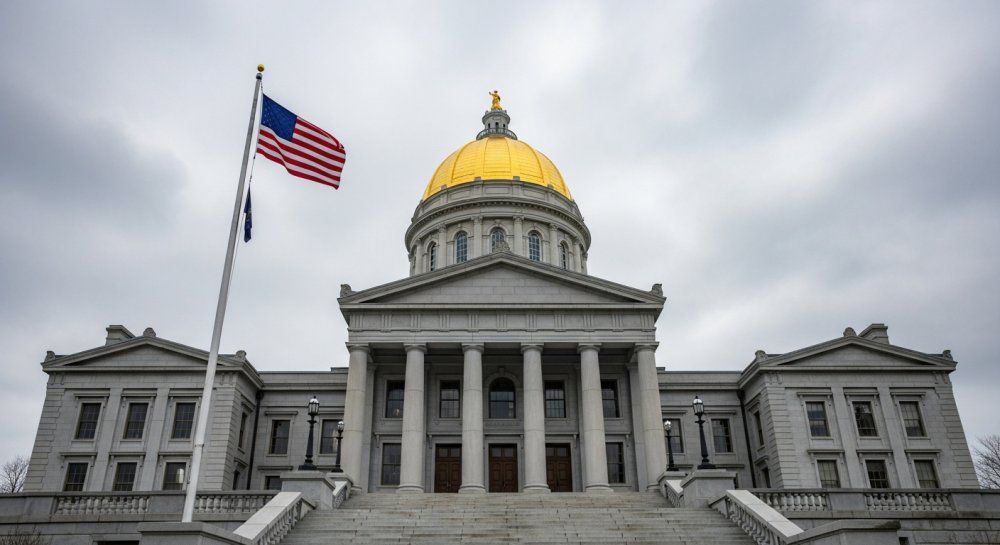
Vermont lawmakers are pushing forward with regulations that threaten to undermine religious freedom and constitutional protections for faith-based health care sharing ministries. These ministries, which have served Christian communities for decades, operate on biblical principles of bearing one another’s burdens and caring for fellow believers.
Health care sharing ministries represent a distinctly Christian approach to health care costs. Members voluntarily share in each other’s medical expenses, rooted in New Testament teachings about Christian community and mutual support. Unlike traditional insurance, these ministries are built on shared faith and values, creating networks of believers committed to helping one another in times of need.
The constitutional concerns are substantial and multifaceted. First Amendment protections guarantee Americans the right to freely exercise their religion and associate with others who share their beliefs. When states attempt to regulate religious ministries as if they were secular insurance companies, they cross a clear constitutional line.
These faith-based organizations have operated successfully outside the conventional insurance framework for good reason. They are not selling a commercial product but facilitating the voluntary sharing of resources among people of common faith. Members join because they want to live out their Christian convictions, not simply to obtain coverage.
Vermont’s regulatory approach fails to recognize this crucial distinction. By treating religious health care sharing as a commercial insurance product, the state disregards the deeply religious nature of these ministries. This represents government overreach into matters of faith and conscience that should remain protected from state interference.
The implications extend beyond Vermont. If states can regulate faith-based health sharing ministries out of existence or force them to operate contrary to their religious principles, it sets a dangerous precedent. Religious liberty depends on the government respecting the autonomy of faith communities to organize themselves according to their beliefs.
Hundreds of thousands of Americans participate in health care sharing ministries, finding them aligned with their values and often more affordable than conventional insurance. These families have chosen a path consistent with their Christian faith, and the government should respect that choice rather than attempt to eliminate it through burdensome regulation.
The constitutional principle at stake is clear: Americans have the right to practice their faith, associate with fellow believers, and organize their affairs according to religious convictions. When Vermont or any state interferes with these fundamental freedoms, it violates the Constitution’s protections that have safeguarded religious liberty since our nation’s founding.
Defenders of limited government and religious freedom should pay close attention to this developing situation. What happens in Vermont could influence how other states treat faith-based alternatives to government-approved systems. The fight to preserve these ministries is ultimately a fight to preserve constitutional freedoms for all Americans.
Let us know what you think, please share your thoughts in the comments below.

Faith Facts
- A Christian pastor was arrested outside an abortion clinic despite making no mention of abortion while within the designated buffer zone
- The arrest raises serious First Amendment concerns about religious freedom and peaceful expression in public spaces
- The Trump administration is now monitoring the case as it could set precedent for how Christians can exercise their faith in the public square
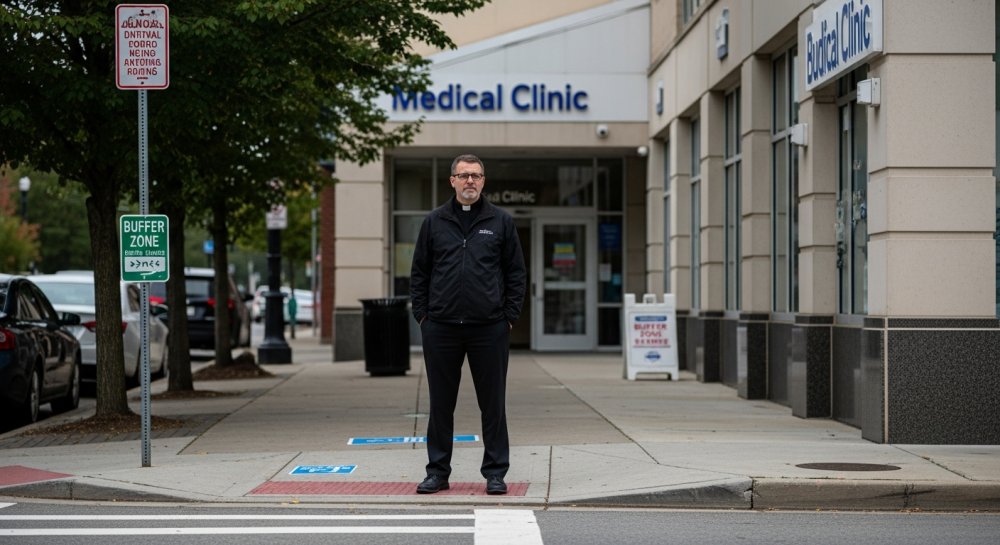
A Christian pastor’s arrest outside an abortion facility has caught the attention of federal authorities, raising urgent questions about religious liberty and free speech rights in America. The case has become a flashpoint in the ongoing debate over buffer zones around abortion clinics and whether they unconstitutionally restrict peaceful religious expression.
According to reports, Pastor Johnston was taken into custody despite refraining from any verbal mention of abortion while standing within the designated buffer zone. The circumstances of his arrest have prompted the U.S. government to take notice, with officials now monitoring how local authorities handled the situation.
The arrest highlights growing tensions between abortion facility buffer zone laws and constitutional protections for religious Americans. Many faith leaders argue these zones are being weaponized to silence Christian witness and peaceful pro-life advocacy in the public square.
Buffer zone laws, which create designated areas around abortion clinics where certain activities are prohibited, have been controversial since their inception. Supporters claim they protect patients and staff from harassment, while critics contend they violate First Amendment rights to free speech and religious expression.
The fact that Pastor Johnston made no verbal reference to abortion during his time in the zone makes this case particularly significant. It raises the question of whether simply being present as a person of faith—without engaging in any prohibited speech or conduct—can now be grounds for arrest.
Religious freedom advocates warn that if such arrests are allowed to stand, it could create a dangerous precedent. Christians across the nation could find themselves unable to peacefully demonstrate their faith convictions on public sidewalks near abortion facilities.
The Trump administration’s decision to monitor the case signals that it may be viewed as a test of how far local governments can go in restricting religious expression. Federal oversight could prove crucial in protecting constitutional rights that many believers feel are under assault.
This incident comes at a time when Christians increasingly report feeling marginalized in public discourse, particularly on issues related to the sanctity of life. Many faithful Americans see their ability to peacefully witness to their beliefs as fundamental to both religious freedom and the democratic process.
As the case develops, it will likely draw attention from religious liberty organizations, pro-life groups, and constitutional scholars. The outcome could have far-reaching implications for how Christians can exercise their faith in spaces deemed sensitive by abortion advocates.
The situation underscores the need for clear legal standards that protect both public safety and constitutional rights. Believers across the country will be watching to see whether Pastor Johnston’s arrest represents government overreach or a legitimate application of public safety laws.
Let us know what you think, please share your thoughts in the comments below.

Faith Facts
- A Colorado high school granted a religious accommodation to a student identifying as a Satanist, exempting her from using the school’s digital hall pass system for restroom breaks
- The accommodation was made after the student claimed the tracking system violated her religious beliefs as a member of The Satanic Temple
- The decision raises concerns among Christian families about religious freedom being exploited to undermine school safety and order
A Colorado school district has granted a controversial religious accommodation to a high school student who identifies as a member of The Satanic Temple. The accommodation exempts the student from using the school’s digital hall pass system when accessing restrooms during class time.
The decision has sparked debate among parents and faith leaders about the boundaries of religious freedom in public schools and whether such accommodations serve genuine religious convictions or undermine common-sense school policies designed to maintain order and safety.
The digital hall pass system was implemented to track student movement throughout the school building during instructional time, a practice many schools have adopted to enhance campus security and accountability. The student reportedly objected to the tracking component of the system, claiming it violated her religious beliefs.
The Satanic Temple, which the student claims to represent, has increasingly positioned itself as a religious organization in recent years, despite its origins as an activist group promoting secular values. The organization has pursued various legal challenges and accommodations in schools across the country, often targeting policies and practices rooted in traditional values.
Christian parents and conservative advocates have expressed concern that such accommodations create a double standard. While Christian students often face restrictions on prayer, religious expression, and Bible clubs in public schools, alternative belief systems appear to receive favorable treatment from school administrators fearful of legal challenges.
The accommodation specifically applies to restroom access, allowing the student to leave class without logging her movement through the digital system that other students must use. Critics argue this creates an unfair exemption that could be exploited by students seeking to avoid accountability measures designed to keep all students safe.
Religious freedom advocates from a Christian perspective maintain that true religious liberty protects sincere faith practices, not ideological opposition to reasonable school policies. They argue that digital hall passes serve a legitimate educational and safety purpose that does not burden any authentic religious exercise.
The decision by the Colorado school district reflects a broader trend in which school administrators appear increasingly willing to accommodate non-traditional belief systems while remaining restrictive toward Christian expression. This imbalance has fueled ongoing concerns about viewpoint discrimination in public education.
As public schools navigate complex religious freedom questions, many Christian families are calling for consistent application of constitutional principles that protect genuine religious practice without allowing bad-faith exploitation of religious liberty protections.
Let us know what you think, please share your thoughts in the comments below.
Faith Facts
- The abortion industry rapidly transformed its operations following the Dobbs decision, leveraging new distribution methods and legal strategies
- Pro-life advocates must recognize that the fight to protect unborn life requires sustained commitment beyond legislative victories
- Crisis pregnancy centers and grassroots ministries remain essential in offering compassionate alternatives to women facing unexpected pregnancies
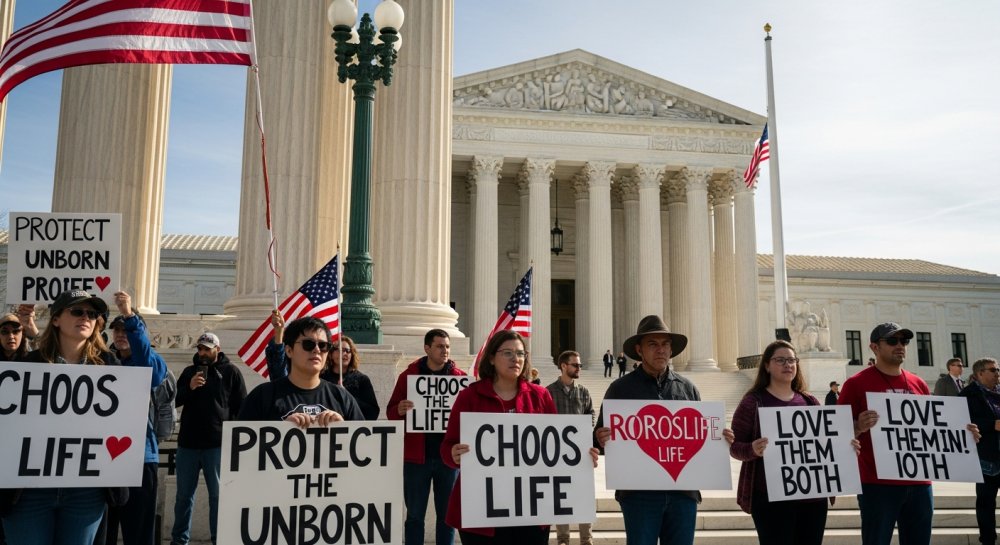
The historic overturning of Roe v. Wade marked a watershed moment for the pro-life movement, but the battle to protect the unborn is far from over. In the aftermath of the Dobbs decision, the abortion industry has proven remarkably resilient, adapting quickly to the new legal landscape with innovative tactics that continue to threaten innocent lives.
Rather than retreating, abortion providers have pivoted to chemical abortion pills distributed through mail-order services, telemedicine consultations across state lines, and mobile clinics positioned near state borders. These evolving strategies demonstrate that legal victories alone cannot end the culture of death that has taken root in America.
The pro-life movement must respond with equal determination and creativity. This means strengthening the network of crisis pregnancy centers that provide material support, medical care, and emotional counseling to women in difficult circumstances. It means advocating for policies that protect women from the physical and psychological harms of abortion while offering real alternatives.
Churches and faith communities have a vital role to play in this new phase of the fight for life. Congregations must move beyond political activism to create cultures of life within their own communities—supporting single mothers, facilitating adoptions, and demonstrating Christ’s love for both mother and child.
The post-Roe era demands sustained engagement, not victory celebrations. State-level battles over abortion policy continue to rage, with pro-abortion activists pushing ballot initiatives and legislative efforts to enshrine abortion access in state constitutions. Each of these fights requires prayer, financial resources, and boots on the ground.
Education remains critical as well. Many Americans, including many Christians, still harbor misconceptions about fetal development, the abortion process, and the support available to women facing crisis pregnancies. Truth-telling about the humanity of the unborn and the realities of abortion must continue in pulpits, schools, and public squares.
Technology has also transformed the landscape. Ultrasound imaging that reveals the unmistakable humanity of unborn children has proven powerful in changing hearts and minds. Pro-life organizations must leverage these tools while countering the misinformation spread through social media and activist networks.
The fundamental truth remains unchanged: every human life, from conception to natural death, bears the image of God and deserves protection. The Dobbs decision restored to the American people the right to enact that protection through democratic means, but it did not automatically create a culture of life.
Building that culture requires the Church to lead with both conviction and compassion. It demands that believers not only oppose abortion but actively support women and families, creating communities where choosing life is not just morally right but practically feasible.
The end of Roe was a beginning, not a conclusion—the beginning of a long-term commitment to replace the culture of death with a culture of life, one heart, one law, and one community at a time.
Let us know what you think, please share your thoughts in the comments below.


-

 Self-Reliance1 year ago
Trump’s Bold Move Uncovers Massive Social Security Fraud
-

 Faith1 year ago
New Clues Emerge in Noah’s Ark Mystery
-

 News1 year ago
Governor Walz’s Rhetoric Sparks National Controversy
-

 News1 year ago
Mel Gibson’s ‘The Passion of the Christ’ Sequel Title Announced
-

 Family1 year ago
Texas Lawmaker Targets Furries in Schools
-

 Freedom1 year ago
Maine Lawmaker Challenges Sports Fairness Controversy
-

 Family11 months ago
Canada’s Controversial Policy Sparks Ethical Debate
-
Faith5 months ago
Congress Hears Pleas for Nigerian Christians