
Freedom
School District Caves to Satanist Student’s Demand for Special Treatment


Faith Facts
- A Colorado high school granted a religious accommodation to a student identifying as a Satanist, exempting her from using the school’s digital hall pass system for restroom breaks
- The accommodation was made after the student claimed the tracking system violated her religious beliefs as a member of The Satanic Temple
- The decision raises concerns among Christian families about religious freedom being exploited to undermine school safety and order
A Colorado school district has granted a controversial religious accommodation to a high school student who identifies as a member of The Satanic Temple. The accommodation exempts the student from using the school’s digital hall pass system when accessing restrooms during class time.
The decision has sparked debate among parents and faith leaders about the boundaries of religious freedom in public schools and whether such accommodations serve genuine religious convictions or undermine common-sense school policies designed to maintain order and safety.
The digital hall pass system was implemented to track student movement throughout the school building during instructional time, a practice many schools have adopted to enhance campus security and accountability. The student reportedly objected to the tracking component of the system, claiming it violated her religious beliefs.
The Satanic Temple, which the student claims to represent, has increasingly positioned itself as a religious organization in recent years, despite its origins as an activist group promoting secular values. The organization has pursued various legal challenges and accommodations in schools across the country, often targeting policies and practices rooted in traditional values.
Christian parents and conservative advocates have expressed concern that such accommodations create a double standard. While Christian students often face restrictions on prayer, religious expression, and Bible clubs in public schools, alternative belief systems appear to receive favorable treatment from school administrators fearful of legal challenges.
The accommodation specifically applies to restroom access, allowing the student to leave class without logging her movement through the digital system that other students must use. Critics argue this creates an unfair exemption that could be exploited by students seeking to avoid accountability measures designed to keep all students safe.
Religious freedom advocates from a Christian perspective maintain that true religious liberty protects sincere faith practices, not ideological opposition to reasonable school policies. They argue that digital hall passes serve a legitimate educational and safety purpose that does not burden any authentic religious exercise.
The decision by the Colorado school district reflects a broader trend in which school administrators appear increasingly willing to accommodate non-traditional belief systems while remaining restrictive toward Christian expression. This imbalance has fueled ongoing concerns about viewpoint discrimination in public education.
As public schools navigate complex religious freedom questions, many Christian families are calling for consistent application of constitutional principles that protect genuine religious practice without allowing bad-faith exploitation of religious liberty protections.
Let us know what you think, please share your thoughts in the comments below.

Faith Facts
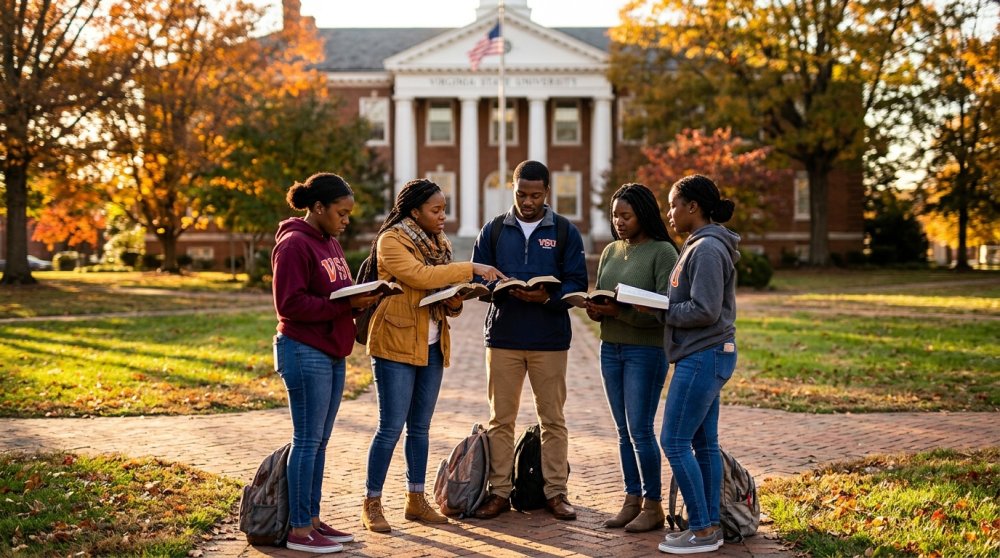
- Virginia State University has required Christian student organizations to submit to oversight by a single university-employed campus minister.
- Two Christian groups filed suit alleging the policy violates their religious convictions and First Amendment rights.
- The groups claim doctrinal differences with the appointed minister make compliance impossible without compromising their beliefs.
Two Christian student organizations have taken Virginia State University to court, asserting the school has violated their religious liberty by forcing them under the authority of a single campus minister.
The complaint states the policy requires all Christian clubs to operate under the governance of this university-appointed figure regardless of doctrinal alignment.
“The university is compelling these groups to accept spiritual leadership that contradicts their sincerely held beliefs,” the lawsuit argues.
The students maintain the mandate infringes on their freedom to choose leaders who share their theological convictions.
Legal observers note the case raises fresh questions about how public universities may regulate religious expression on campus.
Supporters of the plaintiffs argue that equal access should not require groups to surrender their core religious identity.
“We simply want the same rights extended to every other student organization without having our faith dictated by the state,” one plaintiff representative said.
The university has not yet issued a detailed public response beyond confirming receipt of the legal filing.
Let us know what you think, please share your thoughts in the comments below.

Faith Facts
- Parents hold the primary God-given responsibility to educate their children according to biblical principles.
- Traditional homeschooling has consistently produced graduates who serve their communities with integrity and skill.
- Local governments should respect parental authority and religious freedom rather than impose unnecessary credentialing barriers.
The city council of Fremont, Nebraska, has unanimously passed a resolution removing an education requirement that had prevented a homeschooled volunteer from applying for a paid firefighter position.
City leaders determined that the previous rule unfairly excluded capable individuals who had completed their education at home.
The decision came after a longtime volunteer firefighter, who graduated through homeschooling, was told he could not be considered for full-time employment because his diploma was not from an accredited institution.
“The council recognized that homeschool graduates bring the same dedication and training to the job as anyone else,” one council member stated during the meeting.
Council members agreed the change aligns with broader community values that honor parental choice in education.
Supporters of the resolution noted that many homeschool families in Nebraska choose this path for faith-based reasons and should not face employment discrimination for following their convictions.
The updated policy now allows the city to consider applicants based on their skills, certifications, and character rather than the source of their high school education.
Local firefighters and residents have welcomed the decision, viewing it as a practical step that strengthens public safety without compromising standards.
“This resolution simply removes an unnecessary obstacle so that qualified men and women can serve their neighbors,” another council member remarked.
City officials expect the change to expand the pool of dedicated candidates ready to protect Fremont families and property.
Let us know what you think, please share your thoughts in the comments below.
Faith Facts
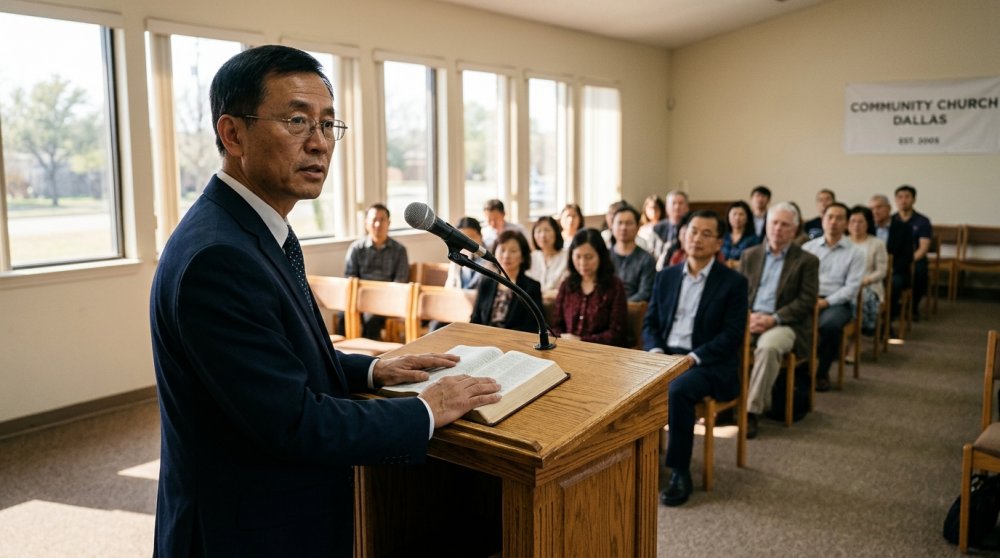
- A Chinese pastor released from prison three months ago spoke at a religious freedom conference in Dallas, Texas.
- Speakers at the event credited public pressure and prayer with helping secure the pastor’s release.
- Believers are being called to pray and advocate for Christians still imprisoned for their faith.
A Chinese pastor freed from prison three months ago joined advocates at a religious freedom conference in Dallas, Texas, on Monday, September 28, in urging Christians to pray and speak out for those jailed for their faith.
Speakers credited such pressure with helping win the pastor’s release.
The event highlighted the ongoing persecution faced by many believers in China.
Advocates emphasized the power of faithful prayer and public witness in the face of oppression.
“Let us know what you think, please share your thoughts in the comments below.”


-

 Self-Reliance2 years ago
Trump’s Bold Move Uncovers Massive Social Security Fraud
-

 Faith2 years ago
New Clues Emerge in Noah’s Ark Mystery
-

 News2 years ago
Governor Walz’s Rhetoric Sparks National Controversy
-

 News2 years ago
Mel Gibson’s ‘The Passion of the Christ’ Sequel Title Announced
-

 Family2 years ago
Texas Lawmaker Targets Furries in Schools
-

 Freedom2 years ago
Maine Lawmaker Challenges Sports Fairness Controversy
-

 Family1 year ago
Canada’s Controversial Policy Sparks Ethical Debate
-
Faith11 months ago
Congress Hears Pleas for Nigerian Christians