
Faith
Vance Honors Armenia’s Christian Heritage Amid Tensions


Faith Facts
- Vice President JD Vance called Armenia a “bedrock of Christian civilization and culture.”
- The U.S. and Armenia signed agreements for civil nuclear energy and technology exports.
- Church-state tensions persist in Armenia, drawing concern from Christian advocates.
Vice President JD Vance made history as the first sitting U.S. vice president to visit Armenia, signaling America’s support for one of Christianity’s most ancient nations. Vance’s words highlighted Armenia’s vital role in defending faith and freedom around the world.
During the visit, the vice president and his wife honored Armenian Christians lost in the 1915 genocide by laying flowers at the Tsitsernakaberd memorial. Shortly after, an official post referencing the genocide was deleted, and government communication shifted to a more general account of the ceremony.
Some advocacy groups have previously criticized U.S. leaders for hesitance to fully acknowledge Armenia’s tragic past, but Vance expressed admiration for the nation’s Christian witness. He said:
“This is one of the oldest Christian countries in the entire world, a true bedrock of Christian civilization and culture.”
The visit also underscored recent steps toward peace as Armenia and Azerbaijan, neighboring nations with a history of conflict, pursue U.S.-brokered agreements for stability and prosperity. Faith remains central for many Armenians, especially as church leaders face pressure and persecution for advocating national sovereignty and spiritual values.
Challenges persist, with the Armenian Apostolic Church confronting government pressure and ongoing disputes over ceding territory. Archbishop Bagrat Galstanyan, who warned of existential threats to Armenia’s Christian identity, remains imprisoned alongside other clergy for their opposition efforts.
Faithful believers around the world are urged to pray for the Armenian Church and support freedom of worship in this historic land. Stay informed on these vital issues that shape faith, family, and freedom around the globe.


Faith Facts
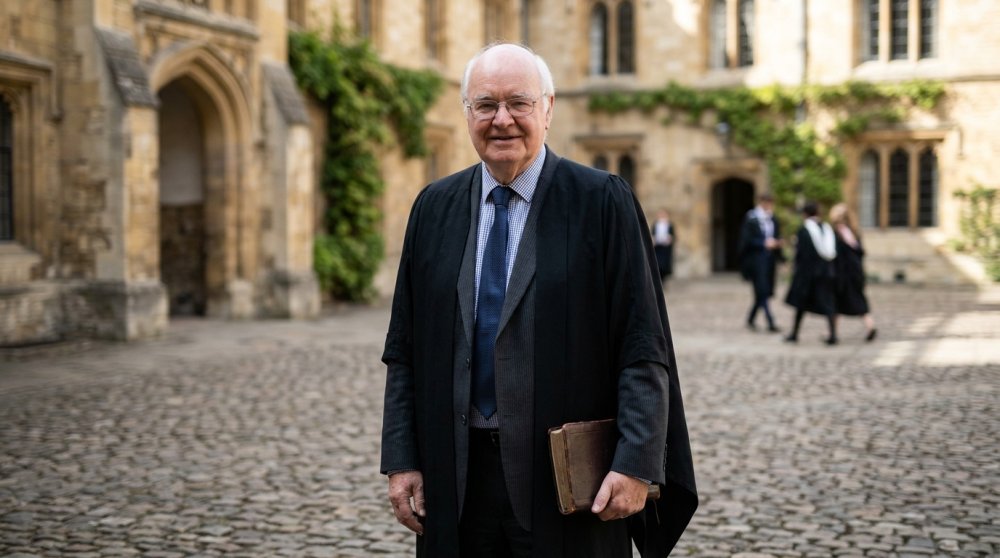
- Oxford mathematician and Christian apologist Professor John Lennox encourages believers to share their faith with confidence.
- Lennox stresses that evangelism is not reserved only for preachers, theologians, or those with extensive biblical knowledge.
- Every Christian is called to be a witness for Christ in daily life.
Oxford mathematician and Christian apologist Professor John Lennox is urging believers everywhere to share their faith with greater boldness and confidence. He reminds Christians that the call to witness is not limited to pastors or scholars but belongs to every follower of Christ.
“We’re all called to be witnesses,” Lennox declares. This simple truth challenges the idea that only trained experts can effectively share the gospel.
Professor Lennox emphasizes that evangelism is not about having every theological answer or delivering polished sermons. Instead, it is about living out and speaking the truth of Christ wherever God places His people.
His words come as a timely encouragement to Christians who may feel hesitant or unqualified to speak about their faith. Lennox points to the biblical calling that every believer is a witness, empowered by the Holy Spirit to share the hope within them.
Let us know what you think, please share your thoughts in the comments below.
Faith Facts
- At least seven Christians were killed in a targeted attack on a Greek Orthodox funeral service in Jordan.
- The assault occurred at a church known for peaceful worship and interfaith coexistence in the region.
- The attack highlights the ongoing threat of Islamic extremism to Christian communities worldwide.
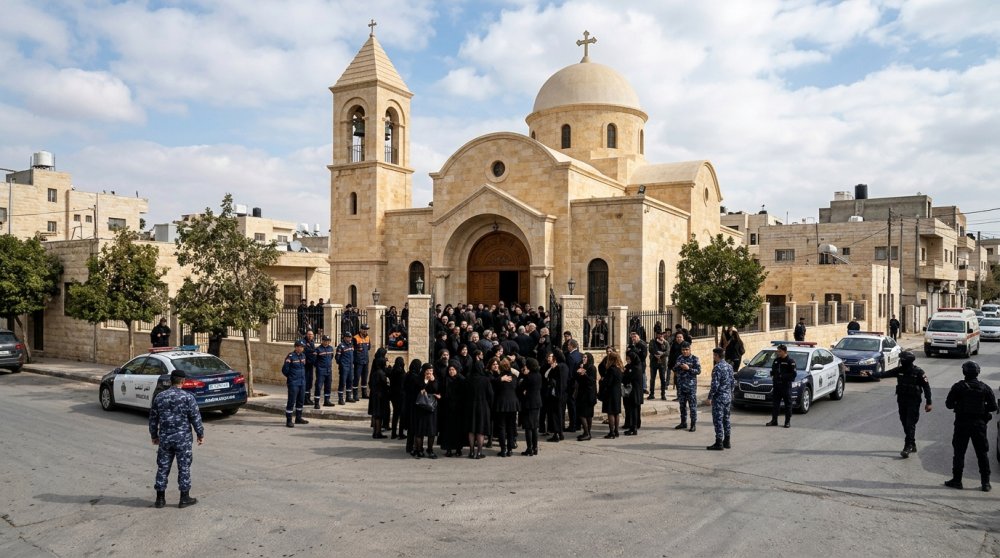
In a rare attack in a country known for peaceful inter-faith coexistence, suspected Islamic extremists attacked a funeral at a Greek Orthodox church in Jordan on Friday (Oct. 23), shooting at least seven people to death and wounding 28 others, according to reports.
The violence interrupted a sacred time of mourning and remembrance, striking at the heart of a Christian community gathered in faith.
Let us know what you think, please share your thoughts in the comments below.
Faith Facts
- God examines the heart rather than outward gestures during worship.
- Scripture teaches that authentic faith is shown through obedience and love, not visible enthusiasm.
- Believers are called to honor every sincere heart that worships in spirit and truth.
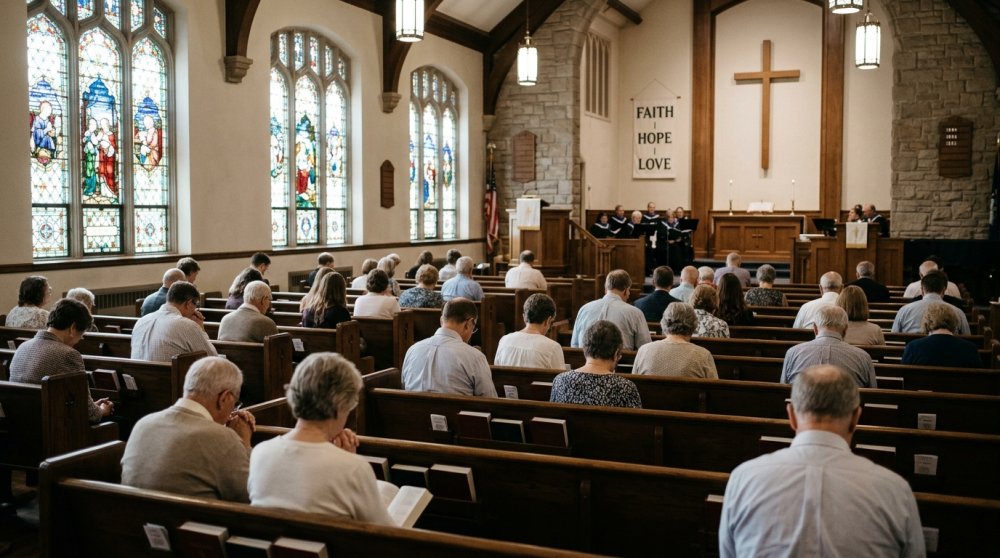
Too often, outward expressions of enthusiasm are mistaken for spiritual maturity. But God looks at the heart, not whether we’re standing, sitting or raising our hands, says Dawn Butler.
“God looks at the heart, not whether we’re standing, sitting or raising our hands,”
Churches across America have seen a growing emphasis on physical expressions during worship. This trend can unintentionally pressure believers who prefer quieter reverence. The result is that some faithful Christians feel judged for their personal style of worship.
“Too often, outward expressions of enthusiasm are mistaken for spiritual maturity.”
True worship flows from a surrendered heart that seeks to honor God in every area of life. Scripture consistently points to inward devotion rather than external performance. When congregations focus on visible actions, they risk overlooking the quiet strength of those who serve faithfully in the background.
Christian liberty allows room for both raised hands and bowed heads. The key is whether each believer approaches the Lord with reverence and sincerity. Families benefit when churches encourage unity over uniformity in worship practices.
“God looks at the heart, not whether we’re standing, sitting or raising our hands.”
Let us know what you think, please share your thoughts in the comments below.


-

 Self-Reliance2 years ago
Trump’s Bold Move Uncovers Massive Social Security Fraud
-

 Faith2 years ago
New Clues Emerge in Noah’s Ark Mystery
-

 News2 years ago
Governor Walz’s Rhetoric Sparks National Controversy
-

 News2 years ago
Mel Gibson’s ‘The Passion of the Christ’ Sequel Title Announced
-

 Family2 years ago
Texas Lawmaker Targets Furries in Schools
-

 Freedom2 years ago
Maine Lawmaker Challenges Sports Fairness Controversy
-

 Family1 year ago
Canada’s Controversial Policy Sparks Ethical Debate
-
Faith11 months ago
Congress Hears Pleas for Nigerian Christians