
Faith
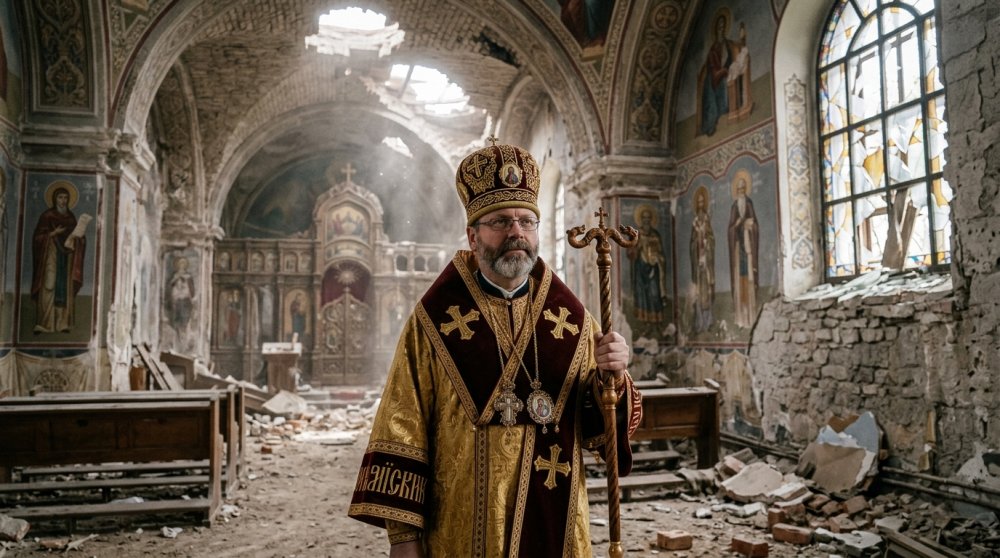
Ukrainian Bishop Reveals What War Has Taught Christians About Peace

Faith Facts
- Ukrainian Catholic Bishop reflects on the true value of peace as Ukraine marks 35 years of independence from Soviet rule while under Russian invasion
- The bishop emphasizes that religious freedom and peace are most appreciated when they are threatened or lost
- Ukraine continues to defend its sovereignty and Christian values against aggression three years into the ongoing conflict
A Ukrainian Catholic bishop has delivered a powerful message about the immense value of peace and religious freedom as his nation commemorates 35 years of independence from Soviet oppression while simultaneously fighting for its survival against Russian aggression.
The bishop’s words carry profound weight as Ukraine continues to defend not only its territorial integrity but also its ability to worship freely — something denied under decades of Soviet atheist rule. His reflection serves as a stark reminder to Christians worldwide about the precious gift of religious liberty that many Americans take for granted.
“We understand the value of peace most clearly when it is gone,” the bishop stated, capturing the tragic reality facing millions of Ukrainian Christians who have watched their churches destroyed, their communities shattered, and their families torn apart by war.
The timing of these remarks is particularly significant. Three and a half decades ago, Ukraine broke free from communist tyranny that had systematically persecuted believers and shuttered houses of worship. Today, the nation fights to preserve the freedom that came with independence — including the freedom to practice Christianity openly without state interference.
For American Christians, the bishop’s testimony should resonate deeply. While our nation has been blessed with uninterrupted religious freedom since its founding, Ukraine’s experience demonstrates how quickly liberty can be threatened when authoritarian forces seek to dominate. The Ukrainian people’s determination to defend both their sovereignty and their faith reflects values that conservative Americans hold dear: national independence, religious freedom, and resistance to tyranny.
The bishop’s message also highlights an uncomfortable truth: peace and freedom require vigilance and sometimes sacrifice to maintain. As Ukraine marks this milestone anniversary under wartime conditions, the contrast between the hope of 1991 and the harsh realities of today could not be starker. Yet the resilience of Ukraine’s Christian community amid unspeakable hardship stands as a testament to the enduring power of faith.
Ukrainian churches have become symbols of resistance, with clergy and laypeople alike refusing to abandon their calling despite constant danger. Many have transformed their sanctuaries into humanitarian centers, providing shelter, food, and spiritual comfort to those displaced by the conflict. This living witness to Christian charity under fire challenges believers everywhere to consider what they would be willing to endure for their faith.
The bishop’s reflection on religious freedom gains additional meaning when viewed through the lens of Ukraine’s Soviet past. Under communist rule, Christians faced persecution, imprisonment, and martyrdom for refusing to renounce their faith. Churches operated underground, Bibles were contraband, and religious instruction was criminalized. The freedom Ukrainians gained in 1991 was not merely political — it was spiritual liberation.
As Americans observe Ukraine’s struggle from afar, the bishop’s words serve as both a warning and an inspiration. They warn that freedom — whether national or religious — can never be assumed permanent. They inspire by showing that faith communities can maintain their witness even under the most adverse circumstances.
The connection between peace and religious freedom is no accident. Throughout history, authoritarian regimes have recognized that Christianity poses a fundamental challenge to totalitarian control because it acknowledges a higher authority than the state. Ukraine’s fight is therefore not just about borders and sovereignty — it is about preserving a society where Christian values and worship can flourish without government suppression.
For conservative American Christians, supporting Ukraine’s right to self-determination aligns with core principles of defending religious liberty, opposing communist and authoritarian aggression, and standing with fellow believers under persecution. The Ukrainian church’s experience reminds us that the freedoms we enjoy came at great cost and must be defended in each generation.
The bishop’s message during this 35th anniversary of independence carries urgent relevance. As Ukraine continues to resist invasion, the international Christian community faces a question: Will we stand with believers whose churches are under literal bombardment, or will we remain indifferent to their plight? The answer reveals much about the depth of our commitment to religious freedom as a universal principle, not merely a domestic concern.
Ukraine’s struggle for peace and freedom continues with no certain end in sight. But the faith of its Christian leaders and laypeople remains unshaken. Their testimony challenges comfortable Western Christianity to remember that following Christ has always required courage, sacrifice, and unwavering commitment to truth — even when peace seems impossibly distant.
Let us know what you think, please share your thoughts in the comments below.

Faith Facts
- Oxford mathematician and Christian apologist Professor John Lennox encourages believers to share their faith with confidence.
- Lennox stresses that evangelism is not reserved only for preachers, theologians, or those with extensive biblical knowledge.
- Every Christian is called to be a witness for Christ in daily life.
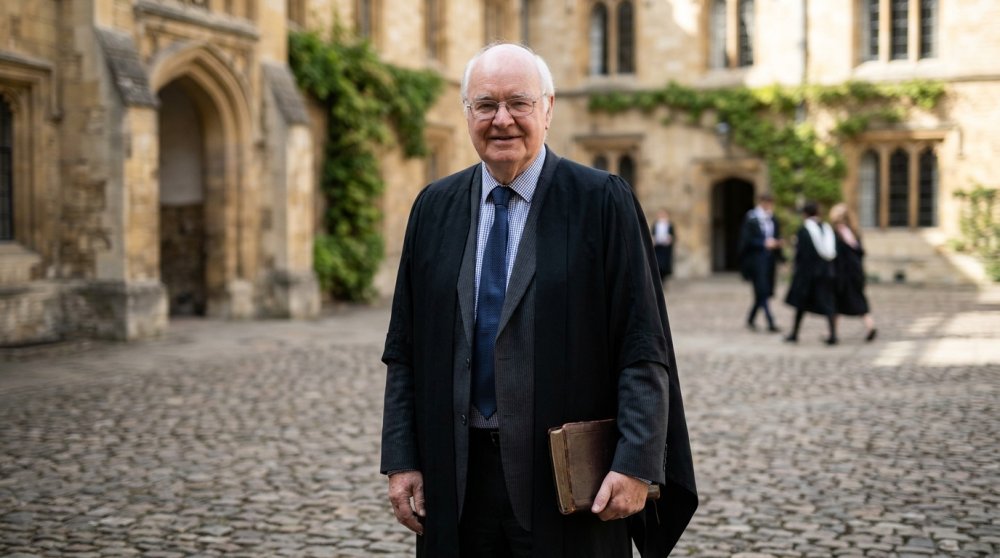
Oxford mathematician and Christian apologist Professor John Lennox is urging believers everywhere to share their faith with greater boldness and confidence. He reminds Christians that the call to witness is not limited to pastors or scholars but belongs to every follower of Christ.
“We’re all called to be witnesses,” Lennox declares. This simple truth challenges the idea that only trained experts can effectively share the gospel.
Professor Lennox emphasizes that evangelism is not about having every theological answer or delivering polished sermons. Instead, it is about living out and speaking the truth of Christ wherever God places His people.
His words come as a timely encouragement to Christians who may feel hesitant or unqualified to speak about their faith. Lennox points to the biblical calling that every believer is a witness, empowered by the Holy Spirit to share the hope within them.
Let us know what you think, please share your thoughts in the comments below.
Faith Facts
- At least seven Christians were killed in a targeted attack on a Greek Orthodox funeral service in Jordan.
- The assault occurred at a church known for peaceful worship and interfaith coexistence in the region.
- The attack highlights the ongoing threat of Islamic extremism to Christian communities worldwide.
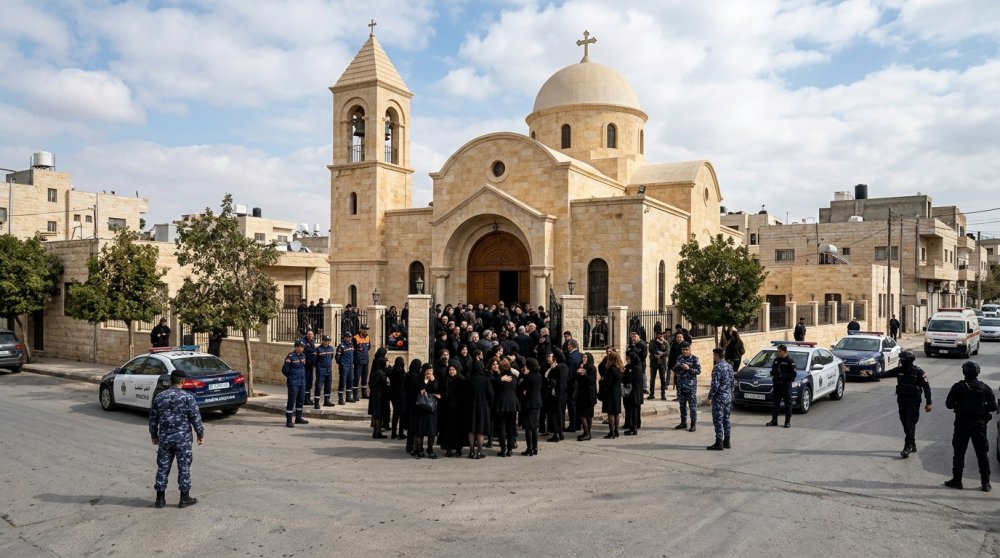
In a rare attack in a country known for peaceful inter-faith coexistence, suspected Islamic extremists attacked a funeral at a Greek Orthodox church in Jordan on Friday (Oct. 23), shooting at least seven people to death and wounding 28 others, according to reports.
The violence interrupted a sacred time of mourning and remembrance, striking at the heart of a Christian community gathered in faith.
Let us know what you think, please share your thoughts in the comments below.
Faith Facts
- God examines the heart rather than outward gestures during worship.
- Scripture teaches that authentic faith is shown through obedience and love, not visible enthusiasm.
- Believers are called to honor every sincere heart that worships in spirit and truth.
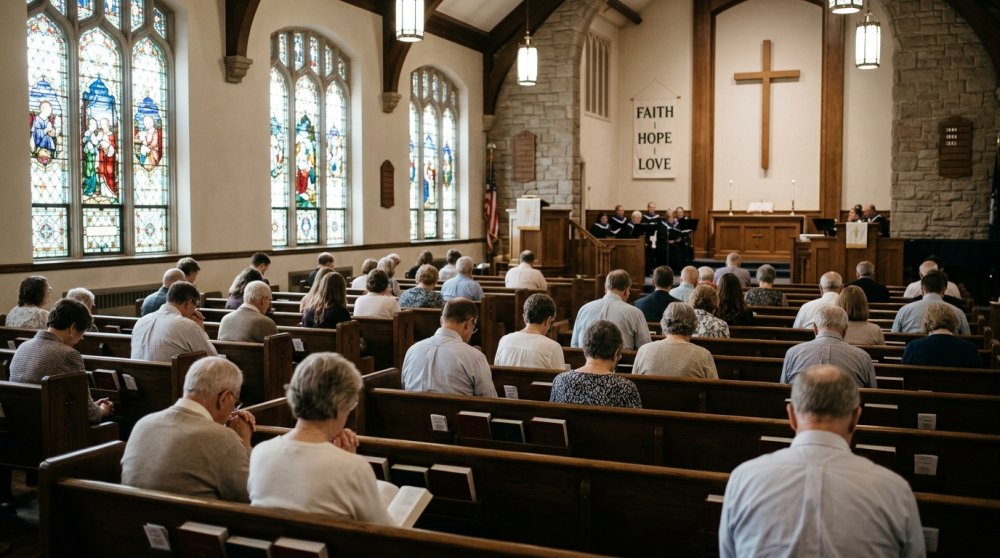
Too often, outward expressions of enthusiasm are mistaken for spiritual maturity. But God looks at the heart, not whether we’re standing, sitting or raising our hands, says Dawn Butler.
“God looks at the heart, not whether we’re standing, sitting or raising our hands,”
Churches across America have seen a growing emphasis on physical expressions during worship. This trend can unintentionally pressure believers who prefer quieter reverence. The result is that some faithful Christians feel judged for their personal style of worship.
“Too often, outward expressions of enthusiasm are mistaken for spiritual maturity.”
True worship flows from a surrendered heart that seeks to honor God in every area of life. Scripture consistently points to inward devotion rather than external performance. When congregations focus on visible actions, they risk overlooking the quiet strength of those who serve faithfully in the background.
Christian liberty allows room for both raised hands and bowed heads. The key is whether each believer approaches the Lord with reverence and sincerity. Families benefit when churches encourage unity over uniformity in worship practices.
“God looks at the heart, not whether we’re standing, sitting or raising our hands.”
Let us know what you think, please share your thoughts in the comments below.


-

 Self-Reliance2 years ago
Trump’s Bold Move Uncovers Massive Social Security Fraud
-

 Faith2 years ago
New Clues Emerge in Noah’s Ark Mystery
-

 News2 years ago
Governor Walz’s Rhetoric Sparks National Controversy
-

 News2 years ago
Mel Gibson’s ‘The Passion of the Christ’ Sequel Title Announced
-

 Family2 years ago
Texas Lawmaker Targets Furries in Schools
-

 Freedom2 years ago
Maine Lawmaker Challenges Sports Fairness Controversy
-

 Family1 year ago
Canada’s Controversial Policy Sparks Ethical Debate
-
Faith11 months ago
Congress Hears Pleas for Nigerian Christians