
Faith
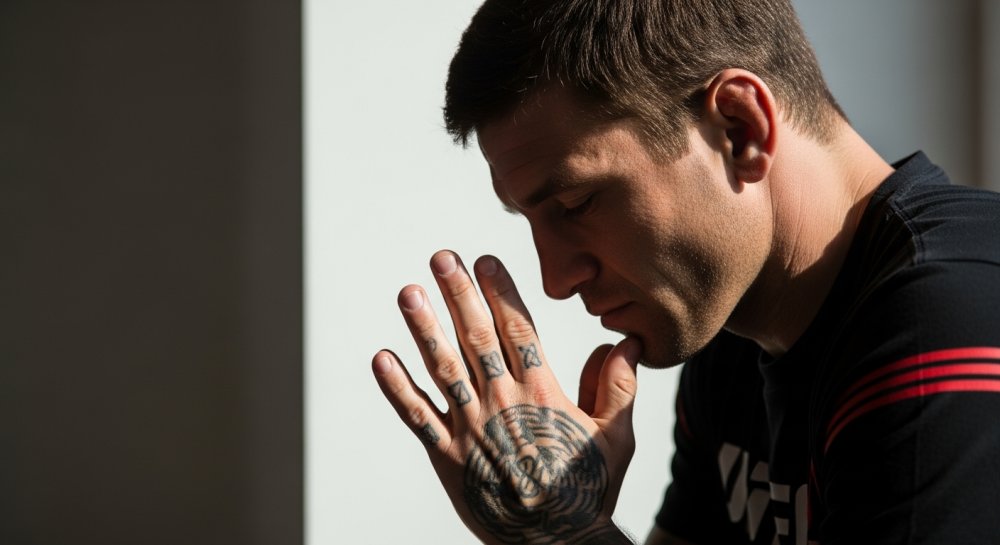
UFC Star Makes Powerful Faith Declaration After Devastating Loss

Faith Facts
- Conor McGregor publicly declared complete confidence in God following his UFC defeat
- The professional fighter vowed to attend church after the weekend loss
- McGregor’s spiritual response contrasts with typical reactions to athletic defeat
Professional fighter Conor McGregor turned to faith following a bruising defeat over the weekend, making a public declaration that has resonated with believers around the world. The UFC star’s spiritual response offers a powerful reminder that even in moments of physical defeat, victories of the soul matter most.
After suffering the loss, McGregor took to social media to share his heart with fans. His words reflected a humble acknowledgment of God’s sovereignty over all aspects of life, including the ups and downs of athletic competition.
“I have complete confidence in God,” McGregor declared, demonstrating the kind of unwavering faith that transcends circumstances.
The fighter also made a specific commitment that many Christians will find encouraging. McGregor vowed to attend church, recognizing the importance of corporate worship and spiritual community during difficult seasons.
This public profession of faith stands in stark contrast to the typical responses seen in professional sports, where defeat often leads to anger, excuses, or despair. Instead, McGregor’s words point to a deeper understanding that our ultimate identity and worth come not from victories in the ring, but from our relationship with the Almighty.
For Christian fans of mixed martial arts, McGregor’s statement provides an opportunity to pray for the fighter’s continued spiritual journey. Whether this represents a renewed commitment to faith or a turning point in his spiritual walk, believers can take encouragement from seeing a public figure acknowledge God’s authority in both triumph and defeat.
The response also highlights an important biblical principle: that God can use all circumstances, including defeats and setbacks, to draw people closer to Him. As Romans 8:28 reminds us, God works all things together for good for those who love Him and are called according to His purpose.
McGregor’s willingness to be vulnerable about his faith in a public arena known for bravado and self-promotion demonstrates a different kind of courage—one that many Christian athletes navigate daily. His declaration may inspire other athletes to speak more openly about their own faith journeys.
As believers, we can appreciate when anyone, regardless of their background or profession, turns their eyes toward God. Prayer, church attendance, and public declarations of faith are all steps in the right direction for anyone seeking to know the Lord more deeply.
Let us know what you think, please share your thoughts in the comments below.


Faith Facts
- Shannon Bream was live on air when an assassination attempt was made against President Donald Trump.
- She prayed silently for safety and clarity while reporting the unfolding chaos.
- Bream has described this as the most challenging story she has ever covered.
Christian broadcast journalist Shannon Bream recently shared the harrowing details of the moment she found herself reporting live on the assassination attempt against President Donald Trump. She described the intense pressure of staying composed while the nation watched in real time.
During the broadcast, Bream kept a private prayer on her heart, asking God for protection and wisdom amid the confusion. Her candid reflection highlights the spiritual strength many believers draw upon when facing unexpected trials.
“It was one of those moments where you just have to lean on faith and keep going,”
she noted, emphasizing how prayer became her anchor in the storm. Colleagues and viewers alike have praised her steady professionalism under fire.
Bream’s experience serves as a reminder that even seasoned professionals in the public eye must rely on God’s guidance during crises. Her testimony encourages Christians to remain steadfast in prayer regardless of the circumstances.
Let us know what you think, please share your thoughts in the comments below.
Faith Facts
- Author and Messianic rabbi Jonathan Cahn identifies the violent incident as part of a larger spiritual battle described in his latest book.
- Cahn connects the attack to patterns he has long warned about in Scripture and current events.
- The rabbi sees the encounter as confirmation that biblical warnings remain relevant today.
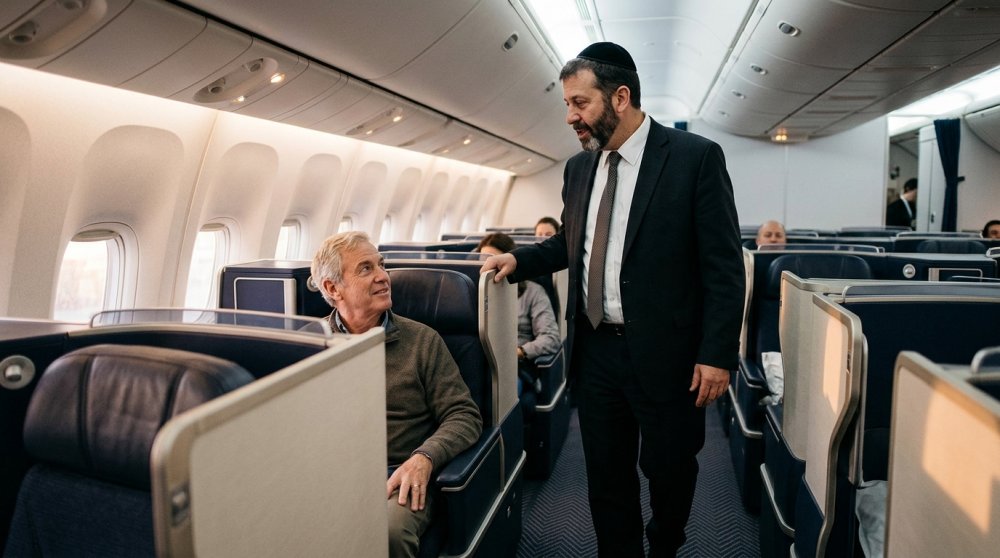
Author and Messianic rabbi Jonathan Cahn says a violent encounter with a fellow passenger sitting in first class on an American Airlines flight earlier this month bore an uncanny resemblance to events in his latest book.
The incident prompted him to reflect on what he believes was a spiritual battle unfolding in real time.
“I saw something that looked exactly like what I had written,” Cahn stated.
“It was as if the pages had come to life right in front of me.”
Cahn has built his ministry around connecting ancient biblical patterns to modern headlines, urging believers to stay alert to spiritual realities.
His latest work continues that theme, warning readers that the forces at work in Scripture are still active in our culture today.
Let us know what you think, please share your thoughts in the comments below.
Faith Facts
- The Evangelical Alliance reports evidence of spiritual renewal across the United Kingdom.
- Phil Knox, the Evangelical Alliance’s head of evangelism, identifies five key indicators pointing to church growth and revival.
- Christian leaders are emphasizing faith, family, and freedom as central pillars in Britain’s changing religious landscape.
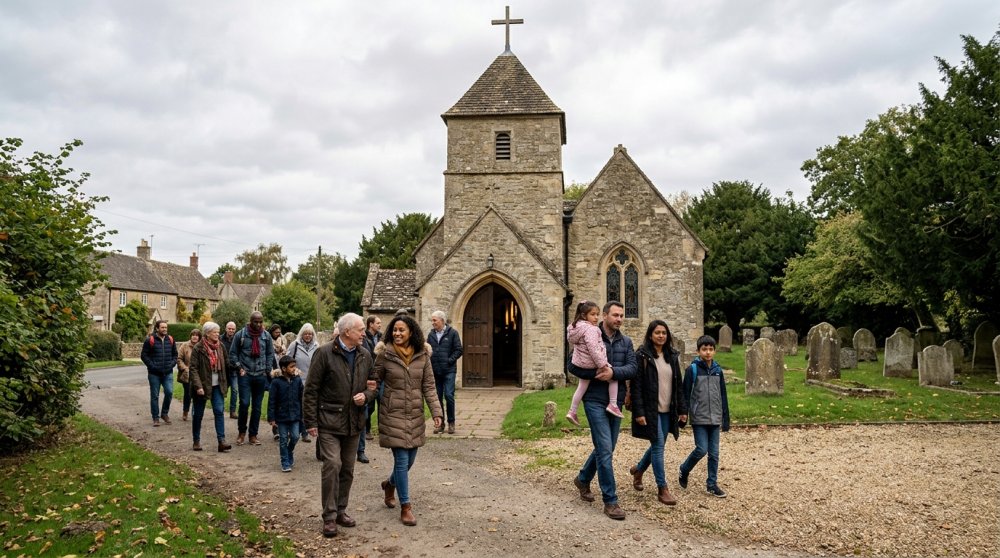
Christian leaders across the United Kingdom are reporting encouraging signs of spiritual renewal even as the nation faces economic pressures and cultural shifts.
The Evangelical Alliance has published an analysis by Phil Knox that outlines five clear reasons for believing that the British Church is entering a season of spiritual springtime.
Knox argues that despite decades of decline, recent data and local church reports show renewed interest in the Gospel among young people and families seeking moral grounding.
“Renewal is here,” Knox declares in the opening of his assessment for the Evangelical Alliance.
Church attendance figures in several regions have stabilized, and new congregations are forming in urban and rural communities alike.
Knox points to a growing hunger among British citizens for authentic community and biblical truth in an age of digital isolation and moral confusion.
“The UK Church is not finished; it is being refined,” he writes, underscoring that faithful congregations are experiencing both numerical and spiritual growth.
Christian families are increasingly turning to local fellowships for support, discipleship, and a return to traditional values rooted in Scripture.
“We are witnessing a quiet but powerful move of God that is strengthening the foundations of the Church,” Knox concludes.
Let us know what you think, please share your thoughts in the comments below.


-

 Self-Reliance1 year ago
Trump’s Bold Move Uncovers Massive Social Security Fraud
-

 Faith1 year ago
New Clues Emerge in Noah’s Ark Mystery
-

 News2 years ago
Governor Walz’s Rhetoric Sparks National Controversy
-

 News1 year ago
Mel Gibson’s ‘The Passion of the Christ’ Sequel Title Announced
-

 Family1 year ago
Texas Lawmaker Targets Furries in Schools
-

 Freedom1 year ago
Maine Lawmaker Challenges Sports Fairness Controversy
-

 Family1 year ago
Canada’s Controversial Policy Sparks Ethical Debate
-
Faith10 months ago
Congress Hears Pleas for Nigerian Christians