
Faith
U.S. House Targets Nigerian Christian Persecution

Faith Facts
- U.S. lawmakers introduced the Nigeria Religious Freedom and Accountability Act to enhance oversight of religious freedom in Nigeria.
- The bill mandates annual U.S. reports on Nigeria’s efforts to protect vulnerable Christians and other minorities from violence.
- Christian lawmakers cite ongoing attacks by extremist groups and urge accountability from the Nigerian government.
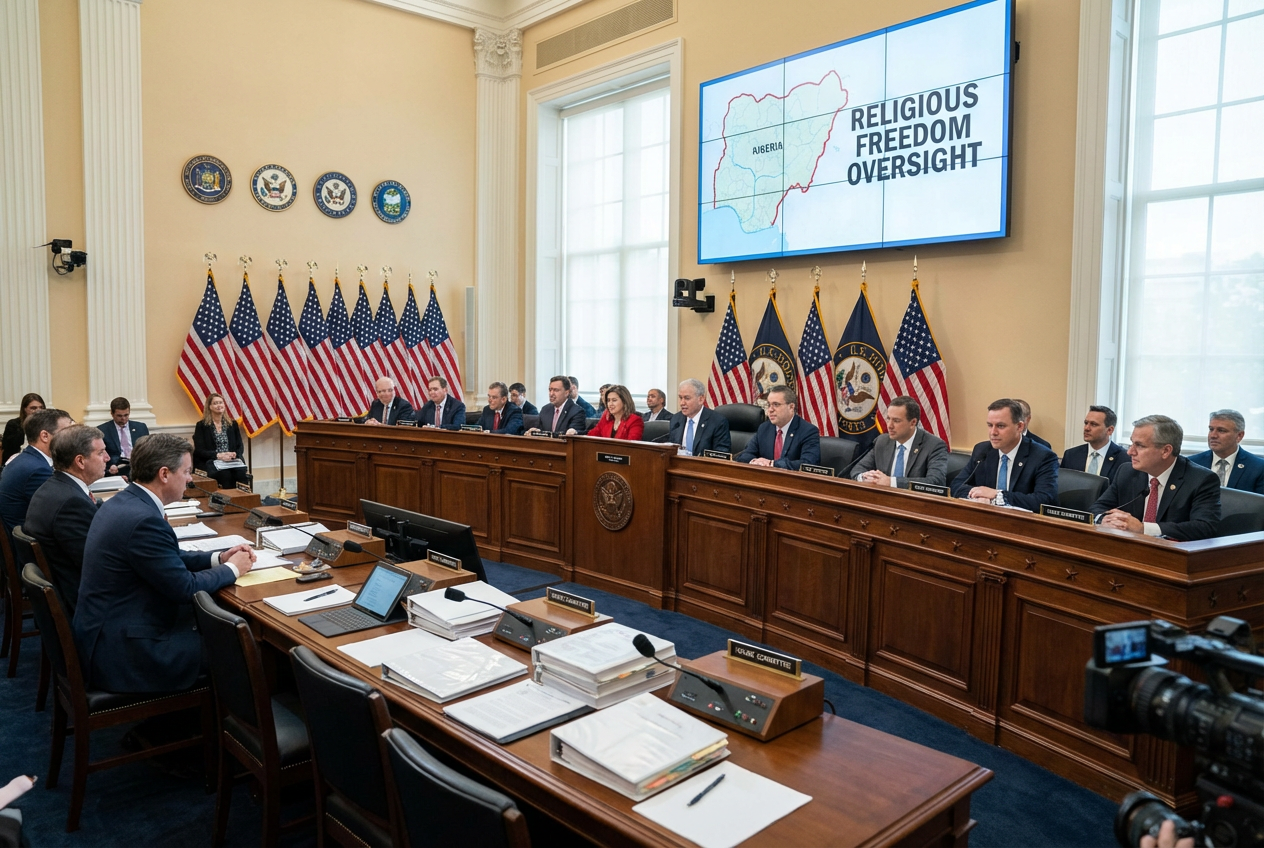
Patriotic leaders in Congress are standing up for Christians facing violence in Nigeria by advancing the Nigeria Religious Freedom and Accountability Act. This bold step requires the U.S. government to report annually on Nigeria’s efforts to protect religious liberty and punish those promoting hatred.
“For years, Christians in Nigeria have faced unspeakable violence — churches burned, villages destroyed, families slaughtered — while the global community looked away,” Rep. Riley Moore said, affirming the need for U.S. action.
Rep. Chris Smith emphasized America’s responsibility to defend religious freedom abroad, especially where extremist groups target believers. The bill also aims to hold Nigerian leaders accountable, with measures that could include targeted visa bans.
Extremist groups like Boko Haram and ISWAP have long persecuted Christian and Muslim communities alike, but Christian villages are often hit hardest. Recent tragic attacks have devastated families and churches across northern and central Nigeria.
President Trump took significant steps to spotlight Christian persecution, redesignating Nigeria as a “Country of Particular Concern” and launching airstrikes to combat Islamic extremists.
“The United States has a responsibility to do its due diligence in ensuring that the Nigerian government is taking the proper steps to address and punish the systemic violence against Christians and non-radical Muslims by Islamist extremists, such as Boko Haram and Fulani terrorists,” Smith said.
If enacted, this legislation will require America’s leaders to consistently advocate for Nigeria’s persecuted faithful and ensure that defending religious freedom remains a priority.
Join us in praying for Nigeria’s Christians and urging our leaders to strengthen protections for believers worldwide.


Faith Facts
- Nine relatives of Nigerian Pastor Ezekiel Dachomo were brutally murdered in recent attacks in Nigeria’s Middle Belt region
- The pastor had previously warned that “fear has become a way of life” for Christians living under constant threat of violence
- The United States has officially condemned the killings, highlighting the ongoing persecution of Christians in the region
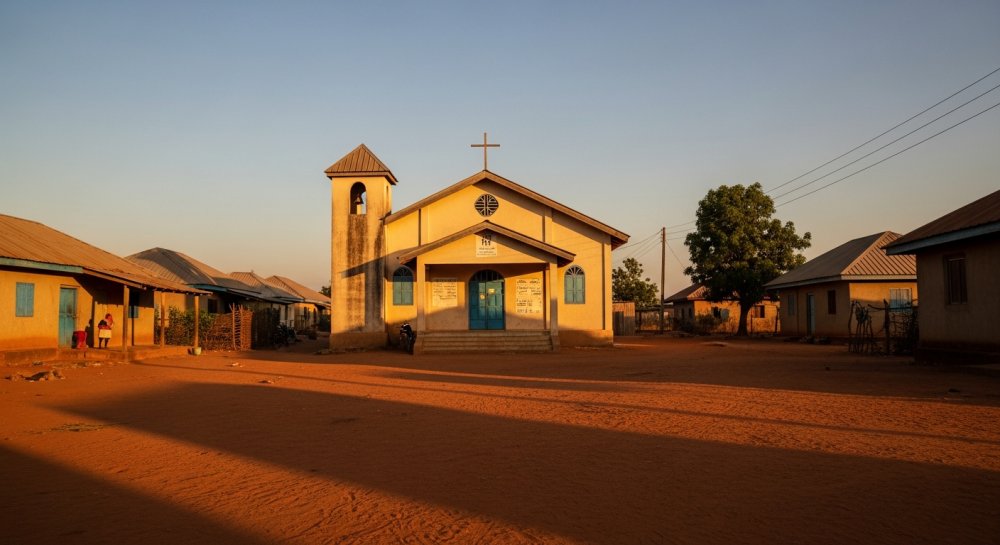
The brutal murder of nine family members belonging to a Nigerian pastor has drawn international condemnation and renewed attention to the escalating violence against Christians in Africa’s most populous nation. Rev. Ezekiel Dachomo had previously sounded the alarm about the deteriorating security situation facing believers in Nigeria’s Middle Belt.
The United States government issued a formal condemnation of the killings, which targeted the family of Pastor Dachomo in what has become a tragically common pattern of violence in the region. The pastor’s earlier warnings have proven prophetic as Christian communities continue to face relentless attacks.
“Fear has become a way of life,” Pastor Dachomo had warned before the massacre of his own relatives, describing the daily reality for Christians in Nigeria’s Middle Belt region. His words now carry the weight of devastating personal loss.
The Middle Belt of Nigeria has become a dangerous flashpoint where Christian farming communities face ongoing attacks from militant groups. These attacks have resulted in thousands of deaths and displaced countless families who are forced to flee their ancestral lands. The violence has created a humanitarian crisis that international observers have increasingly characterized as a systematic campaign against Christian populations.
Religious freedom advocates have long called for greater international pressure on the Nigerian government to protect vulnerable Christian communities. The killing of Pastor Dachomo’s family members represents yet another tragedy in what many describe as a persecution crisis that demands urgent global attention and action.
The attack on the pastor’s family underscores the personal cost of speaking out about Christian persecution. Despite the risks, faithful leaders like Rev. Dachomo continue to raise their voices, calling the world’s attention to the suffering of their communities. Their courage in the face of such threats stands as a testament to unwavering faith under fire.
American Christian leaders and human rights organizations are calling on the U.S. government to take stronger action to protect religious minorities in Nigeria. They argue that condemnations, while important, must be followed by meaningful diplomatic and economic pressure to compel the Nigerian government to fulfill its responsibility to protect all its citizens regardless of their faith.
Let us know what you think, please share your thoughts in the comments below.
Faith Facts
- July 25th marks the Feast of St. James, honoring James the Greater, one of Jesus Christ’s original twelve apostles
- Santiago de Compostela in Galicia, Spain is believed to be the burial site of St. James and has been a Christian pilgrimage destination for over 1,000 years
- The region of Galicia offers faithful travelers a chance to walk in the footsteps of ancient Christian pilgrims while experiencing authentic Spanish culture
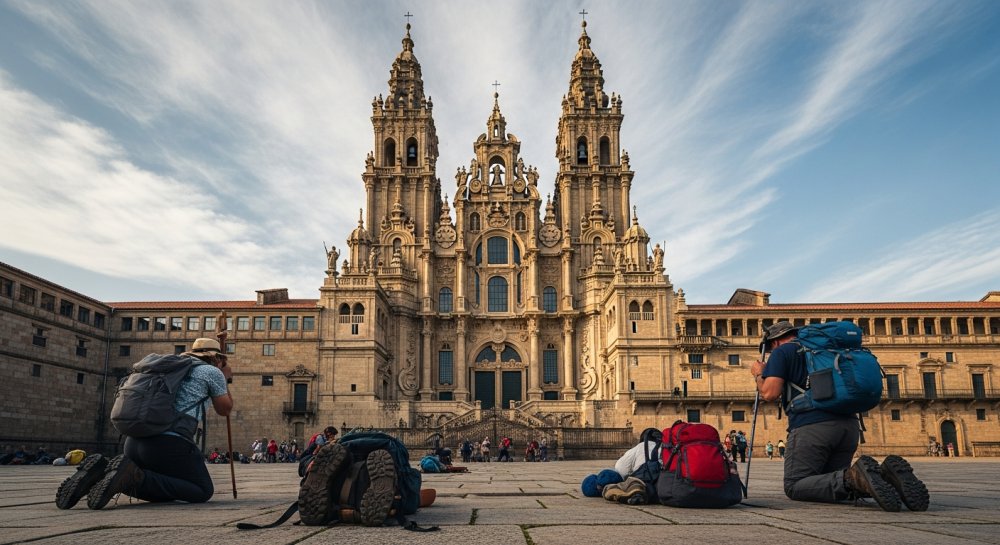
For centuries, faithful Christians have journeyed to Santiago de Compostela, the legendary resting place of St. James the Greater. But while this sacred city draws millions of pilgrims each year, the broader Galicia region remains a treasure waiting to be discovered by believers seeking a deeper connection to Christian history.
The Feast of St. James, celebrated yesterday by many Christians worldwide, honors one of Jesus Christ’s closest followers. James the Greater walked alongside our Lord during His earthly ministry, witnessed the Transfiguration, and ultimately gave his life for the Gospel, becoming the first apostle to be martyred.
According to Christian tradition, after his martyrdom in Jerusalem around 44 A.D., St. James’s remains were transported to the northwestern corner of Spain. This act of devotion established Galicia as one of Christianity’s most important pilgrimage sites, alongside Jerusalem and Rome.
Today, the famous Camino de Santiago draws pilgrims from around the world who walk hundreds of miles to reach the saint’s shrine. Yet many travelers miss the opportunity to explore the surrounding Galician countryside, where ancient churches, monasteries, and Christian communities have preserved the faith for generations.
The region’s rugged coastline, Celtic heritage, and traditional values offer Christian families an alternative to Europe’s increasingly secularized tourist destinations. Small villages throughout Galicia maintain strong ties to their Catholic roots, with local festivals and traditions centered around the Christian calendar.
For American Christians planning a faith-based journey, Galicia presents an opportunity to step beyond the well-trodden tourist paths. The region’s commitment to preserving its Christian heritage stands as a reminder of Europe’s once-strong faith foundations.
From the stunning Ribeira Sacra with its canyon monasteries to the coastal town of Finisterre—once believed to be the “end of the world”—Galicia invites believers to reflect on the sacrifice of St. James and the countless Christians who have walked these paths before.
Whether walking the Camino or exploring the region’s historic churches, visitors can experience a living connection to the apostolic age when men like James the Greater carried the Gospel to the ends of the earth, often at the cost of their lives.
Let us know what you think, please share your thoughts in the comments below.
Faith Facts
- Finnish MP Päivi Räsänen filed an appeal to the European Court of Human Rights after being convicted for expressing Christian beliefs in a 2004 church booklet
- Räsänen, a former interior minister, was found guilty for quoting the Bible and affirming traditional Christian teaching on marriage and sexual ethics
- The case represents a growing threat to religious freedom across Europe as believers face legal penalties for expressing Biblical truth
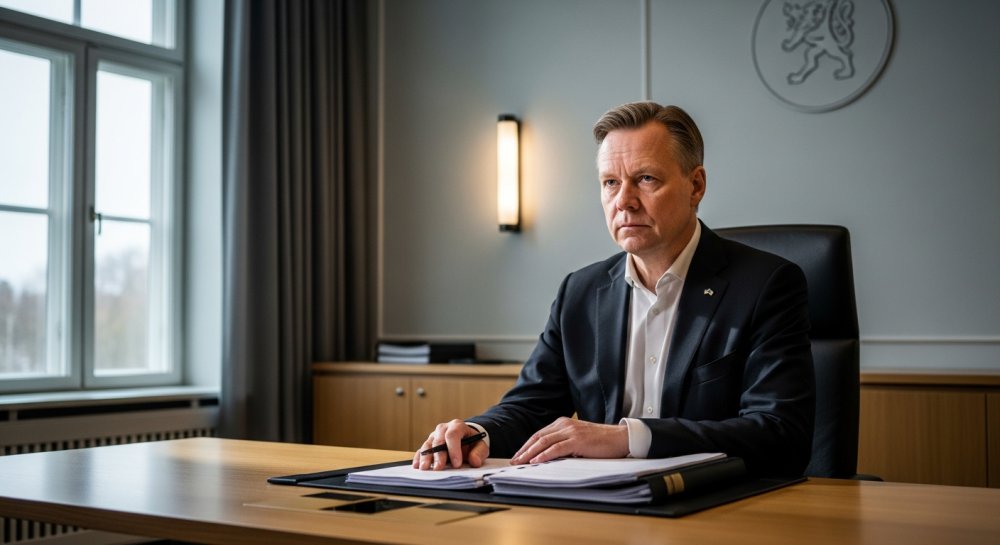
A Finnish member of parliament is taking her fight for religious freedom to Europe’s highest court after being convicted for simply expressing what the Bible teaches. Päivi Räsänen, who also served as Finland’s interior minister, filed an appeal to the European Court of Human Rights this week following her March conviction.
The charges stem from a 2004 church booklet in which Räsänen articulated traditional Christian beliefs about marriage and sexual ethics. For over two decades, these Biblical teachings were uncontroversial—until prosecutors decided to charge her with a crime for her faith.
Räsänen’s case has become a flashpoint in the global battle over religious liberty. Christians across Europe and America are watching closely as governments increasingly punish believers for refusing to abandon Biblical truth. What was once considered a fundamental human right—the freedom to believe and speak according to one’s faith—is now being treated as criminal behavior in nations that once championed liberty.
The former cabinet minister has faced years of legal persecution for her unwavering commitment to Scripture. Despite the personal and professional costs, she has refused to recant her Christian convictions. Her courage stands as a testimony to believers everywhere facing similar pressure to compromise their faith.
This appeal to the European Court of Human Rights represents what may be one of the most significant religious freedom cases in modern European history. The outcome will likely set precedent for how governments across the continent treat Christians who hold to Biblical teaching on marriage and sexuality.
American Christians should pay close attention to Räsänen’s case. The same forces seeking to silence her are active in the United States, working to criminalize Biblical truth and marginalize faithful believers. What happens in Finland today could come to America’s shores tomorrow if we fail to defend religious liberty vigilantly.
Räsänen’s steadfast defense of Scripture demonstrates the kind of courageous faith needed in this hour. She has chosen to stand on God’s Word regardless of the cost, trusting that truth will ultimately prevail over ideological tyranny. Her witness challenges all believers to consider what price they are willing to pay to remain faithful to Christ.
The European Court of Human Rights now faces a critical decision: Will it uphold the fundamental right to religious freedom, or will it endorse the persecution of Christians for their beliefs? The court’s ruling will reveal whether Europe still values the liberty upon which Western civilization was built.
Let us know what you think, please share your thoughts in the comments below.


-

 Self-Reliance1 year ago
Trump’s Bold Move Uncovers Massive Social Security Fraud
-

 Faith1 year ago
New Clues Emerge in Noah’s Ark Mystery
-

 News1 year ago
Governor Walz’s Rhetoric Sparks National Controversy
-

 News1 year ago
Mel Gibson’s ‘The Passion of the Christ’ Sequel Title Announced
-

 Family1 year ago
Texas Lawmaker Targets Furries in Schools
-

 Freedom1 year ago
Maine Lawmaker Challenges Sports Fairness Controversy
-

 Family1 year ago
Canada’s Controversial Policy Sparks Ethical Debate
-
Faith8 months ago
Congress Hears Pleas for Nigerian Christians