
News
Trump’s Bold Plan for a New Missile Defense

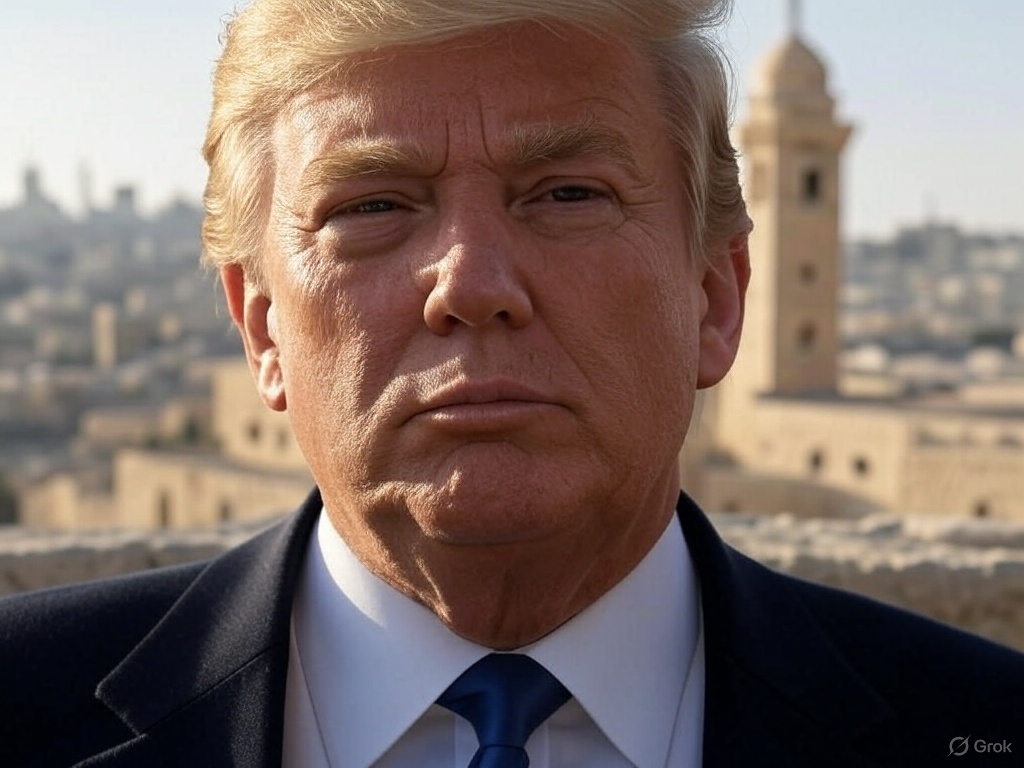
In a bold move to fortify America’s defenses, President Donald Trump has championed the creation of a “Golden Dome” missile defense system, inspired by Israel’s successful Iron Dome. This initiative underscores the administration’s unwavering commitment to protecting American citizens in an increasingly perilous world. As President Trump declared, “This is a very dangerous world. We’re going to protect our citizens like never before.”
The vision for the Golden Dome is ambitious, aiming to shield the nation from a spectrum of threats, including ballistic missiles, hypersonic weapons, and drone swarms. By signing an executive order in January 2025, President Trump has tasked the Department of Defense with the crucial mission of developing and deploying this advanced missile defense shield.
This project has garnered significant support from defense contractors, notably Lockheed Martin, which has already showcased a promotional video highlighting the Golden Dome’s potential to secure America’s future. The scale of this endeavor is immense, likened by General Michael Guetlein, vice chief of space operations for the U.S. Space Force, to the historic Manhattan Project due to the extensive coordination and resources it demands.
Unlike Israel’s Iron Dome, which is tailored for short-range threats over small areas, the Golden Dome must cover the vast expanse of the United States. This necessitates the integration of cutting-edge technologies, including space-based sensors and interceptors, to ensure comprehensive nationwide protection.
While the initiative is promising, it is not without its challenges. Concerns have been raised by Senator Maria Cantwell regarding the potential sale of wireless spectrum currently held by the Pentagon. She cautions that such sales could compromise national security by affecting critical radar systems essential for the Golden Dome’s effectiveness.
Despite these potential obstacles, the Trump administration remains resolute in its pursuit of the Golden Dome project, recognizing it as a crucial measure to safeguard the nation from evolving threats. This initiative reflects a steadfast dedication to preserving the safety and freedom of American citizens, rooted in the principles of faith and patriotism that define our great nation.
Let us know what you think, please share your thoughts in the comments below.


Faith Facts
- Six Christians were killed while mourning a loved one at a Greek Orthodox church in Jordan.
- The attack took place in a nation long praised for its peace between faiths.
- Twenty-eight believers were also wounded in the gunfire.
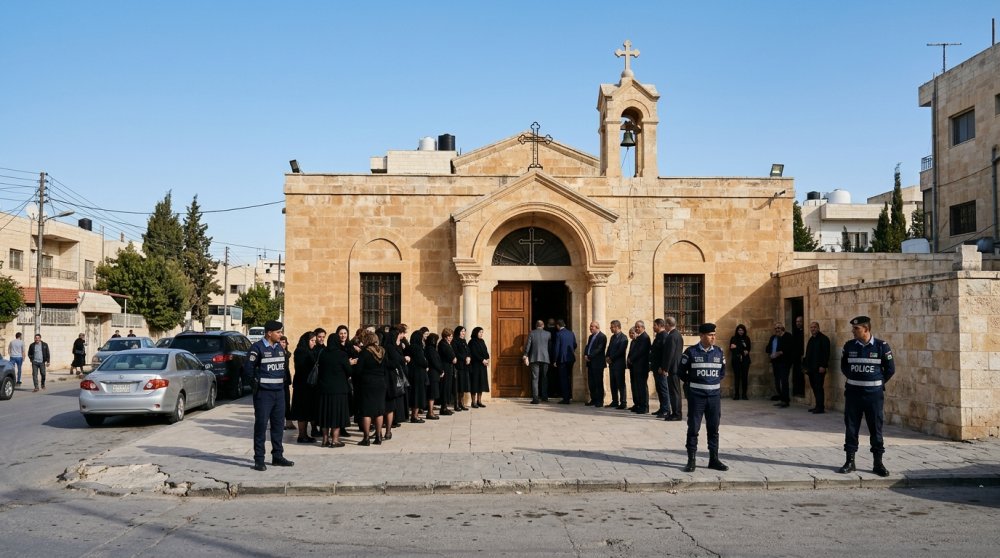
In a rare attack in a country known for peaceful inter-faith coexistence, suspected armed Islamic extremists attacked a funeral at a Greek Orthodox church in Jordan on Friday (Oct. 23), killing at least six people and wounding 28 others, according to reports.
The violence struck worshipers gathered to honor the dead, turning a sacred moment of grief into one of terror.
Local authorities have not released the names of the victims, but the community is already mourning its loss.
Let us know what you think, please share your thoughts in the comments below.
Faith Facts
- Danny Burmawi converted to Christianity while living in Jordan and faced death threats from his own family.
- After fleeing to Lebanon in 2009, he now travels to the United States to warn Western churches about radical Islam.
- His brother threatened to behead him if he ever returned home, highlighting the severe persecution faced by Muslim converts to Christ.
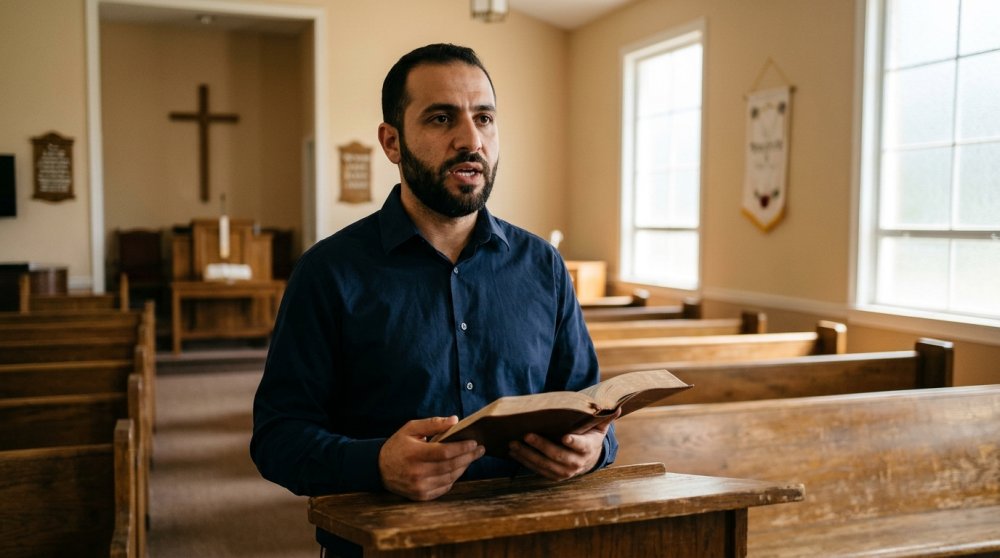
Danny Burmawi knows the cost of following Jesus. Raised in a Muslim family in Jordan, he made the decision to surrender his life to Christ and immediately became a target for violence.
His own brother threatened to behead him if he ever returned home. In 2009, Burmawi fled to Lebanon, where he began rebuilding his life away from the constant fear of honor killing.
Today he travels across the United States with a clear mission. He is sounding the alarm to American churches about the true nature of radical Islam and the spiritual battle unfolding in the West.
“I was afraid I would be killed for leaving Islam.”
Burmawi speaks from firsthand experience. He understands the doctrines that fuel persecution and the urgency for Christians in free nations to wake up before the same threats reach their own communities.
“Now he comes to the United States with a warning to Western Christians.”
His testimony is a call to prayer, vigilance, and bold faith. American believers are being challenged to stand firm for truth while there is still time to defend religious liberty and the Gospel.
Let us know what you think, please share your thoughts in the comments below.
Faith Facts
- Six young Christian men were arrested in Egypt for posting a TikTok video authorities deemed offensive to Islam.
- Egyptian officials continue to enforce strict blasphemy laws that disproportionately affect religious minorities.
- Believers worldwide are called to stand firm in faith amid rising persecution.
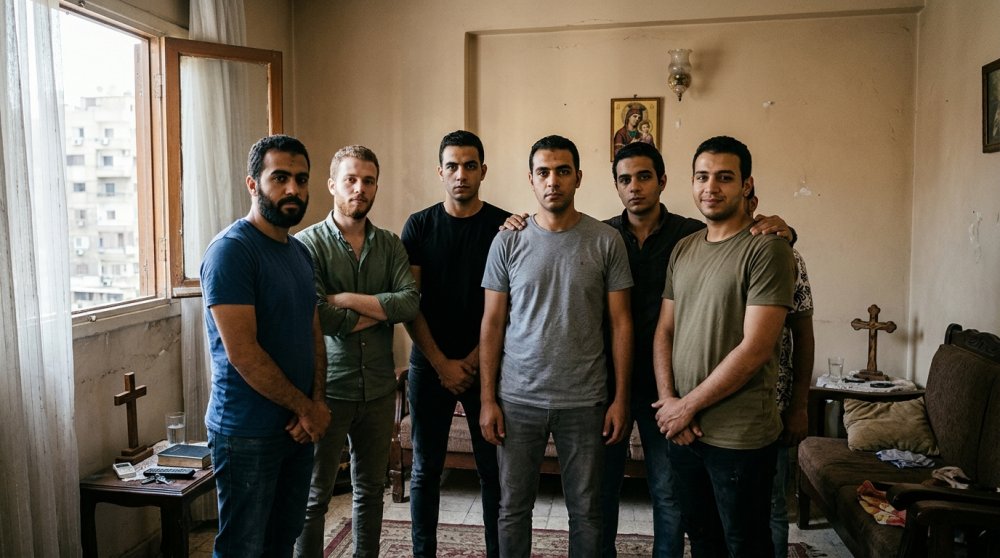
Six young Christian men in Egypt were taken into custody after posting a short video on TikTok. Authorities claimed the content insulted Islam.
The arrests highlight the ongoing pressure faced by Egypt’s Christian community. Christians make up roughly ten percent of the population and often encounter legal and social obstacles.
Local reports indicate the video was filmed privately and shared among friends before authorities intervened. No evidence of intent to incite violence has been presented.
“We are concerned that these young men are being targeted simply for their faith,”
“Such actions create an atmosphere of fear for believers who wish to express themselves online,”
Advocates for religious freedom note that blasphemy cases in Egypt frequently lack transparency and due process. Families of the detained men are seeking legal counsel and prayer support.
International Christian groups are urging the Egyptian government to uphold constitutional guarantees of religious liberty. They stress the importance of protecting minority rights in a nation striving for stability.
Let us know what you think, please share your thoughts in the comments below.


-

 Self-Reliance2 years ago
Trump’s Bold Move Uncovers Massive Social Security Fraud
-

 Faith2 years ago
New Clues Emerge in Noah’s Ark Mystery
-

 News2 years ago
Governor Walz’s Rhetoric Sparks National Controversy
-

 News2 years ago
Mel Gibson’s ‘The Passion of the Christ’ Sequel Title Announced
-

 Family2 years ago
Texas Lawmaker Targets Furries in Schools
-

 Freedom2 years ago
Maine Lawmaker Challenges Sports Fairness Controversy
-

 Family1 year ago
Canada’s Controversial Policy Sparks Ethical Debate
-
Faith11 months ago
Congress Hears Pleas for Nigerian Christians