
Faith
Thousands Gather for Prayer as America Stands at Historic Crossroads

Faith Facts
- Thousands of Christians assembled on the National Mall Sunday for the Rededicate 250 gathering, seeking national spiritual renewal ahead of America’s 250th anniversary.
- Attendees expressed unified hope for a cultural shift returning America to its foundational Christian values and principles.
- The historic prayer and worship event marks a pivotal moment as believers across the nation call for divine intervention in American society.
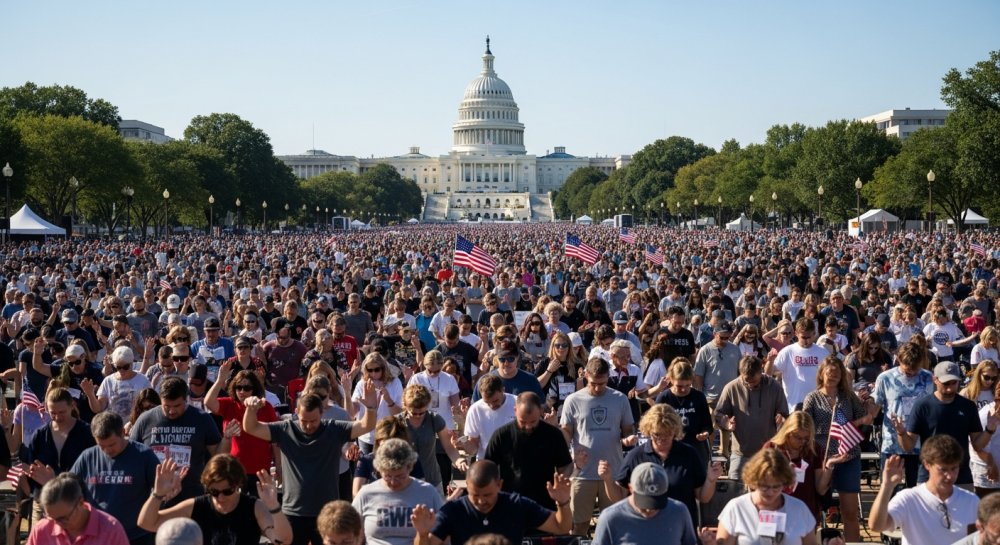
A powerful wave of faith swept across Washington, D.C. this Sunday as thousands of Christians converged on the National Mall for a transformative day of national prayer and worship. The Rededicate 250 gathering comes at a crucial moment in American history, as the nation prepares to mark the 250th anniversary of the Declaration of Independence.
Believers from across the country stood together in unified purpose, lifting their voices in prayer for spiritual awakening and cultural transformation. The atmosphere reflected both reverence for America’s founding principles and urgent intercession for the nation’s future.
Attendees spoke with conviction about their belief that America stands at a historic crossroads. Many expressed that the gathering represented more than just a commemorative event—it signaled a spiritual turning point for the nation.
The timing of the event carries profound significance as Americans increasingly recognize the need to return to the biblical foundations upon which the nation was established. Participants gathered not merely to remember history, but to actively seek God’s hand in redirecting the country’s path.
The National Mall, long a symbol of American democracy and a gathering place for movements that shaped the nation, once again became sacred ground. Christians assembled there understood they were standing where countless others had stood before them, seeking to preserve and restore the freedoms that make America exceptional.
The Rededicate 250 gathering represents a grassroots movement of believers who refuse to remain silent as traditional American values face unprecedented challenges. Their presence on the National Mall sent a clear message that faith still matters in America, and that Christians are committed to seeing their nation restored to its founding principles.
As the 250th anniversary of American independence approaches, this historic gathering may well be remembered as a watershed moment—a time when God’s people chose to stand together, pray boldly, and believe that the best days for faith, family, and freedom in America are still ahead.
Let us know what you think, please share your thoughts in the comments below.

Faith Facts
- Vice President JD Vance credits his faith for guiding his political service and life decisions.
- Vance says he has not yet felt a divine call to pursue the presidency in 2028.
- He remains open to the possibility that God may lead him toward a future presidential campaign.
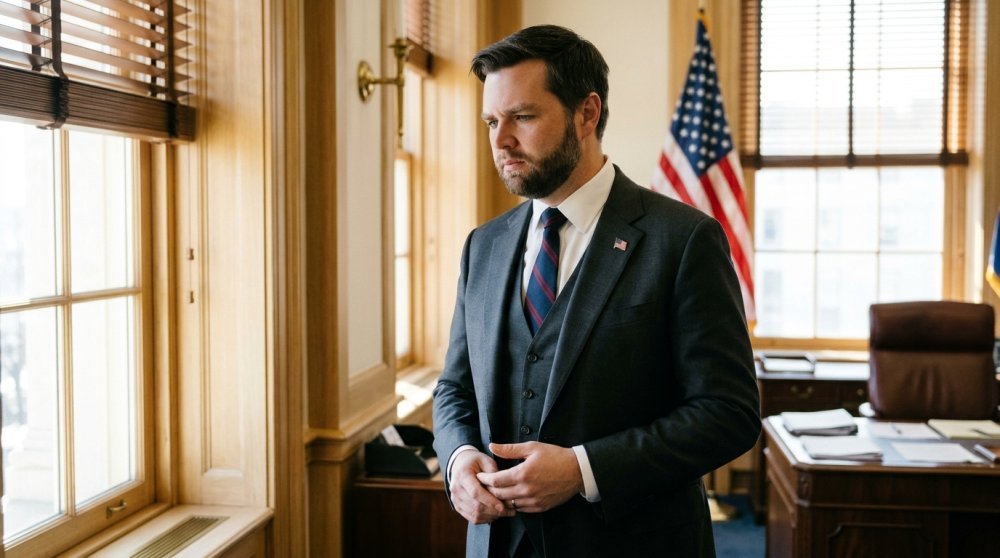
Vice President JD Vance has stated that his faith remains central to his decision-making as he weighs a potential 2028 presidential campaign. The Ohio senator-turned-vice president spoke candidly about how he continues to seek God’s direction before making major political moves.
Vance emphasized that he has not yet sensed a clear calling from God regarding a presidential run. He noted that this could change in time but stressed the importance of waiting for divine guidance.
“I haven’t yet felt God’s call for a presidential run in 2028,”
“Maybe that’ll change.”
Vance’s comments reflect a growing trend among conservative leaders who publicly acknowledge their dependence on prayer and Scripture when facing major career decisions. His approach resonates with many Americans who value leaders willing to submit their ambitions to God’s will.
The vice president also reflected on how his conversion to Christianity has shaped his worldview and public service. Vance has often spoken about the transformative power of faith in both his personal life and his political philosophy.
Let us know what you think, please share your thoughts in the comments below.
Faith Facts
- Vice President JD Vance led rally attendees in reciting the Lord’s Prayer when a woman collapsed nearby.
- The moment highlighted the continued presence of Christian faith in American public life and political gatherings.
- Vance personally left the stage to check on the woman after leading the prayer.
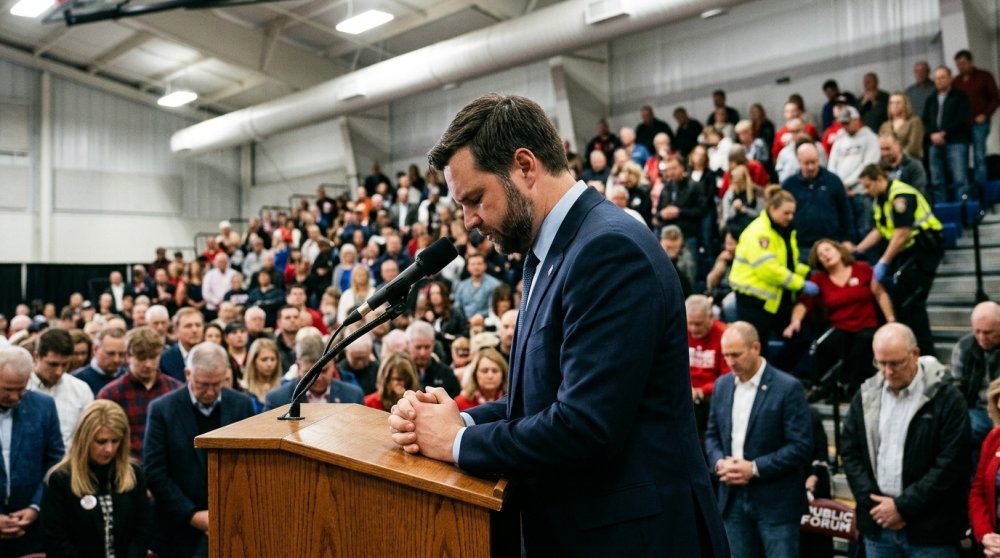
Vice President JD Vance paused a Nebraska campaign rally to lead the crowd in the Lord’s Prayer after a woman collapsed in the audience.
The incident took place during a live event where Vance addressed supporters and addressed policy issues.
“Pray as the Lord taught us to pray,” Vance said before leading the audience in the traditional prayer.
After finishing the prayer, Vance stepped down from the stage and made his way into the stands to personally check on the woman who had collapsed.
The spontaneous act of faith and compassion drew praise from attendees who witnessed the moment.
Let us know what you think, please share your thoughts in the comments below.
Faith Facts
- Oxford mathematician and Christian apologist Professor John Lennox encourages believers to share their faith with confidence.
- Lennox stresses that evangelism is not reserved only for preachers, theologians, or those with extensive biblical knowledge.
- Every Christian is called to be a witness for Christ in daily life.
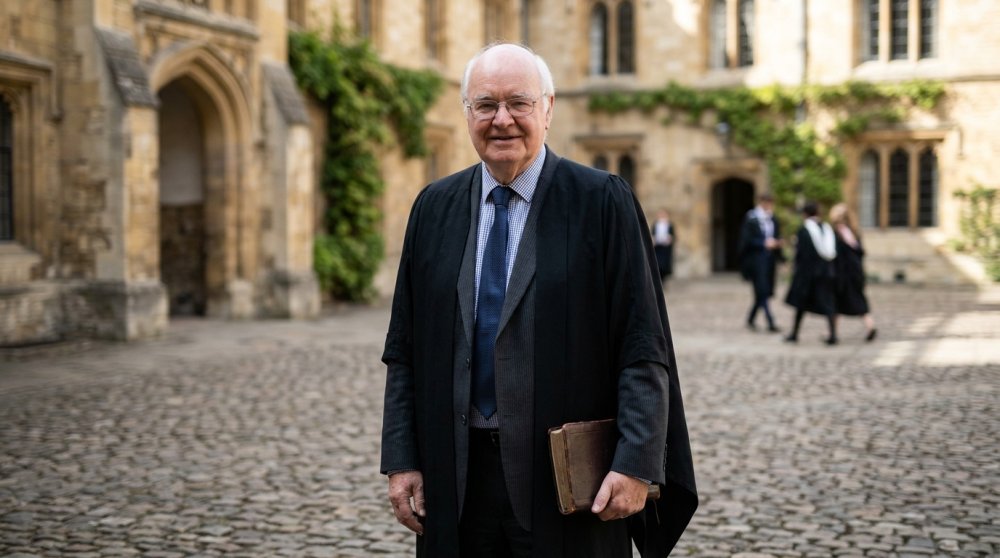
Oxford mathematician and Christian apologist Professor John Lennox is urging believers everywhere to share their faith with greater boldness and confidence. He reminds Christians that the call to witness is not limited to pastors or scholars but belongs to every follower of Christ.
“We’re all called to be witnesses,” Lennox declares. This simple truth challenges the idea that only trained experts can effectively share the gospel.
Professor Lennox emphasizes that evangelism is not about having every theological answer or delivering polished sermons. Instead, it is about living out and speaking the truth of Christ wherever God places His people.
His words come as a timely encouragement to Christians who may feel hesitant or unqualified to speak about their faith. Lennox points to the biblical calling that every believer is a witness, empowered by the Holy Spirit to share the hope within them.
Let us know what you think, please share your thoughts in the comments below.


-

 Self-Reliance2 years ago
Trump’s Bold Move Uncovers Massive Social Security Fraud
-

 Faith2 years ago
New Clues Emerge in Noah’s Ark Mystery
-

 News2 years ago
Governor Walz’s Rhetoric Sparks National Controversy
-

 News2 years ago
Mel Gibson’s ‘The Passion of the Christ’ Sequel Title Announced
-

 Family2 years ago
Texas Lawmaker Targets Furries in Schools
-

 Freedom2 years ago
Maine Lawmaker Challenges Sports Fairness Controversy
-

 Family1 year ago
Canada’s Controversial Policy Sparks Ethical Debate
-
Faith11 months ago
Congress Hears Pleas for Nigerian Christians