
Faith
The Vanishing Virtue America Once Held Sacred

Faith Facts
- America has transitioned from a Christendom-shaped culture into what some now call a post-post-Christian era
- Christians are called to actively restore virtue through their personal example and witness
- The restoration of virtue requires believers to embody the goodness they wish to see reflected in society
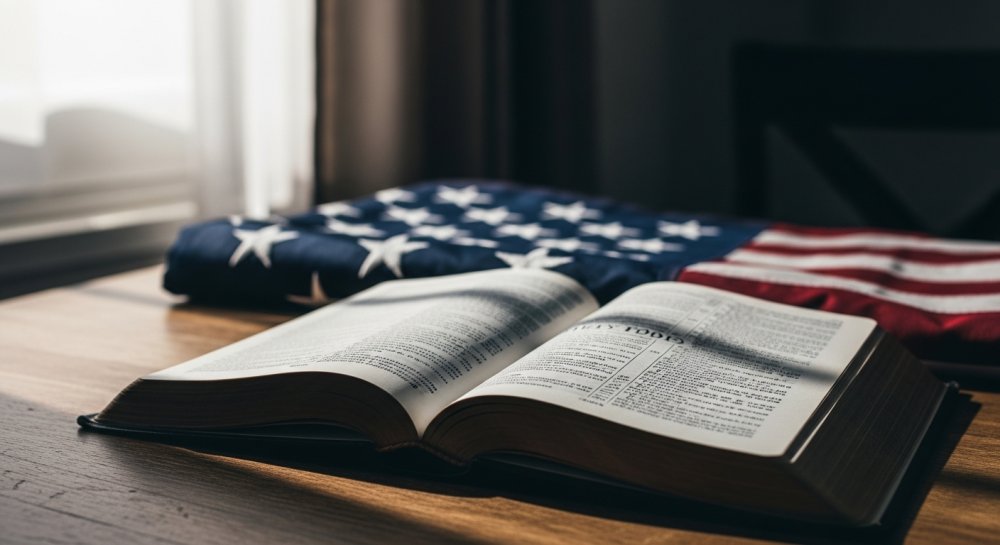
The cultural landscape of America has undergone a profound transformation. The Christian values and assumptions that once shaped the nation’s moral foundation have eroded, leaving behind what many now recognize as a post-Christian society—or worse, what some are calling a post-post-Christian era.
This shift represents more than just a change in religious affiliation statistics. It reflects a fundamental departure from the virtues that once guided American life—honesty, integrity, self-sacrifice, and the recognition of absolute moral truth rooted in Biblical principles.
For believers navigating this cultural moment, the challenge is clear: Christians must actively work to make virtue virtuous again. This isn’t about nostalgia for a bygone era, but about the timeless call to be salt and light in a world increasingly comfortable with moral relativism.
The apostle Peter’s words ring especially true today: “Live such good lives among the pagans that, though they accuse you of doing wrong, they may see your good deeds and glorify God on the day he visits us.” Virtue, in this context, becomes both witness and warfare—a tangible demonstration of the transformative power of the Gospel.
What does it mean to restore virtue in practical terms? It begins with individual Christians refusing to conform to the patterns of this world. It means demonstrating integrity in business dealings when shortcuts are readily available. It means choosing purity in an oversexualized culture. It means speaking truth with grace when lies are celebrated.
The family unit serves as ground zero for this restoration. Parents who model Christian virtue raise children who understand that character matters, that honor is real, and that living according to God’s design produces human flourishing—not the hollow promises of secular ideology.
Churches bear responsibility too. When congregations prioritize relevance over righteousness, or entertainment over exhortation, they fail in their mission to form disciples who can withstand cultural pressure. The church must be a place where virtue is not only taught but caught—where the beauty of holiness becomes attractive to a watching world.
The post-post-Christian era presents both crisis and opportunity. While the cultural supports for Christian morality have largely collapsed, the human heart’s hunger for meaning, purpose, and genuine goodness remains. People are desperate for authenticity in a world of performance and pretense.
This is where the Church can shine brightest—not through political power or cultural dominance, but through the quiet revolution of transformed lives. When Christians embody mercy, practice forgiveness, demonstrate sacrificial love, and maintain hope in dark times, they offer something the world cannot manufacture on its own.
The path forward requires courage. It’s easier to blend in, to remain silent, to avoid the cost of conviction. But followers of Jesus have always been called to a different way—a narrow path that leads to life, even when the broad road appears more appealing.
Making virtue virtuous again starts with each believer’s daily choices—the small acts of obedience, the persistent pursuit of holiness, the refusal to compromise truth for comfort. These individual commitments, multiplied across faithful believers, can reshape the moral imagination of a nation.
America needs Christians who understand that being the good we long to see isn’t optional—it’s our calling, our privilege, and quite possibly the most powerful apologetic available in this cultural moment. The question is whether believers will rise to meet it.
Let us know what you think, please share your thoughts in the comments below.

Faith Facts
- Vice President JD Vance led rally attendees in reciting the Lord’s Prayer when a woman collapsed nearby.
- The moment highlighted the continued presence of Christian faith in American public life and political gatherings.
- Vance personally left the stage to check on the woman after leading the prayer.
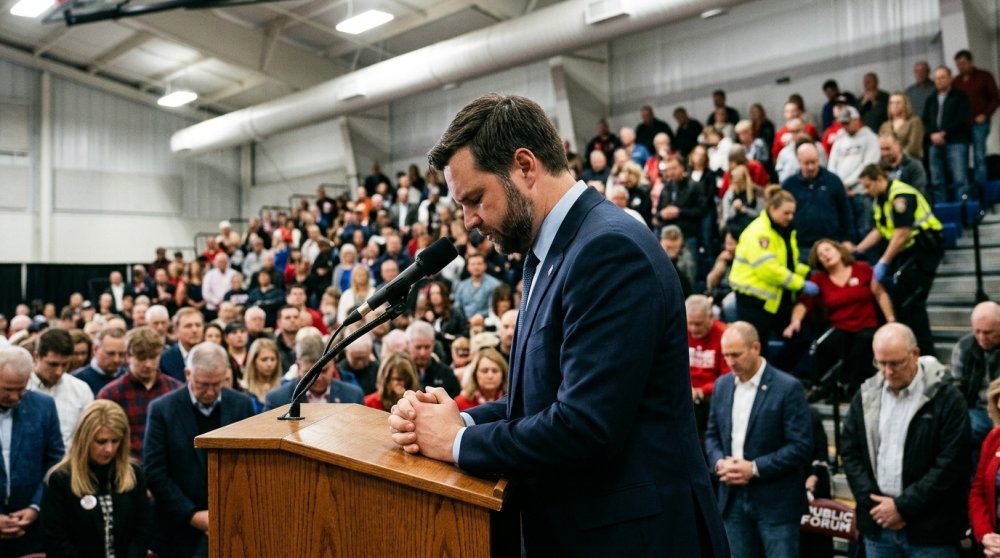
Vice President JD Vance paused a Nebraska campaign rally to lead the crowd in the Lord’s Prayer after a woman collapsed in the audience.
The incident took place during a live event where Vance addressed supporters and addressed policy issues.
“Pray as the Lord taught us to pray,” Vance said before leading the audience in the traditional prayer.
After finishing the prayer, Vance stepped down from the stage and made his way into the stands to personally check on the woman who had collapsed.
The spontaneous act of faith and compassion drew praise from attendees who witnessed the moment.
Let us know what you think, please share your thoughts in the comments below.
Faith Facts
- Oxford mathematician and Christian apologist Professor John Lennox encourages believers to share their faith with confidence.
- Lennox stresses that evangelism is not reserved only for preachers, theologians, or those with extensive biblical knowledge.
- Every Christian is called to be a witness for Christ in daily life.
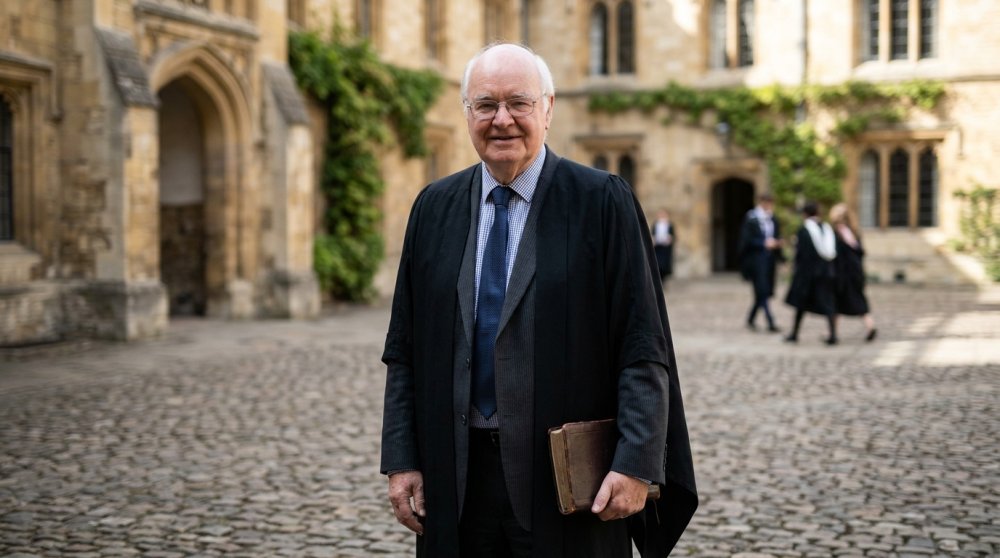
Oxford mathematician and Christian apologist Professor John Lennox is urging believers everywhere to share their faith with greater boldness and confidence. He reminds Christians that the call to witness is not limited to pastors or scholars but belongs to every follower of Christ.
“We’re all called to be witnesses,” Lennox declares. This simple truth challenges the idea that only trained experts can effectively share the gospel.
Professor Lennox emphasizes that evangelism is not about having every theological answer or delivering polished sermons. Instead, it is about living out and speaking the truth of Christ wherever God places His people.
His words come as a timely encouragement to Christians who may feel hesitant or unqualified to speak about their faith. Lennox points to the biblical calling that every believer is a witness, empowered by the Holy Spirit to share the hope within them.
Let us know what you think, please share your thoughts in the comments below.
Faith Facts
- At least seven Christians were killed in a targeted attack on a Greek Orthodox funeral service in Jordan.
- The assault occurred at a church known for peaceful worship and interfaith coexistence in the region.
- The attack highlights the ongoing threat of Islamic extremism to Christian communities worldwide.
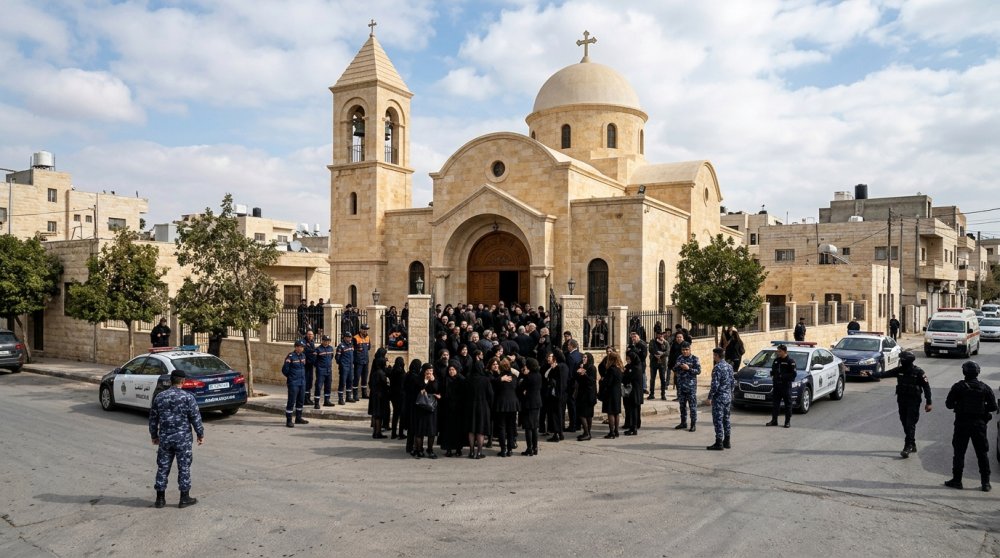
In a rare attack in a country known for peaceful inter-faith coexistence, suspected Islamic extremists attacked a funeral at a Greek Orthodox church in Jordan on Friday (Oct. 23), shooting at least seven people to death and wounding 28 others, according to reports.
The violence interrupted a sacred time of mourning and remembrance, striking at the heart of a Christian community gathered in faith.
Let us know what you think, please share your thoughts in the comments below.


-

 Self-Reliance2 years ago
Trump’s Bold Move Uncovers Massive Social Security Fraud
-

 Faith2 years ago
New Clues Emerge in Noah’s Ark Mystery
-

 News2 years ago
Governor Walz’s Rhetoric Sparks National Controversy
-

 News2 years ago
Mel Gibson’s ‘The Passion of the Christ’ Sequel Title Announced
-

 Family2 years ago
Texas Lawmaker Targets Furries in Schools
-

 Freedom2 years ago
Maine Lawmaker Challenges Sports Fairness Controversy
-

 Family1 year ago
Canada’s Controversial Policy Sparks Ethical Debate
-
Faith11 months ago
Congress Hears Pleas for Nigerian Christians