
Faith
The Hidden Danger of Well-Meaning Advice to Struggling Believers


Faith Facts
- Well-meaning Christian responses like ‘just pray more’ can inadvertently harm believers struggling with depression and mental health challenges
- Faith leaders and mental health experts emphasize that prayer and professional treatment are not mutually exclusive but complementary approaches to healing
- The Church is called to respond with compassion, wisdom, and practical support when brothers and sisters in Christ struggle with mental illness
When a fellow believer finally musters the courage to say “I’m not OK,” our response carries profound weight. Yet too often, Christians struggling with depression encounter well-intentioned but potentially harmful advice that oversimplifies their suffering.
The phrase “just pray more” has become a common refrain in church communities when mental health issues arise. While prayer remains a vital spiritual discipline and source of comfort, reducing complex medical conditions to simple spiritual prescriptions can leave hurting believers feeling judged, isolated, and even spiritually inadequate.
Depression is a multifaceted condition that affects body, mind, and spirit. Research has consistently shown that clinical depression involves neurochemical imbalances, genetic factors, traumatic experiences, and environmental stressors—components that require comprehensive care approaches.
Christian mental health advocates emphasize that seeking professional treatment demonstrates the same wisdom as visiting a doctor for a broken bone or cancer diagnosis. God has given humanity medical knowledge and therapeutic tools as means of grace and healing.
Scripture itself models a nuanced approach to suffering. The Psalms are filled with raw expressions of anguish, doubt, and despair alongside declarations of faith. The prophet Elijah experienced what many modern experts would recognize as symptoms of depression, and God responded not with rebuke but with rest, nourishment, and compassionate presence.
When believers dismiss mental illness as merely a spiritual problem, they risk adding shame to already overwhelming pain. Those battling depression may begin to believe their faith is deficient or that God is disappointed in them for their struggle—compounding their suffering rather than alleviating it.
The Church has a sacred opportunity to demonstrate Christ’s compassion by creating spaces where honesty about mental health is welcomed rather than stigmatized. This means educating congregations about depression, connecting struggling members with qualified Christian counselors, and walking alongside them in their journey toward wholeness.
Prayer absolutely has a place in healing—a central place. But it works in concert with medical treatment, counseling, community support, healthy lifestyle changes, and time. God works through all these means to restore His children.
Biblical wisdom calls us to “bear one another’s burdens” and “weep with those who weep.” This requires listening without judgment, offering practical help, pointing people toward appropriate resources, and maintaining compassionate presence even when healing takes longer than we’d like.
Christian communities must recognize that telling someone to “just pray more” can communicate that their suffering isn’t real or serious enough to warrant additional help. It can shut down vulnerable conversations and leave people suffering in silence rather than seeking the comprehensive care they need.
The most Christ-like response to a struggling brother or sister combines spiritual support with practical wisdom. It acknowledges that we live in a fallen world where bodies and minds break, while trusting that God brings healing through multiple means—including the medical and therapeutic resources He has provided.
Churches that embrace mental health awareness demonstrate the full counsel of Scripture: honoring both the spiritual realities of our faith and the physical realities of our humanity. They create cultures where asking for help is seen as strength, not weakness.
As the body of Christ, we are called to be agents of hope and healing in a broken world. This means responding to mental illness with the same compassion Jesus showed to all who suffered—meeting people where they are, offering genuine support, and pointing them toward every resource available for their restoration.
Let us know what you think, please share your thoughts in the comments below.


Faith Facts
- Four thousand young Christian leaders from across Asia will converge on Manila, Philippines, for the Arise Asia 2026 Congress from July 27–31
- Rev. Dr. David Ro co-founded Arise Asia to mobilize Generation Z for long-term mission work throughout the Asian continent
- The movement aims to transform passionate short-term youth involvement into sustained, lifelong commitment to spreading the Gospel across Asia
A remarkable convergence of faith and youth is set to take place in the heart of the Philippines. Thousands of young Christians are preparing to gather with a singular mission: transforming their generation’s passion for Christ into a lasting force for the Gospel across Asia.
The Arise Asia 2026 Congress, scheduled for July 27–31 in Manila, represents far more than a conference. It embodies a strategic vision to mobilize Generation Z for the Great Commission in one of the world’s most spiritually diverse regions.
Rev. Dr. David Ro, co-founder and executive director of Arise Asia, sees this gathering as a pivotal moment in a broader journey. His organization has been working to channel the enthusiasm of young believers into sustained missionary engagement rather than fleeting short-term experiences.
The timing of this congress could not be more significant. As traditional Christian strongholds in the West face declining church attendance and growing secularization, Asia presents both unprecedented challenges and extraordinary opportunities for evangelism. The continent is home to billions who have never heard the Gospel, alongside vibrant and rapidly growing Christian communities in nations like South Korea, the Philippines, and parts of China.
What distinguishes Arise Asia from other youth gatherings is its explicit focus on long-term commitment. Rather than cultivating brief missionary tourism, the organization seeks to develop a generation of dedicated workers who will invest their lives in Asia’s spiritual transformation.
The choice of Manila as the host city carries symbolic weight. The Philippines stands as a bastion of Christian faith in Southeast Asia, with a population that is overwhelmingly Catholic and Protestant. This makes it an ideal launching point for equipping young missionaries who will carry the light of Christ to neighboring nations where Christianity remains a minority faith or faces outright persecution.
Generation Z has demonstrated remarkable passion for social justice, environmental causes, and humanitarian work. Arise Asia seeks to redirect that same energy and commitment toward the eternal work of sharing the Gospel. The congress will bring together young people who refuse to accept that their faith should be compartmentalized or privatized, instead embracing a biblical call to make disciples of all nations.
For Christian families who have raised their children in the faith, movements like Arise Asia offer hope that the next generation will not abandon biblical truth but will carry it forward with courage and conviction. The gathering represents an investment in ensuring that Christianity in Asia continues to grow and flourish despite opposition from secular governments, other religious systems, and cultural pressures.
The convergence of four thousand young leaders also demonstrates the power of unity across denominational and national lines. When believers gather around the central truths of Scripture and the mission Christ gave His church, secondary differences fade in importance. This kind of gospel-centered cooperation models what the global church should look like.
As these young people prepare to gather in Manila, they carry with them the prayers and support of Christian communities worldwide. Their willingness to dedicate their lives to mission work stands in stark contrast to the self-centered consumerism that dominates much of modern youth culture. They have chosen the narrow path, and their faithfulness should inspire believers of all ages.
The Arise Asia 2026 Congress may well be remembered as a turning point—the moment when Generation Z in Asia answered God’s call not with temporary enthusiasm but with lifelong commitment to the greatest cause in human history.
Let us know what you think, please share your thoughts in the comments below.
Faith Facts
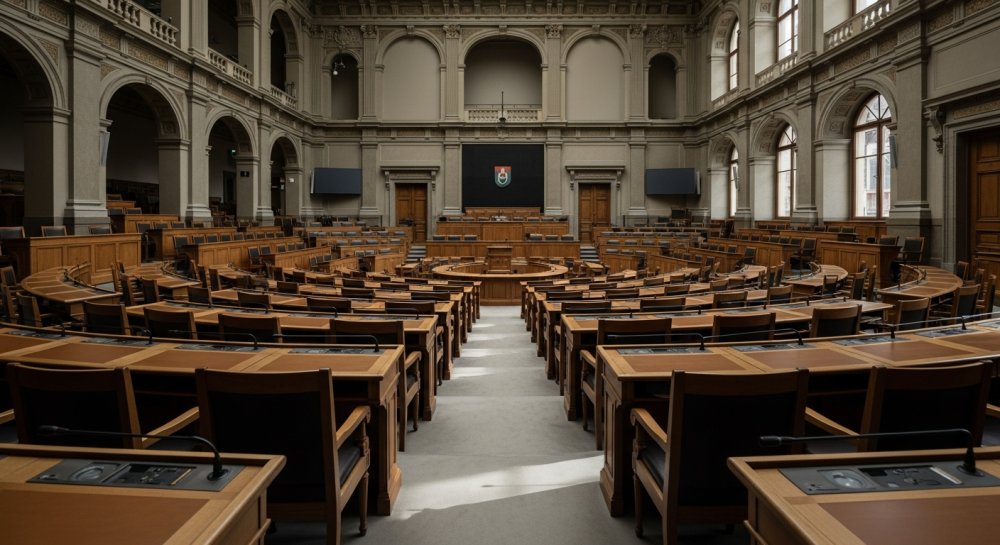
- Three Evangelical leaders have filed a lawsuit against a constitutional amendment in Switzerland’s Canton of Geneva that prohibits lawmakers from wearing visible religious symbols.
- The Swiss Evangelical Alliance is supporting the legal challenge to defend religious freedom in the canton.
- The ban represents a growing trend in Europe to restrict religious expression in public and governmental spaces.
Three Evangelical leaders are mounting a legal challenge against Switzerland’s Canton of Geneva after officials enacted a constitutional amendment banning lawmakers from wearing visible religious symbols. The lawsuit, filed with support from the Swiss Evangelical Alliance, seeks to overturn what religious freedom advocates view as an unconstitutional restriction on faith expression.
The constitutional amendment targets religious symbols worn by elected officials in the canton, effectively prohibiting crosses, head coverings, and other visible markers of faith in the legislative chamber. For Christians committed to living out their faith openly, this represents a direct assault on religious liberty and the right to serve in public office without compromising one’s convictions.
The Swiss Evangelical Alliance has stepped forward to support the legal challenge, recognizing the broader implications for religious freedom across Europe. The organization understands that allowing such bans to stand unchallenged sets a dangerous precedent that could spread to other cantons and nations.
This case reflects a troubling pattern emerging across Western Europe, where secular authorities increasingly seek to scrub religious expression from public life. What begins as restrictions on government officials often expands to limit the freedoms of ordinary citizens in schools, workplaces, and public spaces.
For American Christians, this lawsuit serves as a reminder of the preciousness of the First Amendment and the religious liberty protections enshrined in our Constitution. The founders understood that faith should never be hidden or compartmentalized, but rather integrated into every aspect of life, including public service.
The outcome of this Swiss case will be watched closely by religious freedom advocates worldwide. A victory would affirm that democratic governments cannot compel believers to hide their faith as a condition of participation in the public square.
As persecution of Christians intensifies globally, even in historically Christian nations, believers must remain vigilant in defending the fundamental right to live and express their faith openly. The courage of these three Evangelical leaders in challenging this unconstitutional ban deserves the prayers and support of Christians everywhere.
Let us know what you think, please share your thoughts in the comments below.

Faith Facts
- Scripture reveals specific patterns that mark nations under divine judgment, patterns visible throughout history from Babylon to Rome
- America shows troubling parallels to biblical warnings including moral decay, rejection of God’s law, and corruption of justice
- Recognizing these warning signs offers an opportunity for national repentance and spiritual renewal before judgment becomes irreversible
Throughout Scripture, God establishes clear patterns that signal when a nation has crossed the threshold from divine blessing to divine judgment. These biblical warning signs have appeared consistently across fallen empires throughout history, from ancient Babylon to Rome.
The sobering truth every generation must face is simple: there is no such thing as a permanent empire — only a permanent God. Nations rise and fall according to their faithfulness or rebellion against His statutes.
The first warning sign appears when a nation abandons the God who established it. When public acknowledgment of the Almighty is systematically removed from government, education, and culture, judgment looms. Scripture makes clear that “blessed is the nation whose God is the Lord” (Psalm 33:12), and the inverse holds equally true.
Second, widespread moral decay signals impending collapse. When sexual immorality becomes normalized and celebrated rather than condemned, when marriage is redefined, and when innocent life is devalued through abortion, a nation stands on precarious ground.
Third, the corruption of justice systems indicates advanced spiritual deterioration. Isaiah 5:20 warns: “Woe to those who call evil good and good evil, who put darkness for light and light for darkness.” When courts twist law to serve political agendas rather than righteousness, judgment approaches.
Fourth, economic oppression and the exploitation of the poor mark a nation ripe for divine intervention. Amos condemned Israel specifically for this sin. When wealth becomes concentrated among elites who crush the vulnerable, God takes notice.
Fifth, pride and arrogance signal a nation’s downfall. Proverbs 16:18 declares that “pride goes before destruction.” When a people believe their military might, technological advancement, or economic power makes them invincible, they forget their dependence on God’s providence.
Sixth, the persecution or silencing of God’s messengers reveals a hardened heart. From Jeremiah to John the Baptist, nations under judgment have consistently attacked those who call for repentance and speak truth.
Seventh, the embrace of idolatry — whether ancient golden calves or modern materialism, entertainment, and self-worship — demonstrates a nation has exchanged truth for lies. Romans 1 describes the progression of judgment that follows such exchange.
Eighth, family breakdown and the rejection of God-ordained roles within the home undermine the fundamental building block of civilization. When children are not raised in “the discipline and instruction of the Lord” (Ephesians 6:4), societal collapse follows within a generation.
Ninth, widespread violence and bloodshed cry out for divine justice. Genesis 6:11 notes the earth was “corrupt in God’s sight and full of violence” before the flood. When human life becomes cheap and violence pervades the culture, God will not remain silent indefinitely.
Tenth, the failure to heed prophetic warnings seals a nation’s fate. God sent prophet after prophet to Israel and Judah before judgment fell. His patience is great, but not infinite. The opportunity for repentance has limits.
Recognizing these warning signs in our own nation should drive believers to their knees in intercessory prayer. Second Chronicles 7:14 offers hope: “If my people, who are called by my name, will humble themselves and pray and seek my face and turn from their wicked ways, then I will hear from heaven, and I will forgive their sin and will heal their land.”
History demonstrates that God’s judgment is both certain and preventable through genuine national repentance. The question facing America today is whether we will heed these biblical warning signs or ignore them to our peril. The window for turning back remains open, but it will not remain so forever.
Every Christian must understand these patterns not to promote fear, but to sound the alarm and call God’s people to renewed faithfulness. Our responsibility is to be salt and light, to stand firm in truth, and to proclaim the gospel that transforms individuals, families, and ultimately nations.
Let us know what you think, please share your thoughts in the comments below.


-

 Self-Reliance1 year ago
Trump’s Bold Move Uncovers Massive Social Security Fraud
-

 Faith1 year ago
New Clues Emerge in Noah’s Ark Mystery
-

 News1 year ago
Governor Walz’s Rhetoric Sparks National Controversy
-

 News1 year ago
Mel Gibson’s ‘The Passion of the Christ’ Sequel Title Announced
-

 Family1 year ago
Texas Lawmaker Targets Furries in Schools
-

 Freedom1 year ago
Maine Lawmaker Challenges Sports Fairness Controversy
-

 Family1 year ago
Canada’s Controversial Policy Sparks Ethical Debate
-
Faith8 months ago
Congress Hears Pleas for Nigerian Christians