
Faith
The Faith Behind the Icon America Loved

Faith Facts
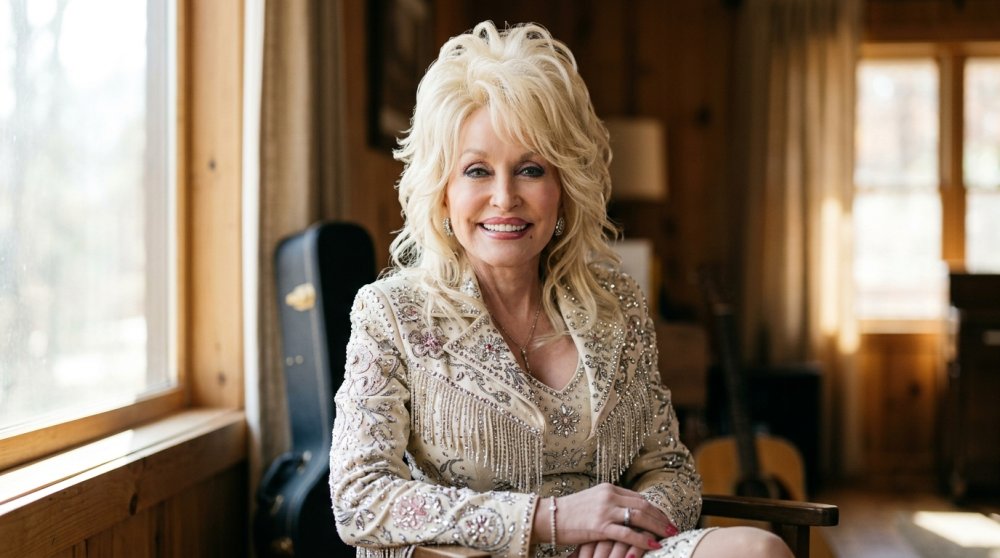
- Dolly Parton passed away Tuesday at age 80, with her family confirming she “is in the arms of Jesus”
- The country music legend openly credited her Christian faith throughout her life, saying “through God all things are possible”
- Parton quietly supported Christian ministries including the Magnolia Foundation, which helps grieving parents
Like Jesus urged his followers to do, Dolly Parton loved her neighbors. But what about loving her enemies, another biblical commandment?
The entertainment icon, whose death Tuesday at age 80 sent shockwaves around the world, likely found that command easier than most. Why?
“The thing about Dolly was that she seemed to have no enemies,” Michael Reneau wrote in a tribute. “Even if you didn’t quite get her, it was impossible not to like her.”
Bill Friskics-Warren described the country music queen as “quintessentially, a uniter of people.” A 2019 story featured this headline: “Is There Anything We Can All Agree On? Yes: Dolly Parton.”
Since Bryan Seaver, Parton’s nephew and head of security, revealed the news that she “is in the arms of Jesus,” countless millions of fans have reflected on her life, her legacy — and yes, her faith.
Many have found themselves listening to songs such as “You Can’t Make Old Friends,” which Parton performed with her old friend Kenny Rogers, who died in 2020 at 81.
In the wake of Parton’s passing, these lyrics require a tissue:
When Saint Peter opens the gate
And you come walking in
I’ll be there just waiting for you
‘Cause you can’t make old friends
Equally poignant is “When I Get Where I’m Going,” Parton’s duet with Brad Paisley:
Yeah, when I get where I’m goin’
There’ll be only happy tears
I’ll shed the sins and struggles
I have carried all these years
And I’ll leave my heart wide open
I will love and have no fear
Yeah when I get where I’m goin’
Don’t cry for me down here
We’ll try not to cry, Dolly. Well, not too much anyway.
One of Parton’s biggest hits — along with classics such as “I Will Always Love You” and “Jolene” — was based directly on Scripture. Brought up “dirt poor” in a large Tennessee family, she based “Coat of Many Colors” on the Bible story her mother told about Joseph:
My coat of many colors
That my momma made for me
Made only from rags
But I wore it so proudly
Although we had no money
I was rich as I could be
In my coat of many colors
My momma made for me
Parton’s Ties to Churches of Christ
Parton’s little-known connection to Churches of Christ emerged from a black-and-white picture of “Mr. and Mrs. Carl Dean” in the 1966 directory of the Radnor Church of Christ in Nashville, Tennessee. Mrs. Carl Dean was, of course, better known as Dolly Parton.
The 75-year-old entertainment icon talked about her little-known — and apparently brief — connection to Churches of Christ in her 2020 book “Dolly Parton, Songteller: My Life in Lyrics.”
“I loved my husband’s mother. She was very sweet, and we were like best friends. Her name was Virginia, but everybody called her Ginny,” Parton wrote concerning her mother-in-law, who died from cancer at age 71 in 1991.
“Carl’s mother was very religious. She was in church every Wednesday and every Sunday morning.”
“The Deans were Church of Christ people. They don’t believe in having any instruments in their church; they just use their voices,” added Parton, who wrote her 1971 song “Lord Hold My Hand” with Ginny Dean.
“Ginny had this big, beautiful, ‘church’ kind of voice. Very proper. It sounded totally different from our ‘Holy Roller’ church back home.”
After Carl Dean’s death last year, Parton talked about relying on her faith:
“I am a person of faith, and I truly believe that I’m going to see him again someday. And I see him every day in my memories and in my heart, and in all the things that we used to do and all the things that we’ve built together. You just kind of have to learn to kind of make new plans — but that’s the hardest part.”
Greg Garrison, a longtime religion writer, reflected on what Parton taught him about faith. He asked her about her Christian faith and whether being a celebrity changed it:
“Well, that faith I had when I was a child has helped me right through everything right now. My grandpa was a preacher, a Pentecostal preacher. My daddy’s people were Baptist. So I’ll have a little chapel in all my places. I have a place where I grew up and I call it the Bapticostal chapel. I just believe that there’s a God. I believe that God helps me, leads me.”
“I talk to Him everyday. I’d prefer to believe in God if there wasn’t one, I’d still believe in God, because I believe we need to believe in something bigger and better than ourselves.”
“It gives us hope. It gives us strength. I know it does me. My faith is very important.”
“I do believe that through God all things are possible. I do believe that Jesus loves me. And I just use that. I’m never ashamed of my family. I’m never ashamed of my religion. I’m not trying to cram it down anyone else’s throat. I just think that everybody’s got to have something to believe in.”
How Parton Helped One Christian Ministry
Parton’s love for her neighbors extended to specific acts of kindness. One example involves Matt and Macy Collins, whose 4-year-old daughter, Hattie Jo, died in a 2020 tornado that battered Cookeville, Tennessee.
In 2024, the couple launched the Magnolia Foundation, a ministry to honor their oldest daughter’s memory and support other parents who lose a child. Here’s what many didn’t know: Parton helped the Magnolia Foundation — as she did countless other causes.
Matt Collins, former youth minister for the Collegeside Church of Christ in Cookeville, shared the details:
“The Magnolia Foundation was less than a year old when, on a Friday afternoon in August, I got a knock on the door. I was getting some mail — the kind you have to sign for. When I opened the envelope up, I was blown away. I was holding a check from Dolly Parton in support of Magnolia.”
“Magnolia was new, and I was still wondering if it was a good idea to quit the real job I had and start this foundation. Dolly’s support wasn’t just financial — it was validation and encouragement to keep going. Dolly, without ever meeting us in person, has proven to be uniquely important to our family. Dollywood has been a place where we celebrate and grieve our daughter, Hattie. We will be there in 2 weeks for Hattie’s 11th birthday. Her support on that August afternoon meant more than the amount on the check. Dolly considered Magnolia a worthy cause to invest in — she cared about us and the people that we have the opportunity to serve.”
“If Magnolia has ever impacted your life or the life of a loved one, I want you to know that, directly or indirectly, Dolly was behind it. If you’ve ever supported Magnolia as we serve families, I want you to know that Dolly stood beside you in that effort.”
“A remarkable life. Thank you, Dolly.”
Yes, thank you, Dolly. For everything.
Let us know what you think, please share your thoughts in the comments below.

Faith Facts
- God examines the heart rather than outward gestures during worship.
- Scripture teaches that authentic faith is shown through obedience and love, not visible enthusiasm.
- Believers are called to honor every sincere heart that worships in spirit and truth.
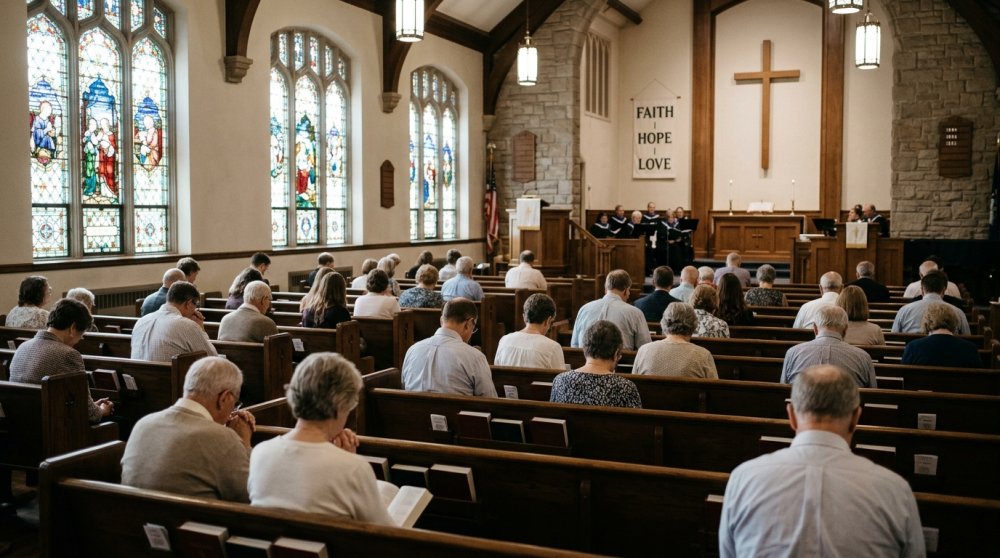
Too often, outward expressions of enthusiasm are mistaken for spiritual maturity. But God looks at the heart, not whether we’re standing, sitting or raising our hands, says Dawn Butler.
“God looks at the heart, not whether we’re standing, sitting or raising our hands,”
Churches across America have seen a growing emphasis on physical expressions during worship. This trend can unintentionally pressure believers who prefer quieter reverence. The result is that some faithful Christians feel judged for their personal style of worship.
“Too often, outward expressions of enthusiasm are mistaken for spiritual maturity.”
True worship flows from a surrendered heart that seeks to honor God in every area of life. Scripture consistently points to inward devotion rather than external performance. When congregations focus on visible actions, they risk overlooking the quiet strength of those who serve faithfully in the background.
Christian liberty allows room for both raised hands and bowed heads. The key is whether each believer approaches the Lord with reverence and sincerity. Families benefit when churches encourage unity over uniformity in worship practices.
“God looks at the heart, not whether we’re standing, sitting or raising our hands.”
Let us know what you think, please share your thoughts in the comments below.
Faith Facts
- The Restoration Movement produced three distinct fellowships by 1906, with Churches of Christ emerging as a conservative, Bible-focused body
- Early 20th-century leaders in Indiana, Tennessee, and Texas held differing convictions on the Holy Spirit, millennial teaching, and church institutions
- The conservative Texas tradition ultimately shaped the doctrinal identity that guided Churches of Christ for much of the twentieth century
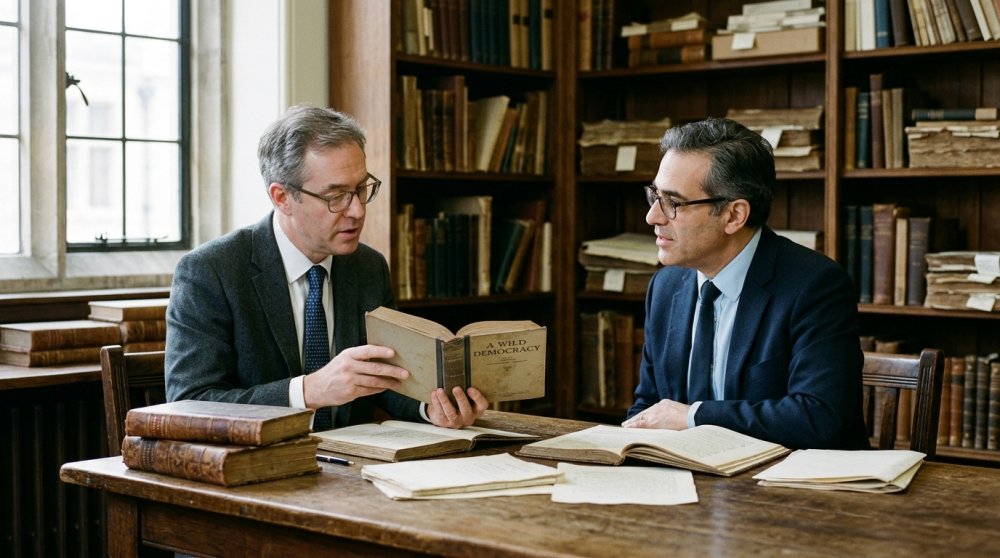
A new book from Abilene Christian University Press offers a detailed look at the doctrinal battles that forged the identity of Churches of Christ in the decades after 1906. The volume, the first of three planned works, draws on essays by eight authors who trace how congregations navigated questions of Scripture, worship, and church order.
By the early twentieth century, the Restoration Movement had separated into three distinct groups. Churches of Christ stood apart for their commitment to congregational autonomy and a plain reading of the New Testament.
The collection opens with Daniel Sommer’s 1889 Address and Declaration, which set the tone for separation from the Disciples of Christ. Subsequent chapters highlight the contributions of David Lipscomb and respected African-American leaders such as Preston Taylor, S.W. Womack, and Marshall Keeble.
“Allen and Hicks are to be commended for editing a splendid and illuminating volume. Readers interested in the history of Churches of Christ will eagerly anticipate the next installment in the series.”
Three regional traditions emerged, each with its own convictions. Leaders in Tennessee upheld belief in miraculous divine action and a future millennial kingdom, while Indiana voices favored noninstitutional simplicity and resisted Bible colleges. The Texas tradition, emphasizing the Word alone and strict obedience to positive commands, gradually gained dominance.
Through influential publications like R.L. Whiteside and C.R. Nichol’s Sound Doctrine series and N.B. Hardeman’s Tabernacle Sermons, the Texas perspective reached congregations across the nation. By the 1930s, the Gospel Advocate had become its leading voice.
The book closes with primary source excerpts that allow readers to hear the founders in their own words. Christian families and church libraries will find this careful history both instructive and encouraging for the challenges of today.
Let us know what you think, please share your thoughts in the comments below.

Faith Facts
- Bank of America closed a Christian ministry’s account in 2020 citing internal policies against certain business types.
- Multiple ministries and faith-based organizations have reported similar account closures from major financial institutions.
- Faith-based groups are increasingly facing challenges accessing traditional banking services across the United States.
In 2020, Bank of America informed a Christian ministry that its account was being closed because the institution had chosen not to service certain types of businesses. The ministry initially believed this decision was isolated to their organization alone.
Further investigation revealed that other faith-based groups had encountered the same treatment from the same financial institution. The pattern suggests a broader policy affecting religious organizations seeking banking services.
“I thought we were the only ones. We weren’t.”
This experience highlights growing concerns among Christian ministries about access to essential financial services. Many traditional banks appear to be reevaluating their relationships with faith-based organizations.
The closure of accounts for religious ministries raises questions about religious liberty and equal access to financial services. Christian organizations across the country are exploring alternative banking options that align with their values and mission.
Let us know what you think, please share your thoughts in the comments below.


-

 Self-Reliance2 years ago
Trump’s Bold Move Uncovers Massive Social Security Fraud
-

 Faith2 years ago
New Clues Emerge in Noah’s Ark Mystery
-

 News2 years ago
Governor Walz’s Rhetoric Sparks National Controversy
-

 News2 years ago
Mel Gibson’s ‘The Passion of the Christ’ Sequel Title Announced
-

 Family2 years ago
Texas Lawmaker Targets Furries in Schools
-

 Freedom2 years ago
Maine Lawmaker Challenges Sports Fairness Controversy
-

 Family1 year ago
Canada’s Controversial Policy Sparks Ethical Debate
-
Faith11 months ago
Congress Hears Pleas for Nigerian Christians