
Faith
Christian Historians Examine Early Struggle to Preserve Churches of Christ Identity


Faith Facts
- The Restoration Movement produced three distinct fellowships by 1906, with Churches of Christ emerging as a conservative, Bible-focused body
- Early 20th-century leaders in Indiana, Tennessee, and Texas held differing convictions on the Holy Spirit, millennial teaching, and church institutions
- The conservative Texas tradition ultimately shaped the doctrinal identity that guided Churches of Christ for much of the twentieth century
A new book from Abilene Christian University Press offers a detailed look at the doctrinal battles that forged the identity of Churches of Christ in the decades after 1906. The volume, the first of three planned works, draws on essays by eight authors who trace how congregations navigated questions of Scripture, worship, and church order.
By the early twentieth century, the Restoration Movement had separated into three distinct groups. Churches of Christ stood apart for their commitment to congregational autonomy and a plain reading of the New Testament.
The collection opens with Daniel Sommer’s 1889 Address and Declaration, which set the tone for separation from the Disciples of Christ. Subsequent chapters highlight the contributions of David Lipscomb and respected African-American leaders such as Preston Taylor, S.W. Womack, and Marshall Keeble.
“Allen and Hicks are to be commended for editing a splendid and illuminating volume. Readers interested in the history of Churches of Christ will eagerly anticipate the next installment in the series.”
Three regional traditions emerged, each with its own convictions. Leaders in Tennessee upheld belief in miraculous divine action and a future millennial kingdom, while Indiana voices favored noninstitutional simplicity and resisted Bible colleges. The Texas tradition, emphasizing the Word alone and strict obedience to positive commands, gradually gained dominance.
Through influential publications like R.L. Whiteside and C.R. Nichol’s Sound Doctrine series and N.B. Hardeman’s Tabernacle Sermons, the Texas perspective reached congregations across the nation. By the 1930s, the Gospel Advocate had become its leading voice.
The book closes with primary source excerpts that allow readers to hear the founders in their own words. Christian families and church libraries will find this careful history both instructive and encouraging for the challenges of today.
Let us know what you think, please share your thoughts in the comments below.

Faith Facts
- Pastor Gary Hamrick leads Cornerstone Chapel in Leesburg, Virginia, and affirms unwavering U.S. support for Israel based on biblical principles.
- The pastor directly counters Vice President JD Vance’s suggestion that the U.S.-Israel relationship harmed Republican midterm results.
- Christian conservatives continue to view America’s alliance with Israel as both a strategic and moral imperative rooted in Scripture.
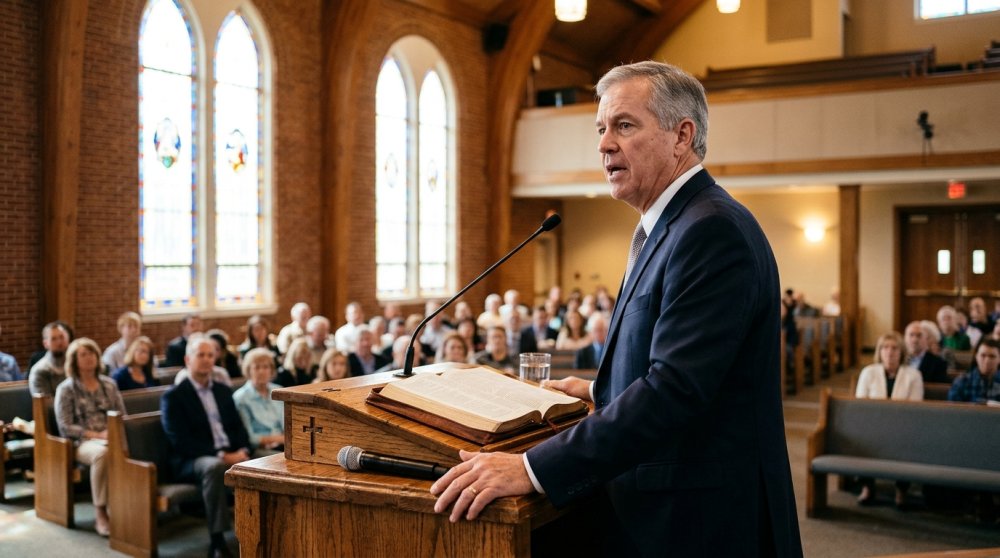
Pastor Gary Hamrick of Cornerstone Chapel in Leesburg, Virginia, spoke out strongly against Vice President JD Vance’s recent comments suggesting the U.S.-Israel alliance played a role in the Republican Party’s midterm losses.
Hamrick labeled the assertion “nonsense” and insisted that the relationship between the two nations must remain strong.
“The United States must continue to support Israel,” Hamrick stated.
The pastor’s comments reflect a broader commitment among many evangelical leaders to maintain the biblical and strategic alliance between America and Israel.
“The nature of the U.S.-Israeli alliance contributed to the Republican Party’s midterm wipeout” is the claim Hamrick rejected outright.
“It’s discouraging.” Pastor Gary Hamrick reacts to comments President Trump made on 60 Minutes over the weekend. “This, to me, looks like he’s backpedaling” on his previous “bold” support for Israel. “I’m troubled…” https://t.co/HgyAncQy4n
— Tony Perkins (@tperkins) November 9, 2026
Faithful believers across the nation are urged to stand firm on the truth that supporting Israel aligns with both Scripture and national interest.
Let us know what you think, please share your thoughts in the comments below.
Faith Facts
- Bob Dylan publicly embraced Christianity in 1979 after a reported spiritual encounter.
- Dylan has released three gospel albums and written numerous faith-inspired songs.
- His Christian conversion is widely regarded as a defining moment in his artistic and personal life.
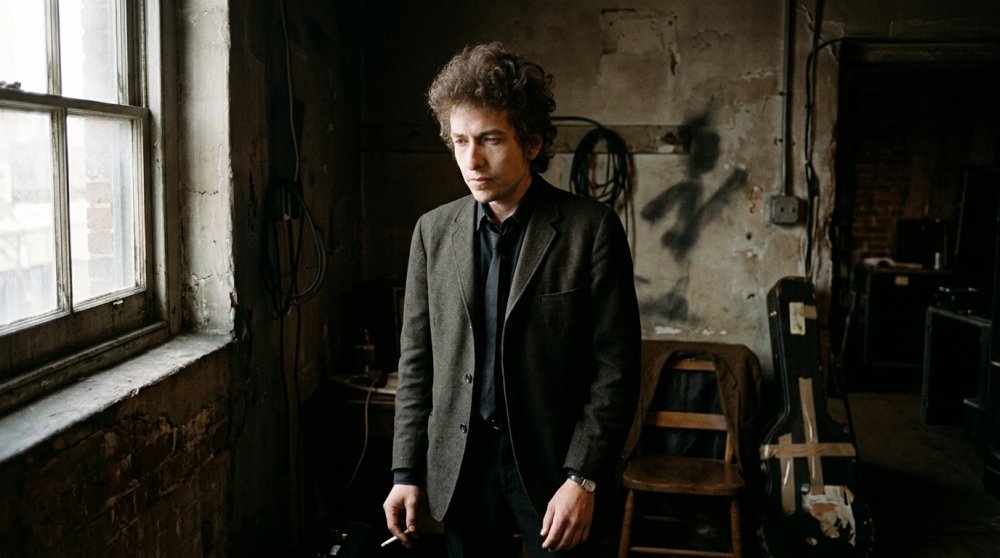
Bob Dylan’s recent meeting with Pope Leo has sparked attention for more than just his attire. Observers have turned their focus toward the legendary singer-songwriter’s long-held Christian faith.
In 1979, Dylan experienced a life-changing spiritual awakening. He openly declared his belief in Jesus Christ and began incorporating biblical themes into his songwriting.
“There was a little voice inside me saying, ‘Don’t be a prophet, don’t be a prophet,'” Dylan once reflected on his early reluctance to speak openly about faith.
Three gospel albums followed his conversion. Slow Train Coming, Saved, and Shot of Love showcased a man unashamed to sing about redemption and the power of Scripture.
“Jesus tapped me on the shoulder,” Dylan later explained, “and said, ‘Bob, why are you resisting me?'”
Critics questioned the sincerity of his conversion, yet Dylan continued to weave Christian imagery throughout his later work. Songs such as Every Grain of Sand and Pressing On revealed a heart still rooted in biblical truth.
“I believe in the Book of Revelation,” Dylan stated plainly in interviews, underscoring his enduring trust in God’s Word.
While the world often remembers Dylan as a cultural icon, his personal testimony points to a deeper story of grace and transformation. For many believers, his journey remains a powerful reminder that even the most celebrated voices can find their true purpose in Christ.
Let us know what you think, please share your thoughts in the comments below.

Faith Facts
- LAIKA’s new fantasy film Wildwood features dark themes and magical elements that parents should carefully evaluate before allowing their children to see it.
- Christian parents are called to guard the hearts and minds of their children by testing every form of entertainment against biblical truth.
- Stories that mix darkness and redemption must be weighed against Scripture’s command to focus on what is pure, lovely, and praiseworthy.
Reviewers have praised LAIKA’s Wildwood as dark, redemptive, and breathtaking.
Yet one Christian viewer entered the theater expecting to be moved by the artistry and left the film deeply unsettled.
The tension between cinematic beauty and troubling content is nothing new for families seeking wholesome entertainment.
Many parents today face difficult choices when popular fantasy films blend magical worlds with heavy themes.
Scripture reminds believers to be wise in what they allow to shape young hearts.
Proverbs 4:23 instructs, “Above all else, guard your heart, for everything you do flows from it.”
Philippians 4:8 adds, “Finally, brothers and sisters, whatever is true, whatever is noble, whatever is right, whatever is pure, whatever is lovely, whatever is admirable—if anything is excellent or praiseworthy—think about such things.”
Faithful families are increasingly turning away from studio offerings that prioritize artistic darkness over moral clarity.
They seek stories that reinforce the values of faith, family, and freedom instead of undermining them.
Let us know what you think, please share your thoughts in the comments below.


-

 Self-Reliance2 years ago
Trump’s Bold Move Uncovers Massive Social Security Fraud
-

 Faith2 years ago
New Clues Emerge in Noah’s Ark Mystery
-

 News2 years ago
Governor Walz’s Rhetoric Sparks National Controversy
-

 News2 years ago
Mel Gibson’s ‘The Passion of the Christ’ Sequel Title Announced
-

 Family2 years ago
Texas Lawmaker Targets Furries in Schools
-

 Freedom2 years ago
Maine Lawmaker Challenges Sports Fairness Controversy
-

 Family1 year ago
Canada’s Controversial Policy Sparks Ethical Debate
-
Faith12 months ago
Congress Hears Pleas for Nigerian Christians