
News
Supreme Court Ruling Ignites Parental Rights Debate


In a landmark decision that underscores the importance of parental rights and religious freedom, the Supreme Court has ruled in favor of allowing parents to opt their children out of lessons that conflict with their faith. This ruling, in the case of Mahmoud v. Taylor, is a victory for those who believe that parents should have the final say in their children’s education, especially when it comes to sensitive topics like homosexuality and transgenderism.
The decision has sparked a divide among the leaders of America’s largest teachers’ unions. Becky Pringle, President of the National Education Association, expressed her discontent, stating, “Students pay the price when books are censored and educators are silenced.” Her comments reflect a perspective that seems to prioritize the agenda of educational elites over the values and beliefs of families.
Contrastingly, Randi Weingarten, President of the American Federation of Teachers, took a stance that aligns more closely with traditional values and parental involvement. “Parents must have a say about their own kids, they are our partners in education,” she asserted. This acknowledgment of parental rights resonates with those who uphold the sanctity of the family unit as a cornerstone of society.
The Supreme Court’s decision is a reminder of the fundamental freedoms that our nation was built upon—freedoms that include the right to raise our children according to our faith and moral convictions. It is a testament to the enduring belief that parents are the primary educators of their children, a principle deeply rooted in biblical teachings and the American tradition.
Weingarten’s comments also highlight the importance of local governance in education. “This is something that has to be happening at the local level and not in the Supreme Court,” she noted. This sentiment echoes the conservative principle of subsidiarity, which emphasizes that decisions should be made at the most local level possible, allowing communities to uphold their values and traditions.
The divide between the union leaders is notable, given their usual alignment in political views. However, Weingarten’s recognition of parental rights in this instance is a refreshing departure from the typical progressive narrative that often sidelines family values.
As we reflect on this ruling, it is crucial to remember the role of faith and family in shaping a moral and free society. The decision by the Supreme Court is not just a legal victory; it is a reaffirmation of the principles that have guided our nation since its founding. It is a call to action for all who cherish freedom to continue advocating for policies that respect and uphold the rights of parents and the integrity of the family.
In these times, when cultural and moral challenges abound, it is imperative that we stand firm in our convictions, guided by faith and a commitment to the truth. The Supreme Court’s ruling is a step in the right direction, ensuring that the voices of parents are heard and respected in the education of their children.
Let us know what you think, please share your thoughts in the comments below.


Faith Facts
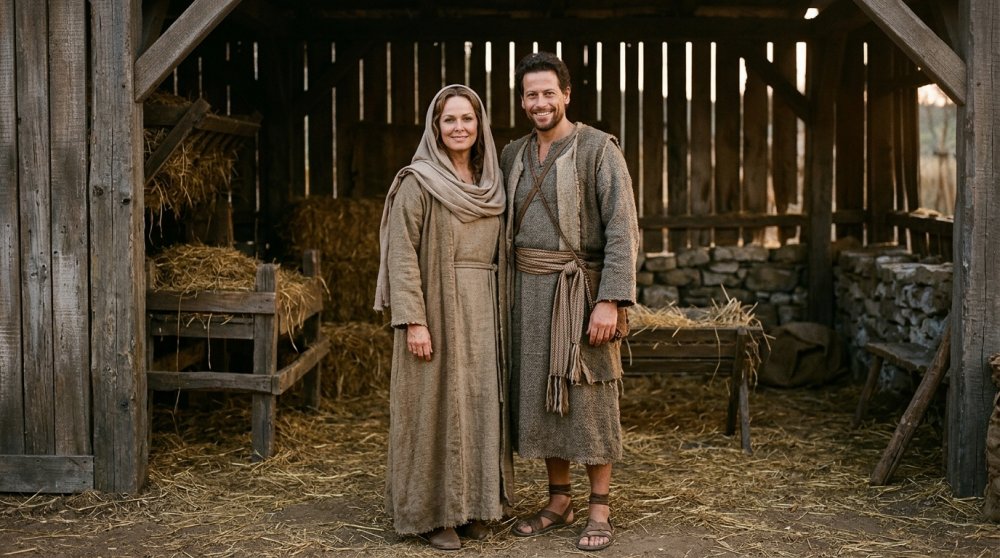
- Melora Hardin and Ioan Gruffudd star in the Christmas film Drummer Boy
- The movie explores biblical themes of faith and redemption
- Christian audiences are encouraged to seek out films that uphold traditional values
Melora Hardin and Ioan Gruffudd are using their platform to share the faith-based message behind their new Christmas film Drummer Boy.
The actors recently opened up about how the story draws from Scripture and reflects the true meaning of the season.
“The film reminds us that even the smallest offering can be used mightily by God,” Hardin said.
Gruffudd echoed that sentiment, noting the importance of keeping Christ at the center of Christmas celebrations.
“We wanted to create something families could watch together that points back to the real reason for the season,” he explained.
Drummer Boy joins a growing number of faith-friendly productions that seek to counter the secularization of Christmas in popular culture.
Let us know what you think, please share your thoughts in the comments below.
Faith Facts
- Scripture calls believers to uphold both justice and mercy in matters of law and compassion for the stranger (Micah 6:8).
- Christian teaching affirms the God-given right of nations to secure their borders while extending charity to those in genuine need.
- Evangelical leaders have consistently urged immigration policies that protect citizens and offer a lawful path for those who respect American values.
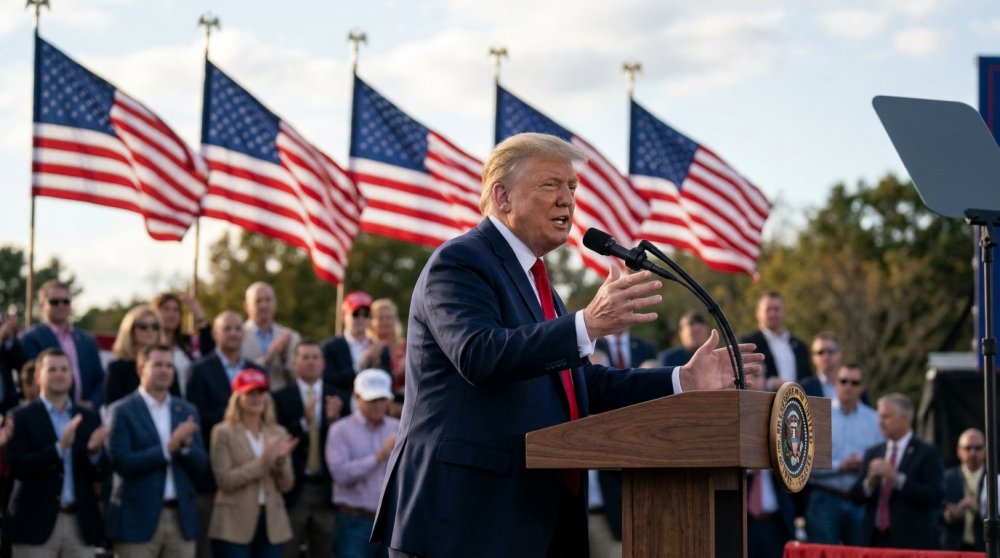
President Donald Trump told supporters over the weekend that his previous deportation policy had been “too tough,” a remark that came after Democrats gained full control of Congress. The statement drew immediate attention from faith-based immigration advocates who see an opening for bipartisan reform grounded in law and order.
Trump’s comments mark a shift from his earlier hard-line stance while still emphasizing the need for strong border security. He indicated a readiness to work across the aisle on legislation that balances enforcement with humanitarian considerations.
“I’ve always said we need a strong border, but I’m willing to listen to reasonable ideas that protect American families,”
the president stated during a weekend appearance. The tone suggested an openness to compromise without abandoning core principles of national sovereignty.
Evangelical groups that have long advocated for immigration reform welcomed the development, viewing it as an opportunity to advance solutions that reflect both compassion and accountability. They stressed the importance of policies that honor the rule of law while offering a pathway for those who enter the country legally.
“We pray that any reform will uphold the dignity of every person while safeguarding the security and prosperity of the American people,”
one ministry leader noted. The emphasis remained on finding common ground that respects traditional American values and constitutional order.
Let us know what you think, please share your thoughts in the comments below.
Faith Facts
- President Trump stated he does not want to go to Hell during a Sunday interview.
- He openly admitted he cannot forgive his enemies and does not intend to try.
- The remarks reflect a post-Christian worldview increasingly common in American public life.
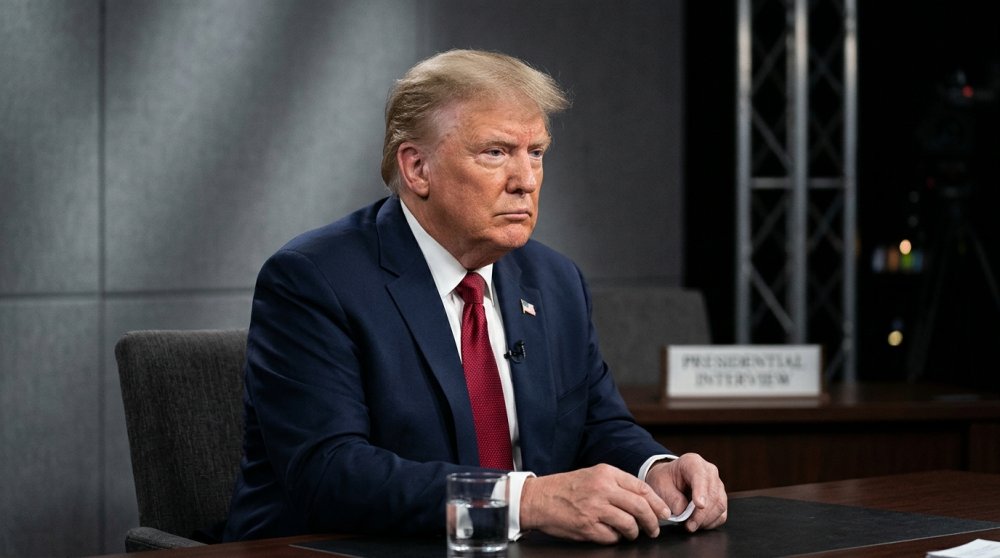
President Donald Trump made a striking admission during a Sunday interview on CBS’ “60 Minutes,” telling viewers that he does not “want to go to Hell.”
Yet the president also stated plainly that he cannot forgive his enemies and has no intention of doing so.
“I’m a religious person, so in theory I go to heaven,” President Trump says, discussing what he thinks happens after death. “I don’t want to go to hell.” https://t.co/8o5y8hcqtY https://t.co/5LexpK2jEP
— 60 Minutes (@60Minutes) November 9, 2026
“I don’t want to go to Hell,” Trump said.
The exchange highlights the tension between personal conviction and the demands of Christian teaching on forgiveness.
“I hate my enemies,” he added. “I cannot stand these people.”
Trump’s comments reveal a perspective that stands in contrast to the biblical call to forgive those who wrong us.
Many Americans who hold traditional values continue to look to leaders who reflect the faith and moral clarity that once shaped the nation’s public life.
Let us know what you think, please share your thoughts in the comments below.


-

 Self-Reliance2 years ago
Trump’s Bold Move Uncovers Massive Social Security Fraud
-

 Faith2 years ago
New Clues Emerge in Noah’s Ark Mystery
-

 News2 years ago
Governor Walz’s Rhetoric Sparks National Controversy
-

 News2 years ago
Mel Gibson’s ‘The Passion of the Christ’ Sequel Title Announced
-

 Family2 years ago
Texas Lawmaker Targets Furries in Schools
-

 Freedom2 years ago
Maine Lawmaker Challenges Sports Fairness Controversy
-

 Family1 year ago
Canada’s Controversial Policy Sparks Ethical Debate
-
Faith12 months ago
Congress Hears Pleas for Nigerian Christians