
Faith
Seven Christian Orphans Still Held After Nigeria Refuses Handover

Faith Facts
- Seven children seized from a Christian orphanage network in northern Nigeria over six years ago remain in government custody despite promises to return them.
- A meeting convened to finalize the children’s return ended without a handover, leaving the orphans separated from their Christian caregivers.
- The children were originally taken from Du Merci Centres orphanage network in Kano State in 2019, raising concerns about religious freedom and children’s welfare.
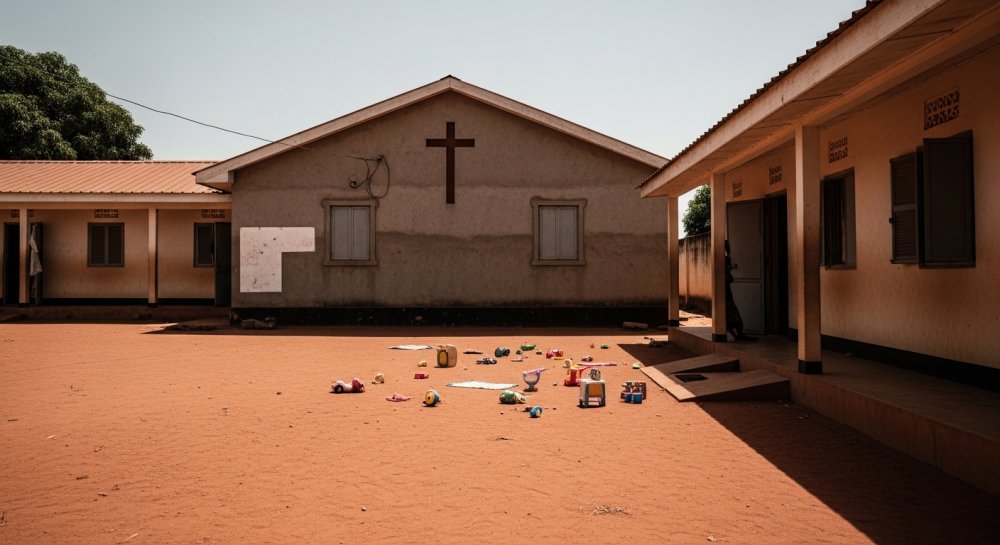
More than six years after Nigerian authorities seized seven children from a Christian orphanage, those young lives remain trapped in government custody. A meeting intended to finalize their return home collapsed without achieving its purpose, leaving faithful Christians who care for orphans still waiting for justice.
The children were taken from the Du Merci Centres orphanage network in Kano State, northern Nigeria, back in 2019. Since that day, they have been separated from the Christian caregivers who provided them with love, stability, and faith-based nurturing.
The failed handover represents yet another disappointment for those who have fought tirelessly for these children’s return. Kano State authorities convened the meeting with the apparent intention of finally releasing the children, but the gathering ended without the promised reunion.
For Christian communities in Nigeria, this case highlights the ongoing struggles believers face in maintaining their ministries and protecting vulnerable children under their care. Northern Nigeria has seen increasing pressure on Christian institutions, with orphanages and schools facing particular scrutiny from local authorities.
The prolonged separation raises serious questions about the welfare of these seven children and what they have experienced during more than six years away from the Christian home that cared for them. Advocates for the children worry about their physical, emotional, and spiritual well-being during this extended period in government facilities.
Du Merci Centres had operated as a network of Christian orphanages providing care for children who had nowhere else to turn. The organization’s mission centered on giving orphaned and vulnerable children a stable, loving environment grounded in Christian values and Biblical teaching.
The 2019 seizure of the children shocked the Christian community and raised alarms about religious freedom in the region. Many saw the action as part of a broader pattern of targeting Christian charitable works in areas where Christianity represents a minority faith.
Nigerian Christians have long faced challenges in the predominantly Muslim northern states, where Sharia law operates alongside federal law. Christian institutions often find themselves navigating complex and sometimes hostile regulatory environments that can threaten their ability to serve their communities.
The failed handover meeting suggests ongoing complications or resistance from Kano State authorities regarding the children’s return. Without transparency about why the handover did not proceed, concerned believers can only speculate about what obstacles remain.
For the children themselves, now six years older than when they were taken, the delay means continued uncertainty about their futures. The formative years they have spent separated from the Christian community that sought to raise them cannot be recovered.
This case serves as a sobering reminder of the vulnerability Christian ministries face in regions where their faith is not the majority religion. It underscores the importance of vigilance in protecting religious freedom and the right of believers to serve the least among us according to their conscience and calling.
American Christians should take note of the persecution and obstruction their brothers and sisters face around the world. While we enjoy significant religious protections in the United States, believers in nations like Nigeria fight daily battles simply to maintain their witness and continue their charitable works.
The situation also highlights the unique challenges facing Christian orphan care in hostile environments. When governments can simply seize children from Christian homes and hold them indefinitely, the very foundation of faith-based child welfare comes under threat.
As this case drags into its seventh year, prayers continue for the seven children caught in this bureaucratic and potentially religious conflict. Their futures hang in the balance while authorities maintain custody without clear justification or timeline for resolution.
Let us know what you think, please share your thoughts in the comments below.

Faith Facts
- Nicki Minaj revealed in a recent interview that she was unprepared for the spiritual warfare she encountered in the music industry
- The rapper spoke openly about secret societies and demonic influences pervading the entertainment world
- Christians have long warned about the spiritual dangers in Hollywood and the music industry, citing scripture’s call to discern between light and darkness
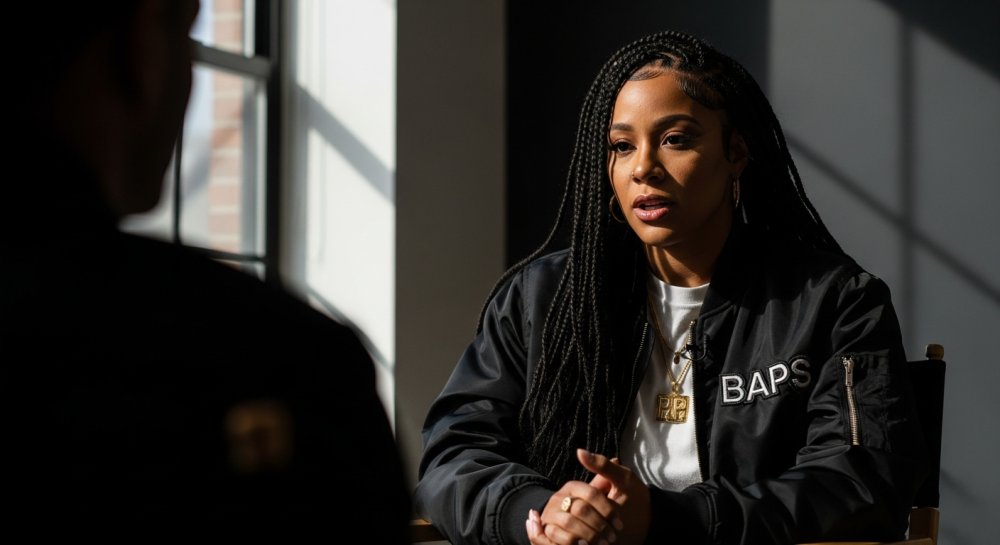
In a revealing conversation with Bryce Crawford, one of the world’s most successful rap artists opened up about the darker side of fame that most people never see. Nicki Minaj didn’t mince words when she described the spiritual battles she’s faced since entering the music industry.
The Grammy-nominated artist spoke candidly about being unprepared for what she called the demonic elements and secret societies that operate within the entertainment world. Her comments align with concerns that many Christians and conservatives have voiced for years about the moral and spiritual corruption in Hollywood.
“I was not prepared for the spiritual warfare,” Minaj stated during the interview.
The rapper’s admission raises important questions for Christian audiences who have long warned about the influence of dark spiritual forces in entertainment. For decades, faith leaders have cautioned believers about the values promoted through mainstream music and media, urging discernment and vigilance.
Minaj’s willingness to speak out about these issues is noteworthy, especially given the industry’s typical silence on such matters. While she has built her career within this system, her acknowledgment of its spiritual dangers resonates with biblical warnings about principalities and powers in high places.
The entertainment industry has increasingly pushed boundaries when it comes to traditional values, often celebrating lifestyles and messages that conflict with Christian teaching. From music videos to award show performances, many observers have noted imagery and symbolism that appears to mock faith or promote occult themes.
For Christian families, these revelations serve as a reminder to carefully monitor what influences enter their homes through music and entertainment. Scripture calls believers to test everything and hold fast to what is good, to think on things that are pure and honorable.
Minaj’s comments about secret societies within the industry also echo concerns raised by other artists over the years. While some dismiss such claims as conspiracy theories, the Bible itself warns that evil often operates in darkness and secrecy.
The rapper’s honest assessment of the spiritual landscape she encountered challenges the glamorous image often presented to young people aspiring to entertainment careers. Behind the fame and fortune lies a spiritual reality that demands discernment and spiritual protection.
Christians understand that our struggle is not against flesh and blood, but against spiritual forces of evil. The entertainment industry’s influence on culture and values makes it a significant battleground in this ongoing spiritual war.
Parents and church leaders can use Minaj’s testimony as an opportunity to discuss with young people the importance of guarding their hearts and minds. The allure of fame and success can blind individuals to the spiritual costs of compromise.
While Minaj herself continues to work within the industry, her acknowledgment of its demonic elements serves as a warning. It’s a rare moment of transparency from someone at the highest levels of commercial success.
The Christian response should be one of prayer—both for those trapped in spiritually dangerous environments and for a culture that desperately needs the light of truth. Believers are called to be salt and light, including in their engagement with popular culture.
As more voices from within the entertainment world begin to speak about these spiritual realities, it confirms what scripture has always taught: we live in a fallen world where spiritual forces battle for souls. The music industry is merely one front in this larger war.
Let us know what you think, please share your thoughts in the comments below.
Faith Facts
- Bangladesh’s new government promised religious tolerance and inclusivity for all faiths after their landslide election victory earlier this year
- Christian communities report a sharp increase in violent attacks and persecution despite government promises of protection
- Open Doors monitors reveal believers face intensifying hostility while seeking to practice their faith peacefully
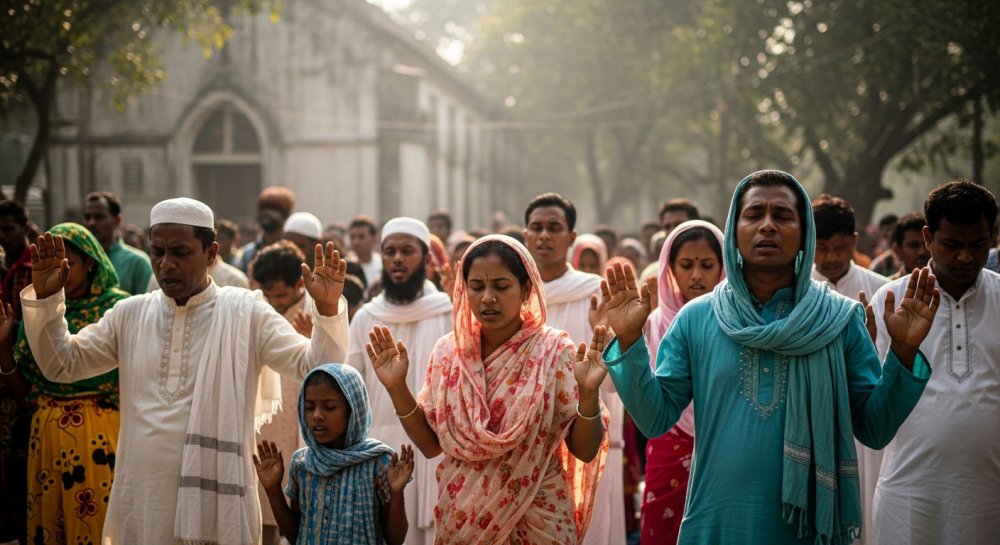
When Bangladesh’s new government swept into power with overwhelming popular support earlier this year, they made sweeping promises to build what they called a “rainbow nation” — a society where people of all faiths could worship freely and live peacefully together. For the country’s Christian minority, these words brought hope after years of mounting pressure. But that hope is quickly turning to despair as attacks against believers continue to escalate despite the government’s public commitments to religious freedom.
Asha Lindsay, an analyst with Open Doors who monitors religious persecution worldwide, has been tracking the deteriorating situation for Christians in Bangladesh. Her findings paint a troubling picture of broken promises and increasing violence against a vulnerable faith community that simply wants to worship without fear.
“Christians are telling us that the situation is getting worse, not better,” Lindsay reports. “Despite all the promises of inclusivity and tolerance, believers are experiencing more attacks, more threats, and more pressure to abandon their faith.”
The gap between the government’s rhetoric and the reality on the ground represents a profound betrayal for Bangladesh’s Christians. While officials speak publicly about protecting religious minorities and building an inclusive society, Christian families are being driven from their homes, churches are being vandalized, and believers face constant intimidation from extremist elements who appear to operate with impunity.
The attacks come in many forms. Some are violent and direct — physical assaults on worship gatherings, destruction of church property, and threats against Christian leaders. Others are more subtle but equally devastating — social ostracism, economic pressure, and systematic discrimination that makes it nearly impossible for believers to earn a living or educate their children.
“What we’re seeing is a coordinated campaign to make life so difficult for Christians that they either renounce their faith or leave the country,” Lindsay explains. “And the government that promised to protect them is doing nothing to stop it.”
For many Christian families in Bangladesh, the decision to follow Christ comes at an enormous cost. Believers who convert from the majority religion face particular danger, often experiencing rejection from their own families along with threats from their communities. These faithful men and women demonstrate extraordinary courage simply by attending church or openly identifying as Christians.
The situation reflects a broader pattern across South Asia, where religious minorities increasingly find themselves caught between governments that promise protection but fail to deliver and extremist movements that view any diversity as a threat to their vision of a religiously homogeneous society. Bangladesh’s Christians now find themselves in this dangerous middle ground, with nowhere to turn for help.
Open Doors and other ministries working to support persecuted believers are calling on Christians worldwide to pray for their brothers and sisters in Bangladesh. They’re also urging the international community to hold the Bangladeshi government accountable for its promises of religious freedom and tolerance.
“These are our family members in Christ who are suffering,” Lindsay emphasizes. “They need our prayers, our support, and our advocacy. We cannot remain silent while they’re under attack.”
The broken promises in Bangladesh serve as a sobering reminder that religious freedom cannot be taken for granted anywhere in the world. For American Christians who enjoy constitutional protections for their faith, the plight of Bangladeshi believers should inspire both gratitude and action — gratitude for the blessings of liberty and action to stand with those who don’t share those same freedoms.
As the attacks continue and the government’s promises ring increasingly hollow, Bangladesh’s Christians are holding fast to their faith despite the cost. Their perseverance stands as a powerful testimony to the truth that no government can ultimately suppress the light of the Gospel, even when they break every promise they’ve made to protect those who carry it.
Let us know what you think, please share your thoughts in the comments below.
Faith Facts
- Country music superstar Carrie Underwood publicly thanked God for allowing her to live in America as the nation approaches its 250th birthday
- The Grammy-winning artist has consistently shared her Christian faith throughout her career, using her platform to glorify God
- Underwood’s patriotic declaration reflects the deep connection between Christian values and American identity that has shaped the nation since its founding
Country music icon Carrie Underwood is making headlines once again for boldly proclaiming her Christian faith, this time expressing gratitude to God for the blessing of living in the United States of America. As our nation prepares to celebrate its semiquincentennial — 250 years since the founding — the beloved singer’s words resonate with millions of Americans who share her love of faith, family, and freedom.
“Thank you, Lord,” Underwood expressed in her heartfelt message about living in America.
The eight-time Grammy Award winner has never shied away from her Christian convictions, consistently using her massive platform to point people toward Jesus Christ. Her latest patriotic declaration comes at a time when many Americans are reflecting on the divine providence that has guided this nation since its inception in 1776.
Underwood’s gratitude for America echoes the sentiments of the Founding Fathers, who recognized that our rights come from God, not government. Her willingness to publicly thank the Lord for the privilege of American citizenship stands as a powerful witness in an entertainment industry that often discourages expressions of faith and patriotism.
The “Jesus Take the Wheel” singer has built her career on authentic faith-based messaging that resonates with traditional American values. From her breakout on “American Idol” to becoming one of country music’s biggest stars, Underwood has remained steadfast in her commitment to Christ and country.
Her latest expression of faith and patriotism reminds us that America’s greatness has always been rooted in our acknowledgment of God’s sovereignty. As we approach this historic milestone anniversary, Underwood’s words serve as a timely reminder to give thanks for the freedoms we enjoy and the divine hand that has preserved this exceptional nation.
In a culture increasingly hostile to both Christianity and American exceptionalism, Carrie Underwood’s public thanksgiving to God for America offers a refreshing contrast. Her example encourages other believers to speak boldly about their faith and gratitude for living in a nation founded on Judeo-Christian principles.
Let us know what you think, please share your thoughts in the comments below.


-

 Self-Reliance1 year ago
Trump’s Bold Move Uncovers Massive Social Security Fraud
-

 Faith1 year ago
New Clues Emerge in Noah’s Ark Mystery
-

 News1 year ago
Governor Walz’s Rhetoric Sparks National Controversy
-

 News1 year ago
Mel Gibson’s ‘The Passion of the Christ’ Sequel Title Announced
-

 Family1 year ago
Texas Lawmaker Targets Furries in Schools
-

 Freedom1 year ago
Maine Lawmaker Challenges Sports Fairness Controversy
-

 Family1 year ago
Canada’s Controversial Policy Sparks Ethical Debate
-
Faith7 months ago
Congress Hears Pleas for Nigerian Christians