
Faith
Security Risk Appointed to Highest Diplomatic Post

Faith Facts
- British politician Peter Mandelson was flagged as a security risk by intelligence services before being appointed as UK ambassador to the United States
- The appointment has raised serious questions about government vetting procedures and the integrity of political leadership during a time of declining public trust
- Christians are called to pray for leaders and hold them accountable to standards of honesty and transparency in public service
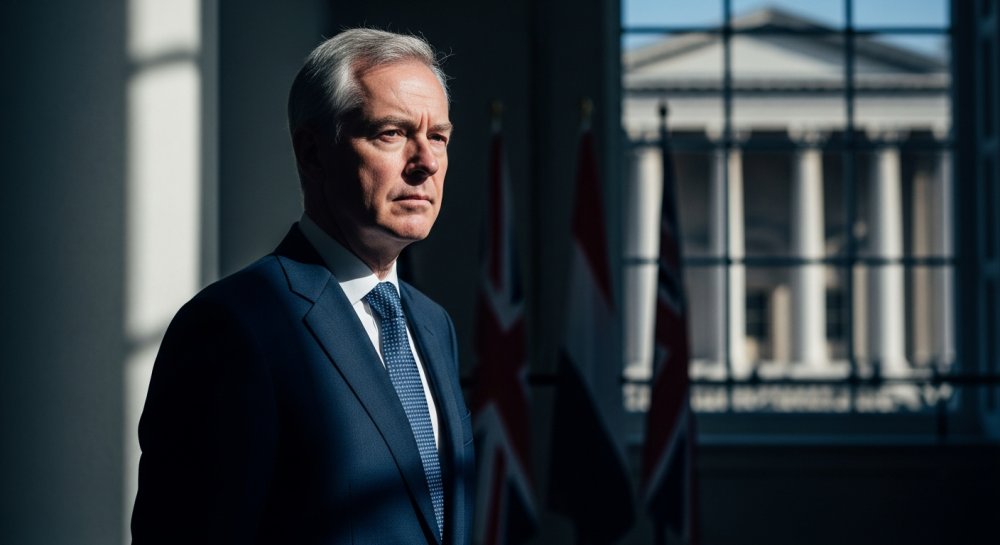
A stunning revelation has emerged from across the Atlantic that should concern every American who values accountability in government. Peter Mandelson, appointed as the United Kingdom’s ambassador to the United States, was previously flagged as a security risk by British intelligence services. Yet despite this warning, he was given one of the most sensitive diplomatic positions in the Western alliance.
This appointment represents a troubling pattern we’ve seen too often in government: the prioritization of political connections over security concerns and common sense. When intelligence professionals raise red flags about an individual’s suitability for high office, those warnings should be heeded, not dismissed.
The situation highlights a broader crisis of integrity in political leadership. At a time when public trust in government institutions has reached historic lows, our leaders should be working to restore confidence through transparency and accountability. Instead, decisions like this erode what little trust remains.
For Christians, this matter touches on fundamental principles of stewardship and responsibility. Those who seek positions of public trust must be held to the highest standards of integrity. Scripture is clear that leaders will be held accountable for their actions and decisions.
The vetting process for such critical positions exists for good reason. National security cannot be compromised for political expediency or personal relationships. The UK-US alliance is one of the most important diplomatic relationships in the free world, involving the sharing of highly classified intelligence and coordination on matters of war and peace.
When security professionals raise concerns about an individual’s suitability, those concerns stem from real risks. These aren’t political considerations but practical assessments of whether someone can be trusted with the nation’s most sensitive secrets and represent their country’s interests faithfully.
This controversy also reflects a deeper problem: the disconnect between political elites and ordinary citizens. While everyday Americans must pass background checks for even modest positions of responsibility, it appears that political insiders can bypass such scrutiny when it’s convenient for those in power.
The American people deserve better. We deserve leaders who prioritize national security over political favors. We deserve transparency about the decision-making process when security concerns are overridden. And we deserve accountability when those decisions prove problematic.
As people of faith, we are called to pray for our leaders and for those in positions of authority. But prayer does not mean blind acceptance of poor judgment. We can and should expect our government officials to act with wisdom, discernment, and integrity.
This situation serves as a reminder of why civic engagement matters. When we disengage from the political process or assume that decisions are beyond our influence, we create space for this kind of questionable judgment to flourish unchecked.
The erosion of trust in political institutions didn’t happen overnight, and it won’t be restored quickly. But every decision matters. Every appointment sends a message about what standards we will accept from our leaders. And every time security concerns are dismissed for political convenience, we move further from the principled leadership our nations desperately need.
Moving forward, both American and British citizens should demand answers. What were the specific security concerns? Why were they deemed acceptable risks? Who made the final decision to proceed with the appointment despite the warnings? These aren’t unreasonable questions; they’re the minimum accountability we should expect.
In these uncertain times, with threats from adversaries abroad and division at home, we cannot afford to compromise on the integrity of our diplomatic corps. The special relationship between our nations depends on mutual trust and shared commitment to security.
Let us pray that our political leaders, on both sides of the Atlantic, will choose integrity over expediency, transparency over secrecy, and national security over personal connections. The stakes are simply too high for anything less.
Let us know what you think, please share your thoughts in the comments below.

Faith Facts
- Spiritual abuse in church settings often stems from leaders exploiting congregants’ trust and spiritual authority for personal gain or control
- Many survivors of church-based trauma struggle with whether to remain in the faith or abandon it entirely
- Biblical discernment and proper understanding of Christ versus His fallible followers can provide a foundation for healing and continued faith
When spiritual leaders betray the trust placed in them, the wounds cut deep. For many Christians, abuse at the hands of church authorities creates a crisis of faith that threatens to upend everything they once believed.
The question becomes urgent: Should we walk away when the Church disappoints us, or should we stay?
This dilemma confronts thousands of believers who have experienced manipulation, control, or outright abuse within church walls. The pain is real, the betrayal profound. Yet some choose to remain in the faith — not out of naivety, but with clearer expectations, deeper discernment, and a stronger foundation.
The distinction between Christ and His imperfect followers becomes critical in these moments. Our faith rests not on fallible human institutions, but on the unchanging character of God Himself. Church leaders may fail spectacularly, revealing themselves as wolves in shepherd’s clothing, but that does not diminish the truth of Scripture or the redemptive work of Jesus Christ.
Spiritual abuse often manifests through manipulation of biblical teaching, exploitation of congregants’ genuine desire to serve God, and the weaponization of authority. Leaders may demand unquestioning obedience, isolate members from outside relationships, or create cultures of fear masked as reverence. These tactics have no place in authentic Christian community, which should reflect Christ’s humility and servant leadership.
Survivors of such abuse face a difficult road to healing. The trauma intertwines with their spiritual identity, making it challenging to separate the abuser’s actions from God’s character. Well-meaning friends may inadvertently add to the pain by minimizing the abuse or pressuring quick forgiveness without proper accountability.
Yet walking away entirely may not address the deeper questions that emerge from spiritual trauma. If we leave solely because of human failure, we may miss the opportunity to build a more resilient faith — one grounded in Scripture rather than personality, in Christ rather than charisma, in truth rather than tradition.
This doesn’t mean staying in abusive environments. Wisdom demands removing ourselves from harm and toxic leadership. But it does mean carefully examining what we’re leaving and what we’re keeping. Are we rejecting an abusive system, or are we rejecting Christ Himself?
The path forward requires discernment, healthy boundaries, and often professional help. It means learning to distinguish between biblical authority and authoritarian control. It involves finding communities that model Christ’s love authentically, where leadership serves rather than lords over the flock.
For those who choose to stay in the faith after experiencing church-based trauma, the journey demands courage. It requires holding leaders accountable while extending grace to imperfect congregations. It means protecting our hearts without becoming cynical, remaining engaged without becoming naive.
Scripture itself warns repeatedly about false teachers and wolves among the sheep. These warnings exist precisely because God knows the Church will face corruption. His Word equips us to recognize deception and stand firm in truth, even when institutions fail.
The decision to remain in faith after spiritual abuse isn’t about excusing wrongdoing or pretending the damage didn’t occur. It’s about recognizing that our hope was never meant to rest in human systems. Our foundation is Christ, the cornerstone that cannot be shaken, regardless of how many earthly structures crumble around it.
Those who emerge from spiritual abuse with faith intact often develop a more mature, tested Christianity. They’ve learned to read Scripture for themselves, to question leadership appropriately, to trust God rather than personalities. Their faith, forged in fire, becomes a testimony to God’s faithfulness even when His people fail.
Let us know what you think, please share your thoughts in the comments below.


Faith Facts
- Elizabeth Smart says bodybuilding has become a way to honor the body and life God preserved for her.
- She survived a kidnapping ordeal as a teenager and now advocates for child safety through her foundation.
- Smart recently won first place in her category at the Wasatch Warrior competition in Salt Lake City.
Kidnapping survivor Elizabeth Smart is testifying to the strength of the human spirit by celebrating her body’s resilience following years of trauma.
The mother and advocate recently shared that she has taken up bodybuilding to honor the life and strength God has preserved in her.
Smart, who was abducted at age 14 and survived 9 months of captivity, now uses her platform to advocate for child safety through her namesake foundation.
She recently won first place in her category at the Wasatch Warrior competition in Salt Lake City.
Faith Facts
- Pastor Steve Maile was arrested by three officers while street preaching in Watford.
- He said he was simply exercising his religious convictions and denied wrongdoing.
- The incident has renewed concerns about religious liberty and free speech in the United Kingdom.
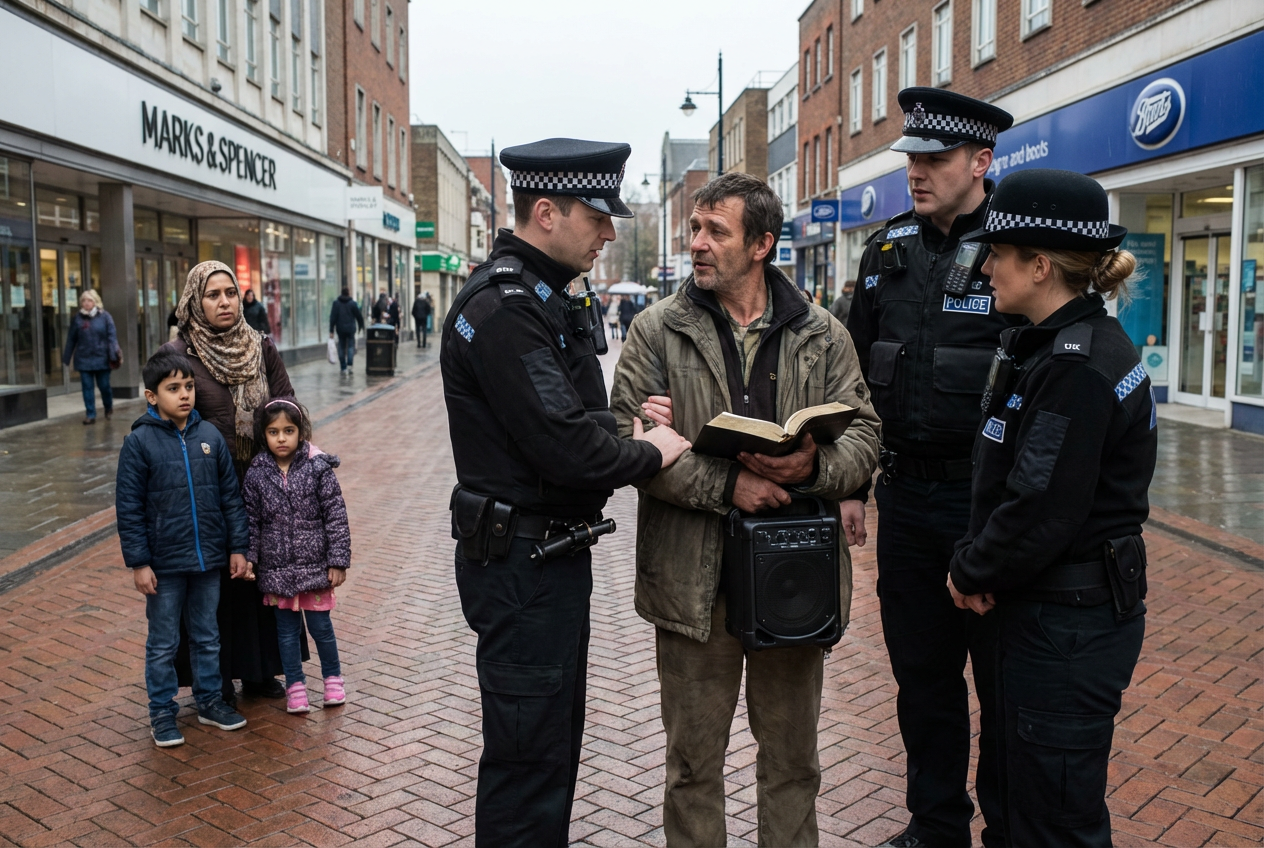
A disturbing video has surfaced showing Pastor Steve Maile being arrested while sharing the Word of God on the streets of Watford. Despite his peaceful ministry, three officers detained the senior pastor of Oasis City Church in front of his wife and children.
Maile maintains that he committed no crime and was merely exercising his religious convictions. The police claimed the arrest involved a public order offense, yet the pastor firmly denies all allegations and vows to remain a faithful witness for Christ.
“You will never ever stop Steve Maile from preaching the Gospel of Jesus Christ.”
This incident follows a growing trend of street preachers facing legal harassment in the United Kingdom for their public testimonies. While some officers have recently defended free speech, others continue to target Christians who challenge secular or non-Christian ideologies.
As the world grows increasingly hostile to the truth of Scripture, believers must remain steadfast in their commitment to the Great Commission. We must pray for the protection of our brothers and sisters who face persecution for standing on the promises of God.


-

 Self-Reliance1 year ago
Trump’s Bold Move Uncovers Massive Social Security Fraud
-

 Faith1 year ago
New Clues Emerge in Noah’s Ark Mystery
-

 News1 year ago
Governor Walz’s Rhetoric Sparks National Controversy
-

 News1 year ago
Mel Gibson’s ‘The Passion of the Christ’ Sequel Title Announced
-

 Family1 year ago
Texas Lawmaker Targets Furries in Schools
-

 Freedom1 year ago
Maine Lawmaker Challenges Sports Fairness Controversy
-

 Family11 months ago
Canada’s Controversial Policy Sparks Ethical Debate
-
Faith5 months ago
Congress Hears Pleas for Nigerian Christians