
Faith
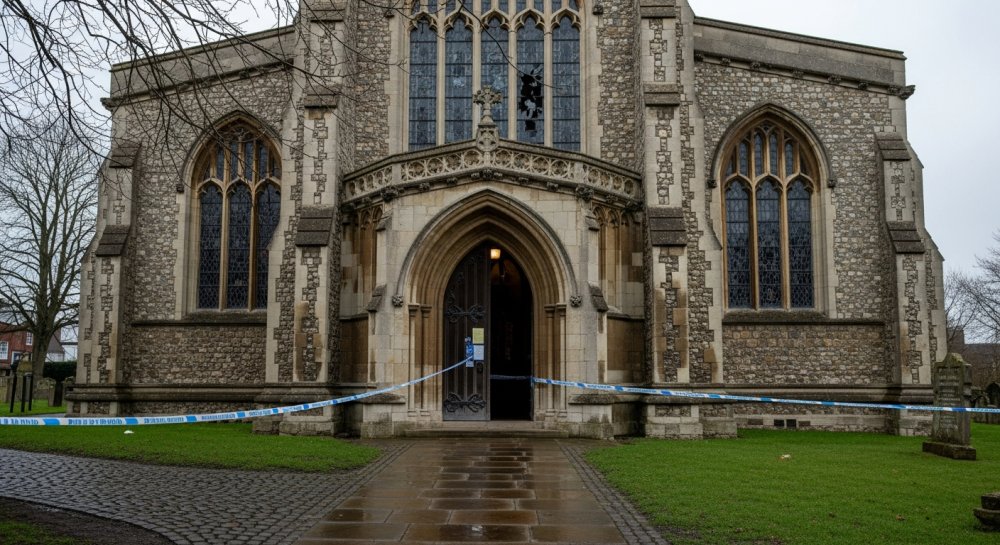
Sacred Spaces Under Siege as Crime Ravages Britain’s Churches

Faith Facts
- UK churches experience an average of 10 crimes per day, threatening historic sacred spaces and their communities
- The National Churches Trust warns that rising crime is forcing congregations to choose between security and welcoming worshipers
- Attacks on churches represent a broader assault on Christian heritage and religious freedom in Britain
Britain’s historic churches, once safe havens for prayer and community gathering, are now facing an unprecedented crisis. A troubling new report reveals that these sacred spaces are being targeted by criminals at an alarming rate of ten crimes daily across the United Kingdom.
Claire Walker of the National Churches Trust has spoken out about the devastating impact this crime wave is having on churches and the faithful communities they serve. The attacks go far beyond simple property damage—they strike at the heart of Britain’s Christian heritage and the ability of congregations to worship freely.
These houses of God, some standing for centuries as beacons of faith and stability, now find themselves vulnerable to theft, vandalism, and desecration. Church leaders face an impossible dilemma: invest precious resources in security measures or maintain the open, welcoming atmosphere that has defined Christian worship for generations.
The financial burden falls heaviest on smaller congregations already struggling with declining attendance and mounting maintenance costs for aging buildings. Money that could support ministry, outreach, and community programs instead goes toward locks, cameras, and repairs from criminal damage.
Beyond the monetary cost lies something even more precious—the loss of sacred peace. Parishioners who once found solace and refuge within church walls now enter their sanctuaries with wariness. Clergy must balance their calling to offer hospitality with the stark reality of protecting irreplaceable religious artifacts and the safety of their flocks.
The crime epidemic affecting Britain’s churches reflects a broader cultural shift away from respect for religious institutions and Christian values. What was once unthinkable—violating a sacred space—has become commonplace as traditional moral boundaries erode.
Historic stained glass windows, priceless religious artwork, and ancient architectural features that survived wars and centuries of turmoil now face destruction at the hands of modern criminals. Each act of vandalism or theft doesn’t just damage property; it severs another link to Britain’s rich Christian past.
Church communities are calling for stronger protections and increased law enforcement attention to these crimes. They argue that attacks on religious buildings should be treated with the seriousness they deserve, not dismissed as minor property crimes but recognized as assaults on religious freedom and cultural heritage.
Some congregations have begun organizing volunteer watch programs and installing sophisticated security systems. While these measures provide some protection, they cannot fully replace the organic security that once came from a society that universally respected sacred spaces.
The situation demands urgent action from both government authorities and communities. Britain’s churches have served as spiritual anchors and community centers for countless generations. Allowing them to become crime targets unchecked threatens not just buildings, but the very fabric of Christian community life.
As people of faith, we must stand firm in protecting these sacred spaces while continuing to fulfill our mission of welcoming all who seek God. The answer lies not in retreating behind fortress walls, but in reclaiming the moral foundation that once made such defenses unnecessary.
Let us know what you think, please share your thoughts in the comments below.



Faith Facts
- Some seekers are rejecting a distorted picture of Christianity, not the true Gospel.
- Faith in Christ is presented as freedom and restoration, not mere rule-keeping.
- Christian transformation is described as redeeming identity rather than erasing it.
Many seekers today are not rejecting the true Gospel of Jesus Christ, but rather a distorted version of it fueled by secular myths. Instead of hostility, believers often encounter earnest questions about whether following Christ means losing one’s identity or living under a oppressive weight of rules.
The Christian life is not about human limitation, but about human formation and the freedom found in reordering our priorities toward our Creator. When we address these misunderstandings with grace, we demonstrate that faith is not an intellectual compromise but an invitation to total restoration.
“God loves us enough to meet us where we are, but loves us too much not to leave us there.”
As we labor with those seeking the truth, our task is to embody the love of Christ rather than simply winning a debate. By clarifying what Christianity actually is—a relationship of rescue and joy—we can help others see that it is safe to trust the Lord with their whole lives.
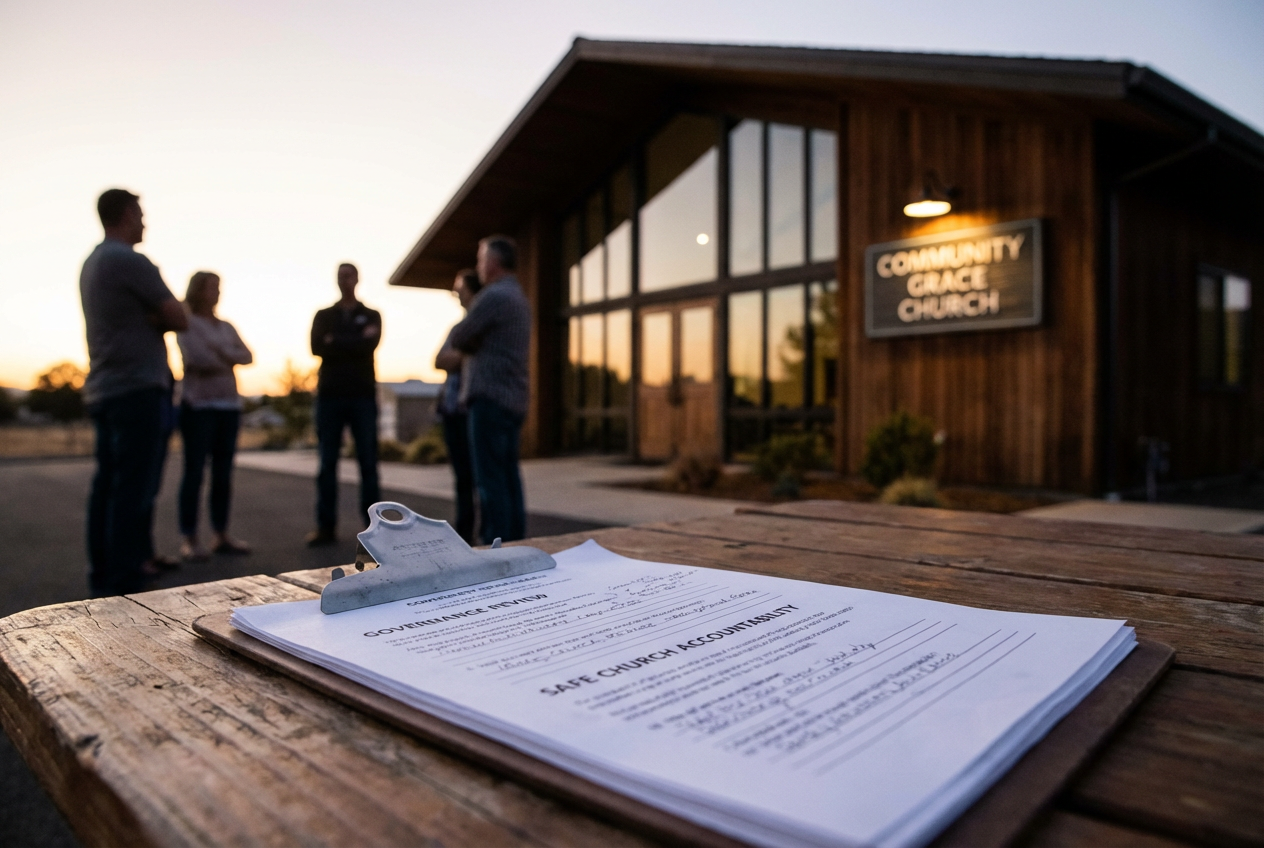
Bethel Church in Redding, California, has announced a formal review of its governance and internal culture following serious allegations of clergy sexual abuse. This decision expands an existing investigation into former pastor Ben Armstrong, who was placed on administrative leave earlier this year.
Church leadership emphasized their desire to uphold Biblical standards for authority and ensure the safety of their congregation. By engaging third-party experts, the ministry aims to establish clearer accountability structures and honor the heart of God through transparency.
Faith Facts
- A local church is called to higher moral standards and must prioritize the protection of the vulnerable within its flock.
- Truth and repentance are central to the Christian walk, making independent reviews important when leadership failure is alleged.
- Scripture requires leaders to be above reproach, and reporting systems like Safe Church can help support that integrity.
“We want to ensure we have established clear accountability structures [and] prioritized the safety of all those engaging with Bethel, and upheld the standards that Scripture calls our leadership and culture to reflect.”
While Bethel faces scrutiny over past handling of misconduct, the current pursuit of third-party oversight reflects a necessary step toward restoration.
Christians are encouraged to pray for the truth to be revealed and for healing for all parties impacted by these events.

Faith Facts
- Christ announced His purpose in Luke 4 to bring good news to the poor and release the oppressed.
- Research shows 71% of minority-led businesses possess high growth ambitions but face significant funding barriers.
- Gross lending to small businesses reached 68 billion recently, yet distribution remains inequitable for faith-based groups.
Faith communities possess a sacred duty to serve the whole person, following Christ’s example of providing for both spiritual and material needs. For generations, believers have closed the gap by feeding the hungry and housing the homeless where secular institutions failed to reach.
As we look toward economic justice, it is vital that Christian leaders claim their place at the table where capital is allocated. True stewardship requires ensuring that those with growth ambitions and honest labor have the financial tools necessary to flourish.
The Men’s Fellowship of RCCG House of Praise is taking a stand by launching The Elevate Forum to bridge the gap between resources and those who need them. This initiative reflects the biblical mandate to remove obstacles for those building impactful organizations in their communities.
Scheduled for April 25 in Birmingham, this civic gathering will convene entrepreneurs and funders to address the acute need for accessible capital. By fostering these connections, the church acts as a trusted mediator to ensure financial systems serve common good and justice.
The Gospel has always been concerned with the practical liberation of the underserved through biblical principles of fairness. We invite the wider church to support these efforts as we translate our convictions into meaningful action for our neighbors.


-

 Self-Reliance1 year ago
Trump’s Bold Move Uncovers Massive Social Security Fraud
-

 Faith1 year ago
New Clues Emerge in Noah’s Ark Mystery
-

 News1 year ago
Governor Walz’s Rhetoric Sparks National Controversy
-

 News1 year ago
Mel Gibson’s ‘The Passion of the Christ’ Sequel Title Announced
-

 Family1 year ago
Texas Lawmaker Targets Furries in Schools
-

 Freedom1 year ago
Maine Lawmaker Challenges Sports Fairness Controversy
-

 Family11 months ago
Canada’s Controversial Policy Sparks Ethical Debate
-
Faith5 months ago
Congress Hears Pleas for Nigerian Christians