
Faith
Renowned Theologian Issues Urgent Warning About Afterlife Visions

Faith Facts
- Leading theologian N.T. Wright cautions Christians against basing afterlife beliefs on near-death experiences
- Wright emphasizes Scripture, not personal visions, must remain the foundation of Christian doctrine
- The warning comes amid growing popularity of near-death experience testimonies in Christian circles
A prominent theologian is calling on believers to exercise discernment when encountering accounts of near-death experiences, emphasizing that Scripture—not subjective visions—must remain the cornerstone of Christian understanding about eternity.
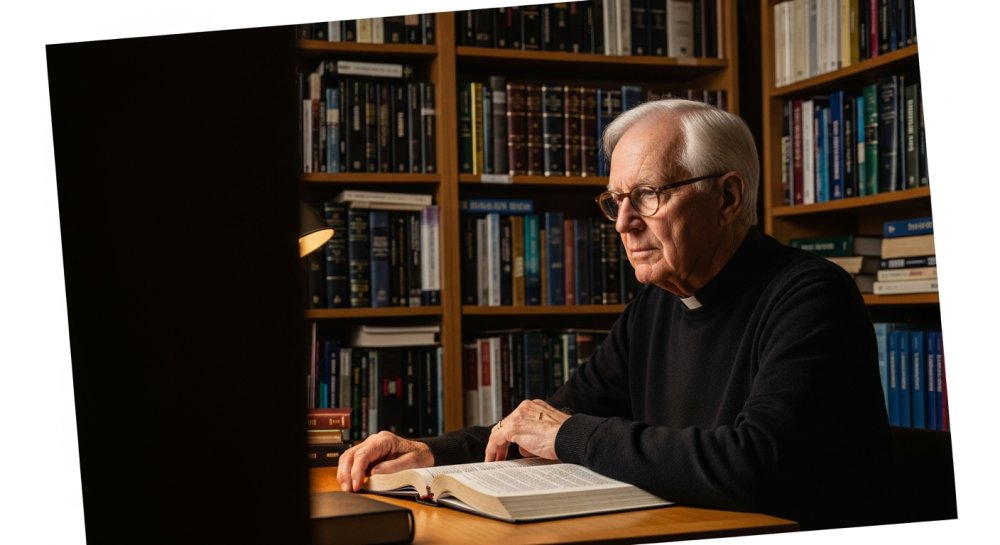
N.T. Wright, one of the most influential Christian scholars of our time, has issued a clear warning to the faithful. He cautions that visions of Heaven, Hell, or encounters with Jesus reported during near-death experiences should not become the foundation for Christian beliefs about the afterlife.
The renowned New Testament scholar’s message comes at a critical time when books, documentaries, and testimonies about near-death experiences have gained significant traction in Christian communities across America. While these accounts often capture public imagination and offer compelling narratives, Wright reminds believers that our faith must be anchored in the unchanging truth of God’s Word.
This call for biblical discernment reflects a fundamental principle of the Christian conservative worldview: Scripture alone holds the authority to define doctrine and shape our understanding of eternal matters. Personal experiences, no matter how vivid or moving, cannot supersede the revealed truth of the Bible.
Wright’s caution serves as an important reminder during an era when subjective experiences and feelings often compete with objective biblical truth. For Christians committed to traditional faith, the emphasis on Scripture over experience reinforces the importance of grounding beliefs in the solid foundation of God’s Word rather than the shifting sands of human testimony.
The theologian’s warning also highlights the responsibility Christians bear in teaching sound doctrine to the next generation. As families strive to pass down authentic faith, distinguishing between biblical truth and well-meaning but potentially misleading personal accounts becomes essential.
This issue touches on broader concerns about biblical literacy and doctrinal integrity in American churches. When sensational stories about the afterlife gain more attention than careful study of Scripture, the church risks drifting from its moorings in revealed truth.
For believers seeking to understand what awaits after death, Wright’s counsel points back to the reliable testimony of Scripture—the accounts of Jesus’ resurrection, the apostolic witness, and the prophetic visions recorded in God’s inspired Word. These provide the sure foundation for Christian hope.
Let us know what you think, please share your thoughts in the comments below.


Faith Facts
- Bank of America closed a Christian ministry’s account in 2020 citing internal policies against certain business types.
- Multiple ministries and faith-based organizations have reported similar account closures from major financial institutions.
- Faith-based groups are increasingly facing challenges accessing traditional banking services across the United States.
In 2020, Bank of America informed a Christian ministry that its account was being closed because the institution had chosen not to service certain types of businesses. The ministry initially believed this decision was isolated to their organization alone.
Further investigation revealed that other faith-based groups had encountered the same treatment from the same financial institution. The pattern suggests a broader policy affecting religious organizations seeking banking services.
“I thought we were the only ones. We weren’t.”
This experience highlights growing concerns among Christian ministries about access to essential financial services. Many traditional banks appear to be reevaluating their relationships with faith-based organizations.
The closure of accounts for religious ministries raises questions about religious liberty and equal access to financial services. Christian organizations across the country are exploring alternative banking options that align with their values and mission.
Let us know what you think, please share your thoughts in the comments below.
Faith Facts
- A group of pastors gathered to pray over Texas Attorney General Ken Paxton at a campaign rally, calling on God for supernatural favor in the final weeks before the Senate election.
- The clergy specifically invoked Romans 13, urging divine support for Paxton as he seeks to represent Texas in the United States Senate.
- The public prayer event reflects a growing trend of faith leaders openly supporting conservative candidates who align with traditional Christian values.
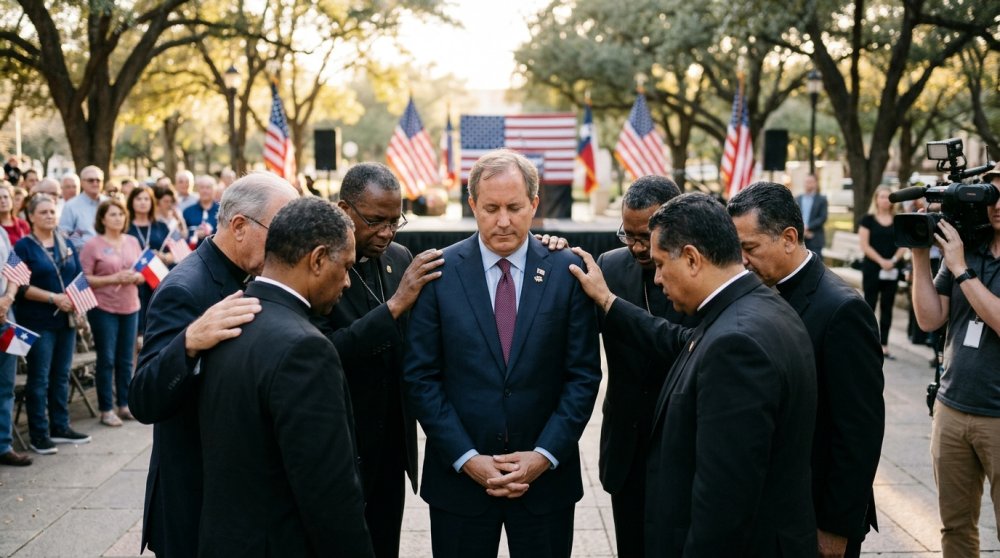
A group of Texas pastors publicly prayed over Republican Attorney General Ken Paxton at a campaign rally this week, asking God to grant him favor with voters in the final stretch of his Senate bid.
The clergy cited Romans 13 during the prayer, reminding supporters that governing authorities are called to serve as ministers of God for justice and order.
Pastors for Paxton gathered to pray over @KenPaxtonTX at his rally today in Conroe. Pastors @Steve_Riggle and @BuntrockJames led us in asking God to grant him wisdom, strength, and protection as he serves Texas. ???? https://t.co/8GQVrU5zxO
— Pastors For Paxton (@pastors4paxton) October 20, 2026
“Give him favor with voters.”
Paxton, who has long positioned himself as a defender of biblical values on issues like life, marriage, and religious liberty, welcomed the spiritual covering from the pastors in attendance.
The event underscores the deep connection many conservative voters in Texas feel between their faith and their political choices.
Let us know what you think, please share your thoughts in the comments below.
Faith Facts
- Frank Turek wakes each morning and ends each evening thinking of Charlie Kirk.
- One year after witnessing the assassination of the conservative activist, Turek continues his commitment to share the Gospel on college campuses.
- The loss of Charlie Kirk has strengthened Turek’s resolve to defend biblical truth among young people.
Christian apologist Frank Turek has carried the memory of Charlie Kirk with him every single day since witnessing the conservative activist’s assassination at Utah Valley University. The grief remains real, yet so does his steadfast determination to keep proclaiming the Gospel.
Each morning when he wakes and each night before he sleeps, Turek’s first and last thoughts return to Kirk. The loss of a friend and fellow defender of truth has left a deep mark, but it has not silenced his mission.
“The first person I think of when I wake up is Charlie.”
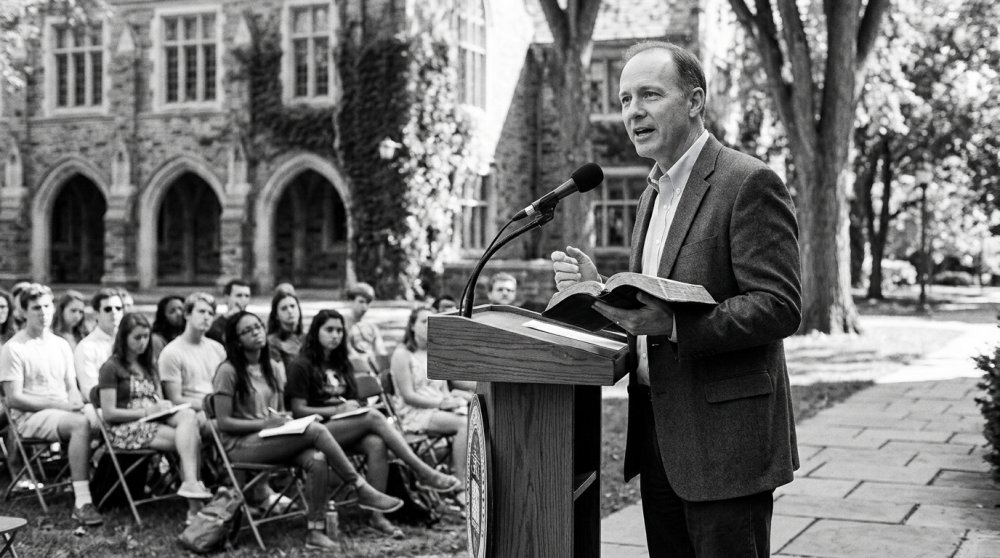
Turek’s ongoing work on college campuses reflects a commitment to the same values Kirk championed. He continues reaching students with biblical truth, refusing to let tragedy silence the message of Christ.
Let us know what you think, please share your thoughts in the comments below.


-

 Self-Reliance2 years ago
Trump’s Bold Move Uncovers Massive Social Security Fraud
-

 Faith2 years ago
New Clues Emerge in Noah’s Ark Mystery
-

 News2 years ago
Governor Walz’s Rhetoric Sparks National Controversy
-

 News2 years ago
Mel Gibson’s ‘The Passion of the Christ’ Sequel Title Announced
-

 Family2 years ago
Texas Lawmaker Targets Furries in Schools
-

 Freedom2 years ago
Maine Lawmaker Challenges Sports Fairness Controversy
-

 Family1 year ago
Canada’s Controversial Policy Sparks Ethical Debate
-
Faith11 months ago
Congress Hears Pleas for Nigerian Christians