
News
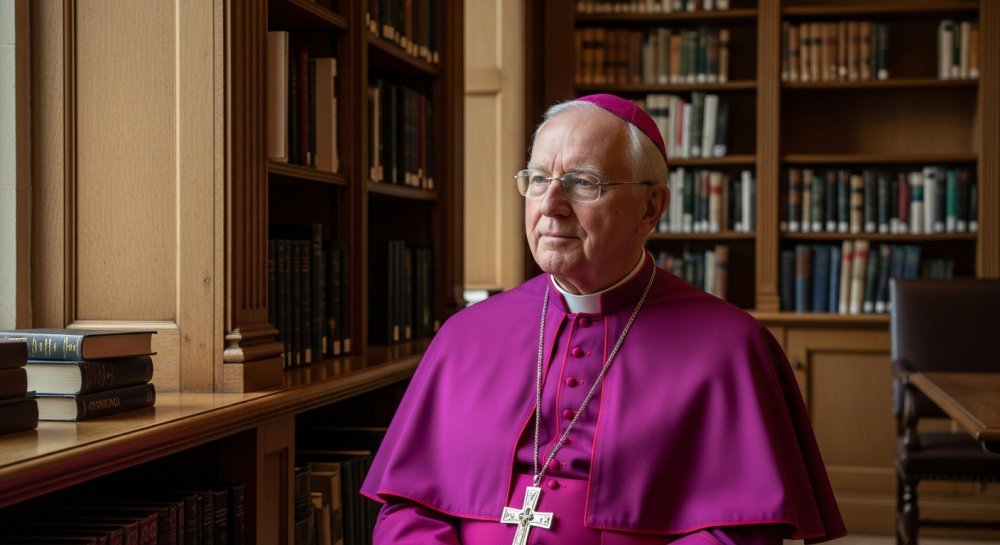
Renowned Bishop Who Bridged Faith and Public Life Passes Away

Faith Facts
- Richard Harries, former Bishop of Oxford, has passed away, drawing tributes from across the Church of England and the nation.
- The Archbishop of Canterbury called his death a “great loss” for both the church and the country.
- Bishop Harries was known for his dedication to bridging Christian faith with public discourse and intellectual engagement.
The Church of England is mourning the loss of one of its most distinguished voices. Richard Harries, who served as Bishop of Oxford, has died, prompting an outpouring of tributes from religious and civic leaders alike.
The Archbishop of Canterbury acknowledged the profound impact of Harries’ passing, describing it as a “great loss” for the church and the nation. His words reflect the widespread respect Harries commanded both within ecclesiastical circles and beyond.
Throughout his tenure as Bishop of Oxford, Harries became known for his thoughtful engagement with the intersection of Christian faith and public life. His ministry exemplified the kind of intellectual rigor and spiritual depth that has long been a hallmark of faithful Christian leadership in Britain.
The former bishop’s influence extended beyond the pulpit. He was recognized for his ability to articulate Christian perspectives on contemporary issues in ways that resonated with believers and challenged secular assumptions about faith’s place in modern society.
Harries’ legacy serves as a reminder of the vital role that principled Christian voices play in shaping cultural and moral discourse. In an era when traditional values are increasingly marginalized, leaders like Harries demonstrated that faithful witness and intellectual credibility need not be at odds.
His passing marks the end of a significant chapter in the Church of England’s engagement with the broader culture. For American Christians watching from across the Atlantic, his example offers encouragement that steadfast commitment to biblical truth can still command respect in the public square.
The tributes pouring in reflect not only personal affection but also recognition of a life devoted to serving God and speaking truth with grace and conviction. In remembering Bishop Harries, the faithful are reminded of the enduring power of a life well-lived in service to Christ and His church.
Let us know what you think, please share your thoughts in the comments below.

Faith Facts
- The Supreme Court ruled that asylum seekers denied entry before crossing into U.S. territory cannot claim legal ‘arrival’ status
- The high court authorized the Trump administration to end Temporary Protected Status for Haitian and Syrian nationals
- The decisions affirm executive authority over immigration policy and border enforcement procedures
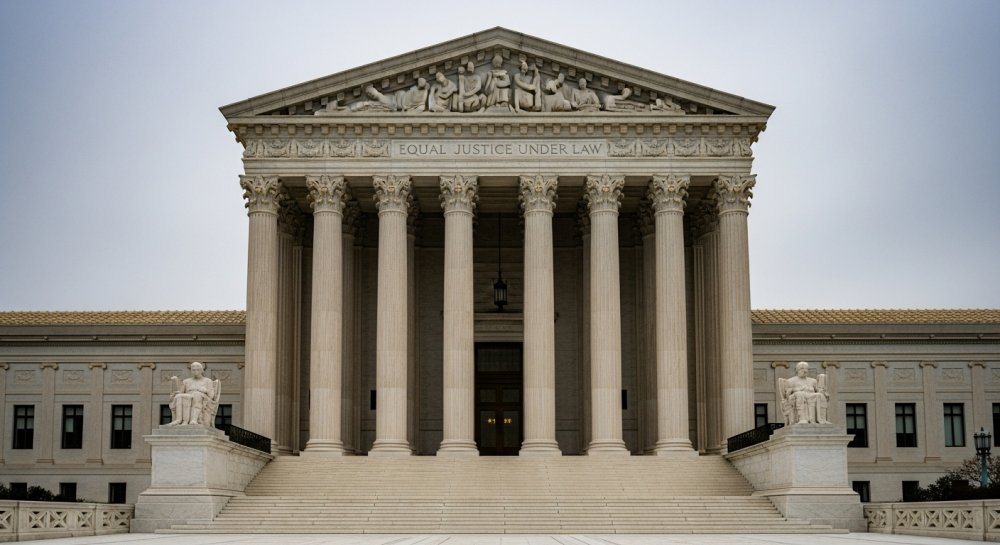
The United States Supreme Court issued two landmark rulings Thursday that significantly strengthen executive control over immigration enforcement and border security. The decisions mark a major legal victory for policies aimed at restoring order to America’s immigration system.
In the first ruling, the Court determined that asylum seekers who are turned away at the border before physically entering United States territory cannot claim they have legally “arrived” in the country. This distinction carries enormous implications for how asylum claims are processed and adjudicated.
The second decision grants the administration authority to terminate Temporary Protected Status for immigrants from Haiti and Syria. TPS has allowed certain foreign nationals to remain in the United States when their home countries face ongoing armed conflict, natural disasters, or other extraordinary conditions.
These rulings clarify the boundaries of executive authority in managing immigration policy, a power explicitly granted to the president under the Constitution. For Americans concerned about border security and the rule of law, the decisions represent a return to common-sense interpretation of immigration statutes.
The Court’s asylum ruling addresses a critical loophole that had encouraged illegal border crossings. By establishing that physical entry into the United States is required for legal “arrival,” the justices have reinforced the principle that America’s borders are real and meaningful.
The TPS decision acknowledges that while humanitarian concerns matter, immigration policy must balance compassion with national interest and the capacity to absorb newcomers. Temporary Protected Status was designed as an emergency measure, not a pathway to permanent residency.
Christian conservatives have long advocated for immigration policies that honor both biblical commands to welcome the stranger and the biblical principle that nations have legitimate authority to secure their borders and govern entry. These Supreme Court decisions support that balanced approach.
Legal experts note that Thursday’s rulings provide much-needed clarity for immigration enforcement officials who have struggled with conflicting lower court decisions. The Supreme Court has now established clear precedents that will guide future cases.
Immigration remains one of the most contentious issues facing the nation, with Americans deeply divided over how to balance security, humanitarian concerns, and economic impacts. These decisions empower elected officials to make those policy choices rather than having courts impose solutions.
The rulings also demonstrate the lasting impact of judicial appointments on American governance. The composition of the Supreme Court directly affects how constitutional powers are interpreted and applied to critical national questions.
Let us know what you think, please share your thoughts in the comments below.
Faith Facts
- Two major earthquakes measuring 7.2 and 7.5 magnitude struck northern Venezuela on Wednesday, claiming at least 32 lives
- More than 700 people were injured as tremors caused widespread damage across Caracas and surrounding regions
- The disaster adds to the mounting challenges facing the Venezuelan people, who continue to endure economic and humanitarian crises
Northern Venezuela experienced two catastrophic earthquakes on Wednesday, bringing tragedy and destruction to a nation already suffering under severe hardship. The powerful tremors measured 7.2 and 7.5 on the magnitude scale, striking fear into communities across the region.
Officials confirmed that at least 32 people lost their lives in the disaster, with more than 700 individuals sustaining injuries. The death toll may continue to rise as rescue teams work through damaged structures and reach remote areas affected by the quakes.
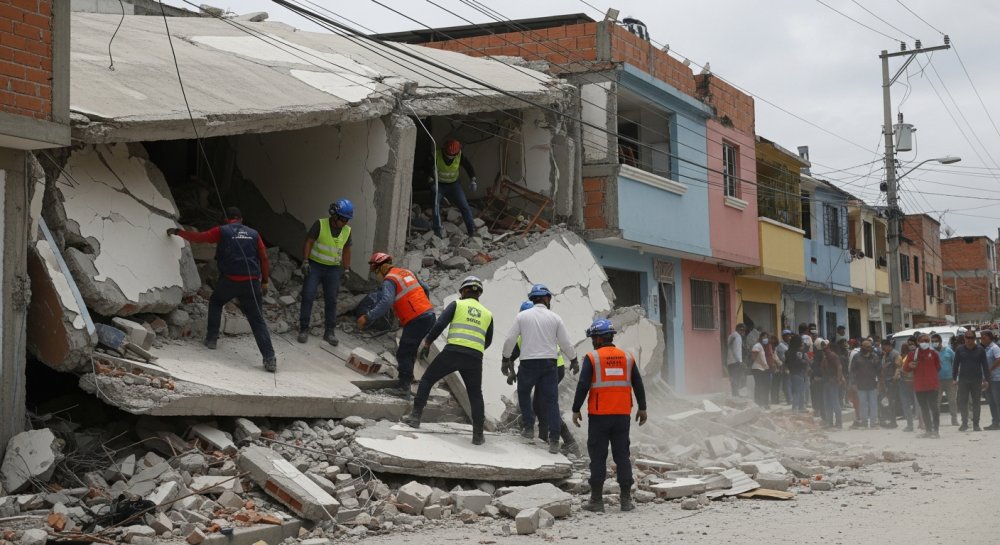
Caracas, Venezuela’s capital city, bore significant damage from the seismic events. Buildings collapsed, infrastructure crumbled, and families found themselves displaced from their homes. The widespread destruction extended beyond the capital, affecting numerous communities throughout northern Venezuela.
The earthquakes present yet another trial for the Venezuelan people, who have endured years of economic collapse, political turmoil, and humanitarian crisis. This natural disaster compounds the difficulties facing families who were already struggling to meet basic needs.
Emergency response teams mobilized quickly to search for survivors trapped in rubble and provide medical care to the injured. Hospitals and medical facilities, already strained by the country’s ongoing crisis, now face the additional burden of treating hundreds of earthquake victims.
The international community watches as Venezuela grapples with this latest catastrophe. Many faith-based organizations and relief agencies are assessing how to provide humanitarian assistance to those affected by the devastating earthquakes.
As rescue operations continue, the focus remains on locating survivors and providing emergency shelter, food, and medical care to those impacted. The Venezuelan people face a long road to recovery as they rebuild homes, businesses, and communities shattered by these powerful natural forces.
This disaster serves as a reminder of our need to depend on God’s strength in times of crisis and to extend compassion to those suffering. Americans of faith are called to remember the Venezuelan people in prayer during this difficult time.
Let us know what you think, please share your thoughts in the comments below.
Faith Facts
- Two powerful earthquakes, measuring magnitude 7.2 and 7.5, struck northern Venezuela on Wednesday near the city of Maiquetía
- Christian ministries and churches immediately mobilized relief efforts to assist affected communities
- The twin quakes caused serious structural damage across the region, testing the faith and resilience of Venezuelan believers
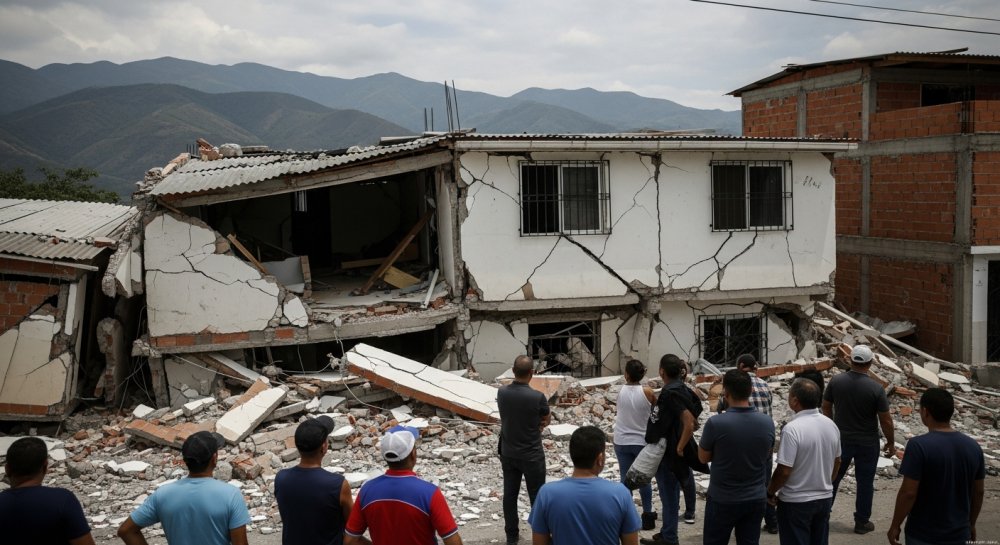
Northern Venezuela experienced a devastating double blow on Wednesday when two powerful earthquakes struck in rapid succession. The temblors, measuring magnitude 7.2 and 7.5, rocked communities near the coastal city of Maiquetía, leaving widespread damage and shaken residents in their wake.
The back-to-back seismic events have created an urgent humanitarian crisis in a nation already facing economic and political challenges. Buildings sustained serious structural damage, infrastructure was compromised, and families found themselves displaced from their homes with little warning.
In the immediate aftermath, Christian ministries and local churches demonstrated the power of faith in action by quickly organizing relief operations. These faith-based organizations are mobilizing volunteers, gathering emergency supplies, and coordinating efforts to reach the most vulnerable populations affected by the disaster.
The earthquakes serve as a sobering reminder of life’s fragility and the importance of community resilience rooted in faith. Venezuelan believers are turning to prayer and mutual support as they begin the long process of recovery and rebuilding.
Christian relief organizations with experience in disaster response are assessing the full extent of the damage while working to ensure that food, water, medical supplies, and temporary shelter reach those in greatest need. The faith community’s rapid response reflects the biblical call to serve others in times of crisis.
As Venezuela faces this natural disaster, the global Christian community is called to remember our brothers and sisters there in prayer and to support relief efforts through established ministries working on the ground.
Let us know what you think, please share your thoughts in the comments below.


-

 Self-Reliance1 year ago
Trump’s Bold Move Uncovers Massive Social Security Fraud
-

 Faith1 year ago
New Clues Emerge in Noah’s Ark Mystery
-

 News1 year ago
Governor Walz’s Rhetoric Sparks National Controversy
-

 News1 year ago
Mel Gibson’s ‘The Passion of the Christ’ Sequel Title Announced
-

 Family1 year ago
Texas Lawmaker Targets Furries in Schools
-

 Freedom1 year ago
Maine Lawmaker Challenges Sports Fairness Controversy
-

 Family1 year ago
Canada’s Controversial Policy Sparks Ethical Debate
-
Faith7 months ago
Congress Hears Pleas for Nigerian Christians