Faith
Protecting Marriage Law: One Standard for All
Faith Facts
- Biblical marriage, upheld by British law, provides essential protection for women and children.
- The Coalition for Marriage is urging the UK to make civil marriage compulsory before or at any religious ceremony to uphold justice and social order.
- A government review has warned that legitimising alternative “courts” risks undermining family stability and Christian values in society.
Safeguarding the institution of marriage is fundamental to strengthening family life and building a free, just society rooted in Christian principles.
Christian and Jewish marriages are already faithfully aligned with British law, but current confusion is causing the rise of “parallel” marriages which threaten the rights and safety of women and children.
The Coalition for Marriage has challenged misleading official statements equating sharia councils with lawful family courts, pointing out that only civil marriage ensures legal rights and protection.
“Stop legitimising private forums as ‘courts’ in official speech”
C4M urged.
There must be one law of marriage for all, ensuring clear accountability and safeguarding all families, especially the most vulnerable.
The call for compulsory civil marriage with strong penalties aligns with biblical justice and protects the dignity of every person made in God’s image.
“A civil marriage gives both spouses the protections that private ceremonies simply do not”
C4M said.
Faithful Christians are called to honor God’s design for marriage, uphold the law, and shine a light for righteousness in public life.
Join the mission to defend this foundation of faith and freedom for every family.
Faith
Native American Church Brings Sacred Land Battle to Supreme Court
Faith Facts
- Members of the Lipan Native American Church are petitioning the Supreme Court to protect ceremonial grounds in San Antonio’s Brackenridge Park used for worship for centuries
- The case centers on whether government development projects can proceed on land considered sacred by religious practitioners
- The dispute involves tensions between municipal park redevelopment plans and First Amendment religious freedom protections
A significant religious freedom case has reached the nation’s highest court, as members of the Lipan Native American Church seek protection for what they describe as sacred ceremonial grounds. The petition asks the Supreme Court to intervene in a dispute over San Antonio’s plans to redevelop portions of Brackenridge Park, land where the church claims its members have conducted religious ceremonies for hundreds of years.
At the heart of this legal battle lies a fundamental question: How far do religious liberty protections extend when they conflict with government property development? For the Lipan Native American Church, the answer carries profound spiritual significance. Their members maintain that the land in question has been consecrated through generations of worship and ceremonial practice.
The case presents complex constitutional questions about the scope of religious freedom guarantees under the First Amendment. American law has long recognized the importance of protecting religious exercise, but disputes frequently arise when those practices intersect with government land use and public property management.
San Antonio officials face the challenge of balancing their responsibilities to maintain and improve public parks with the religious claims of those who view specific locations as spiritually significant. Park redevelopment projects typically involve infrastructure improvements, environmental restoration, and enhanced public access—goals that may conflict with preserving sites in their current state.
Religious freedom advocates have watched similar cases closely in recent years, as courts grapple with how to apply constitutional protections to diverse faith traditions and practices. The outcome could have implications beyond this specific dispute, potentially affecting how government entities across the nation approach development decisions involving religiously significant land.
The petition to the Supreme Court represents the latest chapter in what has been an ongoing legal struggle. Lower courts have already weighed the competing interests, but the church believes the matter warrants consideration by the nation’s highest judicial authority.
For members of the Lipan Native American Church, the stakes extend beyond legal principles to the preservation of their spiritual heritage. They argue that the ability to continue their religious practices on ancestral ceremonial grounds represents a fundamental expression of faith deserving constitutional protection.
The Supreme Court receives thousands of petitions annually and accepts only a small fraction for full consideration. If the justices agree to hear this case, it would provide them an opportunity to clarify how religious freedom protections apply when sacred sites are located on government-owned property. The decision whether to grant review will be closely watched by religious liberty organizations, indigenous rights groups, and municipal governments nationwide.
This dispute highlights the ongoing challenges of maintaining America’s commitment to religious freedom in an increasingly diverse society. As different faith communities seek to practice their beliefs according to their traditions, tensions with public land use and government administration are likely to continue arising. How the courts resolve these conflicts will shape the practical boundaries of religious liberty for years to come.
Let us know what you think, please share your thoughts in the comments below.
Faith
Pakistani Lawmaker Moves to Replace Colonial Christian Marriage Law
Faith Facts
- A Pakistani lawmaker has introduced legislation to replace a 154-year-old Christian marriage law in Khyber Pakhtunkhwa Province.
- The proposed bill aims to strengthen legal protections for Christian families in the predominantly Muslim region.
- The current law dates back to the British colonial era and requires significant modernization to serve today’s Christian community.
In a significant move affecting the Christian minority in Pakistan, a woman member of the Khyber Pakhtunkhwa Provincial Assembly has put forward a private member’s bill targeting outdated marriage legislation. The proposed reform would replace a colonial-era law that has governed Christian marriages in the province for more than 150 years.
The existing Christian marriage law, established during British rule in 1870, has long been criticized for failing to address the contemporary needs of Pakistan’s Christian population. The new legislation seeks to provide enhanced legal safeguards for Christian families in a region where they constitute a small religious minority.
Pakistan’s Christian community, representing approximately 2% of the nation’s population, has faced ongoing challenges in securing adequate legal protections for family matters including marriage, divorce, and inheritance. The Khyber Pakhtunkhwa Province, located in the northwest region of Pakistan bordering Afghanistan, has been particularly challenging for religious minorities.
The introduction of this bill represents a rare legislative effort to address the concerns of Pakistan’s Christian community at the provincial level. Advocates for religious freedom have long called for updated legal frameworks that reflect modern realities while respecting the faith traditions of minority communities.
The proposed legislation would modernize registration procedures, clarify spousal rights, and establish clearer guidelines for Christian marriages performed in the province. These reforms are seen as essential steps toward ensuring that Christian families receive equal treatment under Pakistani law.
While the bill faces an uncertain path through a legislature dominated by Muslim lawmakers, its introduction signals growing recognition of the need to protect minority religious rights in Pakistan. The Christian community has expressed cautious optimism that the measure could lead to meaningful improvements in their legal standing.
Religious freedom advocates both within Pakistan and internationally have noted the importance of such legislative initiatives. They argue that protecting the rights of religious minorities, including Christians, is essential to maintaining social stability and demonstrating Pakistan’s commitment to pluralism.
The outcome of this legislative proposal will be closely watched by Christian communities throughout Pakistan and by international observers monitoring religious freedom in the region. Success could provide a template for similar reforms in other Pakistani provinces.
Let us know what you think, please share your thoughts in the comments below.
Faith
Nigerian Christians Face Violence as Radical Militants Strike Two Villages
Faith Facts
- Two Christians were killed and seven kidnapped in coordinated raids on Christian villages in Kaduna state, Nigeria
- Suspected Fulani herdsmen attacked the communities, leaving dozens injured
- The violence against Nigerian Christians continues a disturbing pattern of persecution in the region
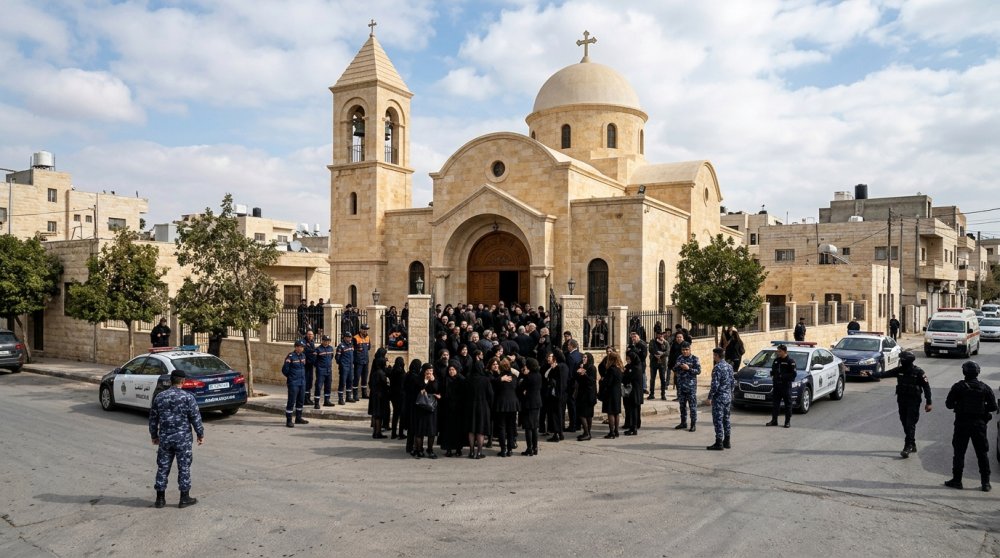
Suspected Fulani herdsmen launched coordinated attacks on two Christian villages in Kaduna state, Nigeria, resulting in tragic loss of life and multiple abductions. The raids, which occurred on Thursday, June 25, left two Christians dead, seven kidnapped, and dozens injured, according to local residents.
The attacks targeted Christian communities in the same region, marking another chapter in the ongoing persecution of believers in northern Nigeria. Kaduna state has become a focal point for violence against Christians, with radical militants increasingly targeting villages and churches.
The coordinated nature of the raids suggests a level of planning and organization by the attackers, who struck both communities in quick succession. Families have been torn apart by the kidnappings, while the injured are receiving medical treatment for their wounds.
This incident highlights the ongoing crisis facing Christians in Nigeria, where believers continue to face violence, displacement, and death at the hands of extremist groups. The international community has increasingly called attention to the systematic targeting of Christians in the region, yet attacks continue with alarming frequency.
Local authorities are investigating the attacks, but many Christian communities feel abandoned and vulnerable to future violence. The situation demands urgent attention from both Nigerian officials and international observers concerned with religious freedom and human rights.
Let us know what you think, please share your thoughts in the comments below.
-
Self-Reliance1 year agoTrump’s Bold Move Uncovers Massive Social Security Fraud
-

Faith1 year agoNew Clues Emerge in Noah’s Ark Mystery
-

News1 year agoGovernor Walz’s Rhetoric Sparks National Controversy
-

News1 year agoMel Gibson’s ‘The Passion of the Christ’ Sequel Title Announced
-

Family1 year agoTexas Lawmaker Targets Furries in Schools
-

Freedom1 year agoMaine Lawmaker Challenges Sports Fairness Controversy
-

Family1 year agoCanada’s Controversial Policy Sparks Ethical Debate
-
Faith7 months ago
Congress Hears Pleas for Nigerian Christians