
Faith
Prioritizing Spiritual Health for a Balanced Life


In a world increasingly focused on physical health, it’s crucial to remember the importance of nurturing our spiritual well-being. Dr. Marty Makary, appointed by President Donald Trump as the new head of the Food and Drug Administration, has emphasized the often-overlooked necessity of “soul care” as a vital component of overall health. Makary’s insights align with the core values of faith and family, reminding us that true health extends beyond the physical to encompass the mental, emotional, and spiritual dimensions of our lives.
Makary’s endorsement of Kerry Hasenbalg’s book, *The Way of Becoming: 12 Practices for a Thriving Soul*, highlights the significance of addressing our spiritual needs. Hasenbalg, who serves as the personal soul care advisor to Makary and his wife, offers practical guidance for developing a closer relationship with God. The book focuses on three essential pillars of spiritual care: reconciliation with God, reconciliation within oneself, and reconciliation with others.
“Soul care isn’t just for leaders or those in crisis — it’s for everyone,” Hasenbalg asserts, emphasizing that tending to our spiritual health is the only path to wholeness when life challenges us.
In today’s society, where many young people, particularly from Generation Z, face increasing levels of anxiety and depression, the need for a strong spiritual foundation is more apparent than ever. A study by the Cultural Research Center at Arizona Christian University reveals a concerning link between the absence of a biblical worldview and the mental health crisis in America. This study suggests that the rise in mental health issues is not merely due to psychological or chemical imbalances but rather “worldview deficiencies.”
George Barna, a researcher involved in the study, points out that only a small fraction of Gen Zers and millennials possess a biblical worldview. This lack of spiritual grounding often leads to feelings of hopelessness and a life lacking purpose. Barna highlights the importance of a biblical perspective, stating, “Without a solid foundation of truth, their lives become inconsistent and chaotic.”
The findings underscore the critical role of faith in providing emotional stability and a sense of purpose. A life rooted in biblical principles offers a framework for navigating life’s challenges with hope and resilience.
In a time when many young adults are drawn to syncretism, embracing a mix of beliefs without a clear foundation, the call to return to a biblical worldview is more urgent than ever. The values of faith, family, and freedom are not just traditional ideals; they are essential components of a fulfilling and stable life.
As we strive to uphold these values, let us remember the wisdom of Dr. Makary and the insights of researchers like Barna. By prioritizing soul care and embracing a biblical worldview, we can foster a society that is not only physically healthy but also spiritually and emotionally robust.
Let us know what you think, please share your thoughts in the comments below.

Faith Facts
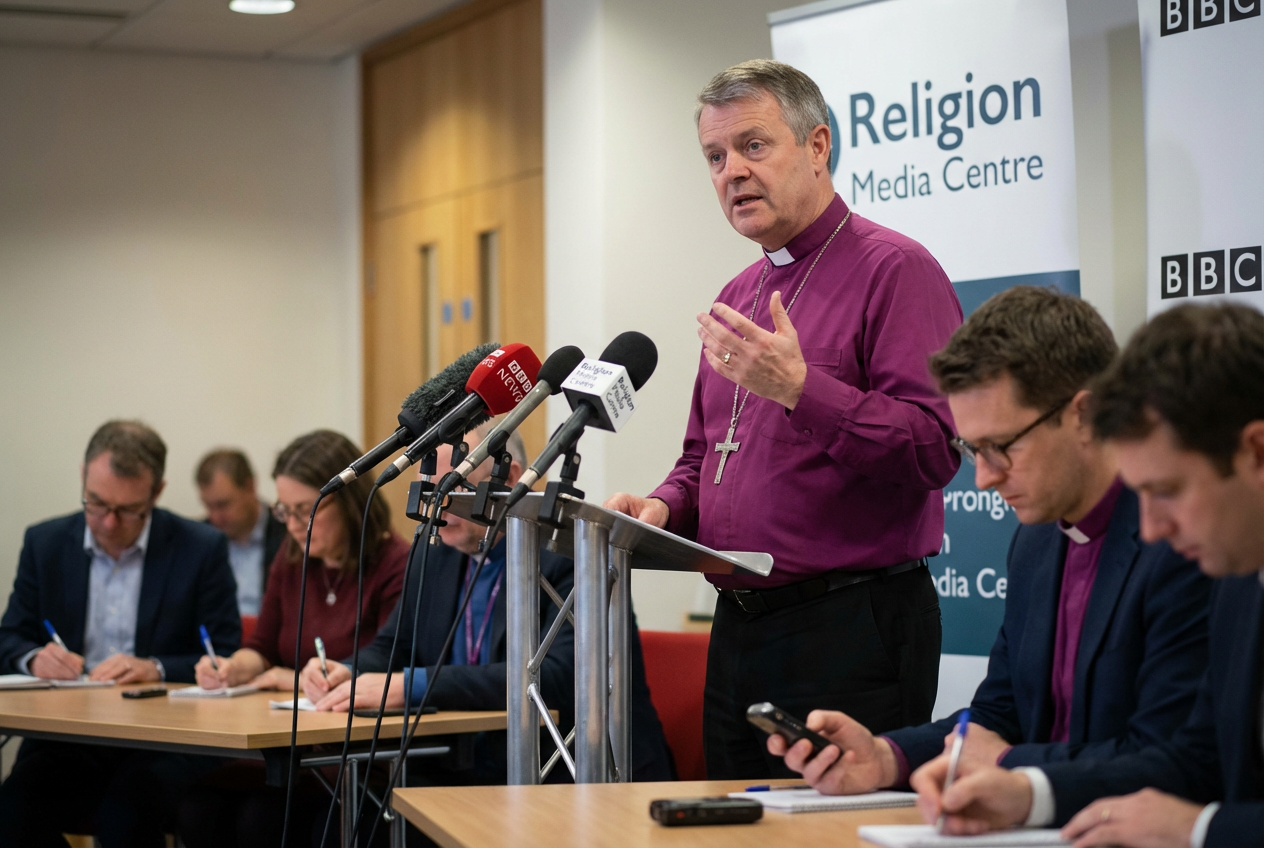
- Archbishop of York Stephen Cottrell slams BBC’s “appalling lack of religious literacy” at Religion Media Centre briefing.
- Former BBC Head of Religion Michael Wakelin agrees remedy lies in embedding religious understanding across all BBC output, not more faith programs.
- Religion remains vital for millions’ belonging, values, purpose, and identity in Britain, demanding media accountability.
The Archbishop of York courageously highlighted the BBC’s failure to grasp faith’s role in society, echoing Biblical calls to proclaim truth boldly. As a former BBC religion leader, Wakelin affirms strong specialist programs persist but broader institutional ignorance undermines them.
From news to dramas, BBC must reflect religion’s global influence and moral goods, honoring Christian heritage that shaped Britain’s freedoms. This literacy fosters workplaces accommodating believers and combats misinformation’s spiritual void.
“religion is still a huge influence in the world”
“The BBC doesn’t need a larger religious broadcasting department. It needs greater religious literacy across the corporation”
“religion is a vital part of how millions and millions of people in Britain today get their belonging, their values, their purpose, their identity.”
Stand firm for faith in media—pray for BBC renewal and support outlets upholding Biblical truth.
Faith Facts
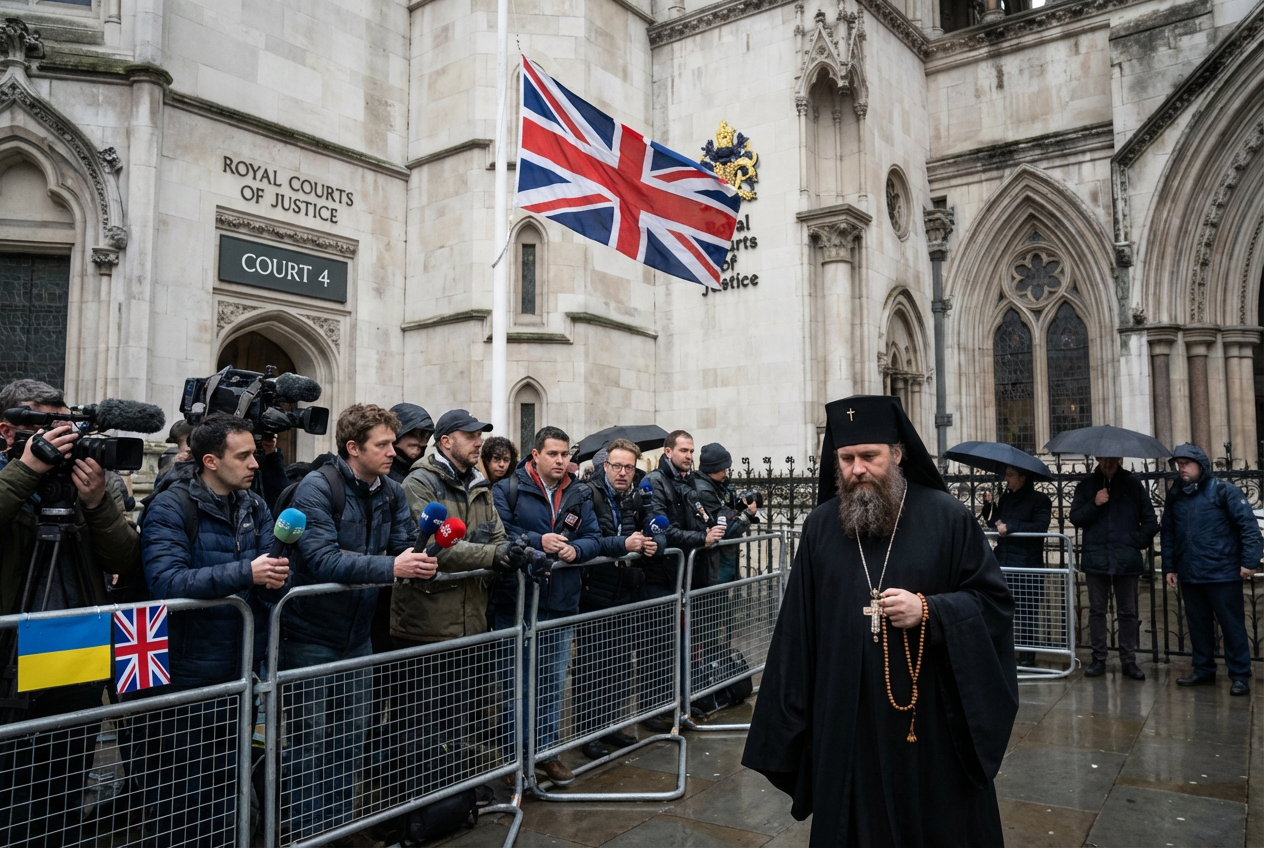
- British court denies Ukraine’s extradition of UOC supporter Artem Dmytruk, accused of torture by SBU.
- Dmytruk, Ukrainian MP and UOC subdeacon, opposed 2024 law banning UOC over alleged ROC ties.
- UOC declared independence from ROC in 2022, rejecting Russia’s military actions amid government crackdown.
A British court upheld religious liberty by rejecting Ukraine’s request to extradite Artem Dmytruk, a defender of the Ukrainian Orthodox Church facing trumped-up charges.
Dmytruk, the sole parliamentary voice against banning the UOC, lost his security and fled after SBU threats, echoing biblical calls to protect the faithful from oppression.
Despite forming a defense unit against Russia, President Zelensky’s regime pursues him, highlighting assaults on Christian autonomy.
SBU faces accusations of assassinating dissidents, mirroring FSB tactics while denying involvement.
Robert Amsterdam, representing Dmytruk and UOC, stated: “This ruling is a decisive win that recognises the lengths to which the Ukrainian government will go to silence political opposition, particularly as it relates to its violations of religious freedom.”
Amsterdam added: “Mr Dmytruk has not only condemned the Russian invasion, but actively took up arms in March 2022 when he formed a territorial defence unit in defence of his city against Russia. This has not stopped the administration of President Zelensky from seeking to forcibly return Mr Dmytruk over what are clearly trumped-up charges.”
Defend faith and freedom: Pray for persecuted believers and support champions of religious liberty worldwide.
Faith Facts
- The BBC’s Royal Charter expires in 2027, prompting a consultation on enhancing religious content across dramas and discussions.
- Religion supplies vital purpose, identity, and values for millions of Britons, demanding robust public broadcasting.
- Faith-based media acts as a bulwark against polarization, prejudice, and societal chaos, promoting cohesion.
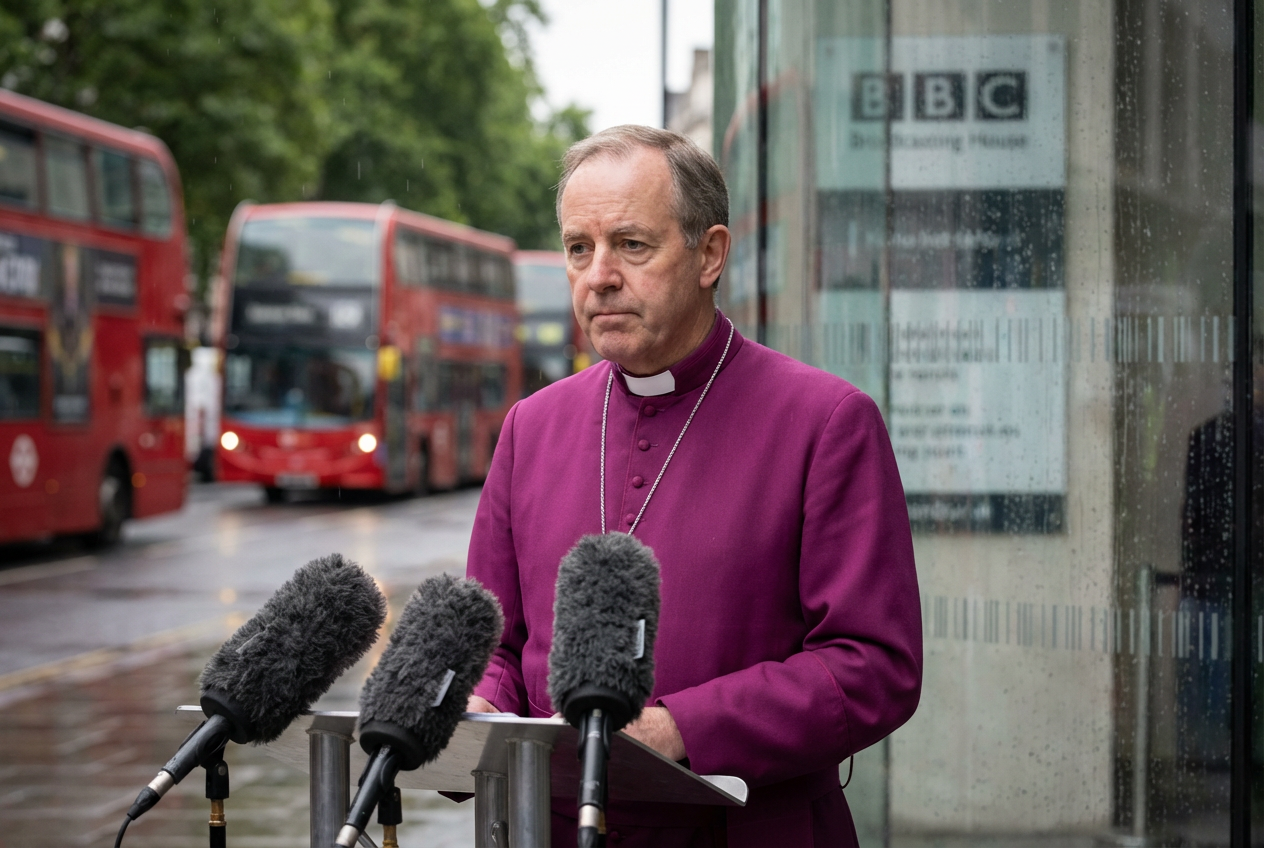
The Archbishop of York, Stephen Cottrell, acting leader of the Church of England, condemns the BBC’s appalling lack of religious literacy.
He calls for faith to permeate the broadcaster’s entire output, not just token programs like Songs of Praise.
This call comes amid a government review of its future.
“My concern is much more about the place of religion across the whole output of the BBC, rather than simply seeing it as religious broadcasting in that rather more narrow definition. So I note with sadness and some distress the sometimes appalling lack of religious literacy in so much of the BBC.”
“I know it’s a hard thing to fight for – religious broadcasting and public service broadcasting – but I believe it is a precious bulwark against polarisation, intolerance, prejudice, chaos. The fact is that religion is a vital part of how millions and millions of people in Britain today get their belonging, their values, their purpose, their identity.”
“Religious broadcasting increasingly becomes the poor and underfunded relative in a BBC which I believe needs to be reminded of its core business.”
As patriots grounded in biblical truth, urge leaders to restore faith-honoring media, safeguarding our Christian heritage and freedoms.


-

 Self-Reliance11 months ago
Trump’s Bold Move Uncovers Massive Social Security Fraud
-

 News12 months ago
Governor Walz’s Rhetoric Sparks National Controversy
-

 Faith11 months ago
New Clues Emerge in Noah’s Ark Mystery
-

 Family12 months ago
Texas Lawmaker Targets Furries in Schools
-

 News11 months ago
Mel Gibson’s ‘The Passion of the Christ’ Sequel Title Announced
-

 Freedom12 months ago
Maine Lawmaker Challenges Sports Fairness Controversy
-

 Family10 months ago
Canada’s Controversial Policy Sparks Ethical Debate
-
Faith3 months ago
Congress Hears Pleas for Nigerian Christians