
Faith
Men’s Growing Bible Engagement Sparks Cultural Revival

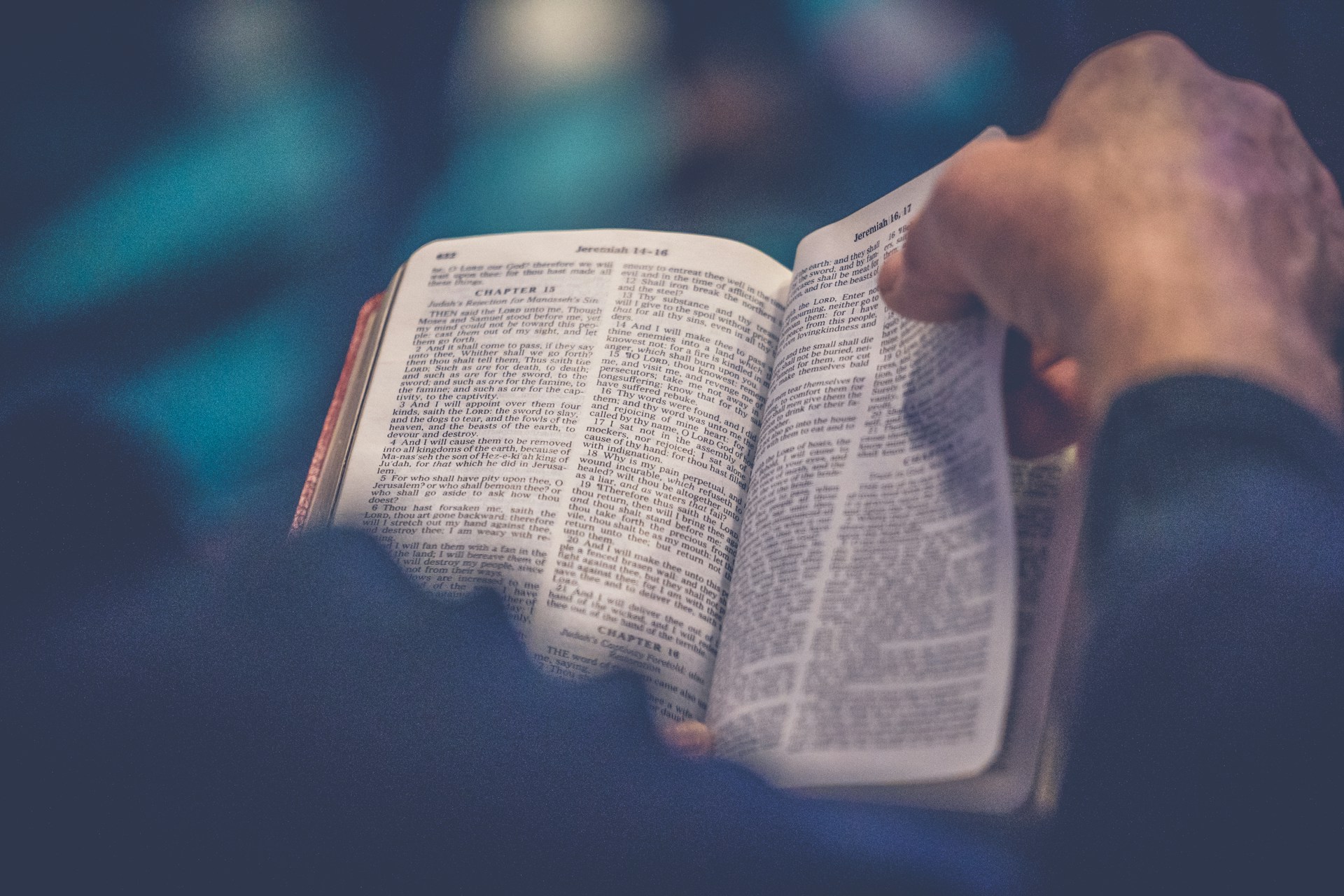
In a time when the moral fabric of society seems to be fraying, there is a heartening resurgence in the embrace of biblical wisdom among American men across generations. According to the 2025 “State of the Bible” report by the American Bible Society, nearly 10 million more Americans have turned to the Bible this year compared to the previous year. This shift is particularly significant among men, who are closing the gender gap in Bible engagement, a promising trend for those who value the principles of faith and family.
The study, which surveyed 2,656 adults nationwide, reveals that 41% of American adults now engage with the Bible, marking the highest total since 2021. This increase is not just a statistic; it is a testament to a growing recognition of the Bible’s timeless truths in guiding personal and communal life. As Jennifer Holloran, President and CEO of the American Bible Society, notes, this renewed interest in Scripture signals a “renewed interest” in the Word of God, especially among millennials and men.
Millennials, often criticized for straying from traditional values, are leading the way in this revival. In 2024, only three in 10 millennials engaged with the Bible, but that number has surged to nearly four in 10 this year. This shift suggests a yearning for the stability and moral clarity that the Bible offers, particularly in an age of uncertainty and moral relativism.
Men from Generation X have also shown remarkable growth in Bible engagement, with a ten-point rise in their numbers, surpassing women in their generation. This development is a powerful reminder of the role that Scripture can play in shaping strong, principled leaders who are committed to their families and communities.
Holloran emphasizes the unique opportunity this moment presents for the Church to invite seekers into “genuine encounters with the living Word of God.” She cites Psalm 34:8, which encourages individuals to “Find out for yourself how good the LORD is,” highlighting the personal transformation that can occur when one turns to Scripture.
In a world where happiness is at a record low, as reported in the 2025 World Happiness Report, the Bible offers an enduring message of hope and renewal. Isaiah 40:31 reassures us that “those who trust in the LORD for help will find their strength renewed,” a promise that resonates deeply in today’s weary society.
The “State of the Bible” report also delves into themes of trust, identity, and church engagement—critical questions in a time when many are searching for meaning and belonging. These themes underscore the Bible’s potential to shape not just individual lives but entire communities, fostering a culture rooted in faith, family, and freedom.
As more men turn to the Bible, they are not only enriching their own lives but also contributing to a broader cultural revival. This trend is a beacon of hope for those who believe in the power of biblical principles to guide us toward a more righteous and unified nation.
Let us know what you think, please share your thoughts in the comments below.


Faith Facts
- Erie, Pennsylvania, faith leaders are offering spiritual support to families reeling from a mass shooting that claimed nine lives, including a pregnant mother.
- The tragedy unfolded when a 45-year-old grandfather killed eight family members before taking his own life.
- Local churches are stepping forward to provide prayer, counseling, and practical assistance rooted in Christian compassion.
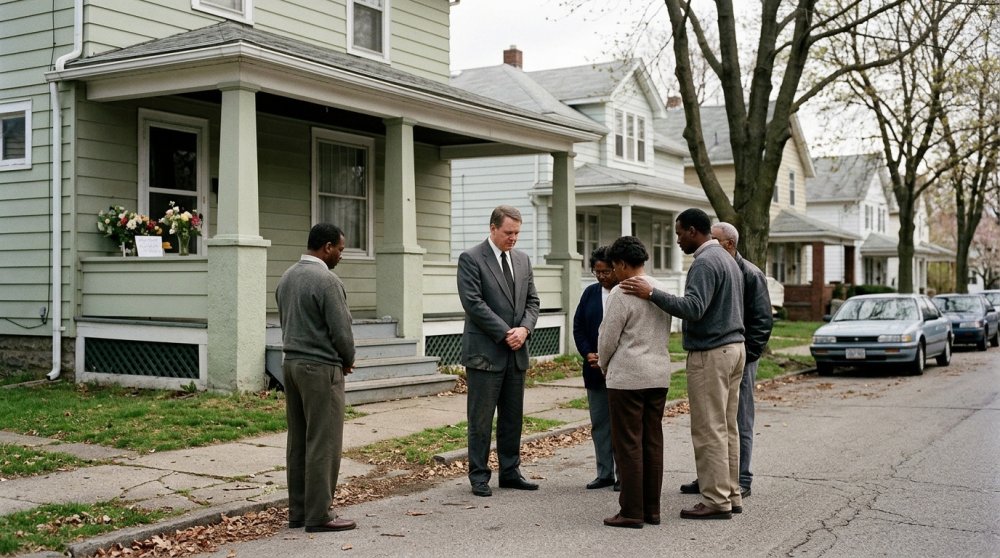
Faith leaders in Erie, Pennsylvania, are pledging support after a 45-year-old grandfather fatally shot eight people at his home Friday, including his wife, pregnant daughter, two sons and two grandchildren, before killing himself.
The shooting has left the tight-knit community searching for answers and comfort. Church leaders say their doors are open to survivors and neighbors in need of prayer.
“We are grieving with the families and committing ourselves to walk alongside them in the days ahead,” one local pastor said.
Community members are gathering at area churches for prayer vigils and counseling sessions. Pastors emphasize that faith and family remain central to healing in times of profound loss.
“Our hope is in the Lord, who promises comfort to those who mourn,” another minister said.
Let us know what you think, please share your thoughts in the comments below.

Faith Facts
- Ahmed Joktan, a Saudi-born evangelist, says a dream led him to Jesus and prompted his conversion from Islam.
- After embracing Christ, Joktan suffered violent persecution for leaving the Islamic faith.
- He now urges Western believers to share the Gospel courageously with their Muslim neighbors.
Saudi-born Christian evangelist Ahmed Joktan is urging believers in the West to proclaim the Gospel without fear after he himself paid a steep price for following Jesus.
Joktan says a dream drew him to Christ and led him to abandon Islam, a decision that triggered a violent assault against him.
“I was attacked because I chose to follow Jesus,” Joktan stated.
Despite the beating he endured, the evangelist insists the cost of obedience is worth it and that American Christians must not shrink from sharing their faith.
“I want to encourage my brothers and sisters in the West to be bold in witnessing to their Muslim neighbors,” Joktan said.
His testimony highlights the stark contrast between the freedom of religion enjoyed in the United States and the harsh reality faced by converts in many Muslim-majority nations.
Family, faith, and the courage to speak truth remain central to Joktan’s message as he travels and ministers across the country.
Let us know what you think, please share your thoughts in the comments below.

Faith Facts
- The Bible records Noah’s Ark as a historical vessel built at God’s command to preserve life during the Flood.
- Archaeologists and geologists continue to study sites in Turkey that some claim match the Ark’s resting place.
- Christians are urged to ground their faith in Scripture rather than unverified discoveries.
Explosive headlines this week announced that Noah’s Ark has been discovered beneath a mountain range in Turkey. The claims have quickly spread across social media and news outlets, stirring both excitement and skepticism among believers.
Chris Sinkinson, a respected Christian author and lecturer, cautions that such announcements often outpace the evidence. He urges fellow believers to remain anchored in Scripture and verified facts rather than sensational reports.
“Christians need to stick to the facts,” Sinkinson stated. His words serve as a timely reminder that faith rests on the unchanging Word of God, not on the latest archaeological headline.
While the possibility of discovering physical remnants of the Ark is intriguing, experts note that conclusive proof remains elusive. Many past claims have failed under closer scientific examination.
Scripture itself provides the foundation for understanding the Flood and God’s covenant with Noah. Believers are reminded that the reliability of the Bible does not depend on locating the physical Ark.
Let us know what you think, please share your thoughts in the comments below.


-

 Self-Reliance2 years ago
Trump’s Bold Move Uncovers Massive Social Security Fraud
-

 Faith1 year ago
New Clues Emerge in Noah’s Ark Mystery
-

 News2 years ago
Governor Walz’s Rhetoric Sparks National Controversy
-

 News2 years ago
Mel Gibson’s ‘The Passion of the Christ’ Sequel Title Announced
-

 Family2 years ago
Texas Lawmaker Targets Furries in Schools
-

 Freedom2 years ago
Maine Lawmaker Challenges Sports Fairness Controversy
-

 Family1 year ago
Canada’s Controversial Policy Sparks Ethical Debate
-
Faith11 months ago
Congress Hears Pleas for Nigerian Christians