
Faith
Pastor Arrested After Hidden Camera Discovery Shocks Florida Congregation

Faith Facts
- Florida church overseer Charles Barton Lucas arrested on digital voyeurism charges after illicit images from church bathroom found on his work computer
- Investigation revealed hidden camera filming church members and children in private areas; additional recordings found on device
- Church leadership responds with victim support, full cooperation with authorities, and commitment to preventing future abuse
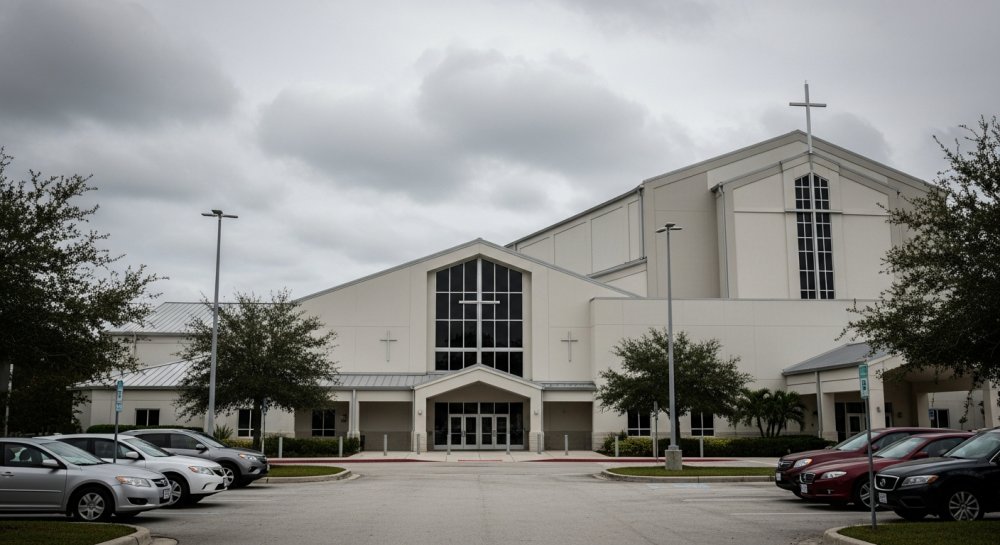
A Florida church leader is behind bars following disturbing allegations that he secretly recorded congregants in church facilities. Charles Barton Lucas, who served as an overseer at a local congregation, now faces criminal charges after law enforcement discovered hidden camera footage on his work computer.
The investigation began when church officials were alerted to suspicious activity involving recording devices in private areas of the facility. What started as internal concerns quickly escalated into a full criminal probe by local authorities. Detectives uncovered illicit images captured from a church bathroom, along with recordings from at least one other location on the property.
Forensic examination of Lucas’s work computer revealed the scope of the alleged violations. The footage reportedly included church members and minors in situations where they had every reasonable expectation of privacy. The discovery has sent shockwaves through the congregation, where Lucas held a position of trust and spiritual authority.
Church leadership responded swiftly to the allegations, expressing deep concern for victims and vowing full cooperation with law enforcement. In a statement to the congregation, officials described the situation as heartbreaking and a betrayal of the sacred trust placed in those who serve in ministry positions.
“This is a tragic situation that has affected our entire church family,” representatives stated, acknowledging the pain and violation felt by those who may have been recorded without consent.
The charges against Lucas underscore an ongoing concern about abuse of authority in religious settings. Digital voyeurism laws exist specifically to protect individuals from this type of predatory behavior, particularly in spaces where privacy is expected and vulnerability is high. Houses of worship should be sanctuaries of safety, not venues for exploitation.
As the legal process unfolds, the affected church has implemented new security measures and is providing resources for those impacted by the alleged crimes. Church officials have encouraged anyone with information relevant to the investigation to contact local authorities immediately.
Lucas faces multiple charges related to digital voyeurism, a serious offense that carries significant penalties under Florida law. The case serves as a sobering reminder that vigilance and accountability must extend to all levels of church leadership, regardless of title or tenure.
The broader Christian community has condemned the alleged actions, emphasizing that such behavior stands in direct opposition to biblical standards of integrity, purity, and respect for the dignity of every person. True spiritual leadership requires transparency, moral excellence, and unwavering commitment to protecting the vulnerable—especially children.
This case highlights the critical importance of background checks, accountability structures, and safe church policies designed to prevent and detect abuse before it occurs. Churches across the nation are being called to examine their own safeguards and ensure that congregants can worship without fear of exploitation.
Let us know what you think, please share your thoughts in the comments below.

Faith Facts
- Oxford mathematician and Christian apologist Professor John Lennox encourages believers to share their faith with confidence.
- Lennox stresses that evangelism is not reserved only for preachers, theologians, or those with extensive biblical knowledge.
- Every Christian is called to be a witness for Christ in daily life.
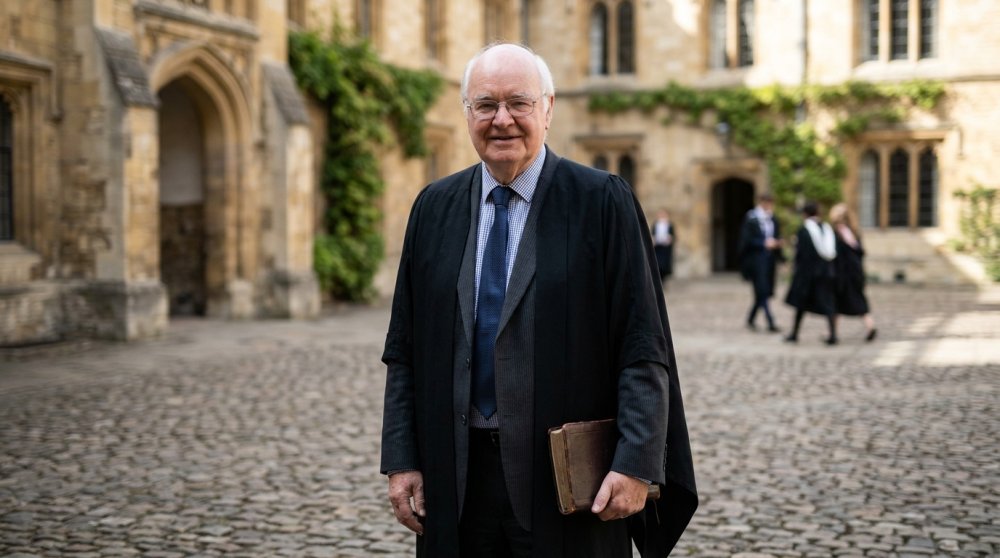
Oxford mathematician and Christian apologist Professor John Lennox is urging believers everywhere to share their faith with greater boldness and confidence. He reminds Christians that the call to witness is not limited to pastors or scholars but belongs to every follower of Christ.
“We’re all called to be witnesses,” Lennox declares. This simple truth challenges the idea that only trained experts can effectively share the gospel.
Professor Lennox emphasizes that evangelism is not about having every theological answer or delivering polished sermons. Instead, it is about living out and speaking the truth of Christ wherever God places His people.
His words come as a timely encouragement to Christians who may feel hesitant or unqualified to speak about their faith. Lennox points to the biblical calling that every believer is a witness, empowered by the Holy Spirit to share the hope within them.
Let us know what you think, please share your thoughts in the comments below.
Faith Facts
- At least seven Christians were killed in a targeted attack on a Greek Orthodox funeral service in Jordan.
- The assault occurred at a church known for peaceful worship and interfaith coexistence in the region.
- The attack highlights the ongoing threat of Islamic extremism to Christian communities worldwide.
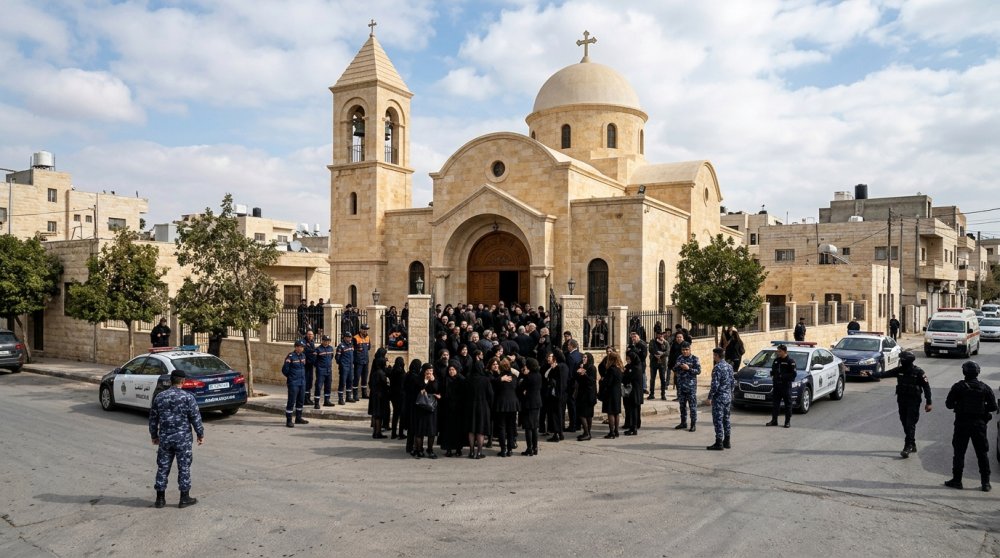
In a rare attack in a country known for peaceful inter-faith coexistence, suspected Islamic extremists attacked a funeral at a Greek Orthodox church in Jordan on Friday (Oct. 23), shooting at least seven people to death and wounding 28 others, according to reports.
The violence interrupted a sacred time of mourning and remembrance, striking at the heart of a Christian community gathered in faith.
Let us know what you think, please share your thoughts in the comments below.
Faith Facts
- God examines the heart rather than outward gestures during worship.
- Scripture teaches that authentic faith is shown through obedience and love, not visible enthusiasm.
- Believers are called to honor every sincere heart that worships in spirit and truth.
Too often, outward expressions of enthusiasm are mistaken for spiritual maturity. But God looks at the heart, not whether we’re standing, sitting or raising our hands, says Dawn Butler.
“God looks at the heart, not whether we’re standing, sitting or raising our hands,”
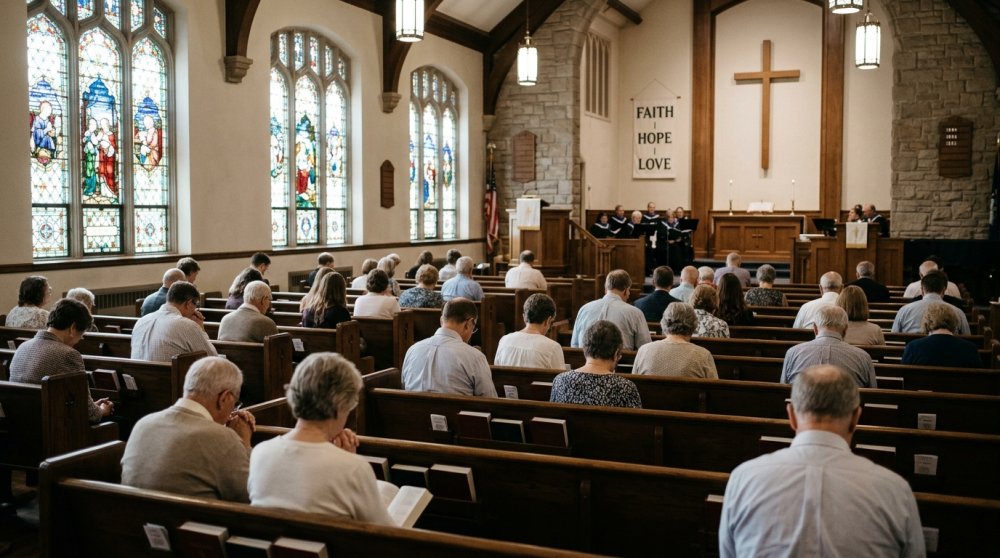
Churches across America have seen a growing emphasis on physical expressions during worship. This trend can unintentionally pressure believers who prefer quieter reverence. The result is that some faithful Christians feel judged for their personal style of worship.
“Too often, outward expressions of enthusiasm are mistaken for spiritual maturity.”
True worship flows from a surrendered heart that seeks to honor God in every area of life. Scripture consistently points to inward devotion rather than external performance. When congregations focus on visible actions, they risk overlooking the quiet strength of those who serve faithfully in the background.
Christian liberty allows room for both raised hands and bowed heads. The key is whether each believer approaches the Lord with reverence and sincerity. Families benefit when churches encourage unity over uniformity in worship practices.
“God looks at the heart, not whether we’re standing, sitting or raising our hands.”
Let us know what you think, please share your thoughts in the comments below.


-

 Self-Reliance2 years ago
Trump’s Bold Move Uncovers Massive Social Security Fraud
-

 Faith2 years ago
New Clues Emerge in Noah’s Ark Mystery
-

 News2 years ago
Governor Walz’s Rhetoric Sparks National Controversy
-

 News2 years ago
Mel Gibson’s ‘The Passion of the Christ’ Sequel Title Announced
-

 Family2 years ago
Texas Lawmaker Targets Furries in Schools
-

 Freedom2 years ago
Maine Lawmaker Challenges Sports Fairness Controversy
-

 Family1 year ago
Canada’s Controversial Policy Sparks Ethical Debate
-
Faith11 months ago
Congress Hears Pleas for Nigerian Christians