
Faith
Nigeria Church Service Erupted in Violence — What Really Happened

Faith Facts
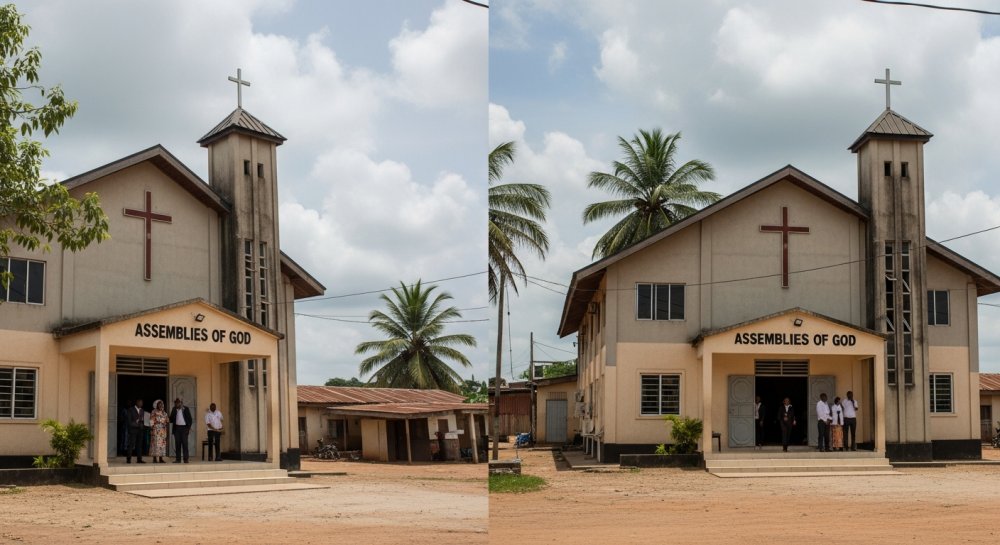
- A worship service at an Assemblies of God church in Ughelli, Delta state, Nigeria, was violently disrupted on Sunday, April 12, with tear gas deployment affecting a pastor and his wife.
- The incident involved a physical altercation between church members and uniformed personnel during the service.
- Both the Assemblies of God Nigeria and Royal Rangers Nigeria have launched internal investigations into the disturbance.
A peaceful Sunday worship service turned chaotic when violence erupted at an Assemblies of God congregation in Ughelli, Delta state, Nigeria. The shocking disruption on April 12 left a pastor and his wife suffering from tear gas exposure and has prompted serious questions about security and order within the church.
According to reports, the incident involved a violent confrontation between church members and uniformed personnel during the service. The use of tear gas inside a house of worship has raised significant concerns among both congregants and church leadership about what led to such an extreme escalation.
The Assemblies of God Nigeria has moved swiftly to address the matter, launching an internal investigation to determine the full circumstances surrounding the violent outbreak. Royal Rangers Nigeria, the church’s ministry focused on mentoring young men in Christian values and leadership, has also initiated its own inquiry into the incident.
The deployment of tear gas in a worship environment represents a serious breach of the sanctity that should characterize Christian gathering spaces. For a pastor and his wife to be directly affected by such measures during a service designed to honor God raises troubling questions about the circumstances that preceded the violence.
Church leadership now faces the critical task of uncovering what sparked the confrontation and ensuring that such disruptions do not occur in the future. The involvement of uniformed personnel suggests possible conflicts over authority, property, or church governance that reached a dangerous boiling point.
As investigations proceed, the incident serves as a sobering reminder of the importance of maintaining peace, order, and respect within Christian communities. The faithful deserve safe spaces to worship without fear of violence or intimidation.
The Assemblies of God denomination, known worldwide for its Pentecostal witness and commitment to the Great Commission, must now address this internal challenge with wisdom and transparency. How leadership responds will speak volumes about the church’s commitment to biblical standards of conflict resolution and shepherd care.
Let us know what you think, please share your thoughts in the comments below.

Faith Facts
- Eric Metaxas emphasizes the biblical foundation of American self-government.
- Nathan Hale, executed by the British at age 21, exemplifies early American faithfulness and courage.
- Remembering heroic figures like Hale strengthens national resolve rooted in biblical truth.
Author Eric Metaxas recently spoke with The Christian Post about the urgent need to recall the biblical principles that shaped American self-government.
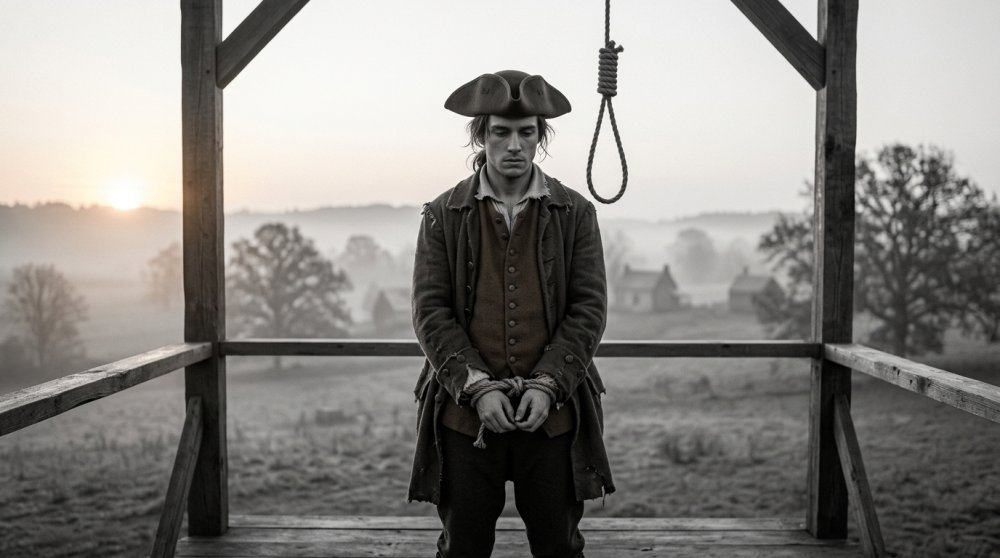
Metaxas pointed to the story of Nathan Hale, the 21-year-old patriot who was hanged by British forces 250 years ago this week, as a powerful example of sacrificial courage.
“We need to remember these heroic figures who laid down their lives for the cause of liberty,” he said.
The author stressed that such stories are not mere historical footnotes but living reminders of the Christian virtues that once defined the American experiment.
“Without these examples, we lose the moral imagination required to sustain freedom,” Metaxas added.
He urged believers and citizens alike to recover the memory of those who stood firm in faith and principle during the nation’s founding era.
Let us know what you think, please share your thoughts in the comments below.
Faith Facts
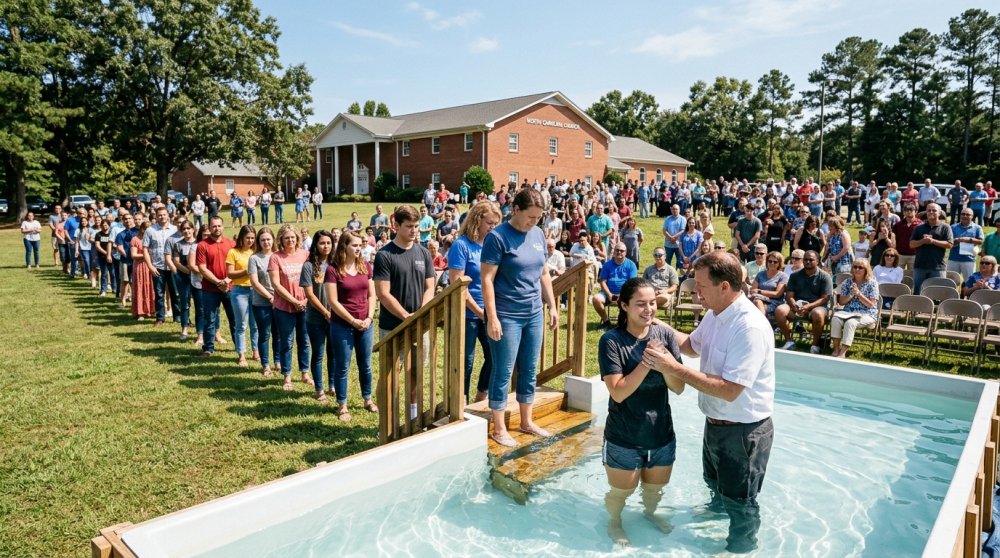
- A North Carolina church baptized 458 people in one day.
- This event marks the largest single-day baptism in the congregation’s 137-year history.
- The congregation attributes the record turnout to God at work in their community.
A multisite church in North Carolina baptized 458 people in a single day. This remarkable turnout set a new record for the congregation.
The milestone surpasses any previous single-day baptism in the church’s 137-year history. Church leaders say the outpouring reflects God’s active work among their members and surrounding communities.
Let us know what you think, please share your thoughts in the comments below.
Faith Facts
- Dylan Mandell, a Christian social media influencer, has received his fourth cancer diagnosis in four years.
- Mandell publicly declares he is standing on God’s promise of long life despite the repeated health trials.
- The influencer’s testimony highlights unwavering faith and reliance on Scripture amid suffering.
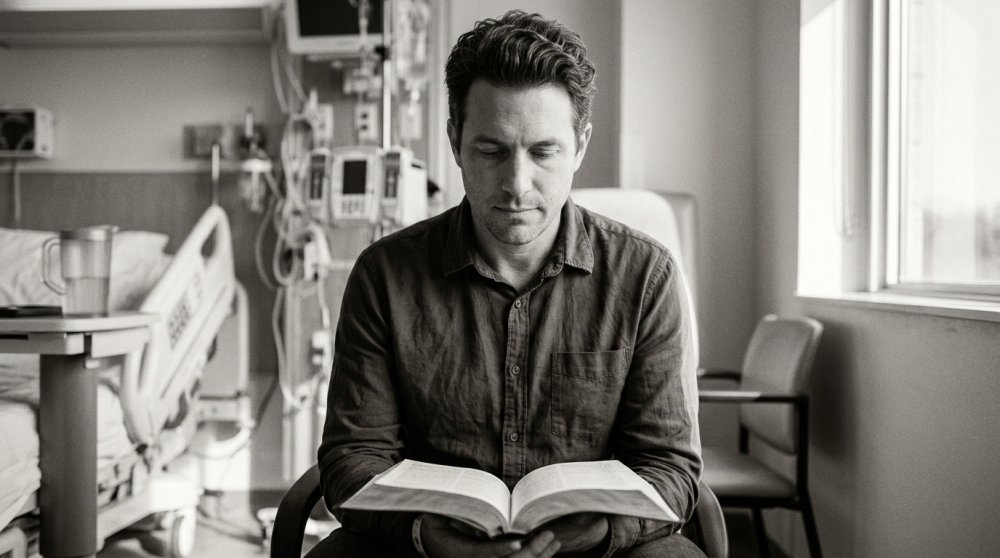
Christian social media influencer Dylan Mandell has been diagnosed with cancer for the fourth time in four years. Yet he refuses to let fear define his story. Instead, he is clinging to the biblical promise of long life.
“I am holding on to God’s promise of long life,” Mandell said. The statement reflects his determination to trust Scripture even when circumstances appear grim.
Family, friends, and followers have rallied around Mandell as he faces this latest battle. His transparency about his health has encouraged many believers to strengthen their own faith during trials.
Through every diagnosis, Mandell has pointed others back to the Word of God. He continues to share messages of hope grounded in Scripture rather than statistics.
Let us know what you think, please share your thoughts in the comments below.


-

 Self-Reliance1 year ago
Trump’s Bold Move Uncovers Massive Social Security Fraud
-

 Faith1 year ago
New Clues Emerge in Noah’s Ark Mystery
-

 News2 years ago
Governor Walz’s Rhetoric Sparks National Controversy
-

 News1 year ago
Mel Gibson’s ‘The Passion of the Christ’ Sequel Title Announced
-

 Family2 years ago
Texas Lawmaker Targets Furries in Schools
-

 Freedom2 years ago
Maine Lawmaker Challenges Sports Fairness Controversy
-

 Family1 year ago
Canada’s Controversial Policy Sparks Ethical Debate
-
Faith10 months ago
Congress Hears Pleas for Nigerian Christians