
News
NHS Refuses to Follow Supreme Court Gender Ruling

Faith Facts
- Conservative Party Leader Kemi Badenoch demands NHS end investigations of Christian nurses disciplined for refusing to identify patients by preferred pronouns
- NHS appears to be resisting Supreme Court ruling that affirmed biological sex as a protected characteristic under equality law
- Two Darlington nurses and Jennifer Melle faced professional punishment for standing by their Christian convictions about biological reality
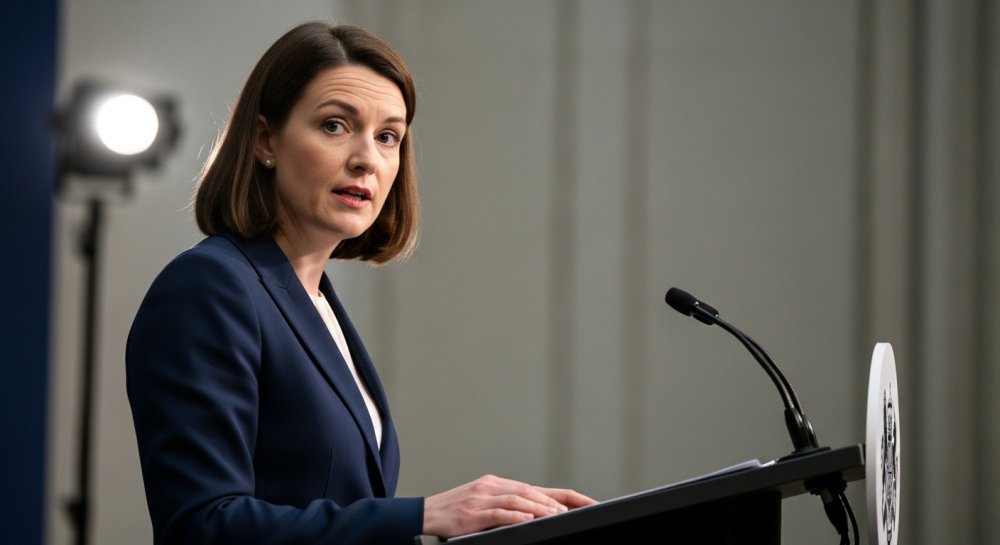
Conservative Party Leader Kemi Badenoch is calling on the NHS to immediately halt investigations into healthcare workers who were disciplined for refusing to use preferred pronouns, following a landmark Supreme Court ruling that affirmed biological sex as a protected characteristic.
The NHS appears to be resisting compliance with the Supreme Court’s decision on gender, raising serious questions about the health service’s commitment to upholding the law and protecting freedom of conscience for Christian employees.
Badenoch specifically referenced the cases of two nurses in Darlington and Jennifer Melle, all of whom faced professional consequences for maintaining that patients should be identified by their biological sex rather than their preferred gender identity. These healthcare professionals stood firm in their Christian convictions even when doing so put their careers at risk.
The Supreme Court ruling established that biological sex is a protected characteristic under the Equality Act, providing legal protection for those who refuse to participate in gender ideology. This decision should have provided immediate relief to Christians and others facing workplace punishment for acknowledging scientific and biblical truth about male and female.
However, the NHS’s apparent reluctance to drop investigations and disciplinary actions suggests institutional resistance to both legal clarity and religious freedom. Christian healthcare workers have long faced pressure to compromise their deeply held beliefs about God’s design for humanity in order to conform to progressive gender ideology.
Badenoch’s intervention highlights the ongoing tension between traditional Christian values and institutional policies that prioritize gender ideology over biological reality and freedom of conscience. The Conservative leader’s demand for accountability reflects growing concern among faith communities that their rights are being systematically eroded in public institutions.
The case of Jennifer Melle and the Darlington nurses represents a broader pattern of Christians being targeted for professional punishment when they refuse to deny the truth about human nature. These dedicated healthcare workers chose to honor God’s creation order even at great personal cost.
The Supreme Court’s decision should mark a turning point in protecting Christian employees from ideological coercion. Yet the NHS’s continued pursuit of disciplinary actions reveals how deeply entrenched gender ideology has become in Britain’s public institutions.
Faith communities across the nation are watching to see whether the NHS will respect both the law and the conscience rights of its Christian employees, or whether it will continue to punish those who refuse to deny biological reality.
Let us know what you think, please share your thoughts in the comments below.

Faith Facts
- Democratic Socialist candidates secured major victories in New York City primaries, continuing a leftward shift in urban politics
- Joseph Kennedy III, grandson of Robert F. Kennedy, lost his congressional primary race
- Trump-endorsed candidates demonstrated continued influence in Republican primary contests across multiple states
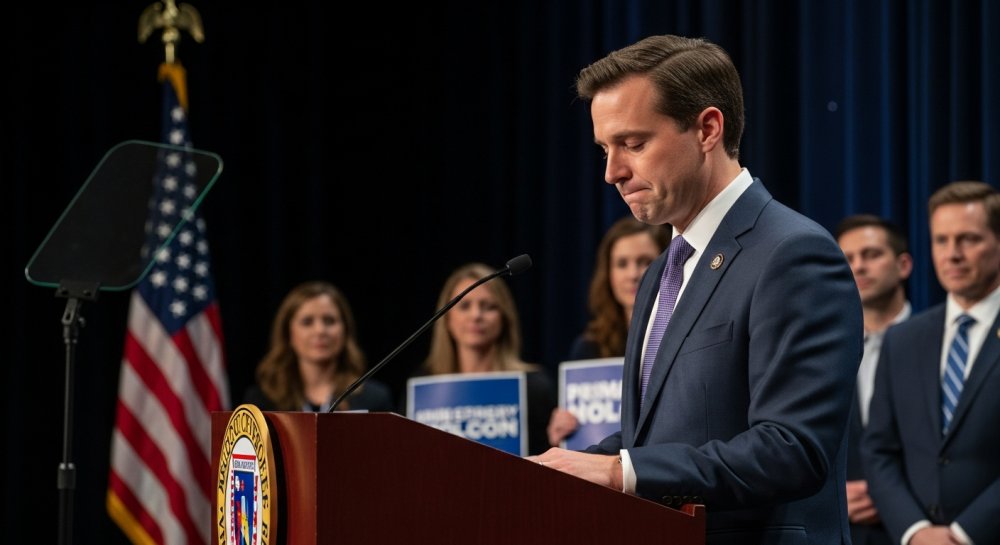
Tuesday’s primary elections delivered a series of results that signal important shifts in American politics ahead of the midterm elections. The outcomes reflect deepening ideological divisions and raise concerns among Christian conservatives about the direction of the Democratic Party.
In New York City, Democratic Socialist candidates achieved significant victories, marking another step in the party’s embrace of far-left policies that often conflict with traditional American values. These wins suggest that urban Democratic voters continue moving away from the moderate positions that once characterized the party.
Meanwhile, Joseph Kennedy III, grandson of the late Senator Robert F. Kennedy, suffered a surprising defeat in his congressional primary. The loss of a Kennedy family member, once political royalty in Democratic circles, underscores how dramatically the party’s base has shifted in recent years.
On the Republican side, candidates backed by former President Donald Trump flexed considerable political muscle, demonstrating his continued influence within the party. These victories indicate that conservative voters remain committed to the America First agenda and traditional values that defined Trump’s presidency.
The primary results suggest that both major parties are experiencing internal realignments, with Democrats moving further left toward socialism and Republicans maintaining their commitment to conservative principles. For Christian voters, these trends emphasize the importance of remaining engaged in the political process to defend faith, family, and freedom.
As the midterm elections approach, these primary outcomes may preview broader national trends. The success of socialist candidates in major cities contrasts sharply with the values held by most Americans, particularly those in faith communities who cherish individual liberty, free enterprise, and limited government.
Let us know what you think, please share your thoughts in the comments below.
Faith Facts
- Russian missile strike killed nine civilians and damaged one of Christianity’s oldest monastic sites in Kyiv
- The European Evangelical Alliance condemned the attack as an attempt to erase Ukrainian identity and cultural memory
- The ancient monastery represents centuries of Christian heritage and worship in the region
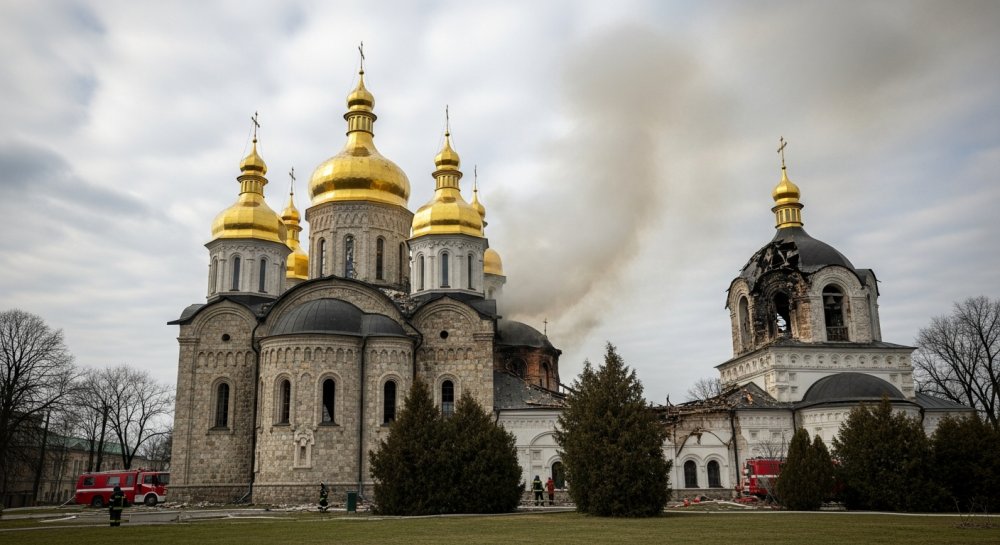
The European Evangelical Alliance has issued a strong condemnation following a devastating Russian missile attack on Kyiv that claimed the lives of nine innocent civilians and set ablaze a sacred Christian site with centuries of history. The strike targeted one of the oldest monastic locations in Christianity, raising alarm among faith leaders across Europe and around the world.
The attack represents more than just physical destruction — it strikes at the heart of religious freedom and cultural heritage. The monastery has served as a beacon of faith and worship for generations of believers, standing as a testament to the enduring presence of Christianity in Ukraine.
European Christian leaders characterized the assault as a deliberate attempt to obliterate Ukrainian identity and collective memory. The targeting of such a historically significant religious site has been viewed by many as an attack not just on buildings, but on the very soul of a nation and its people’s right to preserve their faith traditions.
The loss of nine civilian lives in this attack underscores the human cost of ongoing military aggression in the region. Families have been shattered, and a community of faith has been traumatized by violence directed at a place meant for peace and spiritual refuge.
This incident raises serious questions about the protection of religious sites during armed conflict and the obligation of nations to respect places of worship. The deliberate targeting of such locations violates fundamental principles of human dignity and religious liberty that Christians hold dear.
For believers worldwide, the attack serves as a sobering reminder of the persecution and threats faced by Christians in conflict zones. It calls for prayer, support, and advocacy for those whose faith is under assault and whose sacred spaces are being destroyed.
The European Evangelical Alliance’s swift condemnation reflects the broader Christian community’s commitment to standing with persecuted believers and defending the right to worship freely without fear of violence.
Let us know what you think, please share your thoughts in the comments below.
Faith Facts
- A Louisiana pastor’s family was devastated when a car crash claimed the lives of his 13-year-old son and daughter-in-law returning from a Pentecostal youth camp.
- The pastor’s son, who was driving and had been married only six months, survived the crash that killed his wife and younger brother.
- The church community has rallied in prayer and support as the family grieves this unimaginable loss.
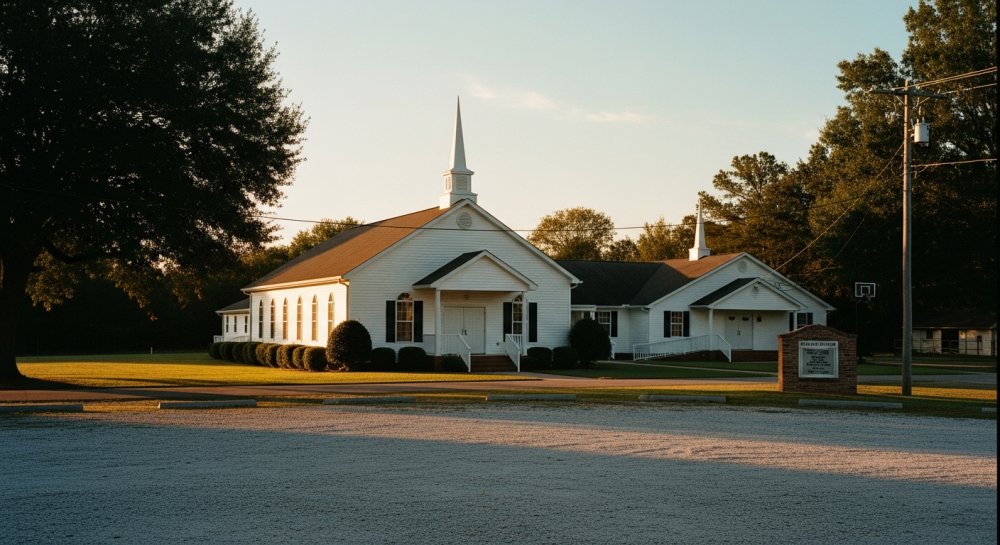
A Louisiana pastor and his congregation are grappling with profound grief after a tragic car accident took the lives of two beloved family members. The devastating crash occurred as they were returning home from a Pentecostal youth camp, leaving a tight-knit faith community reeling from the sudden loss.
The accident claimed the life of the pastor’s 13-year-old son and his daughter-in-law, who had been married to the pastor’s older son for just six months. The newlywed couple had their entire lives ahead of them, making the tragedy all the more heartbreaking for those who knew and loved them.
The pastor’s son who was driving survived the crash, now facing the unimaginable pain of losing both his wife and younger brother in a single moment. The family has not released specific details about the circumstances of the accident, asking for privacy during this difficult time.
The church community has immediately mobilized in response to this tragedy, surrounding the pastor and his family with prayer, practical support, and expressions of love. Fellow believers have organized meal trains, offered childcare assistance, and committed to ongoing prayer for the family’s healing and comfort.
This heartbreaking event serves as a sobering reminder of life’s fragility and the importance of cherishing every moment with loved ones. For families of faith, such tragedies test the strength of belief and the power of community support during the darkest hours.
The youth camp they had attended represents the kind of faith-building experience that shapes young lives in positive ways. The cruel irony that the journey home from such an event ended in tragedy has not been lost on the grieving community.
As the pastor’s family navigates the coming days and weeks, they face the difficult task of planning funerals while supporting the surviving son through his own physical and emotional recovery. The weight of losing two family members simultaneously is a burden few can comprehend.
Churches across Louisiana and beyond have expressed solidarity with the grieving family, demonstrating the bonds that unite believers even in the face of incomprehensible loss. This tragedy highlights both the vulnerability of human life and the enduring strength found in faith and community.
In times like these, the body of Christ often shows its truest character—not in prosperity or celebration, but in how believers gather around those who are suffering. The outpouring of support for this pastoral family exemplifies the biblical call to “weep with those who weep.”
Let us know what you think, please share your thoughts in the comments below.


-

 Self-Reliance1 year ago
Trump’s Bold Move Uncovers Massive Social Security Fraud
-

 Faith1 year ago
New Clues Emerge in Noah’s Ark Mystery
-

 News1 year ago
Governor Walz’s Rhetoric Sparks National Controversy
-

 News1 year ago
Mel Gibson’s ‘The Passion of the Christ’ Sequel Title Announced
-

 Family1 year ago
Texas Lawmaker Targets Furries in Schools
-

 Freedom1 year ago
Maine Lawmaker Challenges Sports Fairness Controversy
-

 Family1 year ago
Canada’s Controversial Policy Sparks Ethical Debate
-
Faith7 months ago
Congress Hears Pleas for Nigerian Christians