
News
New Evidence Reveals Alarming Gap in Assisted Suicide Prosecutions


Faith Facts
- Prosecution data shows widespread uncertainty about the legal status of assisted suicide in Britain despite current laws prohibiting the practice
- Guidelines introduced by Keir Starmer during his tenure as Director of Public Prosecutions may have created a de facto blind eye to certain assisted suicide cases
- Christian leaders warn that ambiguous enforcement threatens the sanctity of life and vulnerable populations
Troubling new evidence suggests that Britain’s approach to assisted suicide has created a legal gray area that undermines the protection of human life. Despite laws that technically prohibit the practice, prosecution numbers reveal significant uncertainty about enforcement, raising serious concerns among faith communities and pro-life advocates.
The issue traces back to guidelines implemented by Keir Starmer during his time as Director of Public Prosecutions. These prosecutorial guidelines appear to have established an effective policy of non-enforcement in certain assisted suicide cases, creating confusion about what the law actually means in practice.
For Christians who believe in the inherent dignity and sanctity of every human life from conception to natural death, this enforcement gap represents a dangerous erosion of fundamental protections. When laws exist on the books but aren’t consistently applied, the vulnerable—the elderly, the disabled, those facing pressure from family or financial concerns—lose critical safeguards.
The data revealing low prosecution rates suggests that what Parliament has formally prohibited, prosecutors are increasingly willing to overlook. This creates a troubling disconnect between stated law and actual practice, undermining the rule of law itself.
Pro-life advocates have long warned that once society begins accepting the premise that some lives are less worthy of protection, the door opens to ever-expanding definitions of who qualifies for state-sanctioned death. The prosecution numbers appear to confirm these fears, showing that enforcement has become selective rather than consistent.
The situation in Britain serves as a cautionary tale for Americans as similar debates unfold across our states. When prosecutorial discretion effectively rewrites democratically enacted laws, citizens lose their voice in fundamental moral questions about life and death.
Christian teaching holds that life is a gift from God, and that we are called to protect the vulnerable, not facilitate their deaths. The ambiguity in enforcement documented by these prosecution figures represents a failure to uphold this sacred duty.
Let us know what you think, please share your thoughts in the comments below.


Faith Facts
- Multiple Members of Parliament who initially voted in favor of assisted suicide legislation are now reconsidering their support
- The shift reflects growing concerns about protecting vulnerable individuals and the sanctity of human life
- Christian leaders and pro-life advocates continue to emphasize the inherent value of every human life from conception to natural death
A notable shift appears to be underway in the British Parliament regarding assisted suicide legislation. Members of Parliament who previously cast votes in favor of such measures are now expressing second thoughts about their earlier positions.
The reconsideration comes as lawmakers face mounting concerns about the implications of legalizing assisted suicide. Questions about safeguards for vulnerable populations, potential for abuse, and the fundamental value of human life have prompted renewed scrutiny of the proposed legislation.
From a Christian conservative perspective, this development represents a critical moment for defending the sanctity of life. The principle that every human life possesses inherent dignity and worth—regardless of age, illness, or disability—stands at the heart of traditional values and biblical teaching.
Pro-life advocates have long warned about the dangers of assisted suicide legislation, noting that such laws can create pressure on elderly and disabled individuals to end their lives prematurely. The experience of other jurisdictions that have enacted similar measures has demonstrated how eligibility criteria can expand over time, moving far beyond originally stated intentions.
The MPs’ changing stance suggests that deeper reflection on these profound moral questions is taking place. As lawmakers grapple with the weight of deciding matters of life and death, many are recognizing that compassion does not require ending life, but rather supporting individuals through improved palliative care and genuine human connection.
Christian communities across the United Kingdom have maintained a consistent witness to the value of life at all stages. Churches have emphasized that true compassion involves walking alongside those who suffer, providing comfort and care rather than facilitating death.
The debate over assisted suicide touches fundamental questions about the role of government, medical ethics, and society’s responsibility to protect its most vulnerable members. As this legislative discussion continues, the shift among some MPs indicates that these weighty considerations are being taken seriously.
Let us know what you think, please share your thoughts in the comments below.

Faith Facts
- London College of Bishops has issued an unequivocal condemnation of recent antisemitic attacks targeting synagogues, charities, and shops
- The statement demonstrates Christian solidarity with the Jewish community during a period of increased hostility
- Church leaders are calling for unity and protection of religious freedom for all faith communities
Christian leaders in London have taken a strong stand against a disturbing wave of antisemitic incidents plaguing the city. The London College of Bishops released a powerful statement condemning attacks directed at Jewish houses of worship, charitable organizations, and businesses.
The bishops declared their position in no uncertain terms, stating they “unequivocally” condemn these hateful acts. This clear moral stance reflects the biblical mandate to stand against persecution and defend those under attack.
The incidents represent a troubling escalation of religious intolerance in a city historically known for religious diversity. Synagogues, which serve as sacred gathering places for Jewish worship and community life, have been targeted alongside charitable organizations that serve vulnerable populations.
The Christian response demonstrates the enduring bond between people of faith who share common roots in biblical tradition. As believers in religious liberty and the protection of all houses of worship, Christian conservatives recognize that attacks on any faith community threaten the foundations of freedom that allow all religions to flourish.
The bishop’s statement serves as a reminder that standing against hatred is not merely a political position but a moral imperative rooted in faith. The protection of synagogues and Jewish institutions aligns with Christian values of loving one’s neighbor and defending the persecuted.
This unified response from church leadership provides a model for how faith communities can support one another in times of crisis. The condemnation sends a clear message that antisemitism has no place in a society that values faith, family, and freedom.
Let us know what you think, please share your thoughts in the comments below.
Faith Facts
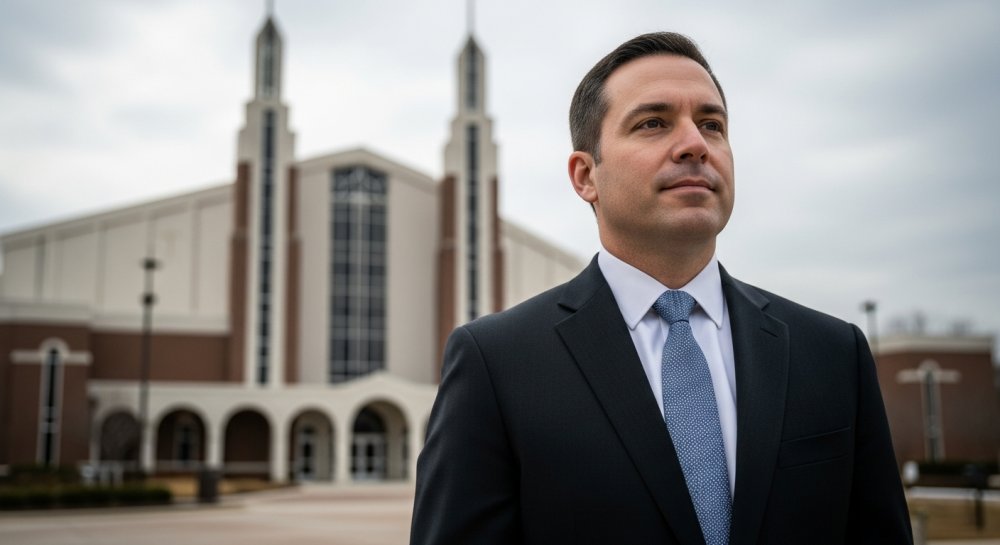
- A Texas court has ordered garnishment of bank assets from Benny Hinn Ministries after the organization failed to pay a marketing company for services rendered
- This marks the second time in five years that Hinn’s ministry has been ordered to compensate the same marketing company for unpaid work
- The legal action follows a pattern of financial obligations that have gone unmet by the high-profile televangelist’s organization
A Texas court has issued an order requiring the seizure of assets from Benny Hinn Ministries after the organization failed to fulfill financial obligations to a marketing company. The garnishment order represents the latest development in ongoing legal disputes over unpaid debts.
This marks the second occasion within a five-year period that the ministry has been legally compelled to compensate the marketing firm for services that were contracted but never paid for. The repeated nature of these court orders raises serious questions about financial stewardship and accountability within the organization.
The court’s decision to order asset garnishment indicates that previous attempts to secure payment through conventional means were unsuccessful. When organizations fail to honor contractual obligations voluntarily, courts may authorize banks to seize funds directly from accounts to satisfy judgments.
For Christian ministries, financial transparency and honoring commitments are not merely legal requirements but moral imperatives rooted in biblical principles. Scripture calls believers to “let your ‘yes’ be ‘yes,’ and your ‘no,’ ‘no'” and to conduct all business dealings with integrity.
The pattern of unpaid obligations to vendors raises concerns among faithful supporters who entrust their donations to ministries expecting responsible stewardship. When ministries fail to pay for services rendered, it damages the broader witness of the Christian community and undermines public trust in faith-based organizations.
This case underscores the importance of financial accountability in all ministry operations. Christian organizations that handle donor funds bear a sacred responsibility to manage those resources with the highest standards of integrity, transparency, and ethical business practices.
The garnishment order will allow the marketing company to recover funds owed directly through the ministry’s banking institution. Such court actions typically occur only after repeated failures to resolve payment disputes through negotiation or voluntary compliance.
Let us know what you think, please share your thoughts in the comments below.


-

 Self-Reliance1 year ago
Trump’s Bold Move Uncovers Massive Social Security Fraud
-

 Faith1 year ago
New Clues Emerge in Noah’s Ark Mystery
-

 News1 year ago
Governor Walz’s Rhetoric Sparks National Controversy
-

 News1 year ago
Mel Gibson’s ‘The Passion of the Christ’ Sequel Title Announced
-

 Family1 year ago
Texas Lawmaker Targets Furries in Schools
-

 Freedom1 year ago
Maine Lawmaker Challenges Sports Fairness Controversy
-

 Family11 months ago
Canada’s Controversial Policy Sparks Ethical Debate
-
Faith5 months ago
Congress Hears Pleas for Nigerian Christians