
Faith
Mark Wahlberg Opens Up About Faith’s Role in His Life


Faith Facts
- Mark Wahlberg reveals how daily prayer helps him choose mercy over judgment in his personal and professional life
- The Hollywood star credits his Catholic faith with shaping his approach to forgiveness and how he views others
- Wahlberg’s new film ‘By Any Means’ explores themes of justice and vengeance that resonate with his faith journey
Mark Wahlberg continues to stand out in Hollywood not just for his acting prowess, but for his unwavering commitment to his Christian faith. In recent interviews promoting his latest film “By Any Means,” the actor opened up about how prayer and his Catholic beliefs guide his daily decisions and interactions with others.
The Boston native has never been shy about his faith, and his latest comments reinforce his reputation as one of the entertainment industry’s most vocal Christian conservatives. Wahlberg explained that his spiritual practices help him navigate the complex moral landscapes both on-screen and in real life.
“By Any Means” presents a particularly fitting backdrop for these reflections. The film explores the blurred lines between justice and vengeance, themes that resonate deeply with Christian teachings about forgiveness and mercy. For Wahlberg, the role provided an opportunity to examine his own beliefs about how believers should respond when wronged.
The actor’s commitment to prayer isn’t just talk. Wahlberg has been documented attending church regularly and has spoken frequently about how his faith transformed his life after a troubled youth. His journey from streetwise kid to devoted family man and believer serves as a powerful testimony to the redemptive power of Christ.
In discussing his approach to judgment, Wahlberg emphasized the importance of viewing others through the lens of mercy rather than condemnation. This perspective aligns with biblical teaching about removing the plank from one’s own eye before addressing the speck in another’s. For the father of four, these aren’t abstract theological concepts but practical guidelines for living.
Wahlberg’s public witness in Hollywood carries particular significance in an industry often perceived as hostile to traditional Christian values. His willingness to speak openly about prayer, faith, and morality provides encouragement to believers who sometimes feel isolated in secular workplaces.
The themes in “By Any Means” also reflect broader cultural conversations about justice that resonate with many Christian conservatives. As society increasingly seems to embrace retribution over restoration, Wahlberg’s reflection on mercy offers a counter-cultural message rooted in gospel truth.
Throughout his career renaissance, Wahlberg has consistently credited his faith with keeping him grounded. He’s spoken about early morning prayer routines and regular Mass attendance, practices that undergird his ability to make choices aligned with his values rather than Hollywood’s often conflicting standards.
The actor’s transparency about his spiritual life serves as a reminder that authentic Christianity isn’t confined to Sunday mornings but influences every aspect of a believer’s life. From script selection to how he treats colleagues on set, Wahlberg attempts to live out his faith in practical, visible ways.
His latest comments about choosing mercy over judgment particularly resonate in our current cultural moment. As political and social divisions deepen, Wahlberg’s reminder to approach others with grace rather than condemnation offers wisdom drawn from timeless biblical principles.
For Christian audiences, Wahlberg represents hope that believers can maintain their convictions while achieving success in secular fields. His career demonstrates that compromising core values isn’t necessary for professional achievement, and that public faith can coexist with mainstream success.
Let us know what you think, please share your thoughts in the comments below.

Faith Facts
- Vice President JD Vance led rally attendees in reciting the Lord’s Prayer when a woman collapsed nearby.
- The moment highlighted the continued presence of Christian faith in American public life and political gatherings.
- Vance personally left the stage to check on the woman after leading the prayer.
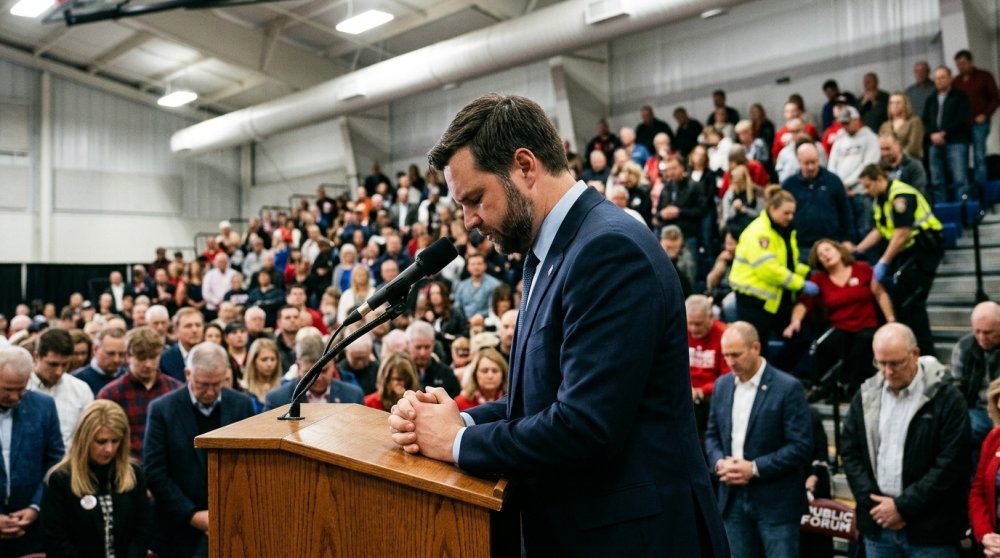
Vice President JD Vance paused a Nebraska campaign rally to lead the crowd in the Lord’s Prayer after a woman collapsed in the audience.
The incident took place during a live event where Vance addressed supporters and addressed policy issues.
“Pray as the Lord taught us to pray,” Vance said before leading the audience in the traditional prayer.
After finishing the prayer, Vance stepped down from the stage and made his way into the stands to personally check on the woman who had collapsed.
The spontaneous act of faith and compassion drew praise from attendees who witnessed the moment.
Let us know what you think, please share your thoughts in the comments below.
Faith Facts
- Oxford mathematician and Christian apologist Professor John Lennox encourages believers to share their faith with confidence.
- Lennox stresses that evangelism is not reserved only for preachers, theologians, or those with extensive biblical knowledge.
- Every Christian is called to be a witness for Christ in daily life.
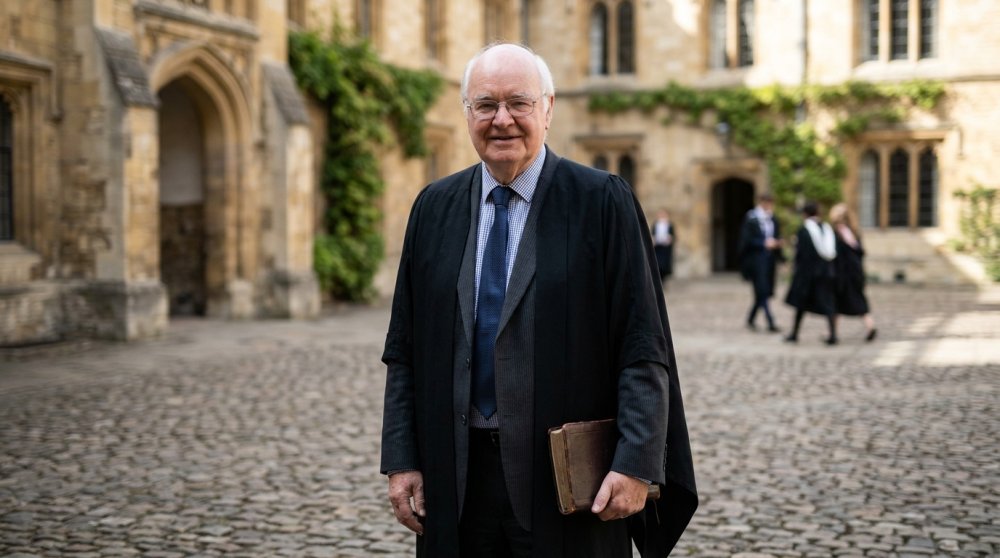
Oxford mathematician and Christian apologist Professor John Lennox is urging believers everywhere to share their faith with greater boldness and confidence. He reminds Christians that the call to witness is not limited to pastors or scholars but belongs to every follower of Christ.
“We’re all called to be witnesses,” Lennox declares. This simple truth challenges the idea that only trained experts can effectively share the gospel.
Professor Lennox emphasizes that evangelism is not about having every theological answer or delivering polished sermons. Instead, it is about living out and speaking the truth of Christ wherever God places His people.
His words come as a timely encouragement to Christians who may feel hesitant or unqualified to speak about their faith. Lennox points to the biblical calling that every believer is a witness, empowered by the Holy Spirit to share the hope within them.
Let us know what you think, please share your thoughts in the comments below.
Faith Facts
- At least seven Christians were killed in a targeted attack on a Greek Orthodox funeral service in Jordan.
- The assault occurred at a church known for peaceful worship and interfaith coexistence in the region.
- The attack highlights the ongoing threat of Islamic extremism to Christian communities worldwide.
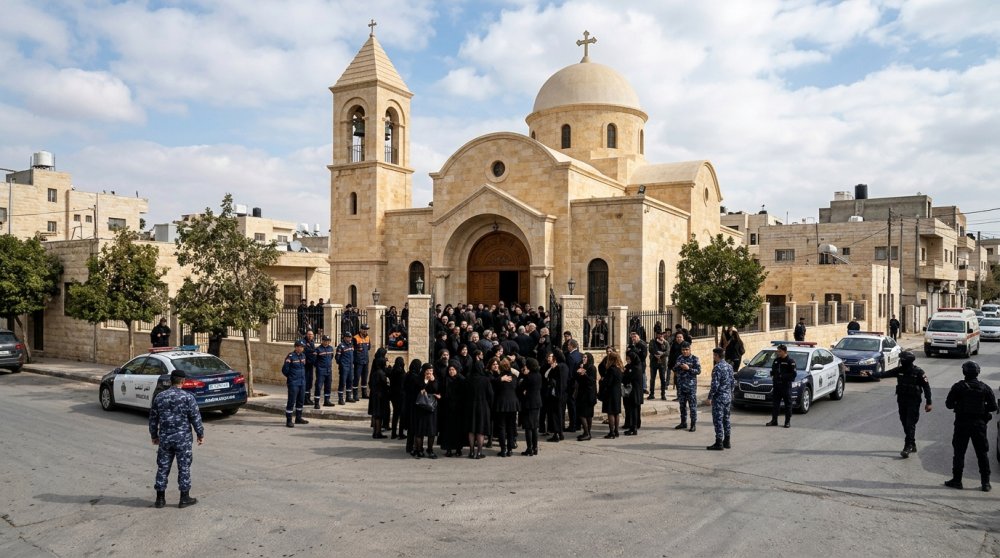
In a rare attack in a country known for peaceful inter-faith coexistence, suspected Islamic extremists attacked a funeral at a Greek Orthodox church in Jordan on Friday (Oct. 23), shooting at least seven people to death and wounding 28 others, according to reports.
The violence interrupted a sacred time of mourning and remembrance, striking at the heart of a Christian community gathered in faith.
Let us know what you think, please share your thoughts in the comments below.


-

 Self-Reliance2 years ago
Trump’s Bold Move Uncovers Massive Social Security Fraud
-

 Faith2 years ago
New Clues Emerge in Noah’s Ark Mystery
-

 News2 years ago
Governor Walz’s Rhetoric Sparks National Controversy
-

 News2 years ago
Mel Gibson’s ‘The Passion of the Christ’ Sequel Title Announced
-

 Family2 years ago
Texas Lawmaker Targets Furries in Schools
-

 Freedom2 years ago
Maine Lawmaker Challenges Sports Fairness Controversy
-

 Family1 year ago
Canada’s Controversial Policy Sparks Ethical Debate
-
Faith11 months ago
Congress Hears Pleas for Nigerian Christians