
Faith
London’s St Paul’s Cathedral Partners With Nightclub for Concert Series

Faith Facts
- St Paul’s Cathedral has announced a partnership with London nightclub Fabric to host a series of concerts inside the historic church
- The collaboration has sparked debate among Christians about the appropriate use of sacred spaces and the distinction between sacred and secular activities
- Christian leaders are calling for any church event to center on glorifying God and pointing people toward Christ
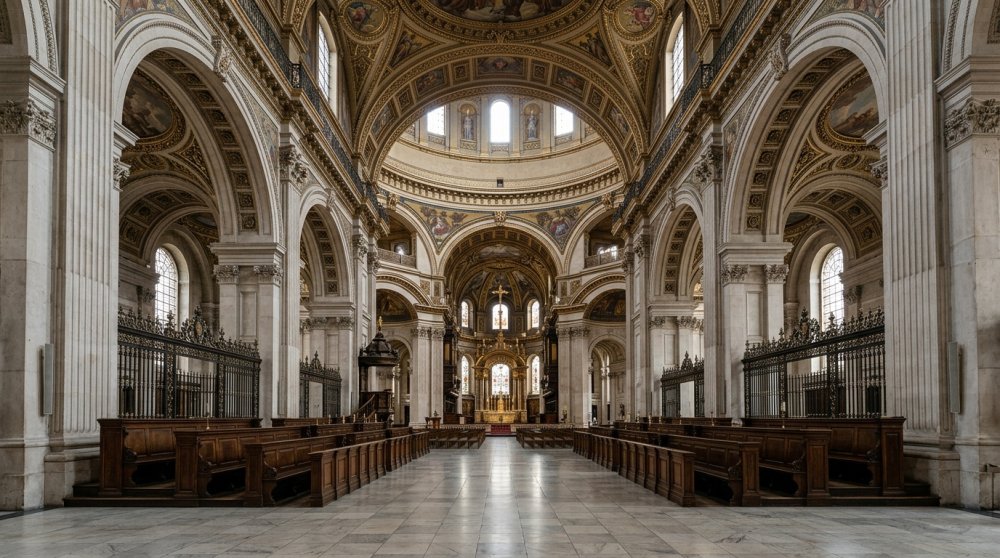
One of Christianity’s most iconic landmarks is facing scrutiny after announcing an unusual partnership that has believers questioning the boundaries of sacred space. St Paul’s Cathedral in London has joined forces with Fabric, a well-known nightclub, to bring a concert series into the historic church building.
The announcement has sparked a passionate conversation within the Christian community about what belongs inside the walls of a house of worship. For many believers, the issue goes far beyond music preferences or cultural engagement—it strikes at the heart of how we honor God in spaces dedicated to His glory.
The debate centers on a fundamental question that churches across the Western world are wrestling with: where is the line between reaching culture and compromising the sacred? Traditional Christians argue that churches should remain set apart, places where every activity points unmistakably toward Christ and His redemptive work.
This isn’t about rejecting music or the arts. Throughout history, the church has been a patron of beautiful music and creative expression. Bach, Handel, and countless other composers created masterworks specifically for worship, using their gifts to elevate hearts and minds toward the divine.
The distinction lies in purpose and direction. When a church hosts an event, the crucial question isn’t whether the music is technically excellent or culturally relevant—it’s whether the event ultimately glorifies God and directs people toward Jesus Christ. A concert that merely entertains, no matter how sophisticated, misses the mark of what a sacred space is designed to accomplish.
Critics of the cathedral’s decision point out that partnering with a secular nightclub sends mixed messages about the church’s mission. While believers are called to be salt and light in the world, that doesn’t mean importing worldly entertainment into sanctuaries meant for worship and prayer.
The concept of sacred space has deep biblical roots. When God instructed Moses to build the tabernacle, every detail mattered because it was a dwelling place for His presence. When Solomon dedicated the temple in Jerusalem, the glory of the Lord filled the house so powerfully that the priests couldn’t even stand to minister.
Churches today may not house the Ark of the Covenant, but they remain set-apart places where believers gather to worship, pray, and encounter God’s presence through His Word and Spirit. Treating these spaces casually or using them primarily for secular purposes risks diminishing their spiritual significance in the eyes of both believers and seekers.
Some defenders of cultural engagement in churches argue that meeting people where they are requires using familiar forms of entertainment and music. But there’s a difference between being culturally aware and allowing culture to dictate the church’s identity and purpose.
The apostle Paul wrote about becoming “all things to all people” to win some to Christ—but he never suggested compromising the gospel message or treating sacred things as common. His missionary strategy involved bold proclamation of truth, not blending into the surrounding culture until the distinction disappeared.
For churches facing similar decisions about programming and partnerships, the standard should be clear: does this activity glorify God and point people toward Christ? If the answer is unclear or negative, it doesn’t belong in a church building, regardless of how many people it might attract or how culturally relevant it might seem.
The church’s calling is not to compete with entertainment venues or prove that Christians can be just as cool as the secular world. The calling is to be faithful witnesses to eternal truth, offering something the world cannot provide—genuine encounter with the living God.
St Paul’s Cathedral stands as a testament to centuries of Christian faith and witness in England’s capital. The building itself, rising from the ashes after the Great Fire of London and standing firm through the Blitz, speaks to the enduring power of the gospel. Every decision about its use should honor that legacy.
Churches have always been places of community gathering, celebration, and culture. But the nature of that culture matters. When Bach’s sacred cantatas filled cathedrals, they didn’t just showcase musical skill—they proclaimed theological truth and directed worshipers’ hearts toward heaven.
The question isn’t whether churches should engage with culture or remain relevant to contemporary society. The question is whether, in that engagement, they maintain their distinctive calling to be houses of prayer, worship, and gospel proclamation.
As Western culture grows increasingly secular and hostile to Christian truth, the temptation to soften the church’s message and blur the lines between sacred and secular will only intensify. But this is precisely the moment when believers must hold firm to biblical standards and refuse to treat holy things as common.
Whatever events fill St Paul’s Cathedral—or any church—they should unmistakably glorify God and point people toward Jesus Christ. Anything less falls short of the purpose for which these sacred spaces exist.
Let us know what you think, please share your thoughts in the comments below.

Faith Facts
- Vice President JD Vance credits his faith for guiding his political service and life decisions.
- Vance says he has not yet felt a divine call to pursue the presidency in 2028.
- He remains open to the possibility that God may lead him toward a future presidential campaign.
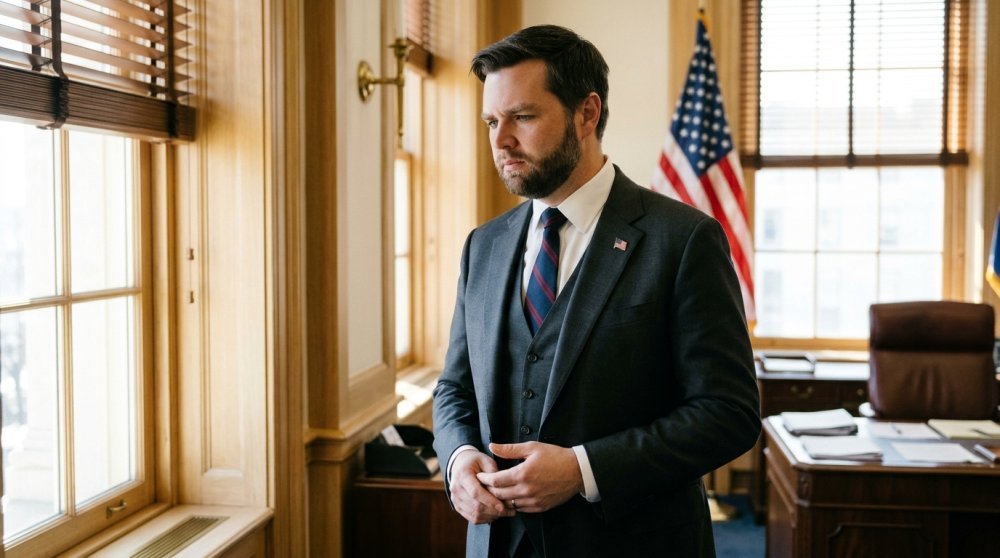
Vice President JD Vance has stated that his faith remains central to his decision-making as he weighs a potential 2028 presidential campaign. The Ohio senator-turned-vice president spoke candidly about how he continues to seek God’s direction before making major political moves.
Vance emphasized that he has not yet sensed a clear calling from God regarding a presidential run. He noted that this could change in time but stressed the importance of waiting for divine guidance.
“I haven’t yet felt God’s call for a presidential run in 2028,”
“Maybe that’ll change.”
Vance’s comments reflect a growing trend among conservative leaders who publicly acknowledge their dependence on prayer and Scripture when facing major career decisions. His approach resonates with many Americans who value leaders willing to submit their ambitions to God’s will.
The vice president also reflected on how his conversion to Christianity has shaped his worldview and public service. Vance has often spoken about the transformative power of faith in both his personal life and his political philosophy.
Let us know what you think, please share your thoughts in the comments below.
Faith Facts
- Vice President JD Vance led rally attendees in reciting the Lord’s Prayer when a woman collapsed nearby.
- The moment highlighted the continued presence of Christian faith in American public life and political gatherings.
- Vance personally left the stage to check on the woman after leading the prayer.
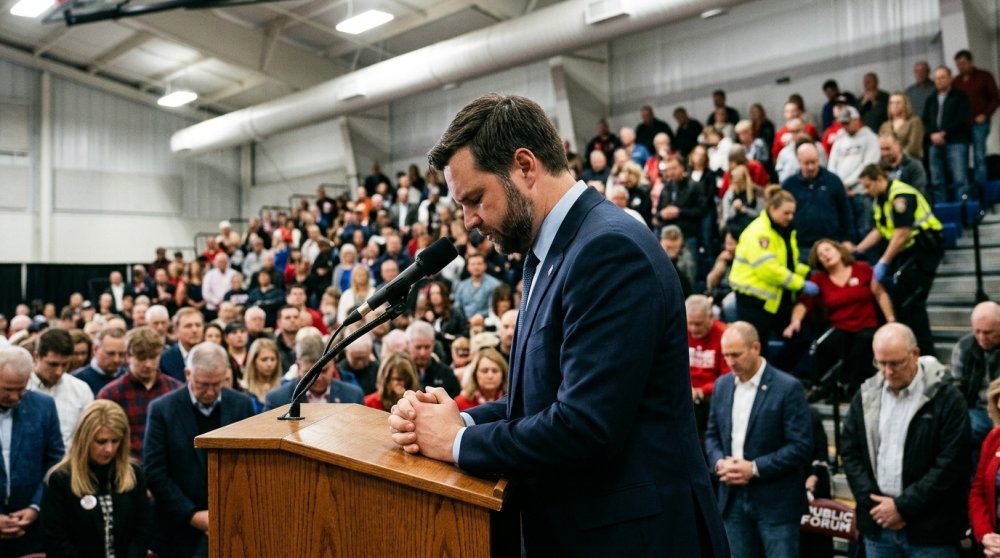
Vice President JD Vance paused a Nebraska campaign rally to lead the crowd in the Lord’s Prayer after a woman collapsed in the audience.
The incident took place during a live event where Vance addressed supporters and addressed policy issues.
“Pray as the Lord taught us to pray,” Vance said before leading the audience in the traditional prayer.
After finishing the prayer, Vance stepped down from the stage and made his way into the stands to personally check on the woman who had collapsed.
The spontaneous act of faith and compassion drew praise from attendees who witnessed the moment.
Let us know what you think, please share your thoughts in the comments below.
Faith Facts
- Oxford mathematician and Christian apologist Professor John Lennox encourages believers to share their faith with confidence.
- Lennox stresses that evangelism is not reserved only for preachers, theologians, or those with extensive biblical knowledge.
- Every Christian is called to be a witness for Christ in daily life.
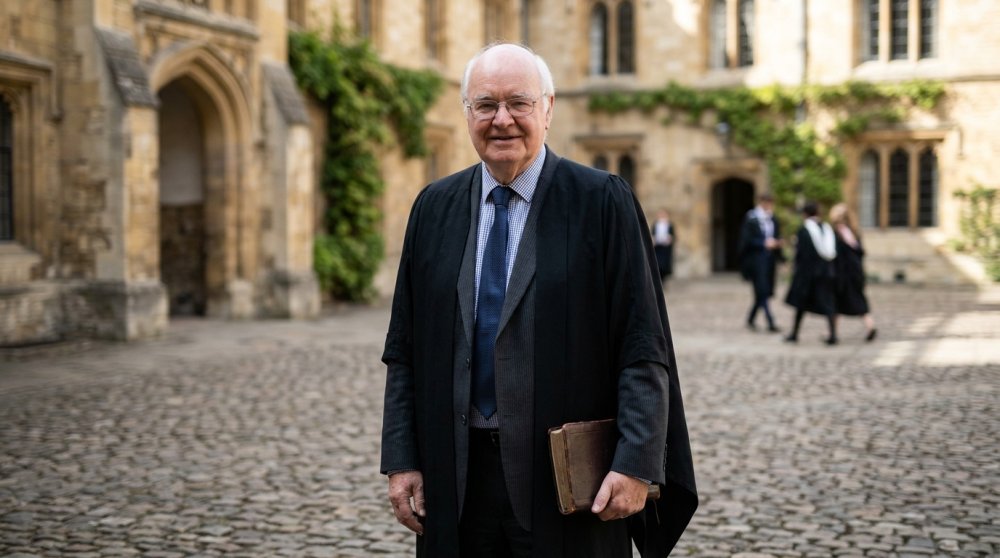
Oxford mathematician and Christian apologist Professor John Lennox is urging believers everywhere to share their faith with greater boldness and confidence. He reminds Christians that the call to witness is not limited to pastors or scholars but belongs to every follower of Christ.
“We’re all called to be witnesses,” Lennox declares. This simple truth challenges the idea that only trained experts can effectively share the gospel.
Professor Lennox emphasizes that evangelism is not about having every theological answer or delivering polished sermons. Instead, it is about living out and speaking the truth of Christ wherever God places His people.
His words come as a timely encouragement to Christians who may feel hesitant or unqualified to speak about their faith. Lennox points to the biblical calling that every believer is a witness, empowered by the Holy Spirit to share the hope within them.
Let us know what you think, please share your thoughts in the comments below.


-

 Self-Reliance2 years ago
Trump’s Bold Move Uncovers Massive Social Security Fraud
-

 Faith2 years ago
New Clues Emerge in Noah’s Ark Mystery
-

 News2 years ago
Governor Walz’s Rhetoric Sparks National Controversy
-

 News2 years ago
Mel Gibson’s ‘The Passion of the Christ’ Sequel Title Announced
-

 Family2 years ago
Texas Lawmaker Targets Furries in Schools
-

 Freedom2 years ago
Maine Lawmaker Challenges Sports Fairness Controversy
-

 Family1 year ago
Canada’s Controversial Policy Sparks Ethical Debate
-
Faith11 months ago
Congress Hears Pleas for Nigerian Christians