
Family
Kidnapping Survivor Elizabeth Smart Reveals Unexpected New Journey


Faith Facts
- Elizabeth Smart, kidnapped at age 14 in 2002, has embraced bodybuilding as a way to celebrate the resilience of her body through trauma
- Smart shared her journey on social media, expressing gratitude for her body that carried her through her darkest days
- The survivor continues to use her platform to advocate for child safety and inspire others with her testimony of hope and healing
Elizabeth Smart, the well-known kidnapping survivor who endured a nine-month ordeal after being abducted at knifepoint from her Salt Lake City home at age 14 in 2002, has surprised her followers with a new chapter in her healing journey. Smart recently shared her bodybuilding endeavor on social media, revealing a deeply personal motivation behind the unexpected hobby.
In her social media post, Smart opened up about her reasons for pursuing bodybuilding, explaining that she wants to honor the body that sustained her through unimaginable trials.
“I want to celebrate my body, which has carried me through every worst day, every hellish grueling experience,” Smart wrote.
The revelation has sparked an outpouring of support from followers who have long admired Smart’s resilience and courage. Since her rescue in 2003, Smart has transformed her traumatic experience into a platform for advocacy, dedicating her life to child safety initiatives and offering hope to other survivors of violence and abuse.
Smart’s decision to pursue bodybuilding represents another facet of her ongoing healing process. Rather than viewing her body as something that was violated during her captivity, she has chosen to celebrate it as a vessel of strength and endurance that enabled her survival.
The kidnapping survivor has consistently demonstrated remarkable faith and fortitude in the years following her rescue. Her willingness to share her story publicly has helped countless families protect their children and has given voice to survivors who might otherwise suffer in silence.
By embracing bodybuilding, Smart continues to model resilience and self-determination for her followers. Her journey serves as a powerful reminder that healing takes many forms and that survivors can reclaim their lives in unexpected ways.
Smart’s advocacy work has made her a prominent voice in the fight against child abduction and exploitation. Her testimony before Congress and her work with various child safety organizations have helped shape policies and raise awareness about the ongoing threats children face.
Through her latest endeavor, Smart demonstrates that embracing life after trauma means more than simply surviving—it means thriving, growing, and finding new ways to honor the strength that enabled survival in the first place. Her message resonates with many who face their own battles, offering inspiration that recovery and renewal are always possible.
Let us know what you think, please share your thoughts in the comments below.

Faith Facts
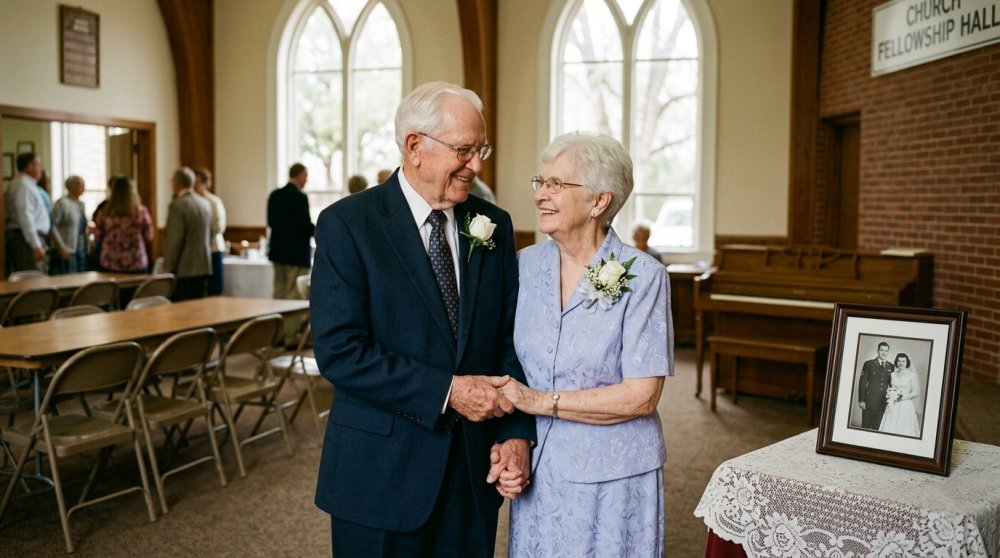
- Clyde and Gwen Antwine celebrated 70 years of marriage rooted in Christian service and missionary work across Europe and the United States.
- The couple met at a youth camp in Texas and built their relationship on shared faith, mission trips, and a commitment to mentoring young Christians.
- They helped establish a healthy church in Zurich, Switzerland, and continued to serve faithfully at Memorial Road Church of Christ in Oklahoma.
The Antwines first met as teenagers at a two-week encampment at Abilene Christian University. Clyde was 15 years old and sold his FFA prize-winning steer for $40 to attend. That is where he first saw Gwen, then 14, and asked to take her picture.
He carried that photograph in his wallet for five years before they reunited at Abilene Christian during his sophomore year. They married six months later.
“The last day of camp, I worked up the courage to ask her if I could take her picture, and she posed. And I put that picture in my wallet. I didn’t even know her name. I just knew she was pretty.”
After Clyde graduated, the couple boarded a boat for Europe in 1959. They served seven years in Zurich, helping to strengthen a young congregation of the Church of Christ. Their work laid a foundation that still bears fruit today.
Later the Antwines served in the German cities of Augsburg and Munich. After nearly two decades overseas, they returned to the United States. Clyde became missionary in residence at Oklahoma Christian University while Gwen served as office manager for The Christian Chronicle.
“Gwen would get you laughing and see the positive side when things got tough, and Clyde, in his quiet voice, would somehow say the exact words you needed to hear to keep you spiritually grounded.”
Their legacy continues through the many students they mentored for mission work. The Antwines never sought recognition. Their only goal was to prepare others for Kingdom service.
Today, Clyde still carries that original photograph of Gwen from their teenage years. Their story stands as a clear testimony of enduring love, steadfast faith, and lifelong commitment to the Lord’s work.
Let us know what you think, please share your thoughts in the comments below.
Faith Facts
- Ashley Flynn’s family states she “wanted her life to point people to Jesus.”
- She is remembered as a mother of two who “loved Jesus with her whole heart.”
- The case centers on the tragic loss of a Christian wife and mother whose testimony continues to inspire faith.
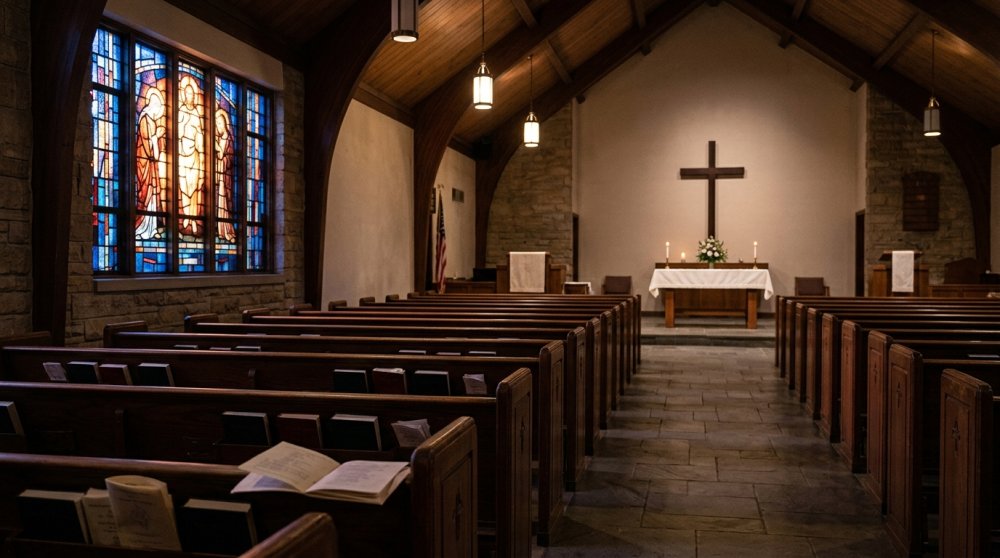
The family of the late Ashley Flynn is remembering the slain mother of two as someone who “loved Jesus with her whole heart” after her husband Caleb was found guilty of murdering her as the defendant’s family maintains his innocence.
Let us know what you think, please share your thoughts in the comments below.
Faith Facts
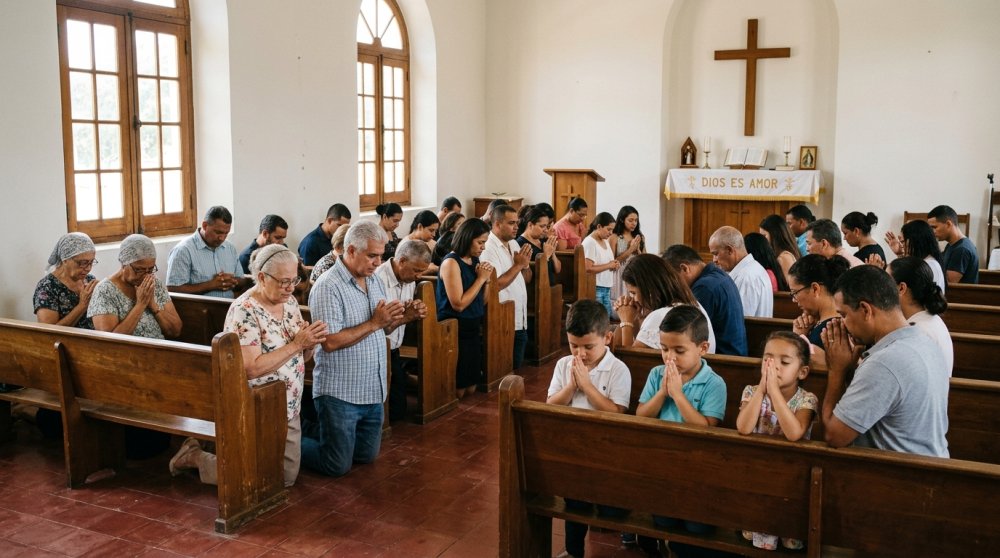
- Christians across Puerto Rico are gathering for six days of prayer for families, churches and the island’s future.
- The island is a U.S. territory located in the Caribbean.
- The multi-day prayer initiative reflects a commitment to faith, family and national values.
Christians across Puerto Rico are gathering this week for six days of prayer for families, churches and the future of the island, a U.S. territory in the Caribbean.
Believers are uniting in churches and communities to seek God’s guidance and blessing over their households and the territory’s future.
Participants are lifting up concerns ranging from family stability and spiritual renewal to economic growth and cultural preservation.
Let us know what you think, please share your thoughts in the comments below.


-

 Self-Reliance2 years ago
Trump’s Bold Move Uncovers Massive Social Security Fraud
-

 Faith2 years ago
New Clues Emerge in Noah’s Ark Mystery
-

 News2 years ago
Governor Walz’s Rhetoric Sparks National Controversy
-

 News2 years ago
Mel Gibson’s ‘The Passion of the Christ’ Sequel Title Announced
-

 Family2 years ago
Texas Lawmaker Targets Furries in Schools
-

 Freedom2 years ago
Maine Lawmaker Challenges Sports Fairness Controversy
-

 Family1 year ago
Canada’s Controversial Policy Sparks Ethical Debate
-
Faith11 months ago
Congress Hears Pleas for Nigerian Christians