
Faith
Island Churches Sound the Alarm on Assisted Dying Proposal

Faith Facts
- Churches on the Isle of Man are calling on parliament to reject a proposed assisted dying bill
- Faith leaders warn the legislation is rushed and fails to adequately protect vulnerable citizens
- Christian leaders express concern that “a choice to die will become a duty to die” under the proposed law
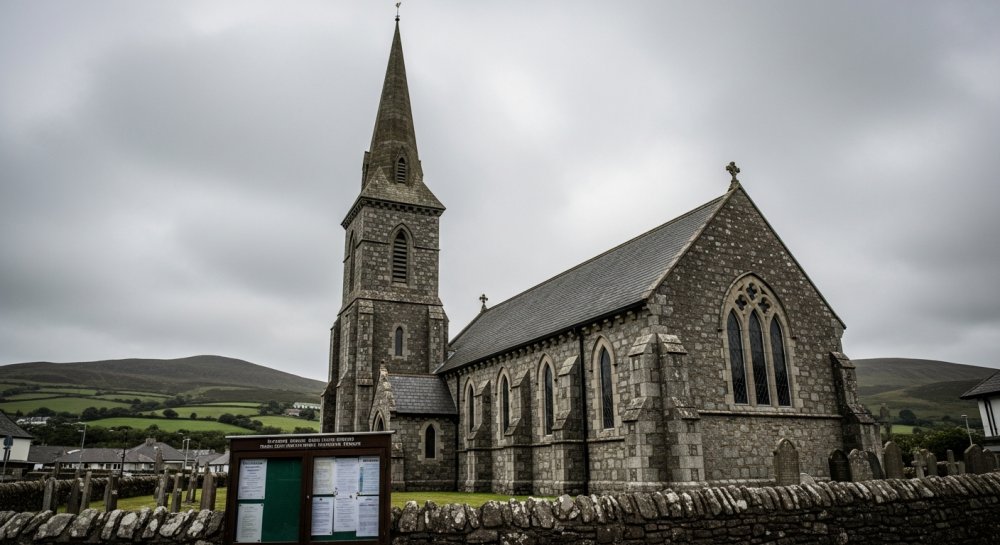
Churches across the Isle of Man are mounting a unified stand against legislation that could fundamentally alter the island’s approach to end-of-life care. Christian leaders are sounding urgent warnings to members of parliament, calling the proposed assisted dying bill dangerously flawed and inadequately protective of the island’s most vulnerable residents.
The faith community’s opposition centers on deep concerns that the legislation has been advanced without sufficient deliberation or safeguards. Church representatives argue that what begins as a “choice” for the terminally ill could quickly evolve into something far more sinister—a societal expectation that burdens families and pressures the elderly, disabled, and chronically ill.
“A choice to die will become a duty to die,” church leaders warn, articulating fears that vulnerable individuals may feel compelled to end their lives rather than burden loved ones or healthcare systems.
The Isle of Man churches are not alone in their concerns. Across the Western world, Christian communities have consistently opposed assisted suicide and euthanasia legislation, viewing it as a fundamental violation of the sanctity of human life—a cornerstone principle of biblical teaching. From a faith perspective, every life has inherent dignity and value from conception to natural death, regardless of illness, disability, or dependency.
Critics of assisted dying legislation consistently point to experiences in jurisdictions where such laws have been enacted. In Canada, Belgium, and the Netherlands, the initial “strict” criteria for assisted death have steadily expanded, encompassing mental illness, disability, and in some cases, minors. What proponents promise as narrowly defined “compassionate choice” has repeatedly transformed into something far broader and more troubling.
The Isle of Man’s Christian community is calling for legislators to slow down, conduct comprehensive consultations, and consider alternatives that truly serve the dying—such as improved palliative care, enhanced pain management, and robust support for families navigating terminal illness. These faith leaders argue that a compassionate society invests in caring for the vulnerable throughout their natural lives, rather than offering death as a solution to suffering.
As parliament prepares to consider the bill, church members are being urged to contact their representatives and make their voices heard. The outcome on the Isle of Man could influence similar debates in other jurisdictions, making this legislative battle significant far beyond the island’s shores.
Let us know what you think, please share your thoughts in the comments below.

Faith Facts
- Morgan Wallen, one of country music’s biggest stars, is the son of a Southern Baptist preacher and grew up deeply immersed in Christian faith and worship music
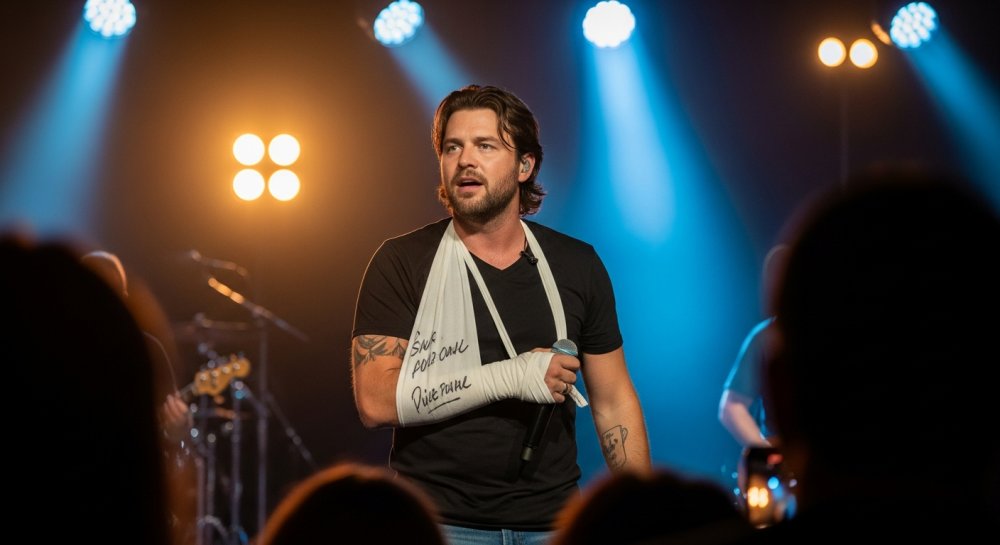
- Despite public controversies, Wallen has openly displayed his faith, including appearing onstage with a Bible verse written on his plaster cast
- The singer’s journey reflects the complexities of maintaining Christian witness amid fame, struggles, and the scrutiny of secular culture
In an era when faith is often hidden or dismissed in mainstream entertainment, one country music superstar is refusing to stay silent about his Christian roots. Morgan Wallen, the chart-topping singer whose voice has dominated radio airwaves and streaming platforms, carries a heritage that runs deeper than his hit singles—he’s the son of a Southern Baptist preacher.
Wallen’s public journey has been anything but smooth. His rise to superstardom has been marked by both extraordinary success and significant controversy. Yet through it all, glimpses of his faith continue to emerge, reminding fans and critics alike of the foundation upon which he was raised.
Morgan Wallen sported the bible verse Joshua 2:21 on his leg cast during his night 2 concert in Clemson this past weekend. The bible verse reads “Then she said, ‘According to your words, so be it!’ And she sent them away, and they departed. And she bound the scarlet cord in the… pic.twitter.com/Z9i1ESNg16
— Country Chord (@CountryChord) June 29, 2026
When Wallen appeared onstage with a Bible verse inscribed on his plaster cast, it wasn’t just a fashion statement or publicity stunt. It was a visible testament to a faith formed in the pews of a Southern Baptist church, where worship music and Scripture were woven into the fabric of his childhood. For those who grew up in similar environments, the gesture resonated as something authentic—a public acknowledgment of private belief.
The tension between Wallen’s faith background and his public missteps has sparked conversation across Christian and secular communities alike. Some see hypocrisy; others see a prodigal son still within reach of grace. What’s undeniable is that Wallen has never completely severed ties with his Christian upbringing, even as the pressures and temptations of fame have pulled him in competing directions.
His story raises important questions for Christians navigating a culture that often demands perfection from believers while celebrating brokenness in everyone else. How do we respond when someone raised in the faith stumbles publicly? Do we write them off, or do we recognize that sanctification is a lifelong process, messy and non-linear?
Wallen’s music itself often touches on themes of redemption, struggle, and the search for meaning—subjects that resonate with believers who understand that the Christian life isn’t about appearing flawless, but about returning again and again to the source of grace. His willingness to display Scripture publicly, even amid controversy, suggests a man who hasn’t abandoned the faith of his father, even if he’s wrestling with how to live it out under the spotlight.
For Christian parents and church leaders, Wallen’s journey serves as a reminder that raising children in the faith doesn’t guarantee a straightforward path. The seed planted in childhood can lie dormant for seasons, obscured by worldly pursuits and poor choices, yet never fully dead. The prodigal son parable wasn’t just a nice story—it’s a pattern we see repeated throughout Scripture and in modern life.
The secular entertainment industry has little patience for moral failure among Christians, yet it celebrates redemption narratives when they’re framed on its own terms. Wallen’s public faith, imperfect as it may be, challenges that double standard. It says that someone can be broken, make mistakes, and still point toward something greater than themselves.
As Christians, we’re called to speak truth in love—neither excusing sin nor denying the power of grace to transform. Wallen’s story is still being written. Whether it becomes a testimony of full restoration or a cautionary tale remains to be seen. What’s certain is that the faith instilled by a Southern Baptist preacher father hasn’t been completely extinguished, and where there’s a flicker, there’s hope for a flame.
In a culture increasingly hostile to Christian values, public figures who acknowledge their faith—however imperfectly—deserve our prayers more than our condemnation. The Bible verse on that cast wasn’t just ink on plaster; it was a marker, a reminder that even in the middle of fame and failure, the Word of God endures.
Let us know what you think, please share your thoughts in the comments below.
Faith Facts
- The Archbishops of Canterbury and York approved an event featuring Christians who have left homosexual lifestyles to speak at the Church of England General Synod.
- LGBT activists attempted to pressure church leadership to cancel the gathering, which aims to share testimonies of transformation through faith in Christ.
- The decision to allow the event represents a stand for religious freedom and the church’s traditional teaching on sexual morality.
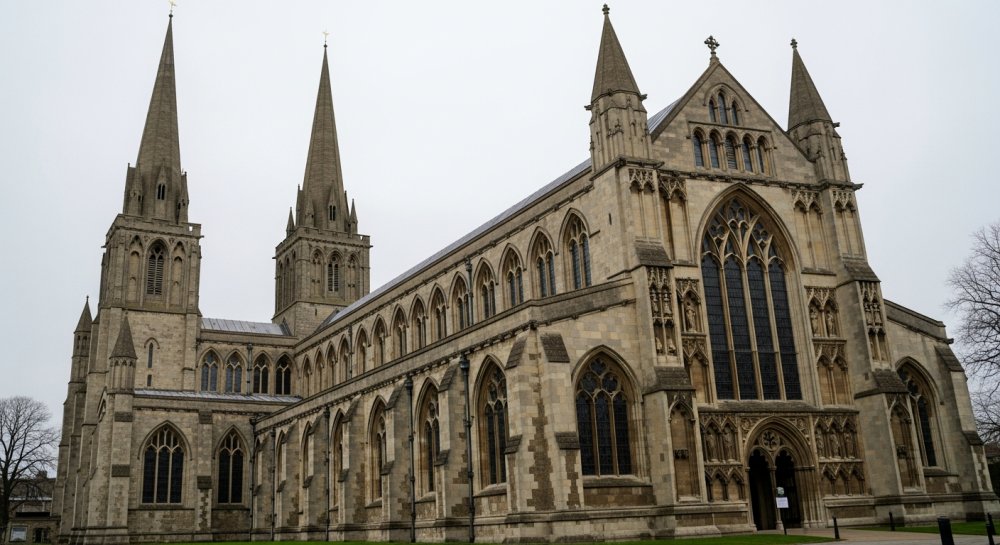
In a significant victory for religious freedom and biblical teaching, the leadership of the Church of England has stood firm against LGBT activist pressure. The Archbishops of Canterbury and York have approved an event where Christians who have left homosexual lifestyles will share their testimonies during the upcoming General Synod.
The decision comes after intense lobbying from LGBT activists who sought to silence these powerful stories of transformation through faith in Jesus Christ. Their efforts to cancel the event highlighted the ongoing tension between traditional Christian teaching on sexuality and modern cultural demands for affirmation of all sexual identities.
For many believers, the testimonies of those who have experienced freedom from same-sex attraction through faith represent vital evidence of God’s transforming power. These personal accounts challenge the narrative that sexual orientation is fixed and unchangeable, offering hope to Christians struggling with unwanted same-sex attraction.
The Church of England has faced mounting pressure in recent years to conform to secular culture’s embrace of LGBT identities. This decision by the archbishops to allow the ex-gay event demonstrates a willingness to uphold space for diverse experiences and testimonies within the church, particularly those that align with historical Christian sexual ethics.
Traditional Christian teaching holds that sexual expression is intended for marriage between one man and one woman. Many Christians who experience same-sex attraction choose celibacy as a faithful response to biblical teaching, while others report changes in their attractions through prayer, counseling, and community support.
The attempt to shut down this event reflects a broader cultural pattern of silencing voices that don’t conform to LGBT activist orthodoxy. Even within church settings, those who testify to leaving homosexual lifestyles often face accusations of promoting “conversion therapy” or causing harm to LGBT individuals.
Supporters of the event argue that preventing these Christians from sharing their stories amounts to discrimination and censorship. If the church truly values inclusivity and diverse experiences, they contend, it must make room for those whose journeys don’t fit the prevailing cultural narrative about sexuality.
The General Synod gathering will provide an opportunity for church members to hear firsthand from believers whose lives have been transformed. These testimonies serve as a reminder that the Gospel offers hope and change to all who seek Christ, regardless of their struggles or past.
As the Church of England continues to navigate debates over human sexuality, this decision signals that church leadership is not yet ready to completely capitulate to activist demands. The willingness to allow ex-gay voices to be heard represents a commitment to theological diversity and pastoral care for all believers.
The forthcoming event will likely intensify discussions about sexuality, scripture, and pastoral practice within the Church of England. For conservatives within the denomination, the archbishops’ decision offers a measure of encouragement that biblical teaching still has a place in the church’s deliberations.
Let us know what you think, please share your thoughts in the comments below.

Faith Facts
- A Reformed pastor in Switzerland conducts weekly devotionals inside the video game Minecraft, reaching approximately 20 participants per session
- About half of the participants have no prior church connection, representing a genuine mission field among the unchurched
- The digital ministry demonstrates innovative outreach methods that meet people where they are in the modern age
In an era where traditional church attendance continues to decline across Western nations, one creative pastor has discovered an unconventional mission field that’s bearing real spiritual fruit. A Reformed pastor in Switzerland has been conducting weekly devotionals inside the popular video game Minecraft, successfully reaching souls who might never darken the door of a physical church building.
The digital ministry draws approximately 20 participants each week, with a remarkable demographic profile: roughly half of those attending have absolutely no prior connection to any church. This represents genuine missionary work in a space where millions of young people spend countless hours — particularly those who have been abandoned by a culture that often fails to point them toward Christ.
The pastor’s approach recognizes a fundamental truth that the early church understood well: effective evangelism requires going where people are, not simply waiting for them to come to us. The Apostle Paul became “all things to all people” to win some to Christ, and this digital ministry embodies that same principle for the 21st century.
Minecraft, a game with over 140 million monthly active players worldwide, provides a unique environment for community building and discussion. Unlike many online spaces characterized by hostility and darkness, this pastor has created a virtual sanctuary where biblical truth can be shared and discussed in an accessible format.
The success of this ministry challenges Christian leaders to think creatively about evangelism and discipleship in an increasingly digital age. While nothing can replace the vital importance of in-person fellowship and corporate worship, digital tools can serve as a bridge — particularly for reaching young people who have been failed by secular institutions and are searching for meaning and truth.
This initiative also highlights the importance of meeting the rising generation where they are. Many young Americans have been indoctrinated in secular schools, exposed to godless entertainment, and surrounded by a culture hostile to Christianity. Creative outreach like this Minecraft ministry provides an entry point for Gospel conversations that might otherwise never happen.
The pastor’s work serves as an encouraging reminder that the Great Commission applies to every sphere of life, including digital spaces. As technology continues to reshape how people communicate and build community, faithful Christians must be willing to use these tools strategically while never compromising the timeless truth of Scripture.
Let us know what you think, please share your thoughts in the comments below.


-

 Self-Reliance1 year ago
Trump’s Bold Move Uncovers Massive Social Security Fraud
-

 Faith1 year ago
New Clues Emerge in Noah’s Ark Mystery
-

 News1 year ago
Governor Walz’s Rhetoric Sparks National Controversy
-

 News1 year ago
Mel Gibson’s ‘The Passion of the Christ’ Sequel Title Announced
-

 Family1 year ago
Texas Lawmaker Targets Furries in Schools
-

 Freedom1 year ago
Maine Lawmaker Challenges Sports Fairness Controversy
-

 Family1 year ago
Canada’s Controversial Policy Sparks Ethical Debate
-
Faith8 months ago
Congress Hears Pleas for Nigerian Christians