
Faith
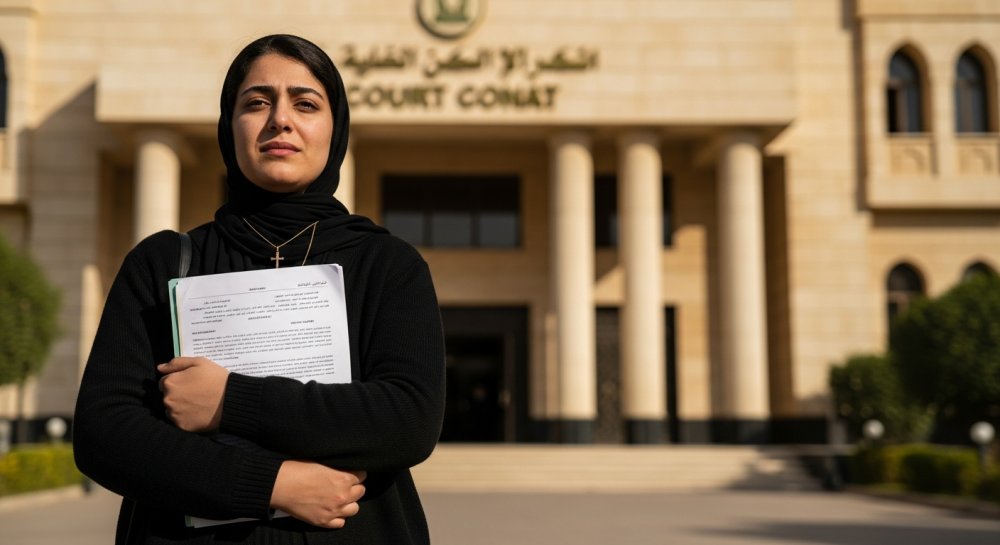
Iraqi Christian Woman Overturns Government’s Muslim Registration in Landmark Victory

Faith Facts
- An Iraqi court ruled in favor of a Christian woman who was automatically registered as Muslim by the state, allowing her religious identity to be legally corrected.
- Iraqi law automatically registers children with unmarried or unidentified fathers as Muslims, creating significant legal and personal hardships for Christians.
- The landmark ruling could establish an important precedent for protecting religious freedom rights of Iraqi Christians facing state-imposed religious classifications.
In a significant victory for religious freedom in Iraq, a court has ruled in favor of a young Christian woman who challenged the government’s automatic registration of her as Muslim. The decision allows her to have her true religious identity legally recognized in official state records. The case highlights the ongoing struggle Christians face in Iraq, where government policies can override individual faith and family heritage.
Under Iraqi law, children born to unmarried mothers or those with unidentified fathers are automatically registered as Muslims in the civil status database, regardless of their actual religious background or family practice. This policy has created severe complications for Christian families, affecting everything from marriage rights to inheritance and educational opportunities.
The woman’s legal battle focused on correcting her official religious status to reflect her Christian faith and upbringing. Iraqi Christians have long voiced concerns about such automatic classifications, which they say violate fundamental religious freedom principles and create barriers to practicing their faith openly.
Religious freedom advocates view the court’s decision as a potential turning point. The ruling could establish legal precedent that protects other Christians from having their religious identity overridden by state databases, allowing them to maintain their faith heritage in official records.
Iraq’s Christian population has declined dramatically in recent decades due to persecution, conflict, and discriminatory policies. Many have fled the country, reducing what was once a vibrant Christian community of over one million to fewer than 250,000 today. Legal challenges like automatic Muslim registration have compounded the difficulties Christians face in remaining in their ancestral homeland.
The case underscores the importance of religious freedom protections in the Middle East, where Christian minorities often face institutional barriers to practicing their faith. For Iraqi Christians, the ability to have their religious identity accurately recorded in government documents is not merely administrative—it affects their daily lives, legal rights, and ability to pass their faith to future generations.
Christian advocacy groups monitoring religious freedom in Iraq have welcomed the court’s decision as a step forward. They emphasize that protecting the right to religious identity is essential for preserving Iraq’s remaining Christian community and upholding fundamental human rights standards.
The ruling arrives at a critical time for Iraqi Christians, who continue to face pressure from both government policies and social forces that threaten their presence in the region. Legal victories like this one offer hope that religious minorities can secure greater protection under Iraqi law.
Let us know what you think, please share your thoughts in the comments below.


Faith Facts
- Theologian Wayne Grudem has published comprehensive public policy backgrounders rooted in biblical principles to guide Christian voters in upcoming elections
- The resources examine how Scripture speaks directly to contemporary political and governance issues facing America today
- Christian voters are being equipped with timeless biblical truths to navigate the increasingly complex political landscape with wisdom and discernment
As America approaches another crucial election season, Christian voters are being offered a powerful resource to help them navigate the complex intersection of faith and politics. Noted theologian Wayne Grudem has released comprehensive public policy backgrounders specifically designed to prepare believers for the decisions they’ll face at the ballot box.
The materials represent a significant effort to bridge the gap between eternal biblical principles and contemporary political realities. Rather than offering simplistic answers or partisan talking points, Grudem’s work seeks to ground political thinking in the unchanging truths of Scripture.
For many Christian Americans, the question of how faith should inform their political choices has become increasingly urgent. With cultural battles intensifying and traditional values under mounting pressure, believers are searching for guidance that honors both their citizenship in heaven and their responsibilities as American citizens.
Grudem’s backgrounders address this need by examining what the Bible actually says about government, justice, human dignity, and the proper role of civil authority. The approach recognizes that while Scripture doesn’t endorse specific parties or candidates, it does provide clear principles about righteousness, justice, and the protection of human life and freedom.
The timing of these resources is particularly significant as Christian voters face decisions that will shape the nation’s future on issues ranging from religious liberty to the sanctity of life, from educational freedom to economic stewardship. The biblical framework offered helps believers think through these issues with both conviction and wisdom.
Traditional Christian values have long formed the bedrock of American culture and governance. These new resources aim to help voters rediscover how those timeless truths can inform their participation in the democratic process without compromising their faith or reducing Christianity to mere partisan politics.
The materials serve as a reminder that Christian engagement in the public square isn’t optional—it’s part of the responsibility believers have to be salt and light in their communities. By grounding political participation in Scripture rather than cultural trends or party platforms, Christians can engage with both confidence and humility.
As the election season intensifies, resources like these provide an invaluable service to believers who want to vote their values while maintaining the primacy of their faith. The challenge for Christian voters isn’t choosing between faith and citizenship, but allowing biblical truth to inform every aspect of life—including how they engage with government and politics.
Let us know what you think, please share your thoughts in the comments below.
Faith Facts
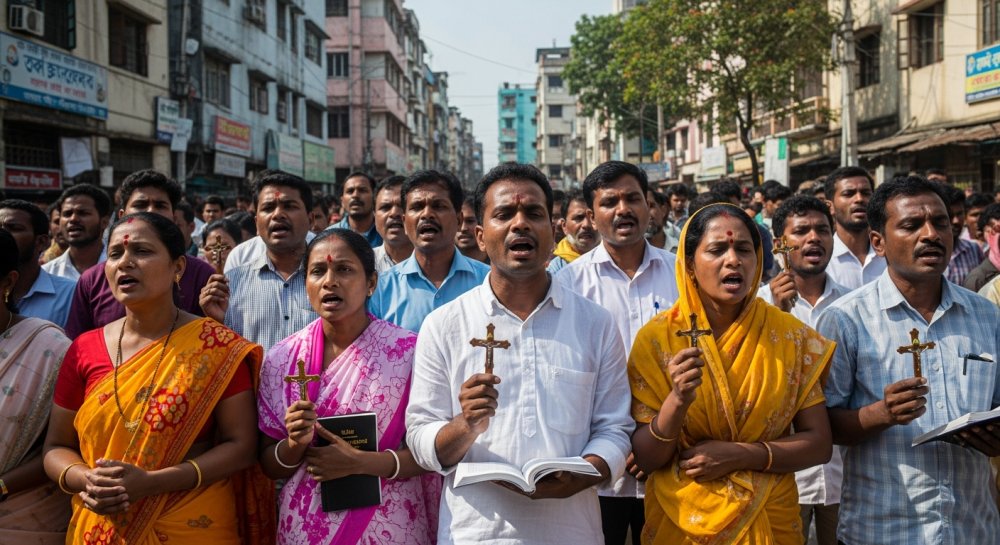
- Christians in West Bengal, India, are organizing rallies and conventions in response to escalating attacks by Hindu nationalist groups following the formation of a new government
- The persecution of Christians in India has intensified under Hindu nationalist political movements that seek to marginalize religious minorities
- Religious freedom advocates warn that the violence represents a broader pattern of hostility toward Christian communities across India
Christians in eastern India are standing firm in their faith amid a troubling wave of violence. The Christian community in West Bengal is mobilizing to address a surge of attacks orchestrated by Hindu nationalist groups since the recent establishment of a new state government sympathetic to their cause.
The escalating persecution represents a critical challenge for religious freedom in the world’s largest democracy. Hindu nationalist movements have increasingly targeted Christian communities, seeking to drive out what they view as foreign religious influences despite Christianity’s centuries-long presence in India.
Believers in West Bengal are planning peaceful rallies and conventions to raise awareness about the violence they face and to call for protection of their constitutional rights. These public gatherings will serve as a unified voice for Christians who have endured intimidation, vandalism of churches, and physical assaults simply for practicing their faith.
The formation of the new government has emboldened extremist elements who operate with apparent impunity. Christian leaders report that attacks have become more frequent and brazen, with perpetrators facing little to no legal consequences for their actions.
Religious freedom advocates note that the situation in West Bengal mirrors broader trends across India, where Hindu nationalist ideology has gained political traction. Christians, who comprise approximately 2.3% of India’s population, find themselves increasingly vulnerable in states where such movements hold power.
The international Christian community must remain vigilant about the persecution of believers in India. What happens in West Bengal serves as a warning about the dangers posed when governments align with religious extremism and fail to protect the rights of all citizens regardless of their faith.
American Christians should remember their brothers and sisters facing persecution abroad and advocate for religious freedom as a fundamental human right. The courage of West Bengal’s Christians in standing up peacefully against violence deserves our prayers and support.
Let us know what you think, please share your thoughts in the comments below.

Faith Facts
- Churches that rely solely on being ‘friendly’ often fail to retain new visitors and achieve sustainable growth
- Modern churchgoers expect genuine community, spiritual depth, and meaningful connection beyond surface-level greetings
- Successful church growth requires intentional discipleship, authentic relationships, and clear pathways for newcomers to engage
In an era where visitors have countless options for spiritual engagement, many churches are learning a difficult truth: being friendly is no longer enough to build and sustain a thriving congregation. While warmth and hospitality remain foundational Christian values, today’s seekers are looking for something deeper than a handshake and a smile at the door.
Church leaders across America are recognizing that what once differentiated a welcoming congregation has become the bare minimum expectation. Visitors now arrive anticipating friendly greeters and warm coffee in the fellowship hall. What they’re truly searching for is authentic community, spiritual transformation, and a place where they can grow in their faith alongside fellow believers.
The shift reflects broader changes in how Americans approach church involvement. With declining institutional trust and increased spiritual curiosity, newcomers want to see evidence that a church community can genuinely impact their lives. They’re seeking congregations that offer more than Sunday pleasantries—they want biblical teaching that challenges and encourages, relationships that extend beyond weekend services, and opportunities to serve that align with their God-given gifts.
Successful churches are responding by creating intentional pathways for newcomers to move from visitor to committed member. This includes structured discipleship programs, small group ministries that foster deeper relationships, and clear communication about beliefs and values. Rather than assuming friendliness alone will integrate new people, these congregations actively invest in helping visitors find their place in the body of Christ.
The emphasis on going beyond surface-level hospitality also addresses a critical gap many churches face: the disconnect between an enthusiastic first visit and long-term commitment. Too often, guests receive a warm welcome on Sunday morning but struggle to find meaningful connection in the weeks that follow. Without deliberate follow-up and genuine relationship-building, even the friendliest churches see visitors slip away.
Church growth experts emphasize that authentic community requires vulnerability and investment from both newcomers and existing members. This means moving past comfortable small talk to engage in real conversations about faith, struggles, and spiritual growth. It means existing members must be willing to open their circles and make space for new relationships, even when it feels uncomfortable.
Additionally, growing churches are focusing on clarity of mission and purpose. Visitors want to understand what a church stands for, what it believes, and how it applies biblical truth to everyday life. Congregations that articulate their vision clearly and demonstrate it through their ministries attract people who resonate with that mission and are ready to commit.
The call to transcend mere friendliness doesn’t diminish the importance of Christian hospitality—it elevates it. True biblical hospitality goes far beyond greeting guests warmly; it involves welcoming strangers as Christ would, investing in their spiritual journey, and incorporating them into the family of God. This kind of radical welcome requires intentionality, prayer, and a genuine desire to see lives transformed by the Gospel.
For churches seeking growth, the message is clear: friendliness is the starting point, not the finish line. Sustainable growth comes from creating environments where people encounter the living God, build authentic relationships, and discover their calling within the body of Christ. It’s about offering not just a friendly face, but a transformative community centered on Jesus.
Let us know what you think, please share your thoughts in the comments below.


-

 Self-Reliance1 year ago
Trump’s Bold Move Uncovers Massive Social Security Fraud
-

 Faith1 year ago
New Clues Emerge in Noah’s Ark Mystery
-

 News1 year ago
Governor Walz’s Rhetoric Sparks National Controversy
-

 News1 year ago
Mel Gibson’s ‘The Passion of the Christ’ Sequel Title Announced
-

 Family1 year ago
Texas Lawmaker Targets Furries in Schools
-

 Freedom1 year ago
Maine Lawmaker Challenges Sports Fairness Controversy
-

 Family1 year ago
Canada’s Controversial Policy Sparks Ethical Debate
-
Faith8 months ago
Congress Hears Pleas for Nigerian Christians