
Faith
Inside the Prison Conversion That Changed a Football Star’s Life Forever


Faith Facts
- Brazilian football legend Dani Alves shared his testimony with 40,000 people at an evangelistic event in Madrid after encountering Christ during his time in prison
- Alves, one of football’s most decorated players with over 40 major titles, was sentenced to four and a half years in prison in 2024 for sexual assault
- The athlete’s public testimony reveals a dramatic spiritual transformation that occurred behind bars, demonstrating how faith can reach people even in their darkest moments
One of the most celebrated footballers in history recently stood before tens of thousands to share a story not of athletic triumph, but of spiritual redemption. Dani Alves, whose trophy cabinet rivals any player in the sport’s history, testified to a life-changing encounter with Jesus Christ that occurred in the most unlikely of places—a prison cell.
At a major evangelistic gathering in Madrid, Alves addressed 40,000 attendees about his dramatic conversion experience. The Brazilian defender, known for his exceptional career spanning Barcelona, Juventus, and Paris Saint-Germain, found himself facing not cheering crowds but the harsh reality of incarceration following a 2024 conviction for sexual assault that resulted in a four-and-a-half-year sentence.
It was during this lowest point that Alves experienced what he describes as a transformative encounter with Christ. His testimony speaks to the power of faith to reach into the darkest circumstances and bring light, hope, and genuine transformation.
The football star’s journey to faith represents a radical departure from the life of fame, wealth, and worldly success he had known. With more than 40 major titles to his name—making him one of the most decorated players in football history—Alves had achieved everything the sport could offer. Yet it was only in losing everything that he found what truly mattered.
His willingness to publicly share his testimony demonstrates a humility and authenticity that resonates with the Christian message of redemption. No one is beyond the reach of God’s grace, and no sin is too great for His forgiveness when there is genuine repentance.
Alves’ story echoes countless biblical accounts of individuals who encountered God in their moments of greatest need. From the Apostle Paul’s conversion on the road to Damascus to the thief on the cross who received Christ’s promise of paradise, Scripture is filled with examples of radical transformation through faith.
The athlete’s public testimony at such a massive evangelistic event also highlights an important truth: God can use anyone’s story, no matter how broken or complicated, for His glory. What the world might view as a fall from grace, God can redeem and use as a powerful witness to His transforming power.
For many in attendance at the Madrid event, Alves’ testimony likely served as a powerful reminder that success, fame, and achievement cannot fill the God-shaped void in the human heart. Only a genuine relationship with Christ can bring the peace, purpose, and transformation that every soul seeks.
The Brazilian’s journey also speaks to the importance of prison ministry and outreach to the incarcerated. Behind bars, away from the distractions and temptations of the world, many find themselves confronted with spiritual questions they had long avoided. It’s in these vulnerable moments that the Gospel can break through hardened hearts.
While Alves’ past actions cannot be erased or excused, his testimony points to the Christian truth that God offers forgiveness and new life to all who genuinely repent and turn to Him. This is the scandalous grace of the Gospel—that Christ died for sinners, and through Him, anyone can be made new.
His story serves as both a warning about the consequences of sin and a powerful testament to the redemptive power of Christ. It reminds us that no life is irredeemable in God’s eyes, and that His grace extends even to those whom society might write off as beyond hope.
As Alves continues his faith journey, his public testimony stands as an encouragement to believers and an invitation to those who have yet to encounter Christ. His message is clear: transformation is possible, redemption is real, and God’s love reaches into the deepest darkness to bring light and life.
Let us know what you think, please share your thoughts in the comments below.

Faith Facts
- Vice President JD Vance led rally attendees in reciting the Lord’s Prayer when a woman collapsed nearby.
- The moment highlighted the continued presence of Christian faith in American public life and political gatherings.
- Vance personally left the stage to check on the woman after leading the prayer.
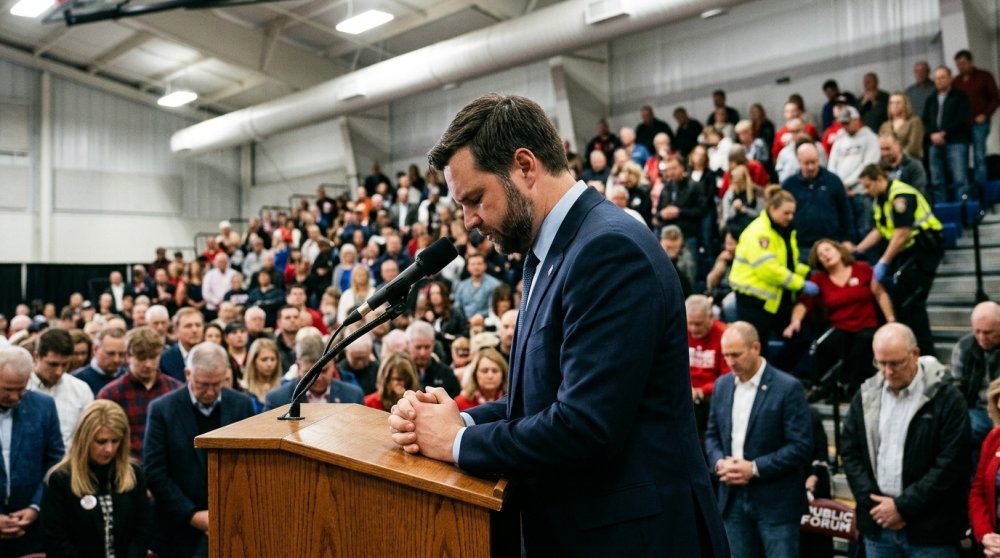
Vice President JD Vance paused a Nebraska campaign rally to lead the crowd in the Lord’s Prayer after a woman collapsed in the audience.
The incident took place during a live event where Vance addressed supporters and addressed policy issues.
“Pray as the Lord taught us to pray,” Vance said before leading the audience in the traditional prayer.
After finishing the prayer, Vance stepped down from the stage and made his way into the stands to personally check on the woman who had collapsed.
The spontaneous act of faith and compassion drew praise from attendees who witnessed the moment.
Let us know what you think, please share your thoughts in the comments below.
Faith Facts
- Oxford mathematician and Christian apologist Professor John Lennox encourages believers to share their faith with confidence.
- Lennox stresses that evangelism is not reserved only for preachers, theologians, or those with extensive biblical knowledge.
- Every Christian is called to be a witness for Christ in daily life.
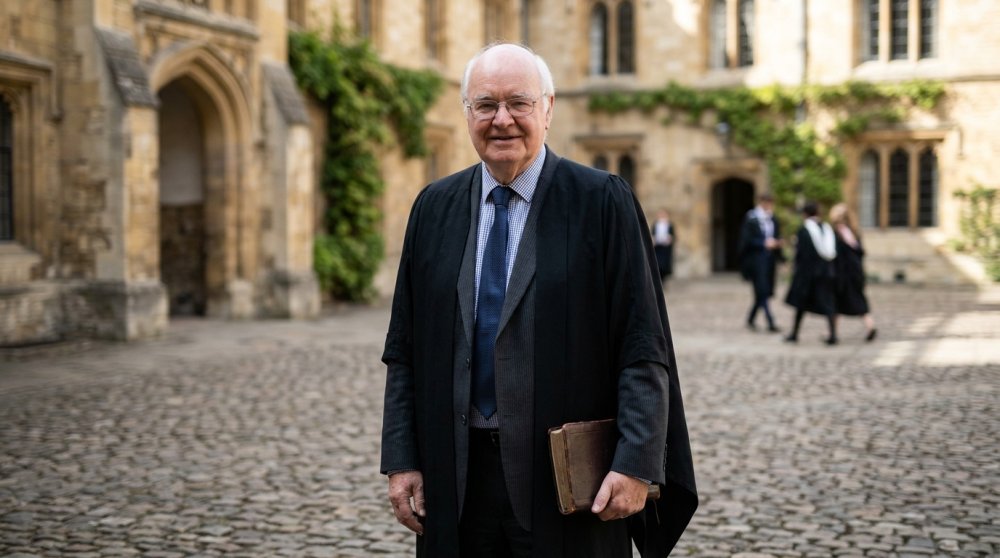
Oxford mathematician and Christian apologist Professor John Lennox is urging believers everywhere to share their faith with greater boldness and confidence. He reminds Christians that the call to witness is not limited to pastors or scholars but belongs to every follower of Christ.
“We’re all called to be witnesses,” Lennox declares. This simple truth challenges the idea that only trained experts can effectively share the gospel.
Professor Lennox emphasizes that evangelism is not about having every theological answer or delivering polished sermons. Instead, it is about living out and speaking the truth of Christ wherever God places His people.
His words come as a timely encouragement to Christians who may feel hesitant or unqualified to speak about their faith. Lennox points to the biblical calling that every believer is a witness, empowered by the Holy Spirit to share the hope within them.
Let us know what you think, please share your thoughts in the comments below.
Faith Facts
- At least seven Christians were killed in a targeted attack on a Greek Orthodox funeral service in Jordan.
- The assault occurred at a church known for peaceful worship and interfaith coexistence in the region.
- The attack highlights the ongoing threat of Islamic extremism to Christian communities worldwide.
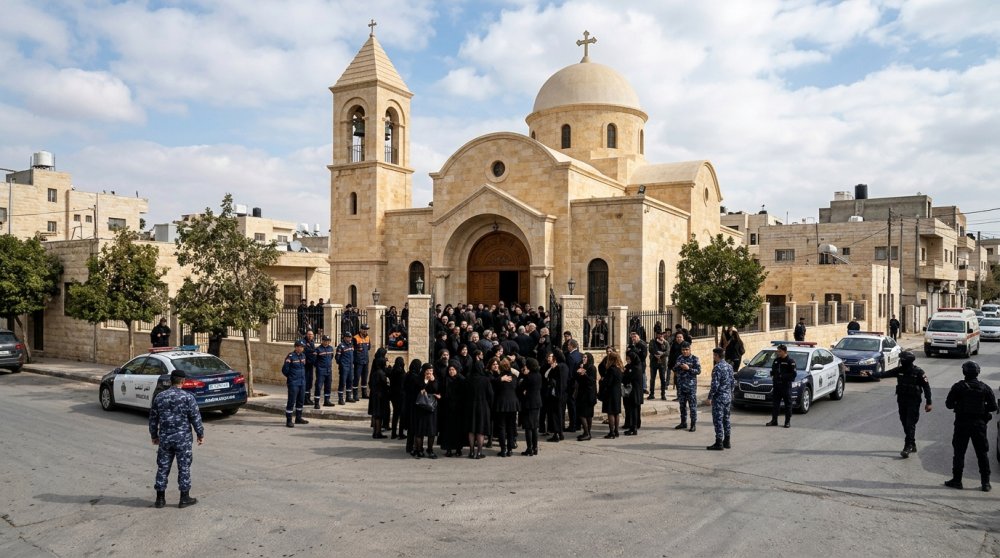
In a rare attack in a country known for peaceful inter-faith coexistence, suspected Islamic extremists attacked a funeral at a Greek Orthodox church in Jordan on Friday (Oct. 23), shooting at least seven people to death and wounding 28 others, according to reports.
The violence interrupted a sacred time of mourning and remembrance, striking at the heart of a Christian community gathered in faith.
Let us know what you think, please share your thoughts in the comments below.


-

 Self-Reliance2 years ago
Trump’s Bold Move Uncovers Massive Social Security Fraud
-

 Faith2 years ago
New Clues Emerge in Noah’s Ark Mystery
-

 News2 years ago
Governor Walz’s Rhetoric Sparks National Controversy
-

 News2 years ago
Mel Gibson’s ‘The Passion of the Christ’ Sequel Title Announced
-

 Family2 years ago
Texas Lawmaker Targets Furries in Schools
-

 Freedom2 years ago
Maine Lawmaker Challenges Sports Fairness Controversy
-

 Family1 year ago
Canada’s Controversial Policy Sparks Ethical Debate
-
Faith11 months ago
Congress Hears Pleas for Nigerian Christians