
News
Indonesian Military Violence Against Christians Exposed in Viral Documentary

Faith Facts
- A documentary exposing military violence against indigenous Christians in West Papua has reached over 13.6 million views on YouTube despite government suppression efforts.
- More than 107,000 people, most of them Christian, have been forcibly displaced from their homes in West Papua as of April 2025.
- Indonesian authorities attempted but failed to stop organized screenings of the film in cities throughout the country.
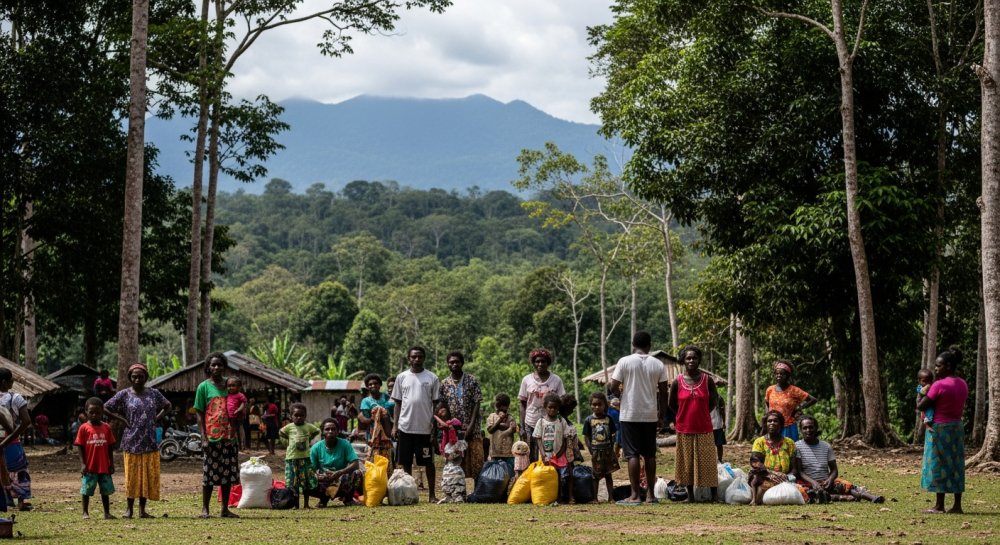
A powerful documentary revealing systematic violence and land dispossession against indigenous Christians in West Papua has broken through government censorship to reach millions of viewers worldwide. The film has garnered more than 13.6 million views on YouTube within just days of its release, exposing atrocities that Indonesian authorities worked desperately to keep hidden.
The documentary details how indigenous communities in West Papua, predominantly Christian, have faced brutal military crackdowns and forced removal from their ancestral lands. These are believers who have stewarded their land for generations, only to face violence from government forces seeking to exploit natural resources and suppress religious freedom.
Indonesian authorities attempted to prevent the truth from emerging by blocking organized screenings of the documentary in cities across the nation. Their efforts backfired spectacularly as the film spread rapidly through online platforms, reaching a global audience hungry for truth about religious persecution.
The scale of displacement is staggering and heartbreaking. More than 107,000 people have been uprooted from their homes in April 2025 alone, with the overwhelming majority being Christian believers. These families have lost not just their homes but their churches, their communities, and the land their ancestors tended for centuries.
The viral success of this documentary represents a triumph of truth over censorship and a vindication for persecuted believers whose suffering has too long been ignored by mainstream media. When governments attempt to hide their actions in darkness, God’s light has a way of breaking through.
This situation in West Papua should concern all Christians who value religious freedom and human dignity. Indigenous believers are being systematically targeted, their lands stolen, and their communities destroyed—all while much of the world remains silent or unaware.
The documentary’s massive viewership demonstrates that people around the world are ready to stand with persecuted Christians when they learn the truth. It also reveals the growing power of independent media to bypass government censorship and expose injustice that traditional outlets might ignore or downplay.
American Christians should take note of this crisis and lift up their brothers and sisters in West Papua in prayer. These believers need our support, our advocacy, and our refusal to let their suffering be forgotten or minimized by international bodies more concerned with diplomatic niceties than with protecting the persecuted.
The failure of Indonesian authorities to suppress this documentary is a reminder that no government can permanently hide the truth. Technology has given voice to the voiceless and visibility to those suffering in remote corners of the world.
Let us know what you think, please share your thoughts in the comments below.

Faith Facts
- Scripture teaches believers to guard against alliances that compromise the defense of truth and righteousness (2 Corinthians 6:14-15).
- American elections remain a sacred trust entrusted to voters who must weigh candidates’ associations with care.
- Christian voters have a duty to examine every candidate’s record on religious liberty and national security.
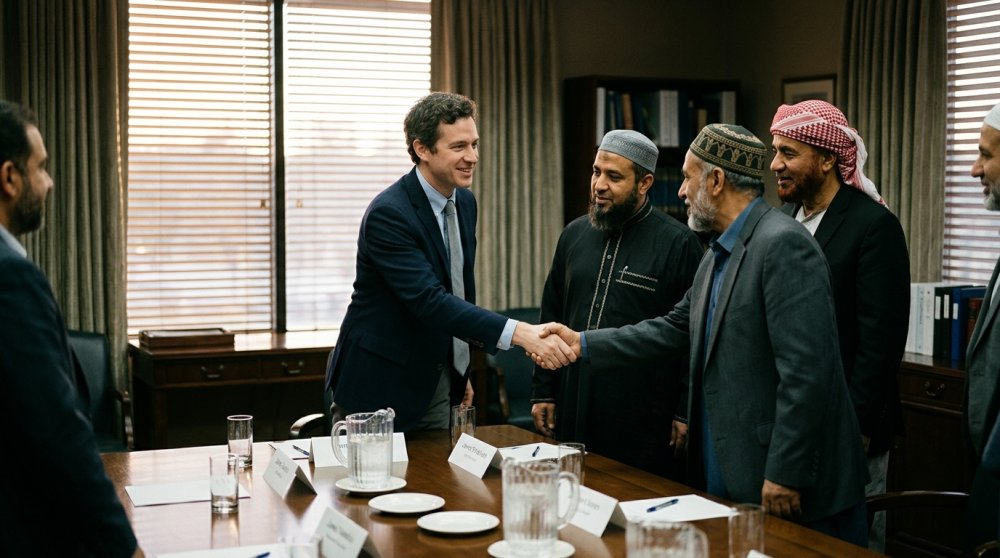
Democratic U.S. Senate candidate James Talarico is under fresh scrutiny after hosting a closed-door fundraising meet-and-greet with Muslim community leaders. Reports indicate that one of the organizers belongs to a coalition that has previously appeared alongside the Council on American-Islamic Relations.
The private event has raised eyebrows among Texas voters who worry that Talarico may be courting groups whose public stances clash with core American principles of religious freedom and security.
“Transparency matters,” one longtime Texas voter said. “Texans deserve to know exactly whom their candidates are meeting behind closed doors.”
Critics point out that the Council on American-Islamic Relations has long been viewed skeptically by many Americans because of its documented ties to organizations that do not share our nation’s Judeo-Christian heritage.
Supporters of Talarico insist the gathering was simply outreach to a growing demographic. Yet the closed nature of the event leaves unanswered questions about what commitments, if any, were discussed.
“We are committed to building relationships with every community,” a Talarico campaign spokesperson stated. “This was one of many conversations we are having across Texas.”
Breaking News: James Talarico fundraises with the Dallas Palestine Coalition… a group with close ties to CAIR, the group designated a terror organization by TX Governor Abbott. Is this who you want in the Senate? https://t.co/exjIhzEjI4
— Grant Stinchfield (@stinchfield1776) October 20, 2026
Faith leaders across the state are urging voters to measure any candidate’s associations against biblical standards of wisdom and discernment.
Let us know what you think, please share your thoughts in the comments below.
News
German Free Evangelical Federation Names First General Secretary Under New Leadership Structure
Faith Facts
- The Federation of Free Evangelical Churches in Germany has created a new general secretary position as part of its national leadership restructuring.
- Longtime staff leader Sascha Rützenhoff has been elected as the federation’s first general secretary.
- The denomination continues to uphold traditional Christian values in its governance and ministry approach.
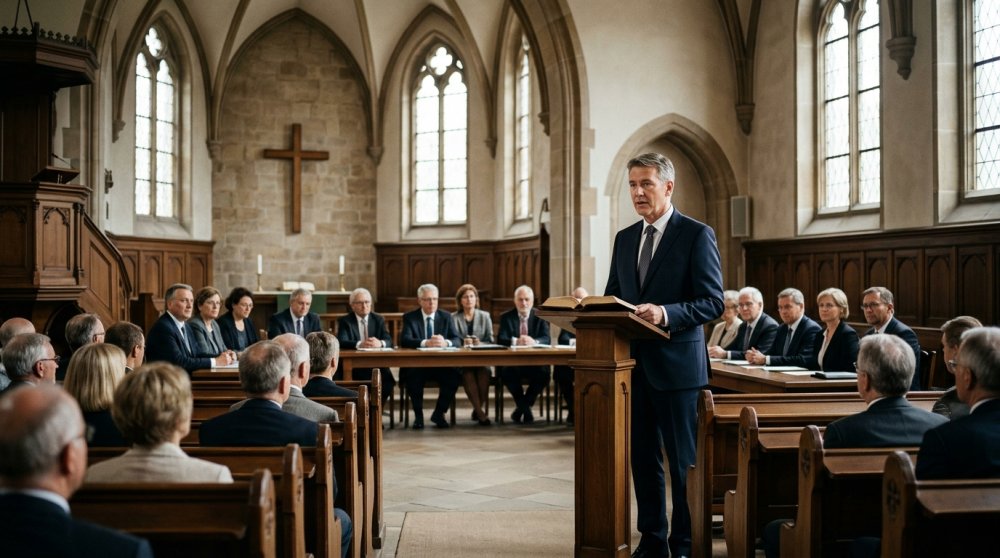
The Federation of Free Evangelical Churches in Germany has taken a significant step in its organizational development. The denomination elected longtime staff leader Sascha Rützenhoff as its first general secretary. This new position was created as part of a restructuring of the denomination’s national leadership framework.
The move reflects the federation’s commitment to strengthening its leadership structure while maintaining its evangelical mission. Rützenhoff’s election brings experienced leadership to the newly established role. His longstanding service within the organization positions him to guide the federation through this transitional period.
Let us know what you think, please share your thoughts in the comments below.
Faith Facts
- A Nigerian Christian mother endured 19 months in prison on blasphemy charges before her full acquittal.
- The Shahbaz Bhatti Freedom Award recognizes those who defend religious liberty at great personal cost.
- Christians worldwide continue to face unjust imprisonment for their faith in hostile regions.
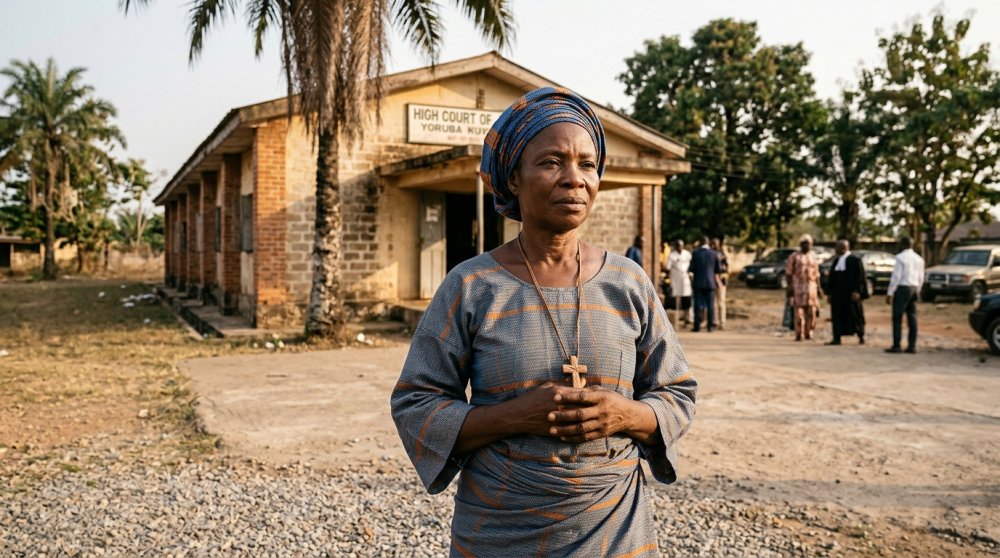
A Nigerian Christian mother who endured 19 months in prison on blasphemy charges has now been honored with the 2026 Shahbaz Bhatti Freedom Award after her complete acquittal.
The award is named after the Pakistani Christian minister Shahbaz Bhatti, who was martyred in 2011 for his courageous defense of religious minorities. Her case highlights the ongoing persecution of believers who are targeted simply for their faith.
“We thank God for His protection and for the justice that has finally prevailed,” she shared in her testimony following the verdict.
The 19-month ordeal underscores the real cost of standing firm in Christ when laws are weaponized against the faithful. Families across Nigeria and beyond continue to pray for those still imprisoned for their beliefs.
The Shahbaz Bhatti Freedom Award stands as a powerful reminder that courage and faith can overcome even the darkest trials.
Let us know what you think, please share your thoughts in the comments below.


-

 Self-Reliance2 years ago
Trump’s Bold Move Uncovers Massive Social Security Fraud
-

 Faith2 years ago
New Clues Emerge in Noah’s Ark Mystery
-

 News2 years ago
Governor Walz’s Rhetoric Sparks National Controversy
-

 News2 years ago
Mel Gibson’s ‘The Passion of the Christ’ Sequel Title Announced
-

 Family2 years ago
Texas Lawmaker Targets Furries in Schools
-

 Freedom2 years ago
Maine Lawmaker Challenges Sports Fairness Controversy
-

 Family1 year ago
Canada’s Controversial Policy Sparks Ethical Debate
-
Faith11 months ago
Congress Hears Pleas for Nigerian Christians