
News
Swiss Voters Reject Drastic Population Cap in Immigration Battle


Faith Facts
- Swiss voters narrowly defeated a referendum proposal to cap the country’s population at 10 million people in a closely watched national vote.
- The initiative was led by the right-wing Swiss People’s Party, reflecting ongoing tensions over immigration and national identity in Europe.
- The decision highlights the complex balance between border security, economic needs, and humanitarian concerns that Christian voters must navigate.
Swiss voters have rejected a controversial proposal that would have capped the nation’s population at 10 million people. The referendum, which sparked intense debate throughout the traditionally neutral Alpine nation, was defeated in what observers describe as a narrow but decisive outcome.
The initiative was championed by the Swiss People’s Party, a right-wing political organization that has consistently advocated for stricter immigration controls and preservation of Swiss national identity. The party framed the population cap as necessary to protect the country’s infrastructure, environment, and cultural heritage from the pressures of unchecked growth.
Switzerland’s current population stands at approximately 8.7 million, meaning the proposed cap would have allowed for continued growth but within defined limits. Proponents argued that such restrictions were essential for maintaining the quality of life that has made Switzerland one of the world’s most prosperous nations.
The referendum process itself reflects Switzerland’s unique system of direct democracy, where citizens regularly vote on policy matters that in most countries would be decided solely by elected representatives. This approach to governance allows the Swiss people to directly shape their nation’s future on fundamental issues.
Opposition to the measure came from various quarters, including business groups who warned that population restrictions could harm Switzerland’s economy by limiting access to skilled workers. Religious and humanitarian organizations also expressed concerns about the moral implications of strict demographic controls.
For Christians in Switzerland and abroad, the debate raised important questions about stewardship, hospitality, and national sovereignty. Biblical principles call believers to welcome the stranger while also recognizing the legitimate role of governments in maintaining order and protecting their citizens.
The outcome demonstrates the ongoing tension in Western nations between preserving national identity and cultural cohesion on one hand, and maintaining economic dynamism and humanitarian openness on the other. Switzerland, despite its small size and unique position outside the European Union, faces many of the same immigration challenges confronting larger European countries and the United States.
The Swiss People’s Party has previously succeeded with immigration-related initiatives, including a 2014 referendum that called for quotas on immigration from European Union countries. However, that measure proved difficult to implement given Switzerland’s complex relationship with the EU and its dependence on cross-border economic cooperation.
The defeat of this latest proposal suggests that while Swiss voters have concerns about immigration and population growth, they are not prepared to embrace hard caps that could limit the country’s flexibility in responding to future economic and demographic changes. This pragmatic approach reflects the careful balancing act that characterizes much of Swiss political culture.
As European nations continue to grapple with questions of borders, identity, and demographic change, Switzerland’s referendum offers insights into how democratic societies navigate these contentious issues. The close vote indicates that while the population cap was rejected, the underlying concerns about immigration and national identity remain significant factors in Swiss political discourse.
Let us know what you think, please share your thoughts in the comments below.

Faith Facts
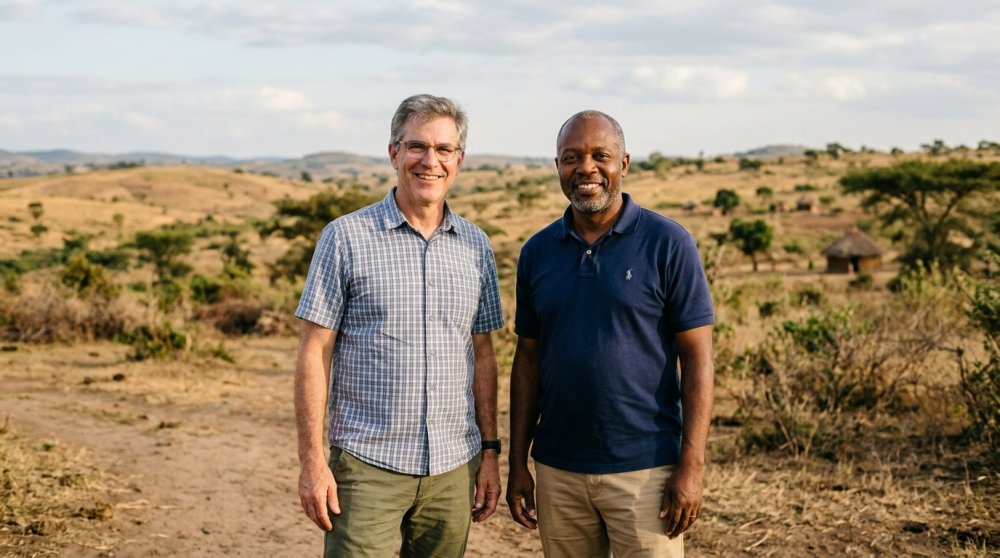
- Two members of the South Main Church of Christ in Weatherford, Texas, died while serving on a mission trip in Zambia.
- Jim Mynaugh founded Divine Water, a ministry that has brought clean drinking water to thousands across Africa in the name of Christ.
- Both men were remembered by fellow believers as faithful servants who lived out the Gospel through practical love and sacrifice.
Two Texas men died in a head-on collision while carrying out Christian mission work in southern Africa. Richard Gill and Jim Mynaugh, both 67, were passengers in a Toyota Fortuner when it collided with a Hino Ranger on the Great North Road near Zimba, Zambia. Zambian police said the crash resulted from an improper overtaking maneuver.
The men were members of the South Main Church of Christ in Weatherford, west of Fort Worth. They were traveling to support water projects when tragedy struck on October 20.
“The accident occurred when the driver of the Hino Ranger attempted to overtake improperly while traveling uphill, resulting in a collision with the Toyota Fortuner,” police official Moono Namalongo stated.
Gill and Mynaugh died at the scene. The Toyota driver, Michael Namafente, and another passenger were injured along with the Hino’s driver and passengers. All were taken to a hospital in Livingstone.
Jim Mynaugh founded Divine Water, a Texas nonprofit that installs hand-pump wells in impoverished communities. The ministry partners with Churches of Christ organizations including Healing Hands International and Kibo Group to bring clean water and the message of Christ’s living water to people in need.
“Getting easy access to clean, safe drinking water simply changes lives,” Mynaugh wrote in a 2024 social media post showing villagers in Uganda celebrating a new well.
Mynaugh and Gill were brothers-in-law. Just days before the crash, Mynaugh had joined Kibo Group members at a conference in Rome to discuss sustainable development and sharing the Gospel through practical service.
“Less than a week ago, we were together in Rome, talking about our shared passion for walking alongside others and supporting sustainable, community-led development,” Kibo Group workers said. “Jim was a tireless advocate for ensuring that everyone has access to clean water and the opportunity to experience Christ’s living water.”
“Over the past 12-plus years, Jim helped bring clean water to thousands of people, leaving a lasting impact on countless lives and communities,” the statement continued. “Today, our hearts are with our friends at Divine Water and the Mynaugh and Gill families. We grieve alongside them and lift them up in prayer.”
In June, Mynaugh announced that the Rotary Club of Weatherford had funded two new wells in Zambia, with teams set to begin work in six villages the following month. Zambian Christian Obrain Masaka Muleya posted tributes online, urging prayer for the families and for continued ministry to the poor.
Let us know what you think, please share your thoughts in the comments below.
Faith Facts
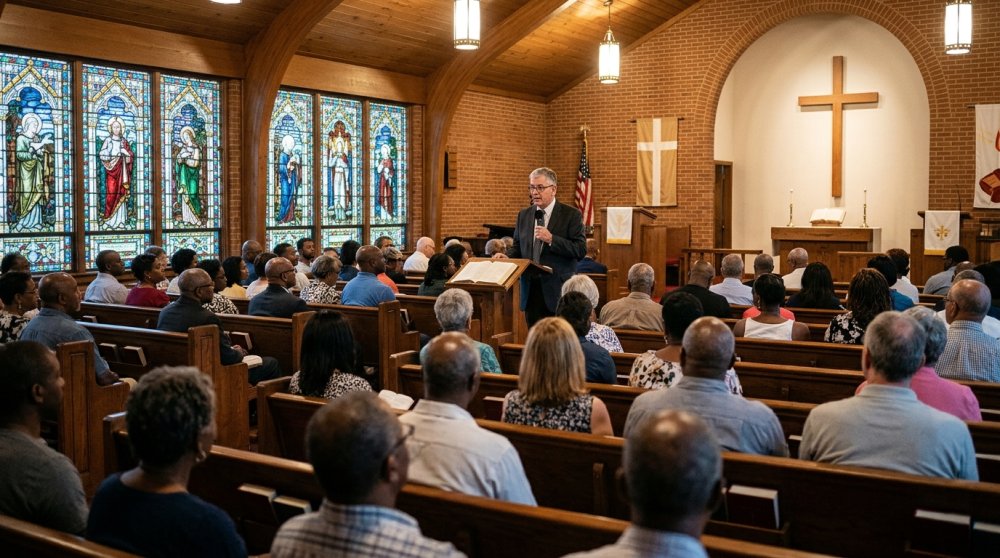
- A Virginia church hosted a forum calling believers to vote according to Scripture on two proposed state constitutional amendments.
- The gathering focused on protecting unborn life and upholding traditional marriage as defined in the Bible.
- Leaders stressed that faithful citizenship requires applying biblical truth to public policy decisions.
A Virginia church recently brought together believers to discuss two proposed state constitutional amendments that touch on deeply held convictions about life and marriage.
The forum highlighted the importance of voting in line with biblical principles rather than cultural trends.
“Vote your biblical values,” church leaders told attendees, emphasizing that Scripture offers clear guidance on both the sanctity of life and the definition of marriage.
The event comes as Virginia voters prepare to weigh in on amendments that would affect abortion policy and the legal status of same-sex marriage.
Speakers urged Christians to consider how their ballots reflect their commitment to the authority of God’s Word.
“We are called to be salt and light in every sphere of life, including the voting booth,” one pastor reminded the audience.
The church’s message aligns with a long-standing Christian conviction that government exists to uphold justice and protect the vulnerable.
By framing participation in the election as an act of discipleship, the forum encouraged believers to approach the ballot box with prayer and conviction.
Let us know what you think, please share your thoughts in the comments below.
Faith Facts
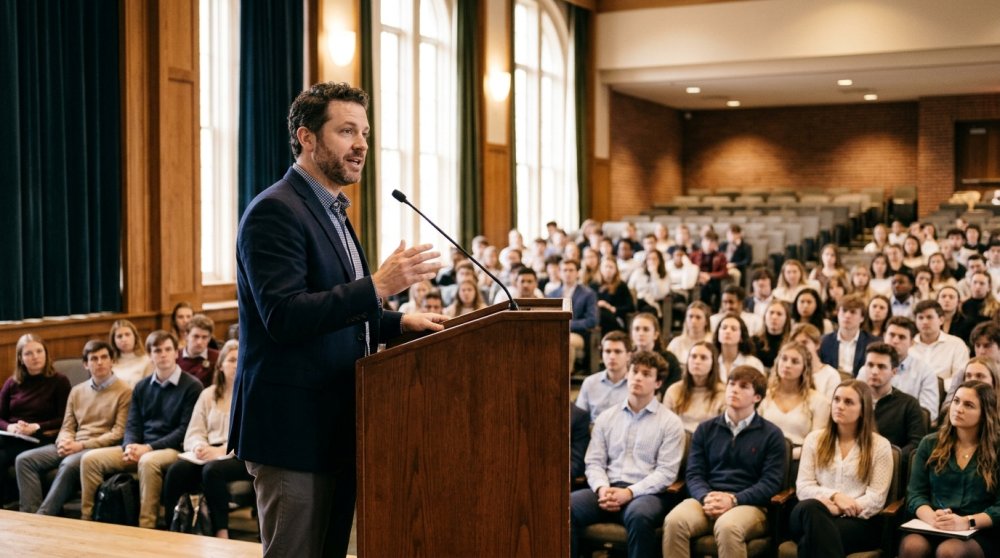
- Seth Dillon, founder of The Babylon Bee, addressed students at Liberty University about spiritual discernment in creative fields.
- Christians are called to engage culture with truth rather than retreat from it.
- Young believers must guard against voices that exploit feelings of oppression to advance unscriptural agendas.
Seth Dillon, founder of the satirical Christian outlet The Babylon Bee, spoke to students at Liberty University about the need to enter the creative world with biblical conviction. He urged young Christians to reject voices that seek to exploit their sense of cultural marginalization.
Dillon warned that certain radical conspiracists are actively targeting believers who already feel oppressed. He cautioned that these voices twist legitimate concerns into unbiblical narratives that can lead young Christians astray.
“Get into the creative world,” Dillon told the audience, stressing that believers must not abandon cultural influence to those who distort truth.
The Babylon Bee founder framed his remarks around the responsibility of Christians to engage media and the arts with clarity and courage. He emphasized that retreating from these spheres only cedes ground to those who oppose traditional values.
“Radical conspiracists” seek to exploit the feeling of oppression directed at Christians, Dillon said, urging students to discern truth from manipulation.
Liberty University students heard a clear call to remain rooted in Scripture while participating in creative fields. Dillon presented the challenge as both a spiritual duty and a practical opportunity for faithful witness.
Let us know what you think, please share your thoughts in the comments below.


-

 Self-Reliance2 years ago
Trump’s Bold Move Uncovers Massive Social Security Fraud
-

 Faith2 years ago
New Clues Emerge in Noah’s Ark Mystery
-

 News2 years ago
Governor Walz’s Rhetoric Sparks National Controversy
-

 News2 years ago
Mel Gibson’s ‘The Passion of the Christ’ Sequel Title Announced
-

 Family2 years ago
Texas Lawmaker Targets Furries in Schools
-

 Freedom2 years ago
Maine Lawmaker Challenges Sports Fairness Controversy
-

 Family1 year ago
Canada’s Controversial Policy Sparks Ethical Debate
-
Faith11 months ago
Congress Hears Pleas for Nigerian Christians