
Faith
Four Million Children in Poverty — Government Turns to Churches for Help


Faith Facts
- A new government report acknowledges four million children in the UK remain in poverty and identifies faith organizations as key partners in addressing the crisis.
- The report marks a significant recognition of the church’s role in supporting vulnerable families and delivering community-based solutions.
- Faith groups are being called upon to expand their existing charitable work, providing practical assistance and spiritual support to struggling families.
A newly released government report on child poverty has shone a spotlight on the critical role that churches and faith organizations can play in helping the four million children currently affected by poverty across the nation. The acknowledgment represents a significant recognition of the vital work faith communities already perform in supporting vulnerable families.
The report comes at a time when families across the country continue to struggle with the rising cost of living and economic uncertainty. Churches have long been on the front lines of poverty relief, operating food banks, clothing drives, after-school programs, and family support services that meet both physical and spiritual needs.
By turning to faith organizations, the government is recognizing what Christians have known for generations: that the church is uniquely positioned to serve those in need with both material assistance and the hope of the Gospel. Local congregations understand their communities intimately and can provide personalized, compassionate care that bureaucratic programs often cannot match.
The report’s findings underscore the ongoing crisis facing millions of children who lack basic necessities. Faith-based responses to poverty have historically proven effective because they address not just immediate material needs, but also offer moral guidance, community support, and pathways to long-term stability grounded in biblical principles of dignity, work, and family.
Churches across denominational lines have consistently demonstrated their commitment to serving “the least of these,” as Scripture commands. From providing nutritious meals to offering mentorship programs and job training, faith communities have built robust networks of care that complement and often exceed government assistance programs.
The recognition of faith organizations in this government report validates the essential public service churches provide. It also presents an opportunity for expanded partnership between government and religious institutions, while respecting the distinct mission and character of faith-based work.
As churches consider how to respond to this call, many are already well-equipped with volunteers, facilities, and experience in compassionate outreach. The challenge will be scaling these efforts to meet the magnitude of need while maintaining the personal, faith-centered approach that makes church-based assistance uniquely effective.
For Christian families and congregations, this report serves as both an affirmation of ongoing ministry and a renewed call to action. Caring for children in poverty is not merely a social program but a biblical imperative that reflects the heart of God for the vulnerable and marginalized.
Let us know what you think, please share your thoughts in the comments below.

Faith Facts
- The Assemblies of God is restoring its original publishing name, Gospel Publishing House, after more than a decade under the My Healthy Church brand.
- The move returns the ministry to its historic identity rooted in the denomination’s founding vision and mission.
- Christian publishers continue to serve churches and families by providing resources that strengthen faith and uphold biblical values.
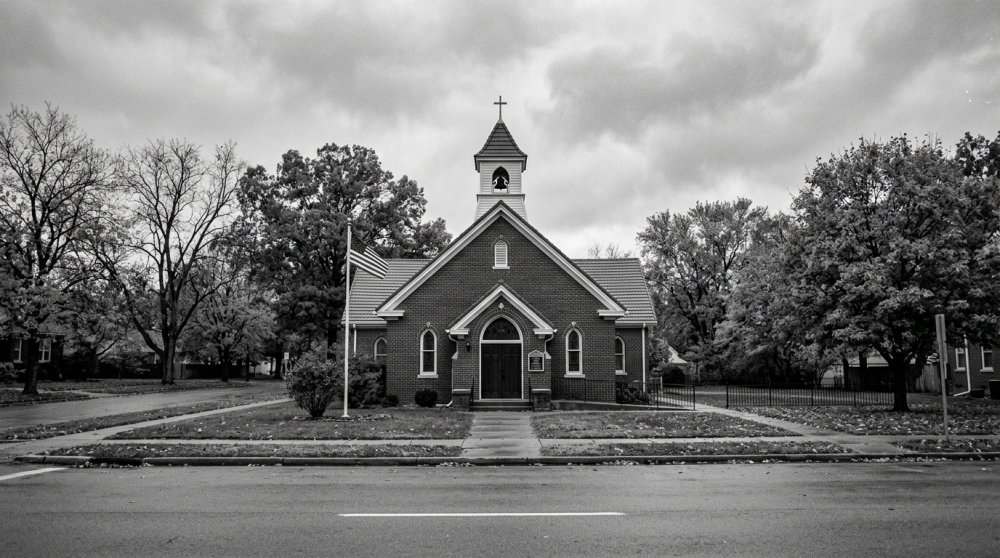
The Assemblies of God has announced that its publishing ministry will once again operate under the name Gospel Publishing House. The decision ends the My Healthy Church branding that was adopted in 2010.
The restoration of the historic name reflects a deliberate return to the ministry’s founding purpose and identity within the denomination.
Leaders emphasized that the change reconnects the publishing arm with its long-standing role in equipping churches and believers across the nation.
Church leaders across the country have welcomed the move, noting that the original name carries deep spiritual meaning and heritage for Assemblies of God congregations.
Let us know what you think, please share your thoughts in the comments below.
Faith Facts
- Christians believe every unborn child bears the image of God and deserves protection under law.
- Virginia voters will decide this November whether to enshrine abortion as a constitutional right.
- Scripture teaches believers to speak for those who cannot speak for themselves.
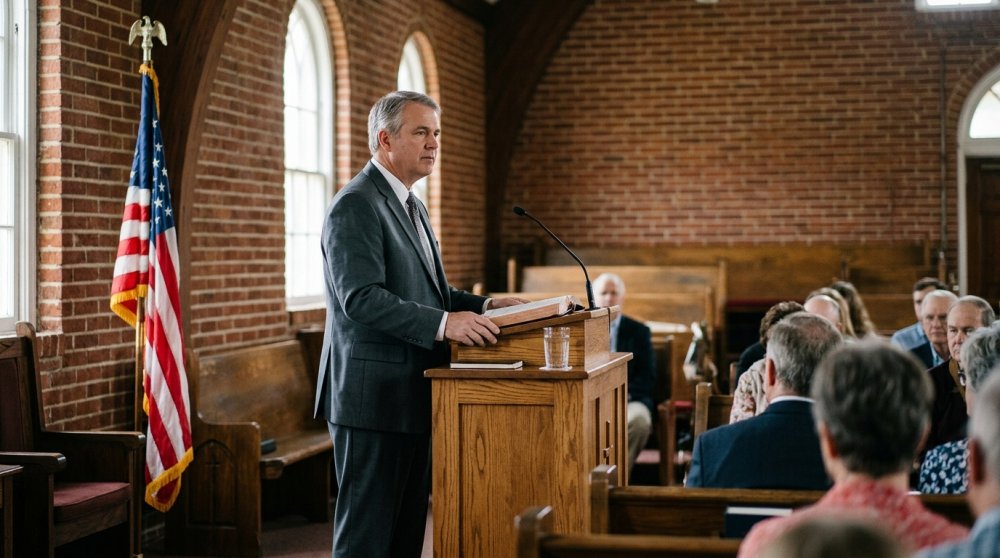
Virginia voters face a pivotal November decision on whether to place abortion in the state constitution. Pastors across the commonwealth are being urged to speak clearly from the pulpit rather than remain silent on the issue.
Christian leaders emphasize that the measure would permanently enshrine abortion as a constitutional right. They argue that such a change would remove protections for unborn children and limit future legislative efforts to safeguard life.
“For Christians who believe the unborn child bears the image of God, silence is not neutrality.”
Many pastors are preparing messages that connect biblical teaching on the sanctity of life with the upcoming ballot question. Churches are also organizing voter education efforts to ensure congregants understand the amendment’s potential consequences.
Let us know what you think, please share your thoughts in the comments below.
Faith Facts
- Southern Baptist Convention President Willy Rice has requested the SBC Executive Committee consider adding an article on gender and human sexuality to the Baptist Faith & Message 2000.
- Richard Land, who served on the original drafting committee, affirms that Rice’s proposal aligns with longstanding Baptist tradition.
- The Baptist Faith & Message 2000 serves as the doctrinal statement guiding Southern Baptist churches nationwide.
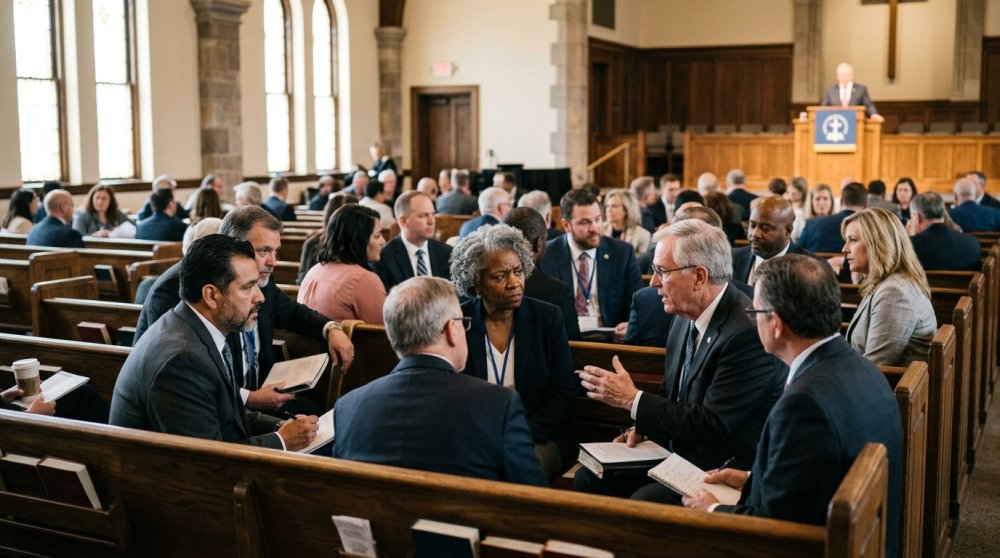
The Southern Baptist Convention is weighing an important doctrinal update that would clarify its position on gender and human sexuality. President Willy Rice has formally asked the SBC Executive Committee to recommend adding a specific article addressing these issues to the Baptist Faith & Message 2000. This proposal comes as cultural debates over gender identity continue to intensify across American society.
Richard Land, who helped draft the current confession, believes Rice’s request stands firmly within Baptist tradition. Land emphasized that Southern Baptists have historically maintained clear biblical positions on matters of human sexuality and identity. The current statement addresses marriage and sexuality but lacks specific language on gender distinctions.
“The Baptist Faith & Message has always sought to articulate what the Bible teaches about the fundamental issues facing God’s people,” Land noted in his assessment of Rice’s proposal. The timing reflects growing concern among conservative Christians about the rapid cultural shifts regarding gender ideology in schools, sports, and medical settings.
Many Southern Baptist leaders see this potential addition as necessary protection for biblical truth. Churches across the denomination have increasingly faced questions about gender identity from members and the surrounding culture. A clear confessional statement would provide guidance for pastors, parents, and educators navigating these challenging issues.
The proposal will now move through the Executive Committee review process before potentially coming before messengers at a future annual meeting. Southern Baptists have historically amended their confessional statement when cultural challenges demanded clearer biblical articulation. This process ensures that the denomination’s doctrinal commitments remain both faithful to Scripture and relevant to contemporary challenges.
Let us know what you think, please share your thoughts in the comments below.


-

 Self-Reliance1 year ago
Trump’s Bold Move Uncovers Massive Social Security Fraud
-

 Faith1 year ago
New Clues Emerge in Noah’s Ark Mystery
-

 News2 years ago
Governor Walz’s Rhetoric Sparks National Controversy
-

 News1 year ago
Mel Gibson’s ‘The Passion of the Christ’ Sequel Title Announced
-

 Family2 years ago
Texas Lawmaker Targets Furries in Schools
-

 Freedom2 years ago
Maine Lawmaker Challenges Sports Fairness Controversy
-

 Family1 year ago
Canada’s Controversial Policy Sparks Ethical Debate
-
Faith10 months ago
Congress Hears Pleas for Nigerian Christians