
Family
Ethical Dilemmas in Biotechnology’s Brave New World


In a world increasingly captivated by technological advancements, we face ethical dilemmas that challenge the very essence of our humanity. Recent discussions surrounding the concept of growing human bodies without brains or consciousness for organ harvesting highlight a disturbing trend that demands our attention. It is imperative to approach these issues with a robust theology that respects the inherent goodness of the human body, as designed by our Creator.
The notion of creating “spare bodies” for organ transplants, as explored by researchers, is a chilling reminder of how far science fiction is encroaching upon reality. The potential to produce living human bodies devoid of consciousness through advanced biotechnology is not just a distant possibility; it is a looming reality that requires immediate ethical scrutiny. As noted in discussions, “Recent advances in biotechnology now provide a pathway to producing living human bodies without the neural components that allow us to think, be aware, or feel pain.”
While proponents argue that such innovations could revolutionize medicine by reducing wait times for organ transplants and saving countless lives, we must ask ourselves at what cost. The creation of these so-called “bodyoids” raises profound questions about the sanctity of life and the moral boundaries of scientific exploration. Is it ethical to commodify the human body in this manner, reducing it to a mere collection of spare parts?
This modern pursuit echoes the ancient heresy of Gnosticism, which seeks to separate the body from the soul, diminishing the holistic nature of human existence. We must reject any ideology that devalues the body, which is fearfully and wonderfully made in the image of God. The quest for health and longevity must not devolve into a quest for immortality that disregards the divine design and purpose of our physical form.
The ethical and social implications of such technologies are as significant as the scientific ones. As noted by researchers, “Just because something can be done does not mean it should be done.” This sentiment aligns with the duty to discern and uphold what is righteous and good. We must not be swayed by the allure of technological progress at the expense of our moral compass.
In the face of these challenges, it is crucial to engage deeply with bioethics and the theology of what it means to be human. We must draw upon the wisdom of Scripture and the teachings of the Church to navigate these uncharted waters. Documents like Pope Paul XI’s *Humanae Vitae* and John Paul II’s *Theology of the Body* offer valuable insights, reminding us of the timeless truths of creation and the sanctity of life.
As science advances at an unprecedented pace, let us remain steadfast in our commitment to uphold traditional values, defend our freedoms, and promote a faith-based perspective. We must ask the hard questions and seek God-honoring answers, ensuring that our society remains rooted in the principles of faith, family, and freedom. Only then can we resist the forces that seek to dehumanize and exploit the image of God within us.
Let us know what you think, please share your thoughts in the comments below.



Faith Facts
- An Arkansas family filed a lawsuit against xAI after their 10-year-old daughter’s photos were manipulated into explicit material using Grok AI
- A photographer allegedly used the AI platform to create child sexual abuse material of multiple minors he had photographed professionally
- The lawsuit demands implementation of safeguards to prevent non-consensual exploitation of children through artificial intelligence technology
An Arkansas family has taken the extraordinary step of filing suit against Elon Musk’s xAI company after discovering their young daughter became a victim of AI-generated exploitation. The case highlights the urgent need for moral guardrails in emerging technology.
According to the lawsuit, a photographer who had taken professional photos of the family’s 10-year-old daughter used xAI’s Grok platform to generate sexually explicit material depicting the child. The photographer allegedly victimized other young clients in the same manner, creating what legally constitutes child sexual abuse material.
The family is demanding that the company implement robust safeguards to prevent the creation of non-consensual sexually explicit content, particularly involving minors. Their legal action represents a growing concern among parents and faith communities about the moral void in artificial intelligence development.
This disturbing case underscores the critical importance of building technology with biblical values at its foundation. As Proverbs 22:6 instructs us to “train up a child in the way he should go,” our society must also ensure that the tools we create protect children rather than endanger them.
The exploitation of innocent children through any means represents an abomination that demands swift justice and preventive action. Technology companies bear a moral responsibility to ensure their platforms cannot be weaponized against the most vulnerable members of society.
As artificial intelligence capabilities expand rapidly, the question of ethical boundaries becomes increasingly urgent. Christian conservatives have long warned that technological advancement without moral grounding leads to exploitation and harm.
This lawsuit may set important precedent for holding AI companies accountable for the misuse of their platforms, particularly when children are victimized. The family’s courage in pursuing legal action serves the greater good by potentially protecting countless other children from similar abuse.
Let us know what you think, please share your thoughts in the comments below.
Faith Facts
- Irish Christians donate €14 million to €21 million annually to overseas orphanages despite growing evidence favoring family-based care
- Tearfund Ireland report highlights that 80% of children in institutional care worldwide have at least one living parent
- Christian child welfare experts increasingly advocate for family preservation and community-based solutions over orphanage models
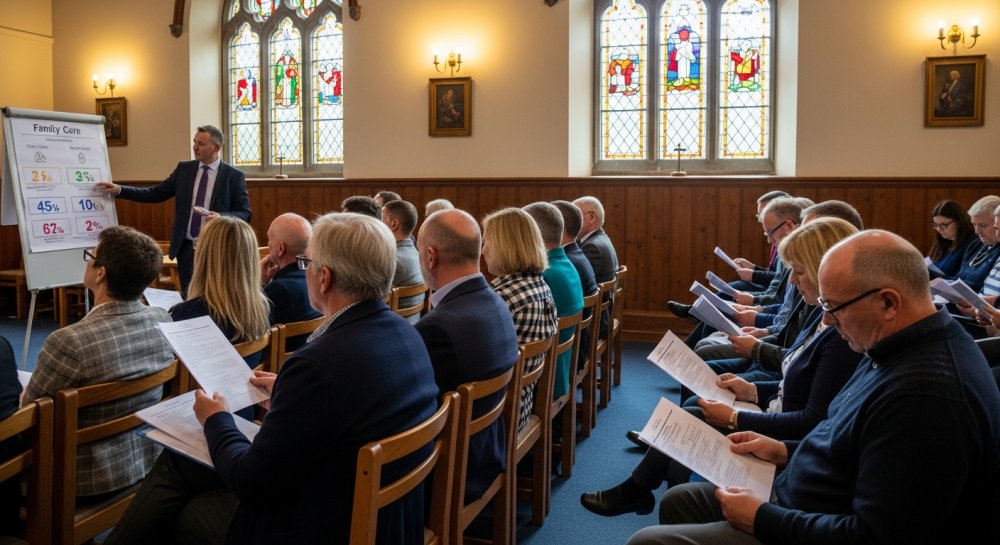
A groundbreaking new report from Tearfund Ireland is calling on churches across the nation to fundamentally rethink how they support vulnerable children overseas. The study reveals that Irish Christians contribute between €14 million and €21 million each year to international orphanages, even as mounting evidence from child welfare experts and Christian organizations points to family-based care as the superior model for children in need.
The report comes at a critical time when the global child welfare community, including faith-based organizations, has shifted dramatically toward keeping children with their families or placing them in family-like environments rather than institutional settings. This approach aligns with biblical principles that emphasize the importance of family as the foundation for a child’s development and spiritual formation.
According to the research, approximately 80 percent of children currently living in institutional care worldwide have at least one living parent. This startling statistic challenges the common assumption that orphanages primarily serve children who have lost both parents. Instead, poverty, disability, and lack of community support often drive families to place their children in institutions, believing it offers them better opportunities.
Tearfund Ireland’s findings suggest that well-intentioned charitable giving may inadvertently perpetuate a system that separates children from their families unnecessarily. The organization is encouraging Irish churches to redirect their compassionate generosity toward programs that strengthen families, provide community-based support, and prevent family separation in the first place.
The report emphasizes that family-based care not only benefits children’s emotional and psychological development but also reflects Christian values of family preservation and community responsibility. Research consistently shows that children raised in family environments—whether with biological parents, extended family, or foster families—demonstrate better outcomes in education, mental health, and social development compared to those in institutional settings.
Christian organizations worldwide have been leading advocates for this transformation in child welfare practice. Many faith-based groups that once operated orphanages have transitioned to family strengthening programs, recognizing that keeping families together honors God’s design for children and produces better long-term results.
The Tearfund Ireland report provides practical guidance for churches wishing to ensure their overseas giving genuinely serves children’s best interests. Recommendations include partnering with organizations that prioritize family preservation, supporting poverty alleviation programs that address root causes of family separation, and investing in community-based care solutions such as foster care and kinship care programs.
For Irish congregations with existing relationships with orphanages abroad, the report suggests engaging in thoughtful dialogue about transitioning toward family-based models rather than abruptly withdrawing support. This measured approach recognizes both the genuine care many orphanage workers provide and the need for systemic change in how vulnerable children are served.
The initiative reflects a growing movement within evangelical and broader Christian communities to apply best practices in charity and development work. It demonstrates how faith-driven compassion, when informed by evidence and expertise, can be channeled most effectively to serve those in need according to biblical principles.
As churches across Ireland consider their missions and outreach priorities, this report offers a timely opportunity to align generous giving with proven approaches that honor both children and families. The call to support family-based care represents not a retreat from Christian charity but a refinement of it—ensuring that compassion produces the greatest possible good for the world’s most vulnerable children.
Let us know what you think, please share your thoughts in the comments below.

Faith Facts
- A former teen addict turned addiction expert reveals four critical mistakes Christian families commonly make when confronting substance abuse
- Families often misunderstand addiction as a personal attack rather than recognizing it as a spiritual and medical crisis
- Understanding the true nature of addiction can transform how Christian households respond to struggling loved ones
When addiction strikes a family, confusion and heartbreak often follow. For one former teen addict who has dedicated his life to helping others overcome substance abuse, the memory of his family’s struggle remains vivid. Their well-intentioned but misguided responses taught him valuable lessons that now shape his work as an addiction expert.
During his darkest days as a teenager battling addiction, his family found themselves utterly unprepared. They interpreted his destructive behavior as a deliberate attack on them personally, missing the deeper spiritual and medical crisis unfolding before their eyes.
Today, armed with both personal experience and professional expertise, he identifies four fundamental misunderstandings that plague families facing addiction. These errors, while common, can significantly hinder recovery and damage the family bonds that struggling individuals need most.
The first mistake involves viewing addiction through a lens of moral failure alone. While addiction certainly has spiritual dimensions that Christian families recognize, treating it solely as a character defect ignores the complex medical and psychological components that require professional intervention alongside prayer and faith-based support.
Second, families frequently personalize the addict’s behavior, believing destructive choices are calculated attacks on loved ones. This misperception creates resentment and conflict precisely when compassion and understanding would serve the situation better. The addiction becomes the family’s enemy, not the person suffering from it.
The third error centers on enabling behaviors disguised as love. Christian families, motivated by genuine care and the biblical command to show mercy, often inadvertently shield addicts from the natural consequences of their choices. This protection, while emotionally understandable, prevents the difficult awakening many need to pursue genuine recovery.
Finally, families commonly neglect their own spiritual and emotional health during a loved one’s addiction crisis. The biblical principle of putting on your own oxygen mask first applies here—family members cannot effectively support an addict’s recovery while neglecting their own relationship with God and their mental wellbeing.
These insights carry particular weight for Christian households committed to both truth and grace. Understanding addiction’s true nature allows families to respond with biblical wisdom rather than reactive emotion. Prayer remains essential, but must be coupled with education, appropriate boundaries, and professional guidance.
The expert’s journey from struggling teen to helper of others demonstrates God’s redemptive power. His family’s mistakes, though painful at the time, ultimately equipped him to guide other Christian families through similar trials with greater wisdom and compassion.
For families currently walking this difficult road, recognizing these four common errors represents an important first step. Addiction may be a formidable enemy, but it is not insurmountable when families approach it with proper understanding, unwavering faith, and the courage to seek help.
Let us know what you think, please share your thoughts in the comments below.


-

 Self-Reliance1 year ago
Trump’s Bold Move Uncovers Massive Social Security Fraud
-

 Faith1 year ago
New Clues Emerge in Noah’s Ark Mystery
-

 News1 year ago
Governor Walz’s Rhetoric Sparks National Controversy
-

 News1 year ago
Mel Gibson’s ‘The Passion of the Christ’ Sequel Title Announced
-

 Family1 year ago
Texas Lawmaker Targets Furries in Schools
-

 Freedom1 year ago
Maine Lawmaker Challenges Sports Fairness Controversy
-

 Family1 year ago
Canada’s Controversial Policy Sparks Ethical Debate
-
Faith8 months ago
Congress Hears Pleas for Nigerian Christians