
Faith
Court Dismisses Buffer Zone Charges Against Mother Who Counseled Women Outside Hospital


Faith Facts
- A Northern Ireland court dismissed criminal charges against a Christian mother accused of breaching a hospital ‘buffer zone’ while speaking to women about abortion
- The case represents the first prosecution under controversial buffer zone laws that criminalize peaceful pro-life advocacy near abortion facilities
- Christian advocates warn these laws threaten religious freedom and the right to offer life-affirming alternatives to women in crisis
A court in Northern Ireland delivered a significant victory for religious freedom this week, dismissing criminal charges against a Christian mother who offered counsel to women considering abortion outside a hospital facility. The Wednesday ruling threw out what many viewed as an unjust prosecution for peacefully exercising her faith-based convictions.
The case has drawn attention from Christian and pro-life organizations across the United Kingdom and beyond. At its heart lies a fundamental question about whether expressing traditional Christian values in public spaces has become criminalized under the guise of protecting abortion access.
The mother faced charges for allegedly breaching a so-called “buffer zone” established around the hospital. These zones prohibit pro-life advocates from approaching women within a designated distance of abortion facilities, effectively creating speech-free zones that many argue violate fundamental freedoms of expression and religion.
Critics of buffer zone legislation have long warned that such laws represent government overreach that silences compassionate outreach to vulnerable women. Rather than engaging in aggressive confrontation, many pro-life advocates simply offer information about alternatives, resources for mothers in crisis, and hope for those facing difficult decisions.
The dismissal of charges in this case may signal that courts recognize the troubling implications of criminalizing peaceful religious expression. For Christians who believe in the sanctity of human life from conception, offering life-affirming counsel represents a core expression of their faith—one that the legal system should protect rather than prosecute.
Religious freedom advocates have consistently emphasized that buffer zones solve a problem that largely doesn’t exist while creating serious constitutional concerns. Women seeking abortion services already have legal protections against genuine harassment or obstruction, making additional restrictions on peaceful speech both unnecessary and dangerous.
The Northern Ireland case also highlights the broader cultural battle over whether traditional Christian values will be tolerated in the public square. As Western societies increasingly embrace abortion as a right rather than a tragedy, Christians who dare to express dissenting views face mounting legal and social pressure.
For the faithful mother at the center of this case, the court’s decision represents vindication not just for herself but for all believers who refuse to be silenced when lives hang in the balance. Her willingness to face prosecution rather than abandon her witness demonstrates the courage that authentic Christian discipleship sometimes requires.
The implications extend far beyond Northern Ireland. Similar buffer zone laws exist in other jurisdictions, threatening to criminalize the kind of compassionate outreach that has helped countless women choose life for their unborn children. This ruling may embolden other Christians facing similar prosecutions to stand firm in their convictions.
As the legal landscape continues to evolve around abortion and religious liberty, cases like this one will help determine whether people of faith maintain the freedom to act according to their conscience in public spaces. The dismissal of charges represents an important recognition that offering hope and alternatives to abortion should never be treated as a criminal act.
Let us know what you think, please share your thoughts in the comments below.

Faith Facts
- Research shows pastors and church leaders experience profound loneliness, often more than the general population, due to the unique pressures of ministry
- The professional boundaries and expectations placed on clergy create significant barriers to developing authentic friendships
- Congregation members can help combat pastoral loneliness through intentional relationship-building and recognizing their spiritual leaders’ human needs
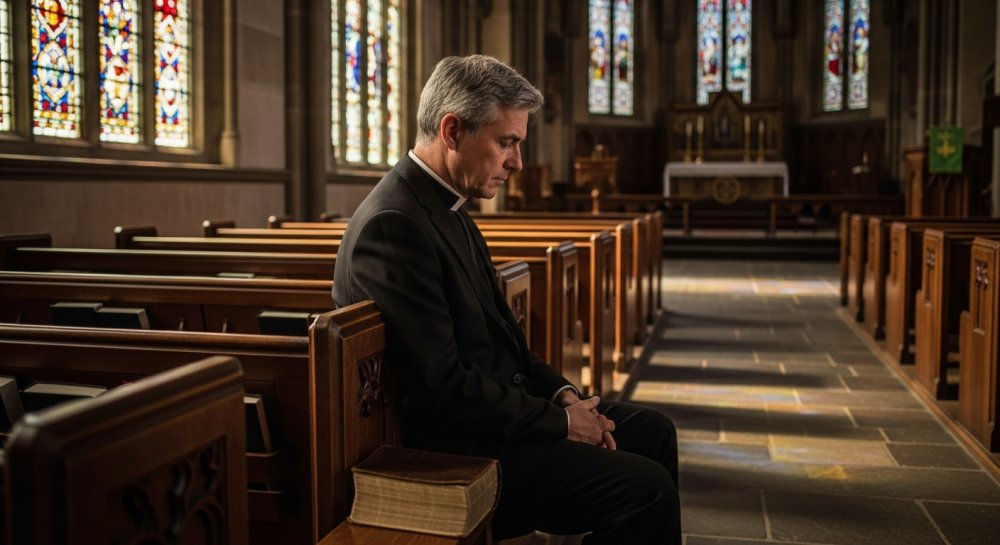
Across America’s churches, a silent struggle affects thousands of spiritual shepherds who guide and counsel their congregations each week. While they stand before their flocks offering wisdom and comfort, many pastors face a deeply personal challenge that often goes unspoken: profound loneliness.
Sheridan Voysey, founder of the Friendship Lab, has dedicated his work to understanding the unique relational challenges faced by men and women in ministry. His research reveals what many churchgoers may never realize – the person delivering Sunday’s sermon may be experiencing isolation despite being surrounded by people.
Maintaining adult friendships can be hard – but even more so when you’re a church leader
, Voysey explains.
The reasons behind pastoral loneliness run deeper than simple busy schedules. Church leaders occupy a unique position that creates natural barriers to friendship. They carry confidential information shared in counseling sessions, make difficult decisions that affect members’ lives, and maintain professional boundaries that can prevent casual relationships from developing into genuine friendships.
Many pastors feel they cannot be fully transparent with congregation members, fearing that showing weakness or struggle might undermine their spiritual authority. This creates a painful paradox – the very people who preach about the importance of Christian community often find themselves unable to fully participate in it.
The problem extends beyond emotional wellbeing. Isolated pastors face higher rates of burnout, moral failure, and leaving ministry altogether. When spiritual leaders lack authentic friendships, their families, congregations, and broader Christian witness all suffer the consequences.
So what can faithful believers do to help address this crisis? Voysey offers practical insights for congregation members who want to support their pastors in developing meaningful friendships.
First, recognize that your pastor is human with the same relational needs as everyone else. While respecting appropriate boundaries, create opportunities for genuine connection beyond church business. Invite your pastor and their family to casual gatherings, sporting events, or community activities where ministry isn’t the focus.
Second, understand the unique pressures church leaders face and avoid adding to their isolation through unrealistic expectations. Pastors need permission to be authentic, to struggle, and to need support themselves without being judged as somehow less spiritual or capable.
Third, pray specifically for your pastor’s friendships and relational health. This often-overlooked aspect of pastoral wellness deserves regular intercession from those who benefit from their ministry.
For fellow pastors and church leaders, Voysey encourages intentional investment in friendships outside the immediate congregation. These relationships provide safe spaces for vulnerability, accountability, and mutual support without the complications of pastoral authority dynamics.
Many denominations and ministry organizations now offer peer support groups, retreats, and coaching specifically designed to help pastors build meaningful connections. Taking advantage of these resources isn’t a luxury – it’s essential for long-term ministry effectiveness and personal wellbeing.
The church has always understood that it’s not good for man to be alone. That truth applies equally to those called to shepherd God’s people. As the body of Christ, believers have both the opportunity and responsibility to ensure their spiritual leaders experience the fellowship and friendship that every person needs to thrive.
Addressing pastoral loneliness isn’t just about helping individual ministers – it’s about strengthening the entire church. Healthy, relationally connected pastors lead more effectively, serve more sustainably, and model the Christian community their congregations are called to become.
Let us know what you think, please share your thoughts in the comments below.
Faith Facts
- A Georgia church witnessed 120 students make decisions for Christ during a specialized outreach to young athletes
- The “Night of Champions” event focused on reaching student athletes with the Gospel message
- The ministry demonstrates effective faith-based strategies for engaging today’s youth through sports evangelism
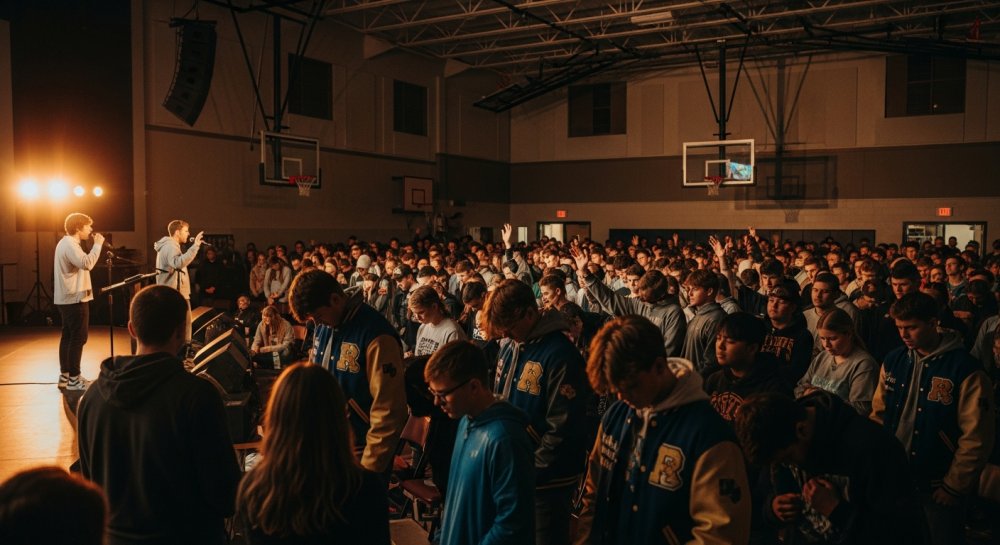
A powerful move of the Holy Spirit swept through a Georgia church as young athletes gathered for an evening dedicated to faith and sports. The outreach event resulted in 120 students making life-changing decisions to follow Jesus Christ.
The “Night of Champions” event strategically combined the passion young people have for athletics with the transformative message of the Gospel. By meeting students where their interests lie, the church created an atmosphere where hearts were open to hear about God’s love and plan for their lives.
This approach to youth evangelism reflects a biblical model of meeting people where they are. Throughout Scripture, we see examples of sharing the Good News in culturally relevant ways while never compromising the truth of God’s Word.
The success of this outreach demonstrates that when churches are intentional about reaching the next generation, God honors those efforts with harvest. Young people are searching for purpose, identity, and belonging—all of which are found in a personal relationship with Jesus Christ.
Athletic programs have long served as effective platforms for ministry, teaching valuable life lessons about discipline, teamwork, and perseverance. These same principles translate seamlessly into the Christian walk, making sports ministry a natural bridge to Gospel conversations.
The 120 decisions for Christ represent not just a number, but individual lives forever changed by the power of God. Each student who stepped forward represents a family impacted, a future altered, and a testimony that will ripple through their communities.
As churches across America seek effective ways to reach young people in an increasingly secular culture, events like “Night of Champions” provide a blueprint for success. When the Gospel is presented clearly and creatively, hearts respond.
This Georgia church’s commitment to youth evangelism reflects the Great Commission mandate to make disciples of all nations. By investing in the spiritual development of young athletes, they are building a foundation that will strengthen families, churches, and communities for generations to come.
Let us know what you think, please share your thoughts in the comments below.
Faith Facts
- A Christian columnist experienced sudden doubt about his salvation after years of defending eternal security doctrine
- A sermon questioning the authenticity of believers’ faith triggered an unexpected spiritual crisis
- The believer ultimately found reassurance by returning to biblical truth about God’s unchanging promises
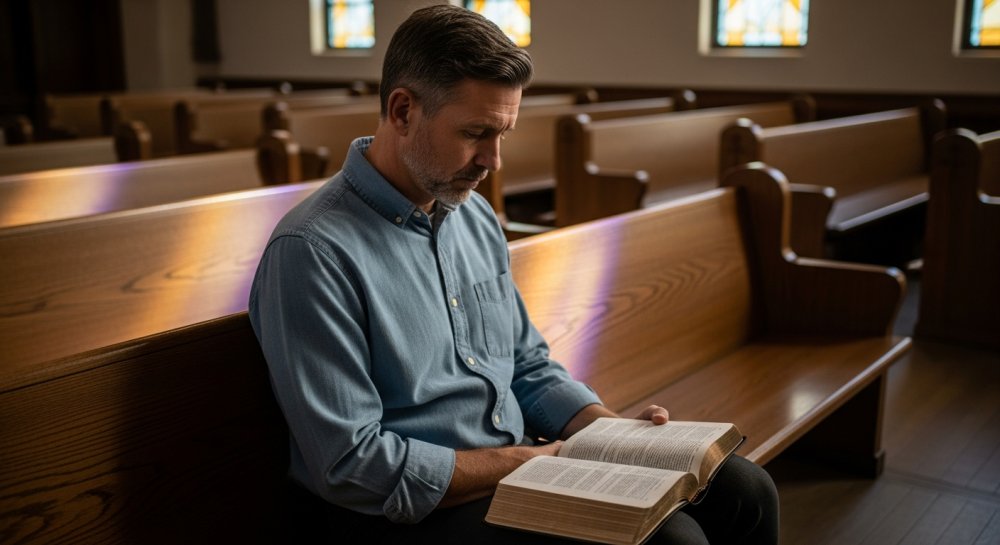
For years, one faithful Christian writer had confidently defended the doctrine of eternal security in his work. He understood the biblical promises of salvation and had helped others find assurance in Christ’s finished work on the cross. Yet in just a few minutes, a single sermon left him questioning everything he thought he knew about his own standing before God.
The sermon raised pointed questions about whether certain believers were truly saved at all. The message suggested that some who consider themselves Christians might not actually have genuine faith. For someone who had spent years studying and writing about assurance of salvation, the experience proved unexpectedly destabilizing.
This spiritual shaking illustrates a trap that ensnares many sincere believers: the “not a real Christian” doubt. When confronted with messages that question the authenticity of faith, even mature Christians can find themselves in turmoil. The enemy of our souls delights in sowing seeds of doubt about our relationship with Christ.
The columnist’s experience reveals an important truth about the Christian walk. Intellectual knowledge of doctrine, even years of defending biblical truth, does not make us immune to spiritual attack. Our feelings and circumstances can sometimes overwhelm what we know to be true from Scripture.
However, the story doesn’t end in doubt and confusion. The believer found his way back to solid ground by returning to the unchanging promises of God’s Word. The foundation of our salvation rests not on our performance, our feelings, or even our perfect understanding, but on Christ’s completed work and God’s faithful character.
Scripture is clear that those who have genuinely placed their faith in Jesus Christ are secure in Him. The Apostle Paul wrote that nothing can separate us from the love of God in Christ Jesus. Jesus Himself declared that no one can snatch His sheep from His hand. These promises stand firm regardless of our emotional state or momentary doubts.
The experience serves as a reminder that all Christians must guard their hearts and minds. We must test every teaching against Scripture, even messages delivered from the pulpit. Well-meaning preachers can sometimes emphasize certain truths in ways that inadvertently undermine the assurance God wants His children to have.
For believers struggling with similar doubts, the path forward involves returning to the basics of the gospel. Salvation comes through faith in Christ alone, not through our works or our ability to maintain perfect confidence. When doubts arise, we must cling to God’s promises rather than our fluctuating feelings.
This columnist’s vulnerability in sharing his struggle provides encouragement to other Christians facing similar battles. Doubt does not equal unbelief, and questions do not disqualify us from God’s family. Even strong believers can experience seasons of uncertainty while their faith remains genuine and secure.
The Christian life requires ongoing vigilance against teachings that would rob us of the peace and assurance Christ purchased for us. We must build our lives on the solid rock of Scripture, not on the shifting sands of human opinion or emotional experience.
Let us know what you think, please share your thoughts in the comments below.


-

 Self-Reliance1 year ago
Trump’s Bold Move Uncovers Massive Social Security Fraud
-

 Faith1 year ago
New Clues Emerge in Noah’s Ark Mystery
-

 News1 year ago
Governor Walz’s Rhetoric Sparks National Controversy
-

 News1 year ago
Mel Gibson’s ‘The Passion of the Christ’ Sequel Title Announced
-

 Family1 year ago
Texas Lawmaker Targets Furries in Schools
-

 Freedom1 year ago
Maine Lawmaker Challenges Sports Fairness Controversy
-

 Family1 year ago
Canada’s Controversial Policy Sparks Ethical Debate
-
Faith8 months ago
Congress Hears Pleas for Nigerian Christians