
Faith
The Hidden Struggle Every Church Leader Faces in Silence

Faith Facts
- Research shows pastors and church leaders experience profound loneliness, often more than the general population, due to the unique pressures of ministry
- The professional boundaries and expectations placed on clergy create significant barriers to developing authentic friendships
- Congregation members can help combat pastoral loneliness through intentional relationship-building and recognizing their spiritual leaders’ human needs
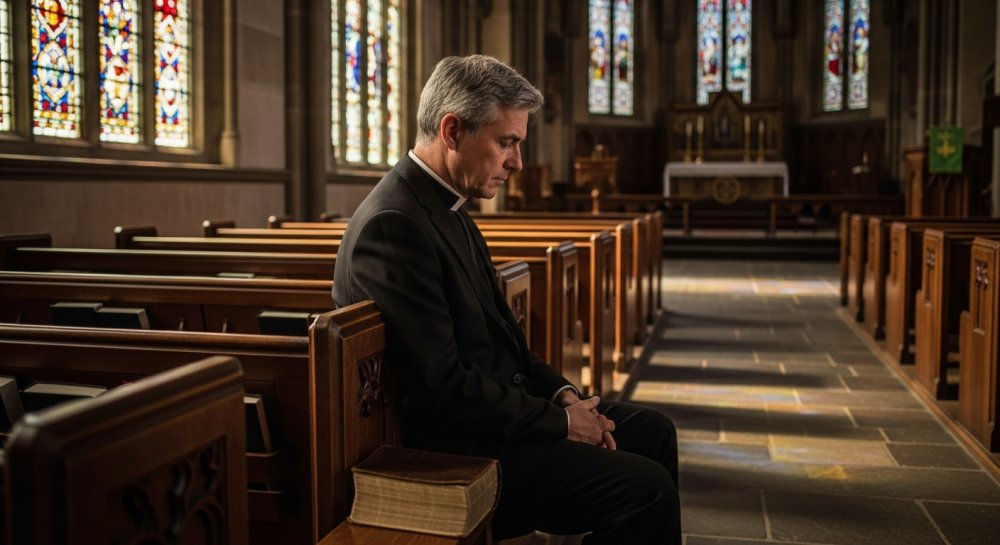
Across America’s churches, a silent struggle affects thousands of spiritual shepherds who guide and counsel their congregations each week. While they stand before their flocks offering wisdom and comfort, many pastors face a deeply personal challenge that often goes unspoken: profound loneliness.
Sheridan Voysey, founder of the Friendship Lab, has dedicated his work to understanding the unique relational challenges faced by men and women in ministry. His research reveals what many churchgoers may never realize – the person delivering Sunday’s sermon may be experiencing isolation despite being surrounded by people.
Maintaining adult friendships can be hard – but even more so when you’re a church leader
, Voysey explains.
The reasons behind pastoral loneliness run deeper than simple busy schedules. Church leaders occupy a unique position that creates natural barriers to friendship. They carry confidential information shared in counseling sessions, make difficult decisions that affect members’ lives, and maintain professional boundaries that can prevent casual relationships from developing into genuine friendships.
Many pastors feel they cannot be fully transparent with congregation members, fearing that showing weakness or struggle might undermine their spiritual authority. This creates a painful paradox – the very people who preach about the importance of Christian community often find themselves unable to fully participate in it.
The problem extends beyond emotional wellbeing. Isolated pastors face higher rates of burnout, moral failure, and leaving ministry altogether. When spiritual leaders lack authentic friendships, their families, congregations, and broader Christian witness all suffer the consequences.
So what can faithful believers do to help address this crisis? Voysey offers practical insights for congregation members who want to support their pastors in developing meaningful friendships.
First, recognize that your pastor is human with the same relational needs as everyone else. While respecting appropriate boundaries, create opportunities for genuine connection beyond church business. Invite your pastor and their family to casual gatherings, sporting events, or community activities where ministry isn’t the focus.
Second, understand the unique pressures church leaders face and avoid adding to their isolation through unrealistic expectations. Pastors need permission to be authentic, to struggle, and to need support themselves without being judged as somehow less spiritual or capable.
Third, pray specifically for your pastor’s friendships and relational health. This often-overlooked aspect of pastoral wellness deserves regular intercession from those who benefit from their ministry.
For fellow pastors and church leaders, Voysey encourages intentional investment in friendships outside the immediate congregation. These relationships provide safe spaces for vulnerability, accountability, and mutual support without the complications of pastoral authority dynamics.
Many denominations and ministry organizations now offer peer support groups, retreats, and coaching specifically designed to help pastors build meaningful connections. Taking advantage of these resources isn’t a luxury – it’s essential for long-term ministry effectiveness and personal wellbeing.
The church has always understood that it’s not good for man to be alone. That truth applies equally to those called to shepherd God’s people. As the body of Christ, believers have both the opportunity and responsibility to ensure their spiritual leaders experience the fellowship and friendship that every person needs to thrive.
Addressing pastoral loneliness isn’t just about helping individual ministers – it’s about strengthening the entire church. Healthy, relationally connected pastors lead more effectively, serve more sustainably, and model the Christian community their congregations are called to become.
Let us know what you think, please share your thoughts in the comments below.


Faith Facts
- Actress Danica McKellar credits Candace Cameron Bure with leading her to a personal relationship with Jesus Christ.
- McKellar is best known for her childhood role as Winnie Cooper on the beloved family series “The Wonder Years.”
- Bure, a committed believer, has consistently used her platform to point others toward faith and traditional values.
Danica McKellar opened up about the meaningful influence of her longtime friend Candace Cameron Bure in her journey toward faith. The two former child stars developed a friendship that extended far beyond their early careers in Hollywood.
McKellar explained that Bure was the one who introduced her to Jesus in a personal way. Their shared history in the entertainment industry gave McKellar a trusted voice to hear when spiritual matters came up.
“Wonder Years” actress Danica McKellar shares how fellow child star Candace Cameron Bure helped bring her to Jesus.
McKellar has spoken openly about her growing faith and the importance of surrounding herself with fellow believers. She has described how that friendship helped anchor her during seasons of change and uncertainty.
The story reflects a pattern seen among many in Hollywood who quietly seek truth and community outside the spotlight. For McKellar, that path led her straight to the feet of Jesus through the faithful witness of a friend.
Let us know what you think, please share your thoughts in the comments below.

Faith Facts
- Danica McKellar credits Candace Cameron Bure with leading her to Christ four years ago.
- McKellar now views her acting career through a faith-centered lens.
- She seeks roles that reflect her Christian values and convictions.
Actress Danica McKellar has opened up about the moment she found faith in Christ. She credits longtime friend and fellow former child star Candace Cameron Bure for guiding her on that journey four years ago.
McKellar shared that her new relationship with Jesus has transformed the way she sees her career and the projects she now chooses to pursue. Instead of simply chasing roles for fame or success, she is now more intentional about the stories she tells on screen.
“It’s been Jesus this whole time”
McKellar’s transformation reflects a deeper commitment to living out her faith both on and off the screen. She has expressed gratitude for the spiritual mentorship she received from Bure, whose own public witness as a believer has long been a steady presence in Hollywood.
The actress says her faith has redefined her purpose, helping her to focus on projects that align with her Christian convictions rather than simply accepting work based on popularity or financial gain.
Let us know what you think, please share your thoughts in the comments below.
Faith Facts
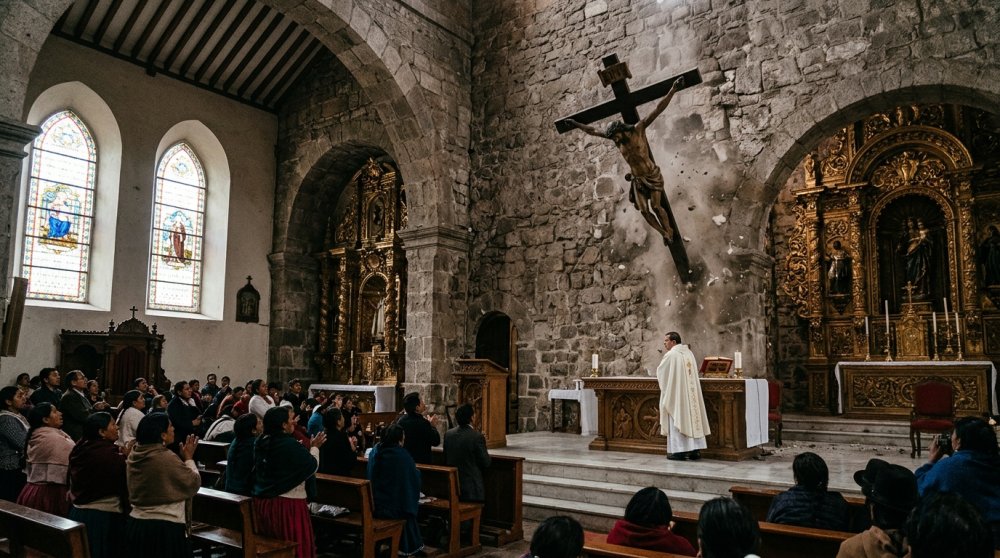
- A priest in Ecuador died during a church service when a large crucifix fell from the wall.
- Kenny Kinglesmith addresses unbelieving friends in an open letter about hope in Jesus amid suffering.
- Christian believers continue to place their trust in Christ even when tragedy strikes inside the sanctuary.
The sudden death of a priest while leading worship has shaken believers across Ecuador. Questions about suffering and divine purpose are rising again.
Kenny Kinglesmith has written an open letter to friends who do not believe. He explains why his hope in Jesus remains firm despite the pain.
“In the face of inexplicable suffering, I still choose to place my hope in Jesus.”
Many Christians are wrestling with how a loving God could allow such a loss inside His house. The event has prompted renewed reflection on the mystery of suffering.
Kinglesmith does not offer easy answers. Instead he points to the cross itself, where Christ endured the ultimate injustice yet brought redemption.
“I still choose to place my hope in Jesus.”
The tragedy has become a moment for believers to examine their own trust in God. It is also an opportunity to demonstrate compassion to those who question.
Kinglesmith urges Christians to live out their faith openly. He believes the witness of steadfast hope can speak louder than arguments.
“In the face of inexplicable suffering, I still choose to place my hope in Jesus.”
Let us know what you think, please share your thoughts in the comments below.


-

 Self-Reliance2 years ago
Trump’s Bold Move Uncovers Massive Social Security Fraud
-

 Faith2 years ago
New Clues Emerge in Noah’s Ark Mystery
-

 News2 years ago
Governor Walz’s Rhetoric Sparks National Controversy
-

 News2 years ago
Mel Gibson’s ‘The Passion of the Christ’ Sequel Title Announced
-

 Family2 years ago
Texas Lawmaker Targets Furries in Schools
-

 Freedom2 years ago
Maine Lawmaker Challenges Sports Fairness Controversy
-

 Family1 year ago
Canada’s Controversial Policy Sparks Ethical Debate
-
Faith11 months ago
Congress Hears Pleas for Nigerian Christians