
Freedom
Colorado Bill Sparks Parental Rights Controversy


In a concerning development for families across Colorado, a new legislative proposal threatens to undermine the fundamental rights of parents to guide their children according to their faith and values. The bill, known as HB1312 or the “Kelly Loving Act,” has already passed the Colorado House of Representatives and is now making its way through the state Senate. This legislation could classify parents as abusive if they do not affirm their child’s gender confusion, potentially leading to the removal of children from their homes.
The bill aims to add “misgendering” and “deadnaming” to the list of discriminatory acts under Colorado’s Anti-Discrimination Act, prohibiting these actions in public spaces. More alarmingly, it mandates that courts consider whether parents are affirming their child’s gender dysphoria in custody disputes. Parents who encourage their children to embrace their God-given gender could face losing custody.
Republican Rep. Jarvis Caldwell has been vocal in his opposition, accusing Democrats of silencing debate by fast-tracking the bill. He expressed concerns that the legislation codifies into law that if parents do not affirm their child’s gender identity, they could be accused of child abuse and risk losing custody.
The repercussions of such legislation are already being felt by parents like Dustin Gonzalez. This Christian father lost custody of his 12-year-old daughter after school officials transitioned her to a different gender identity without his consent. Gonzalez declared, “I’m not just fighting for my daughter. I am fighting to make sure that what happened to me and my family never happens to another parent in this district. The school didn’t inform me, they didn’t ask them, they replaced me.”
Gonzalez’s heartbreaking story is a stark reminder of the dangers posed by this bill. “They didn’t accuse me of abuse, they didn’t claim I caused harm. The only evidence against me was that I said I am not ready to affirm this yet. That’s it,” he shared. “And now I’m at risk of losing parenting time and being erased from my daughter’s life.”
This is not an isolated incident. Across the nation, parents are facing similar battles. In Indiana, Mary and Jeremy Cox lost custody of their child due to their refusal to affirm a gender identity that conflicts with their Biblical beliefs. Mary expressed the pain of having limited access to her children, stating, “I miss his laugh. I miss being with him…we never get that time back.”
Tragically, some stories have ended in irreversible loss. Abigail Martinez, a California mother, lost her daughter to suicide after losing custody because she did not celebrate her child’s gender dysphoria. Martinez testified, “My daughter was murdered by a gender ideology. I lost my daughter over a name and pronouns.”
These stories highlight the urgent need for parents and communities to stand together in defense of parental rights and traditional values. Colorado State Rep. Caldwell is urging citizens to take action before it’s too late. He warned of the bill’s potential to make it impossible for parents to seek help for their gender-confused children by declaring such help as child abuse.
As this bill moves to the Colorado Senate Judiciary Committee, it is crucial for people of faith and conviction to raise their voices. The battle for the soul of our families and the future of our children is at stake. Let us stand firm in our commitment to faith, family, and freedom, ensuring that our God-given rights as parents are upheld.
Let us know what you think, please share your thoughts in the comments below.



Faith Facts
- The Bible teaches that the living cannot communicate with the dead.
- Scripture consistently portrays deceptive spirits as demons, not human souls.
- Believers are called to trust God’s Word over human experiences or feelings.
Many Christians are confused when they hear stories about loved ones appearing after death. These accounts often feel real and emotional, yet they clash with what Scripture actually teaches about the afterlife.
Author David Griffiths addresses this tension directly. He argues that the Bible makes a clear distinction between the living and the dead, warning believers not to seek contact with those who have passed on.
“The Bible is clear that the living and the dead cannot communicate,”
Griffiths writes. This teaching protects Christians from spiritual deception that can arise when grief or curiosity opens the door to experiences outside of God’s design.
Instead of viewing ghosts as harmless spirits of the departed, Griffiths presents them as demonic forces seeking to mislead people. This perspective aligns with traditional Christian understanding that places ultimate authority in Scripture rather than personal encounters.
Many families today wrestle with questions about life after death. When loved ones pass, the desire to connect can feel overwhelming, yet Griffiths encourages believers to rest in the promises of Scripture rather than chase after signs or apparitions.
“Read an alternative view here”
Griffiths notes that the culture often promotes ideas that contradict biblical truth. He urges Christians to hold fast to the Word of God as their guide, especially when emotions run high or spiritual experiences feel convincing.
By grounding discussions about the supernatural in Scripture, believers can avoid confusion and remain anchored in the truth that God has revealed. This approach strengthens faith and protects families from teachings that blur the line between good and evil.
Let us know what you think, please share your thoughts in the comments below.
Faith Facts
- Every law reflects moral commitments, making every vote a moral choice.
- Christians are called to stand for righteousness in public life without coercion.
- Traditional American values rest on biblical principles of justice and freedom.
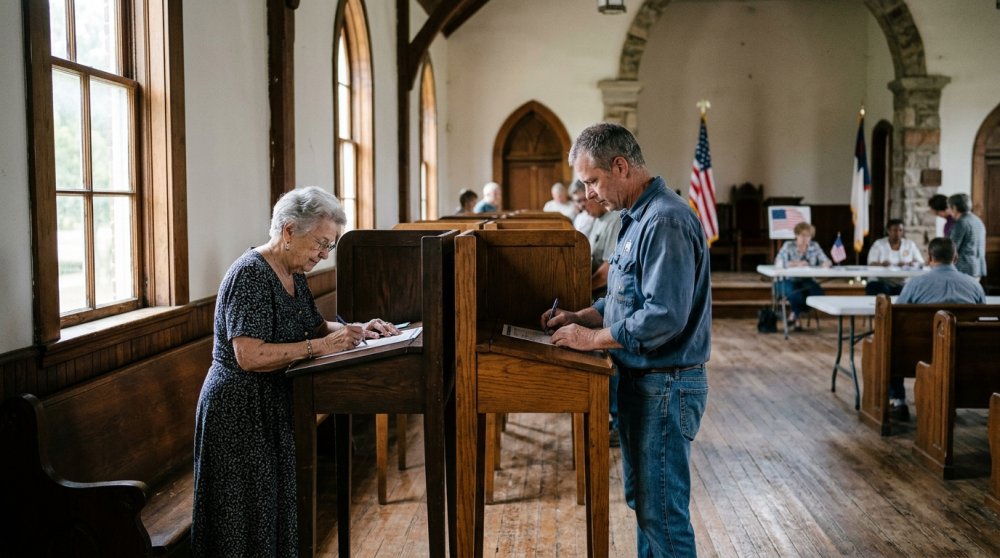
“You can’t legislate morality.” Most of us have heard it. But the phrase is missing a clause: laws themselves rest on moral commitments, which makes every vote a moral choice, for Christians and everyone else.
Let us know what you think, please share your thoughts in the comments below.
Faith Facts
- Angola’s church registration rules are drawing scrutiny from religious freedom advocates who fear smaller Christian communities may be locked out of legal recognition.
- African church leaders discussed the issue at a continental theological symposium in Nairobi.
- Proponents of traditional Christian values argue that such regulations threaten the free exercise of faith across the continent.
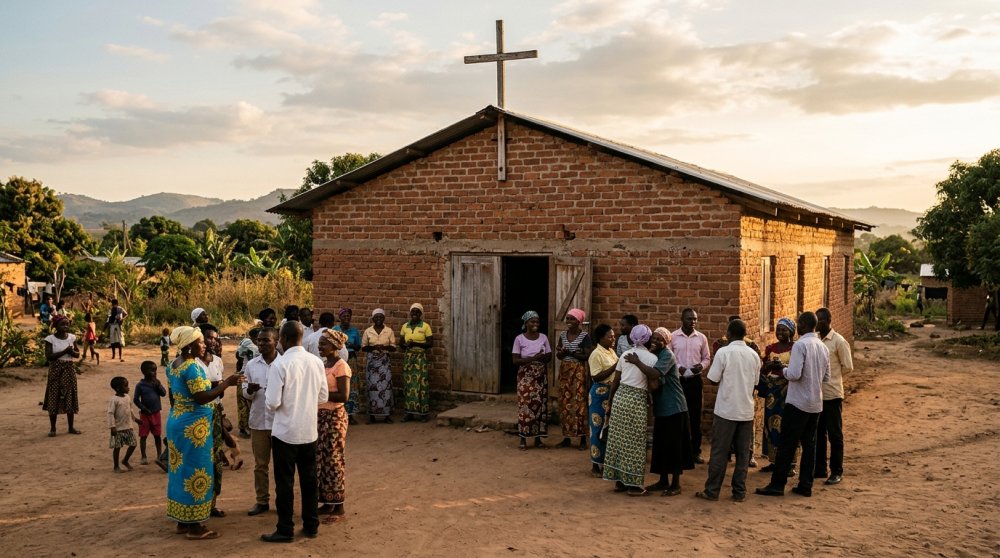
Religious freedom advocates are questioning whether church registration requirements in Angola are making it difficult for smaller Christian communities to gain legal recognition. The concerns surfaced after African church leaders examined the issue at a continental theological symposium in Nairobi.
Critics say the rules create unnecessary barriers that could stifle the growth of independent congregations. They warn that such restrictions undermine the foundational American principle of free exercise of religion.
“Religious freedom is not a privilege granted by the state but a God-given right that governments are duty-bound to protect,”
Christian leaders at the symposium voiced solidarity with Angolan believers. They urged governments to safeguard the ability of churches to worship without undue interference.
“We stand with our brothers and sisters in Angola and pray that their government will uphold the liberty to gather, preach, and serve without fear,”
The symposium highlighted a growing trend across parts of Africa where registration hurdles are complicating the work of smaller denominations. Advocates insist these policies run counter to the biblical call to spread the Gospel freely.
Let us know what you think, please share your thoughts in the comments below.


-

 Self-Reliance2 years ago
Trump’s Bold Move Uncovers Massive Social Security Fraud
-

 Faith2 years ago
New Clues Emerge in Noah’s Ark Mystery
-

 News2 years ago
Governor Walz’s Rhetoric Sparks National Controversy
-

 News2 years ago
Mel Gibson’s ‘The Passion of the Christ’ Sequel Title Announced
-

 Family2 years ago
Texas Lawmaker Targets Furries in Schools
-

 Freedom2 years ago
Maine Lawmaker Challenges Sports Fairness Controversy
-

 Family1 year ago
Canada’s Controversial Policy Sparks Ethical Debate
-
Faith12 months ago
Congress Hears Pleas for Nigerian Christians