
Faith
Churches Urged to Embrace Persecuted Women

Faith Facts
- Christian women in South Asia and Africa face targeted religious persecution and abandonment by their communities.
- Many churches struggle to accept survivors back, compounding trauma and isolation for victims.
- Faith leaders call for compassion, restoration, and active support for those returning from persecution.
The vulnerability of women and girls in regions hostile to Christianity was front and center at the World Evangelical Alliance’s 14th General Assembly. Panelists revealed that many survivors face rejection not only from society, but heartbreakingly from their own church communities.
Irene Kibagendi, executive director of the Pan African Christian Women Alliance, noted that Christian girls in Nigeria, Sudan, and the Democratic Republic of the Congo are frequently kidnapped and forced to abandon their faith. Upon return, these women often find themselves unwelcome in their churches and families.
“They’re rejected by their families. Their husbands cannot accept them back. The Church cannot accept them back,” Kibagendi explained, emphasizing the urgent need for a more compassionate response.
Emma van der Deijl, CEO of Gender and Religious Freedom, reflected on the spiritual harm inflicted, stating, “It’s as if the Church thinks that the blood of Christ isn’t strong enough to cleanse these women or to keep the Church pure.” She encouraged believers to restore and receive persecuted members with love rather than allowing the enemy to divide the body of Christ.
Sarah Cunningham of Open Doors US discussed the lasting psychological effects that survivors endure, such as PTSD and ongoing fear, and highlighted the stigma that victims often carry in silence.
Despite these challenges, a number of churches are beginning to offer hospitality and grace to those who have suffered for their faith, placing blame on perpetrators and supporting victims on their path to healing and reintegration.
The Rev. Martha Das and others pointed to ongoing cultural obstacles that hinder support in minority-Christian regions, where churches often desire tidiness over messy realities of trauma and pain.
Kibagendi insists Christians have a responsibility to welcome back and restore those hurt by persecution, leaving judgment aside and modeling Christ’s sacrificial love. Support and care groups within churches can provide hope and renew the dignity of women and girls impacted by violence.
At the assembly, over 850 Evangelicals considered how the global Church can more faithfully live out the Gospel, including through the adoption of the Seoul Declaration—a roadmap for theological integrity and unity in addressing pressing global issues.


Faith Facts
- Religious Studies GCSE enrollment is increasing across the United Kingdom despite a critical shortage of qualified teachers
- The shortage of specialist religious education teachers continues to worsen, threatening students’ access to faith-based learning
- Experts warn the crisis could limit young people’s understanding of Christianity and other world religions at a crucial developmental stage
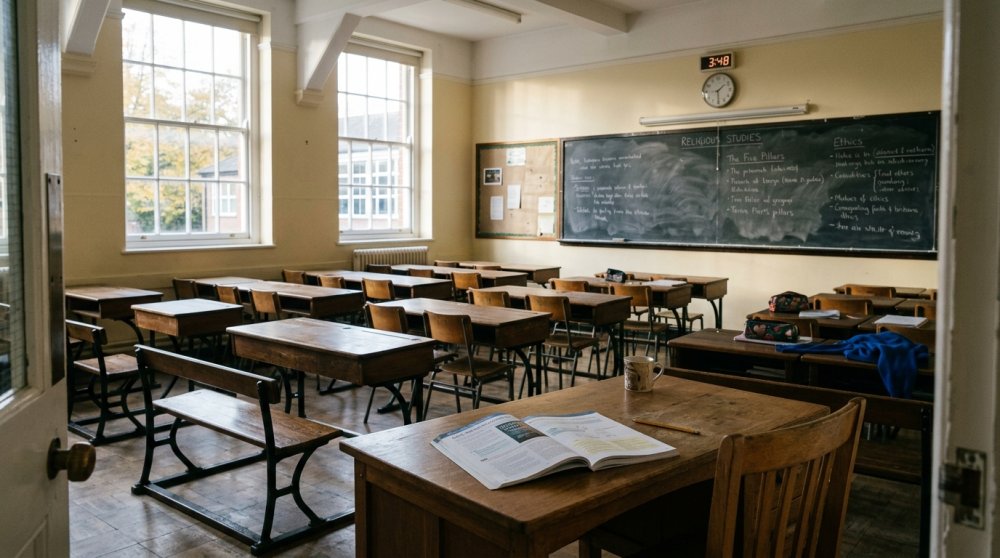
A troubling crisis is unfolding in British schools as demand for Religious Studies courses climbs while the number of qualified teachers to instruct them plummets. The shortage threatens to deny an entire generation of students the opportunity to explore questions of faith, morality, and spiritual heritage.
Despite rising interest in Religious Studies as a GCSE subject—a qualification typically pursued by students aged 14-16—education experts across the United Kingdom are sounding the alarm about the dwindling pool of specialist teachers equipped to lead these courses. The gap between student demand and teacher availability continues to widen, creating what some describe as an educational emergency.
For Christian parents and community leaders, the implications are profound. Religious education offers young people a structured opportunity to examine the Christian foundations of Western civilization, explore theological concepts, and develop moral reasoning rooted in biblical principles. Without qualified instructors, schools cannot adequately meet this need, leaving students with diminished access to faith-based learning during formative years.
The shortage also raises questions about educational priorities in modern Britain. While subjects like science and mathematics receive substantial investment and recruitment focus, religious education appears increasingly marginalized despite its role in character formation and cultural literacy. This imbalance reflects broader secular trends that often sideline faith perspectives in public institutions.
The consequences extend beyond individual students. A society that fails to educate its youth about religious heritage risks losing connection to the values, traditions, and wisdom that have shaped its history. For Christians, this represents not merely an academic concern but a spiritual one—a lost opportunity to plant seeds of faith and understanding in young hearts.
The crisis also highlights the importance of Christian involvement in education. As government schools struggle to staff religious studies programs, faith communities must consider how they can support religious literacy through church-based education, mentorship, and advocacy for policies that prioritize faith-friendly curricula.
The situation in the United Kingdom serves as a cautionary tale for Americans concerned about religious education. It demonstrates how quickly institutional support for faith-based learning can erode, even when student interest remains strong. Vigilance and active engagement are essential to preserve educational opportunities that honor our spiritual heritage.
Let us know what you think, please share your thoughts in the comments below.
Faith Facts
- Church leaders and Christians in Sudan’s Nuba Mountains are experiencing increasing killings, abductions, and violent attacks.
- The violence is intensifying in Sudan’s South Kordofan state as rival armed factions battle for control.
- Christian watchdog organization Open Doors has raised urgent concerns about the persecution facing believers in the region.
Believers in Sudan are enduring a terrifying surge of violence that threatens the very survival of Christian communities in the region. What many Americans may not realize is that while we enjoy religious freedom, our brothers and sisters in Christ face daily threats to their lives simply for holding fast to their faith.
The Nuba Mountains region has become a flashpoint of persecution as rival armed groups wage brutal campaigns across South Kordofan state. Christian leaders report that their congregations are being specifically targeted in what amounts to systematic religious persecution.
Open Doors, a respected international ministry that monitors and responds to Christian persecution worldwide, has issued urgent warnings about the deteriorating situation. Their reports document a disturbing pattern of kidnappings, murders, and coordinated attacks on Christian communities that appear designed to drive believers from their ancestral lands.
The civil conflict in Sudan has provided cover for those who seek to eliminate Christian witness from the region. Armed factions are exploiting the chaos to settle old scores and pursue ideological agendas that leave no room for religious minorities.
Church leaders on the ground describe a climate of constant fear where worship services become potential targets and simply identifying as a Christian can mark someone for violence. Families are torn apart by abductions, with many victims never seen again.
This crisis demands the attention and prayers of American Christians. The persecution in Sudan represents a grave threat to religious freedom and human dignity. As believers who cherish our own liberty to worship freely, we have a moral obligation to stand with those who face persecution for the same faith we hold dear.
The situation also highlights the ongoing failure of international bodies to protect vulnerable religious minorities in conflict zones. Despite numerous reports and documentation of atrocities, effective intervention remains elusive while Christians continue to suffer.
Organizations like Open Doors provide vital support to persecuted believers, but they cannot solve this crisis alone. American Christians must raise their voices, contact their elected representatives, and demand that our government prioritize religious freedom in its foreign policy.
The faithful in Sudan’s Nuba Mountains need more than our sympathy—they need our active advocacy and sustained prayer. Their courage in maintaining their Christian witness under such dire circumstances should inspire us to greater faithfulness in our own walk with Christ.
Let us know what you think, please share your thoughts in the comments below.
Faith Facts
- More than 1,500 participants from 17 nations gathered in Kyiv for Ukraine’s third National Prayer Breakfast
- European evangelical leaders joined Ukrainian believers in prayers for the nation’s survival and continued international support
- The prayer breakfast took place as Ukraine prepares to celebrate 35 years of independence amid ongoing war
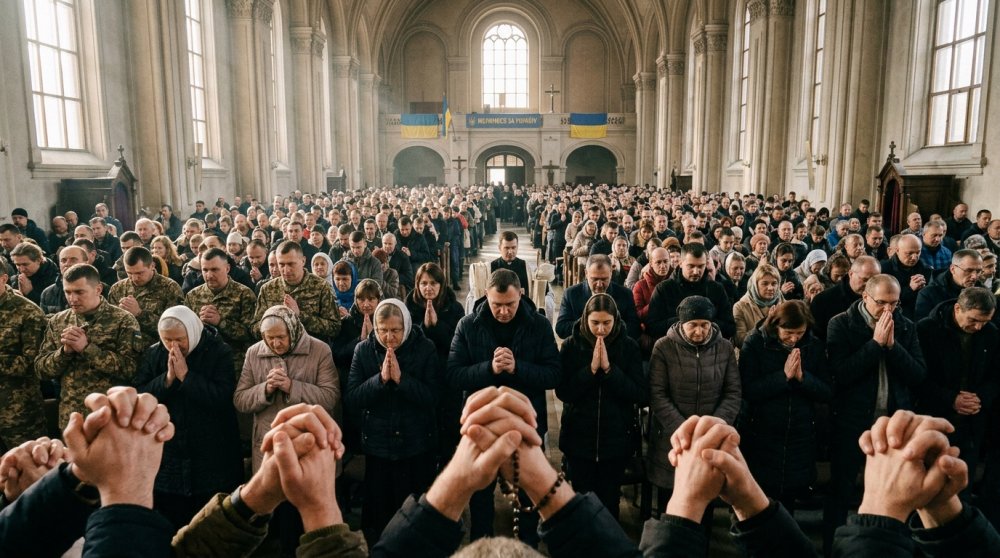
A powerful display of Christian solidarity unfolded in the heart of Kyiv as evangelical leaders from across Europe joined forces with Ukrainian believers in prayer. More than 1,500 participants from 17 countries gathered for Ukraine’s third National Prayer Breakfast on Sunday, August 23, demonstrating that the global Christian community has not forgotten this embattled nation.
The gathering comes at a critical moment as Ukraine approaches the milestone of 35 years of independence. The event served as both a celebration of faith and a stark reminder that the fight for freedom continues in the face of aggression.
European evangelical leaders used the platform to deliver a clear message to the international community: do not grow weary of supporting Ukraine in its time of need. Their presence in Kyiv itself spoke volumes about the commitment of Christians worldwide to stand with those facing persecution and war.
The prayer breakfast represents more than a symbolic gesture. It reflects the deep spiritual bonds that unite believers across borders and the conviction that prayer remains a powerful force in times of crisis. These Christian leaders recognized that Ukraine’s struggle is not merely a geopolitical conflict but a battle for the values of freedom and self-determination that align with biblical principles.
As the world’s attention sometimes wavers, these evangelical voices are calling for sustained support—both material and spiritual. Their message resonates with the Christian understanding that perseverance in doing good is a fundamental duty, especially when standing alongside those who suffer.
The gathering in Kyiv demonstrates the enduring power of faith communities to provide hope and encouragement when circumstances seem darkest. For Ukrainian believers who have endured years of conflict, the presence of international Christian leaders offers tangible proof that they have not been abandoned in their hour of need.
This National Prayer Breakfast stands as a testament to the universal nature of the Christian faith and the obligation believers feel to support their brothers and sisters facing trials. It challenges comfortable Western Christians to remember those who worship under the shadow of war and to continue lifting them up in prayer and action.
Let us know what you think, please share your thoughts in the comments below.


-

 Self-Reliance1 year ago
Trump’s Bold Move Uncovers Massive Social Security Fraud
-

 Faith1 year ago
New Clues Emerge in Noah’s Ark Mystery
-

 News1 year ago
Governor Walz’s Rhetoric Sparks National Controversy
-

 News1 year ago
Mel Gibson’s ‘The Passion of the Christ’ Sequel Title Announced
-

 Family1 year ago
Texas Lawmaker Targets Furries in Schools
-

 Freedom1 year ago
Maine Lawmaker Challenges Sports Fairness Controversy
-

 Family1 year ago
Canada’s Controversial Policy Sparks Ethical Debate
-
Faith9 months ago
Congress Hears Pleas for Nigerian Christians