
Faith
Church Must Address Violence Within Its Own Walls

Faith Facts
- A recent discussion has emerged calling on Christian communities to examine internal issues of abuse and violence rather than focusing solely on external cultural concerns
- The conversation emphasizes the biblical call for self-examination and accountability within the Body of Christ before judging those outside the faith
- Christian leaders are being urged to ensure churches remain safe havens where biblical principles of respect, dignity, and protection for women and children are upheld
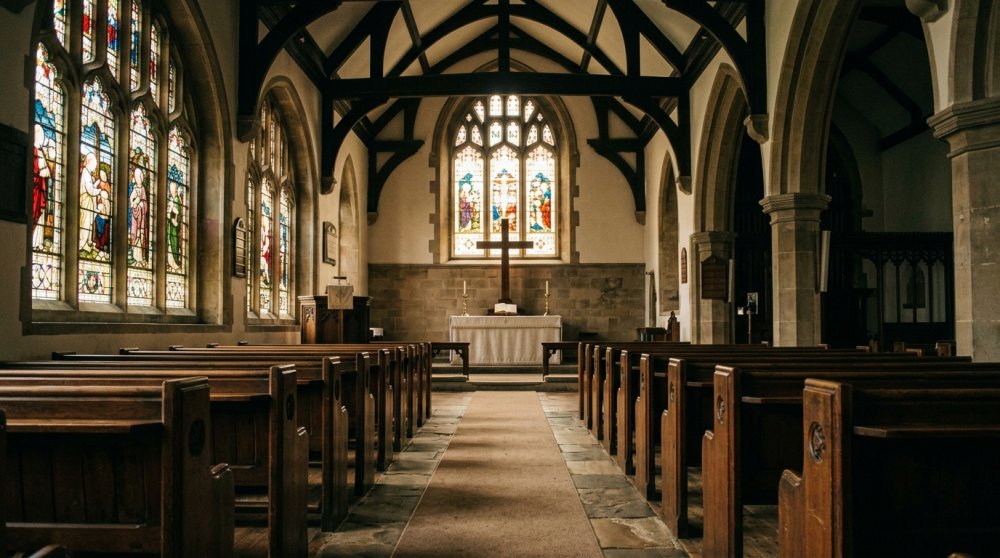
The Christian community is facing renewed calls to address serious concerns about abuse and violence within its own congregations. This conversation, while difficult, represents an important opportunity for the Church to demonstrate its commitment to biblical standards of justice, protection, and righteousness.
Scripture is clear about the Church’s responsibility to maintain holiness and protect the vulnerable within its walls. In 1 Corinthians 5:12, the Apostle Paul writes, “What business is it of mine to judge those outside the church? Are you not to judge those inside?”
The discussion centers on ensuring that Christian communities hold themselves to the highest biblical standards when it comes to protecting women, children, and all vulnerable members. Churches have a sacred duty to be places of genuine safety, where predatory behavior is not tolerated and where victims are believed, supported, and given pathways to justice and healing.
Christian conservatives have long championed the importance of strong families, biblical masculinity, and the protection of women and children. These values must begin at home and in our houses of worship. When abuse occurs within Christian settings—whether in homes, churches, or Christian institutions—it represents a profound betrayal of biblical teaching and must be confronted with the full force of church discipline and, when appropriate, legal accountability.
The Bible presents a clear model of godly manhood that stands in stark contrast to any form of abuse or violence. Christian men are called to love their wives as Christ loved the church, giving Himself up for her (Ephesians 5:25). They are instructed to treat women with honor and respect (1 Peter 3:7) and to be protectors, not predators.
Many Christian leaders and ministries have been working diligently to address these concerns. Churches across America are implementing stronger safeguarding policies, providing training for leadership, and creating cultures where abuse is not hidden or minimized. This work must continue and expand.
The challenge before the Church is to demonstrate that Christian values, when truly lived out, create the safest possible environment for women and children. This means zero tolerance for abuse, swift action when allegations arise, full cooperation with legal authorities, and genuine repentance and restoration processes that prioritize victim safety and healing.
At the same time, Christians must recognize that sin is a universal human problem that transcends culture, nationality, or religious background. The doctrine of total depravity teaches that all people, apart from God’s grace, are capable of great evil. This understanding should lead to humility, vigilance, and a commitment to biblical accountability structures.
The Church’s credibility in speaking to cultural issues depends significantly on its willingness to address sin within its own ranks. When Christians call for righteousness in society while tolerating wickedness in their congregations, they undermine their witness and bring reproach upon the name of Christ.
Moving forward, churches must balance grace with truth, mercy with justice. This means supporting victims, holding perpetrators accountable, and creating systems that prevent abuse before it happens. It also means teaching a robust biblical theology of sexuality, marriage, and human dignity that equips young people to recognize and reject abusive patterns.
Christian families and churches should be leading the way in demonstrating what healthy, God-honoring relationships look like. This includes teaching young men about biblical masculinity, sacrificial love, and self-control, while empowering young women to recognize their inherent worth as image-bearers of God.
The Gospel offers hope and transformation even in the darkest circumstances. Churches that take these issues seriously, implement biblical discipline, and create cultures of genuine safety and accountability can become beacons of hope in a broken world.
Let us know what you think, please share your thoughts in the comments below.


Faith Facts
- Danica McKellar credits Candace Cameron Bure with leading her to Christ four years ago.
- McKellar now views her acting career through a faith-centered lens.
- She seeks roles that reflect her Christian values and convictions.
Actress Danica McKellar has opened up about the moment she found faith in Christ. She credits longtime friend and fellow former child star Candace Cameron Bure for guiding her on that journey four years ago.
McKellar shared that her new relationship with Jesus has transformed the way she sees her career and the projects she now chooses to pursue. Instead of simply chasing roles for fame or success, she is now more intentional about the stories she tells on screen.
“It’s been Jesus this whole time”
McKellar’s transformation reflects a deeper commitment to living out her faith both on and off the screen. She has expressed gratitude for the spiritual mentorship she received from Bure, whose own public witness as a believer has long been a steady presence in Hollywood.
The actress says her faith has redefined her purpose, helping her to focus on projects that align with her Christian convictions rather than simply accepting work based on popularity or financial gain.
Let us know what you think, please share your thoughts in the comments below.
Faith Facts
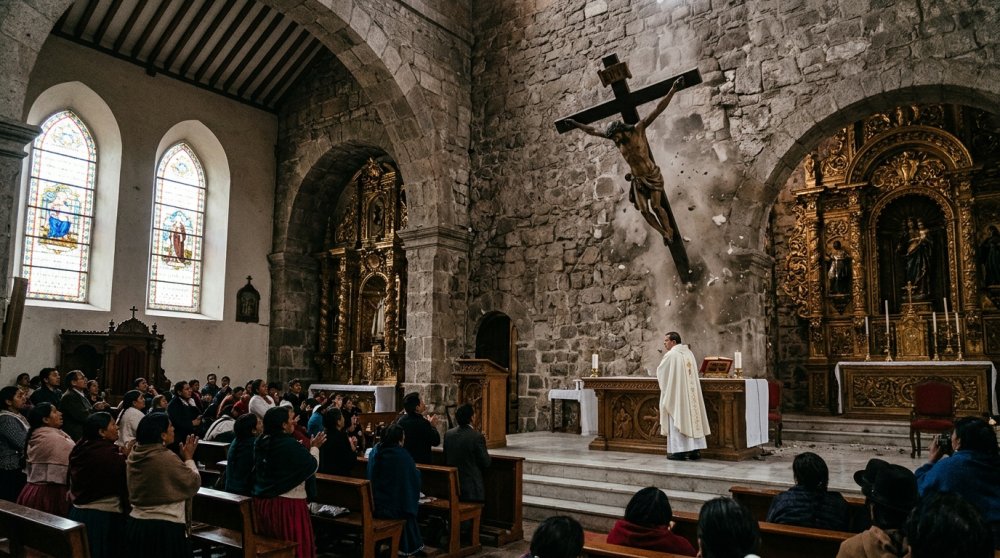
- A priest in Ecuador died during a church service when a large crucifix fell from the wall.
- Kenny Kinglesmith addresses unbelieving friends in an open letter about hope in Jesus amid suffering.
- Christian believers continue to place their trust in Christ even when tragedy strikes inside the sanctuary.
The sudden death of a priest while leading worship has shaken believers across Ecuador. Questions about suffering and divine purpose are rising again.
Kenny Kinglesmith has written an open letter to friends who do not believe. He explains why his hope in Jesus remains firm despite the pain.
“In the face of inexplicable suffering, I still choose to place my hope in Jesus.”
Many Christians are wrestling with how a loving God could allow such a loss inside His house. The event has prompted renewed reflection on the mystery of suffering.
Kinglesmith does not offer easy answers. Instead he points to the cross itself, where Christ endured the ultimate injustice yet brought redemption.
“I still choose to place my hope in Jesus.”
The tragedy has become a moment for believers to examine their own trust in God. It is also an opportunity to demonstrate compassion to those who question.
Kinglesmith urges Christians to live out their faith openly. He believes the witness of steadfast hope can speak louder than arguments.
“In the face of inexplicable suffering, I still choose to place my hope in Jesus.”
Let us know what you think, please share your thoughts in the comments below.
Faith Facts
- Franklin Graham was raised in the shadow of his father Billy Graham, one of the most influential Christian leaders of the twentieth century.
- He has publicly stated that he never tried to become Billy Graham and instead sought to follow the distinct path God set before him.
- The younger Graham has carried the Gospel message across the globe through Samaritan’s Purse and the Billy Graham Evangelistic Association while maintaining a clear Christian conservative witness.
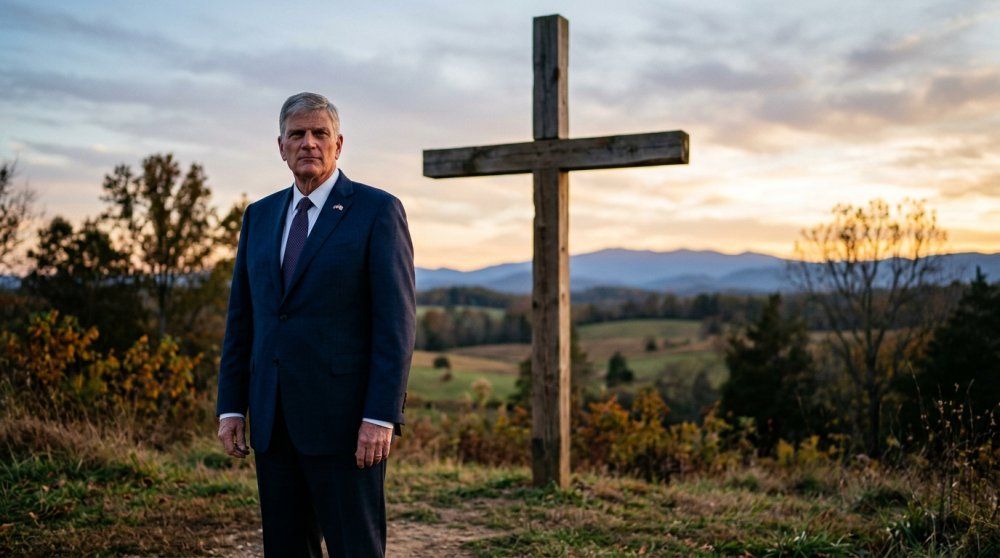
Franklin Graham recently opened up about the challenges of growing up in the household of the twentieth century’s most renowned evangelist. He explained that being the son of Billy Graham carried both a tremendous blessing and a heavy weight of expectations.
Despite the public scrutiny and inevitable comparisons, Graham made a deliberate choice early in life. He decided he would not attempt to replicate his father’s ministry or persona in any way.
“I never try to be Billy Graham,”
he said. This statement reflects the conviction that God equips each believer for a unique assignment rather than a copy of someone else’s.
Graham’s own ministry has grown into a powerful force for the Gospel through both the Billy Graham Evangelistic Association and the international relief work of Samaritan’s Purse. His approach has been marked by direct, unapologetic proclamation of biblical truth on issues ranging from religious liberty to the sanctity of life and traditional marriage.
“I never try to be Billy Graham,”
he reiterated, underscoring that his calling has always been to serve the Lord faithfully in the time and culture where God has placed him.
Today Franklin Graham continues to lead large-scale evangelistic events across the United States and around the world. He remains a steady voice for Christian values at a time when many pulpits have grown silent on cultural matters.
Let us know what you think, please share your thoughts in the comments below.


-

 Self-Reliance2 years ago
Trump’s Bold Move Uncovers Massive Social Security Fraud
-

 Faith2 years ago
New Clues Emerge in Noah’s Ark Mystery
-

 News2 years ago
Governor Walz’s Rhetoric Sparks National Controversy
-

 News2 years ago
Mel Gibson’s ‘The Passion of the Christ’ Sequel Title Announced
-

 Family2 years ago
Texas Lawmaker Targets Furries in Schools
-

 Freedom2 years ago
Maine Lawmaker Challenges Sports Fairness Controversy
-

 Family1 year ago
Canada’s Controversial Policy Sparks Ethical Debate
-
Faith11 months ago
Congress Hears Pleas for Nigerian Christians