
Faith
Christian Women Face Criminal Charges Days Before New Law Took Effect

Faith Facts
- Twenty-two Christian women were criminally charged in Maharashtra, India, accused of attempting to convert an 18-year-old student
- The charges were filed days before Maharashtra’s new anti-conversion law officially took effect
- Religious freedom advocates warn that anti-conversion laws are increasingly being weaponized against Christian communities across India
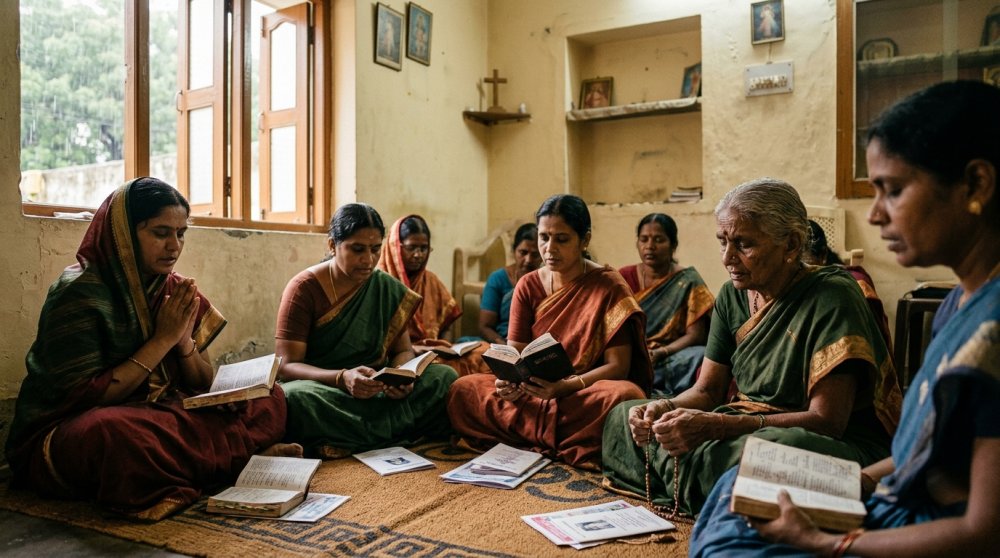
A troubling case out of India highlights the growing persecution faced by Christians in the world’s largest democracy. Twenty-two Christian women are now facing serious criminal charges after police in Maharashtra accused them of attempting to convert an 18-year-old student—just days before a stringent new anti-conversion law officially took effect in the state.
The timing of these charges raises serious concerns about the selective enforcement of laws designed to restrict religious freedom. The women were targeted under existing statutes before the new legislation could even be applied, suggesting a coordinated effort to intimidate Christian communities.
Maharashtra’s anti-conversion law is part of a broader pattern across India, where multiple states have enacted similar legislation ostensibly aimed at preventing “forced” conversions. However, religious freedom advocates have consistently warned that these laws are being weaponized against Christians and other religious minorities who peacefully share their faith.
The case involving the 22 women centers around allegations that they attempted to convert a young student. Details remain scarce, but the sheer number of individuals charged suggests a gathering or group Bible study that may have been mischaracterized as coercion.
For Christians in India, such laws create an atmosphere of fear and uncertainty. Sharing one’s faith—a fundamental tenet of Christianity—becomes criminalized when authorities can arbitrarily determine what constitutes “force” or “allurement.” The vague language in these statutes leaves the door wide open for abuse and persecution.
The broader context is equally alarming. Christian communities across India have reported increasing incidents of harassment, false accusations, and violence. Churches have been attacked, pastors beaten, and believers imprisoned on dubious charges. These anti-conversion laws provide a legal veneer to what many observers describe as systematic persecution.
American Christians should take note of what is happening to our brothers and sisters in India. Religious freedom is a God-given right, not a privilege granted by the state. When governments assume the power to regulate belief and the sharing of faith, tyranny inevitably follows.
The United States has long championed religious liberty both at home and abroad. As believers, we must continue to pray for persecuted Christians worldwide and support efforts to hold governments accountable when they violate fundamental human rights.
The situation in Maharashtra serves as a stark reminder that freedom of religion cannot be taken for granted. What begins as restrictions on “forced” conversion often escalates into comprehensive suppression of religious expression and assembly.
Let us know what you think, please share your thoughts in the comments below.


Faith Facts
- Research from the Institute for Family Studies shows couples with different last names divorce at a 50% higher rate.
- A shared family name reflects the biblical call for husband and wife to become one flesh in covenant marriage.
- Taking a husband’s last name serves as a visible sign of leaving, cleaving, and surrender within Christian marriage.
New research is shining a light on a simple yet profound tradition many Christian couples continue to embrace.
Couples who choose to keep separate last names after marriage face a divorce rate 50% higher than those who share one name, according to findings from the Institute for Family Studies.
“A shared name is an outward sign of the leaving, cleaving and covenantal surrender at the heart of biblical marriage,” the report notes.
This practice aligns with Scripture’s description of marriage as a lifelong union where two become one, both in spirit and in name.
Christian wives who adopt their husband’s surname often see it as an act of unity and humility that strengthens their household witness.
Let us know what you think, please share your thoughts in the comments below.

Faith Facts
- The Message Bible paraphrase author Eugene Peterson passed away this week in Christian history.
- The Edict of Nantes, which granted religious freedom to French Protestants, was revoked in the seventeenth century.
- Christian history continues to record both faithful perseverance and grave setbacks for believers.
Christian history is filled with moments that shaped the Church, from milestones and triumphs to tragedies and controversies, as well as the lasting impact of influential believers. These events remind believers of the enduring cost of standing for the faith once delivered to the saints.
Each week brings fresh reminders that the Church has weathered storms and celebrated victories for centuries. Remembering these milestones helps strengthen the resolve of Christians today to hold fast to biblical truth.
Let us know what you think, please share your thoughts in the comments below.
Faith Facts
- Tony Dungy has consistently spoken about his Christian faith throughout his NFL coaching career and broadcasting work.
- Dungy has been a vocal advocate for pro-life causes, aligning with traditional Christian teachings on the sanctity of life.
- His commitment to living out biblical principles publicly has been a hallmark of his career in professional sports.
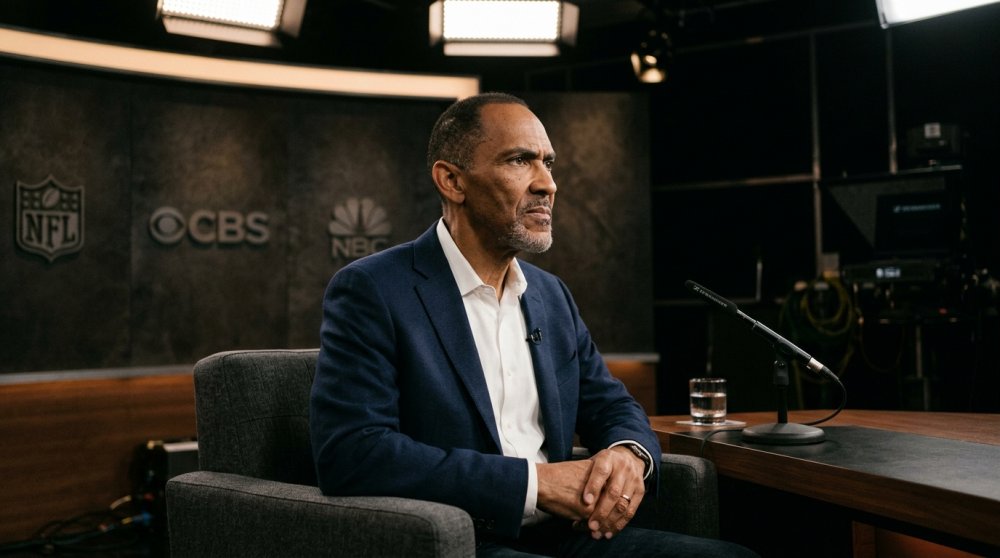
Former NFL coach and longtime sportscaster Tony Dungy suggested his pro-life activism and willingness to speak publicly about his Christian faith may have contributed to his departure from NBC Sports, though he said he cannot be certain.
Though Dungy did not accuse NBC of discrimination, his comments raised questions about how networks value employees who openly share their faith. He indicated that networks sometimes prefer commentators who keep their beliefs private.
“They don’t always appreciate you speaking about your faith,” Dungy said.
His departure comes as more Christian athletes and coaches face pressure to remain silent about their beliefs in mainstream media. Dungy’s experience highlights the tension between personal conviction and corporate expectations in today’s sports broadcasting landscape.
“It’s something that I’ve always tried to do,” he added, referring to his habit of sharing his faith when opportunities arise.
Let us know what you think, please share your thoughts in the comments below.


-

 Self-Reliance2 years ago
Trump’s Bold Move Uncovers Massive Social Security Fraud
-

 Faith2 years ago
New Clues Emerge in Noah’s Ark Mystery
-

 News2 years ago
Governor Walz’s Rhetoric Sparks National Controversy
-

 News2 years ago
Mel Gibson’s ‘The Passion of the Christ’ Sequel Title Announced
-

 Family2 years ago
Texas Lawmaker Targets Furries in Schools
-

 Freedom2 years ago
Maine Lawmaker Challenges Sports Fairness Controversy
-

 Family1 year ago
Canada’s Controversial Policy Sparks Ethical Debate
-
Faith11 months ago
Congress Hears Pleas for Nigerian Christians