
Freedom
Christian Nurse Wins Settlement After Suspension Over Transgender Pronouns


Faith Facts
- A Christian nurse was suspended for 10 months by an NHS Trust after allegedly misgendering a transgender patient
- The NHS Trust has agreed to a settlement with the nurse following her suspension
- The case highlights growing tensions between religious freedom and transgender ideology in healthcare settings
A Christian nurse in the United Kingdom has received a settlement from the National Health Service after enduring a 10-month suspension over allegations that she misgendered a transgender patient. The case underscores the mounting pressure Christian healthcare workers face when their faith conflicts with progressive gender ideology.
The nurse’s prolonged suspension raises serious questions about religious freedom and conscience rights in the modern workplace. For ten months, this medical professional was barred from practicing her calling simply for allegedly using incorrect pronouns—a stark reminder of how quickly traditional beliefs can be penalized in secular institutions.
The NHS Trust’s decision to settle suggests they recognized potential legal vulnerabilities in their handling of the situation. While the specific terms of the settlement have not been disclosed, the agreement marks a significant development for Christians navigating hostile work environments where biological reality and faith-based convictions are increasingly unwelcome.
This incident reflects a broader pattern of discrimination against Christians in healthcare and other professional fields across the Western world. Medical professionals are being forced to choose between their deeply held religious beliefs and their careers, creating an untenable situation for those who believe in the biblical understanding of human sexuality and gender.
The case serves as a warning to American Christians about the potential consequences of unchecked progressive ideology in healthcare settings. As similar policies gain traction in the United States, faithful believers must remain vigilant in defending both religious liberty and the freedom to speak truth about God’s design for humanity.
The nurse’s ordeal demonstrates the need for robust legal protections for Christians in the workplace. Without strong safeguards for conscience rights and religious expression, more believers will face punishment for simply maintaining the timeless understanding that God created humanity male and female.
Let us know what you think, please share your thoughts in the comments below.


Faith Facts
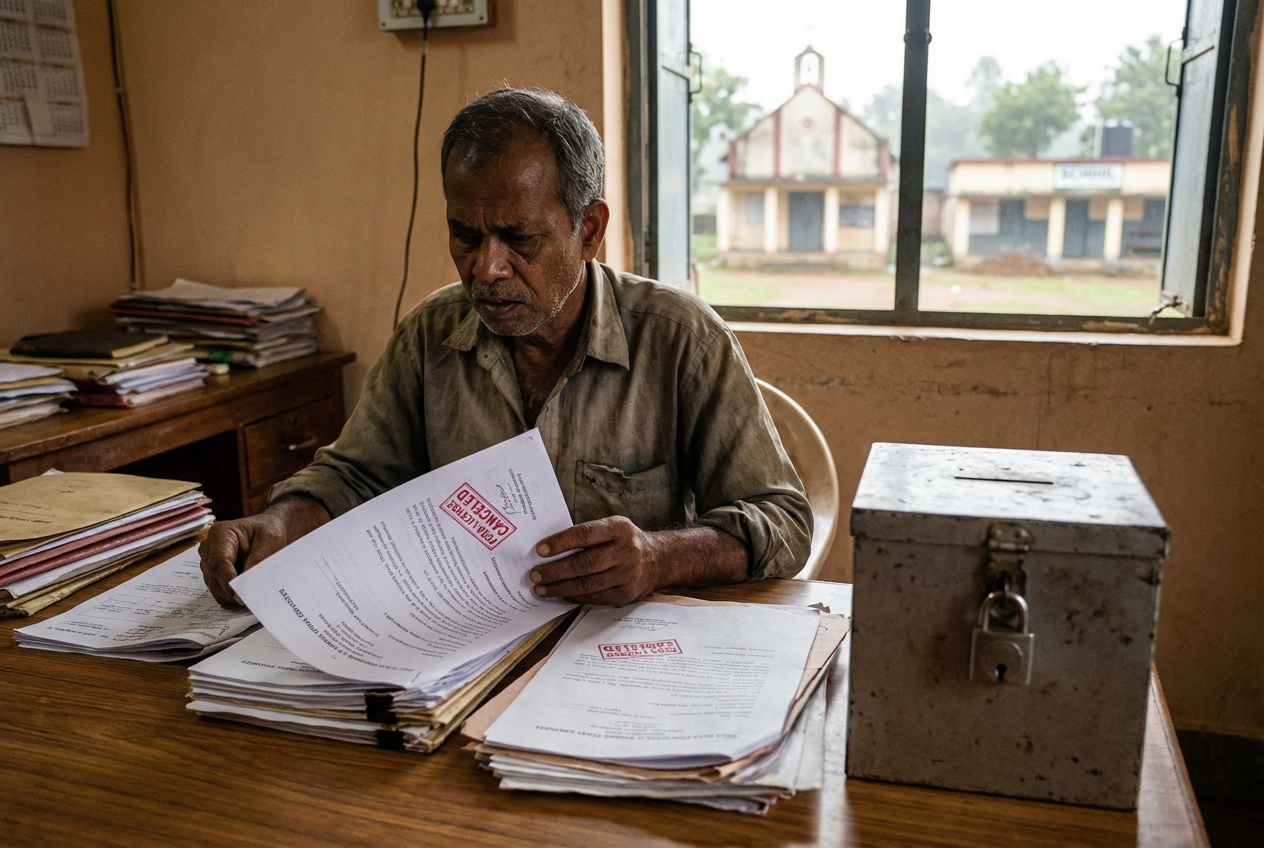
- More than 20,000 foreign funding licenses have been canceled or allowed to lapse since 2014.
- A proposed amendment could let the government seize church assets, schools, and other ministries.
- Christian leaders say anti-conversion laws are being used to pressure believers and protect religious dominance.
The faith community in India faces a critical threat as new legislative amendments seek to sever the lifeline of global Christian charity.
By blocking foreign funding, the state aims to exert total control over missions that have served the marginalized for decades.
Joseph D’Souza, head of the All India Christian Council, warned that the situation represents a dangerous crisis for the church.
The move appears to be a strategic effort to dismantle Christian infrastructure under the guise of regulation.
This legislation is a deliberate effort to enable the state to take over ecclesiastical property, educational institutions, and healthcare facilities built over decades of global philanthropy.
Paul Robinson of Release International noted that these shifts reflect an increasingly hostile environment for believers under Hindu nationalist influence.
These policies threaten the foundations of social upliftment built through the sacrificial offerings of the global body of Christ.
As these developments unfold, believers are called to stand in solidarity with the Indian church and advocate against the erosion of religious liberty.
Let us pray for our brothers and sisters who continue to serve the Lord despite these mounting institutional pressures.
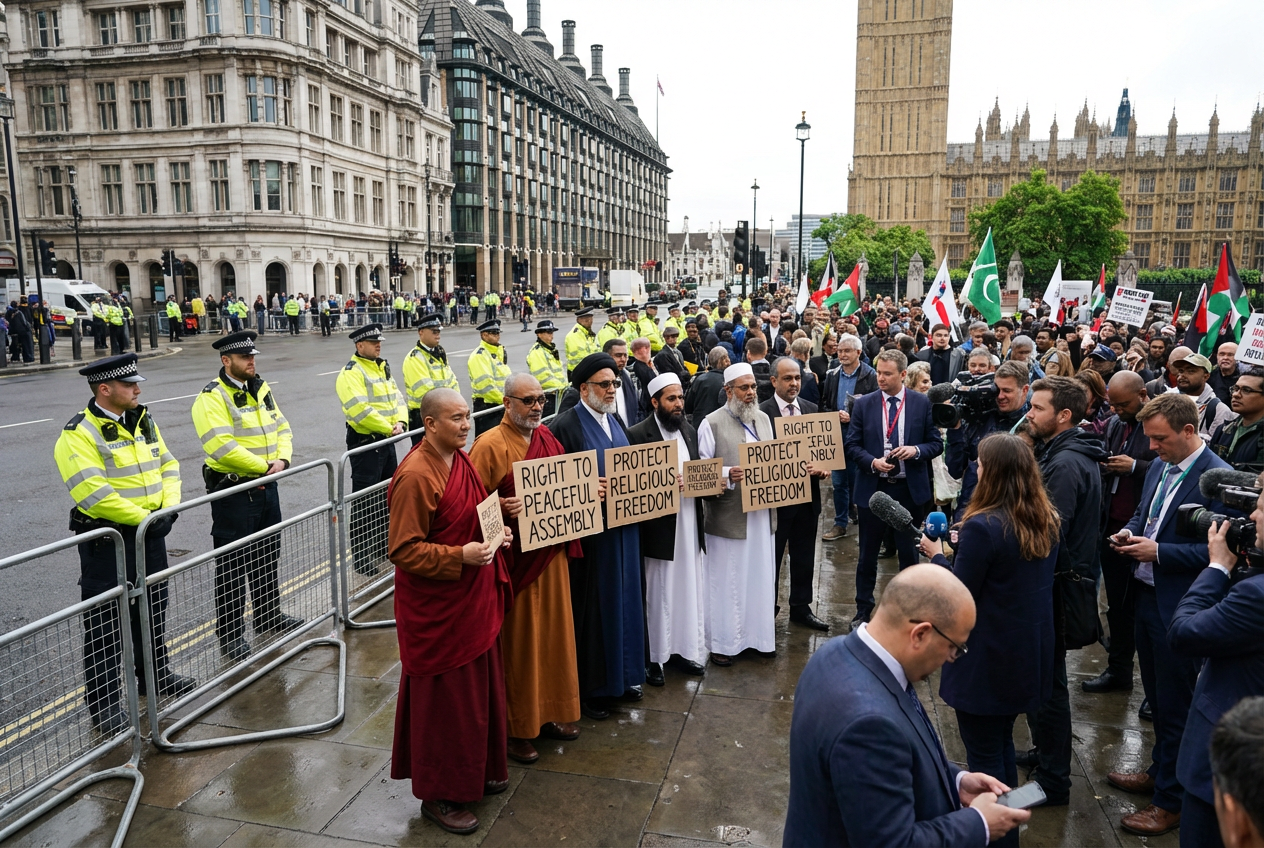
A coalition of 19 faith leaders is sounding the alarm over new legislative proposals that could significantly restrict the right to peaceful public assembly. The group argues that a new clause in the Crime and Policing Bill regarding cumulative disruption is dangerously broad and vague.
While the government maintains these measures protect local communities from repeated disturbances, critics worry they could stifle religious expression and legitimate dissent. The Home Office specifically cited the need to protect religious groups from intimidation during large, frequent demonstrations.
Home Secretary Shabana Mahmood expressed that while protest is a fundamental freedom, it must be balanced with the safety of others.
The right to protest is a fundamental freedom in our country.
However, this freedom must be balanced with the freedom of their neighbours to live their lives without fear.
Church leaders, including representatives from the Baptist Union and Churches Together in England, warned that the law could prevent demonstrations simply based on previous local activity. They believe such restrictions could inadvertently silence those standing up for biblical values and moral concerns in the public square.
Faith Facts
- [Point 1] The freedom to peacefully assemble reflects the biblical call to speak truth in public.
- [Point 2] Proposed laws are aimed at reducing the impact of repeated protests on religious communities.
- [Point 3] Nineteen faith leaders joined an open letter urging the protection of protest rights.
As believers, we must remain vigilant in protecting the rights that allow us to witness for Christ and gather in the name of truth without government overreach.
Standing for liberty ensures that the Gospel can be proclaimed freely in every corner of our nation.
Faith Facts
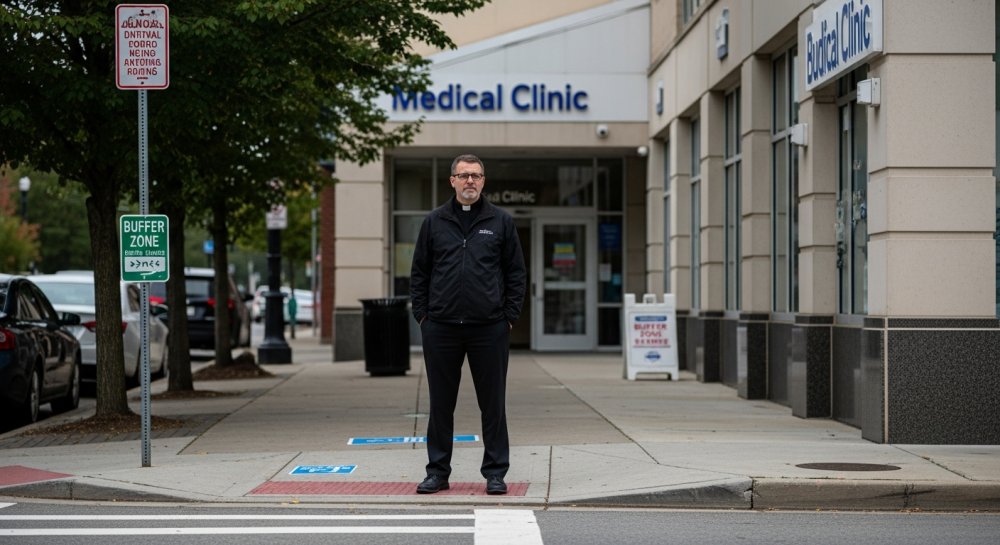
- A Christian pastor was arrested outside an abortion clinic despite making no mention of abortion while within the designated buffer zone
- The arrest raises serious First Amendment concerns about religious freedom and peaceful expression in public spaces
- The Trump administration is now monitoring the case as it could set precedent for how Christians can exercise their faith in the public square
A Christian pastor’s arrest outside an abortion facility has caught the attention of federal authorities, raising urgent questions about religious liberty and free speech rights in America. The case has become a flashpoint in the ongoing debate over buffer zones around abortion clinics and whether they unconstitutionally restrict peaceful religious expression.
According to reports, Pastor Johnston was taken into custody despite refraining from any verbal mention of abortion while standing within the designated buffer zone. The circumstances of his arrest have prompted the U.S. government to take notice, with officials now monitoring how local authorities handled the situation.
The arrest highlights growing tensions between abortion facility buffer zone laws and constitutional protections for religious Americans. Many faith leaders argue these zones are being weaponized to silence Christian witness and peaceful pro-life advocacy in the public square.
Buffer zone laws, which create designated areas around abortion clinics where certain activities are prohibited, have been controversial since their inception. Supporters claim they protect patients and staff from harassment, while critics contend they violate First Amendment rights to free speech and religious expression.
The fact that Pastor Johnston made no verbal reference to abortion during his time in the zone makes this case particularly significant. It raises the question of whether simply being present as a person of faith—without engaging in any prohibited speech or conduct—can now be grounds for arrest.
Religious freedom advocates warn that if such arrests are allowed to stand, it could create a dangerous precedent. Christians across the nation could find themselves unable to peacefully demonstrate their faith convictions on public sidewalks near abortion facilities.
The Trump administration’s decision to monitor the case signals that it may be viewed as a test of how far local governments can go in restricting religious expression. Federal oversight could prove crucial in protecting constitutional rights that many believers feel are under assault.
This incident comes at a time when Christians increasingly report feeling marginalized in public discourse, particularly on issues related to the sanctity of life. Many faithful Americans see their ability to peacefully witness to their beliefs as fundamental to both religious freedom and the democratic process.
As the case develops, it will likely draw attention from religious liberty organizations, pro-life groups, and constitutional scholars. The outcome could have far-reaching implications for how Christians can exercise their faith in spaces deemed sensitive by abortion advocates.
The situation underscores the need for clear legal standards that protect both public safety and constitutional rights. Believers across the country will be watching to see whether Pastor Johnston’s arrest represents government overreach or a legitimate application of public safety laws.
Let us know what you think, please share your thoughts in the comments below.


-

 Self-Reliance1 year ago
Trump’s Bold Move Uncovers Massive Social Security Fraud
-

 Faith1 year ago
New Clues Emerge in Noah’s Ark Mystery
-

 News1 year ago
Governor Walz’s Rhetoric Sparks National Controversy
-

 News1 year ago
Mel Gibson’s ‘The Passion of the Christ’ Sequel Title Announced
-

 Family1 year ago
Texas Lawmaker Targets Furries in Schools
-

 Freedom1 year ago
Maine Lawmaker Challenges Sports Fairness Controversy
-

 Family11 months ago
Canada’s Controversial Policy Sparks Ethical Debate
-
Faith5 months ago
Congress Hears Pleas for Nigerian Christians