
Faith
British Schools Face Crisis as Faith Education Demand Soars


Faith Facts
- Religious Studies GCSE enrollment is increasing across the United Kingdom despite a critical shortage of qualified teachers
- The shortage of specialist religious education teachers continues to worsen, threatening students’ access to faith-based learning
- Experts warn the crisis could limit young people’s understanding of Christianity and other world religions at a crucial developmental stage
A troubling crisis is unfolding in British schools as demand for Religious Studies courses climbs while the number of qualified teachers to instruct them plummets. The shortage threatens to deny an entire generation of students the opportunity to explore questions of faith, morality, and spiritual heritage.
Despite rising interest in Religious Studies as a GCSE subject—a qualification typically pursued by students aged 14-16—education experts across the United Kingdom are sounding the alarm about the dwindling pool of specialist teachers equipped to lead these courses. The gap between student demand and teacher availability continues to widen, creating what some describe as an educational emergency.
For Christian parents and community leaders, the implications are profound. Religious education offers young people a structured opportunity to examine the Christian foundations of Western civilization, explore theological concepts, and develop moral reasoning rooted in biblical principles. Without qualified instructors, schools cannot adequately meet this need, leaving students with diminished access to faith-based learning during formative years.
The shortage also raises questions about educational priorities in modern Britain. While subjects like science and mathematics receive substantial investment and recruitment focus, religious education appears increasingly marginalized despite its role in character formation and cultural literacy. This imbalance reflects broader secular trends that often sideline faith perspectives in public institutions.
The consequences extend beyond individual students. A society that fails to educate its youth about religious heritage risks losing connection to the values, traditions, and wisdom that have shaped its history. For Christians, this represents not merely an academic concern but a spiritual one—a lost opportunity to plant seeds of faith and understanding in young hearts.
The crisis also highlights the importance of Christian involvement in education. As government schools struggle to staff religious studies programs, faith communities must consider how they can support religious literacy through church-based education, mentorship, and advocacy for policies that prioritize faith-friendly curricula.
The situation in the United Kingdom serves as a cautionary tale for Americans concerned about religious education. It demonstrates how quickly institutional support for faith-based learning can erode, even when student interest remains strong. Vigilance and active engagement are essential to preserve educational opportunities that honor our spiritual heritage.
Let us know what you think, please share your thoughts in the comments below.

Faith Facts
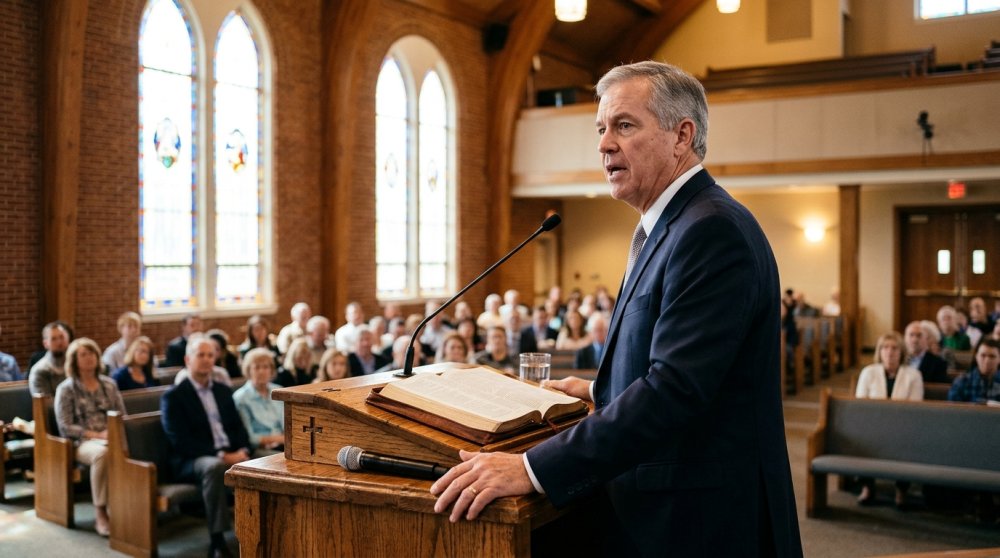
- Pastor Gary Hamrick leads Cornerstone Chapel in Leesburg, Virginia, and affirms unwavering U.S. support for Israel based on biblical principles.
- The pastor directly counters Vice President JD Vance’s suggestion that the U.S.-Israel relationship harmed Republican midterm results.
- Christian conservatives continue to view America’s alliance with Israel as both a strategic and moral imperative rooted in Scripture.
Pastor Gary Hamrick of Cornerstone Chapel in Leesburg, Virginia, spoke out strongly against Vice President JD Vance’s recent comments suggesting the U.S.-Israel alliance played a role in the Republican Party’s midterm losses.
Hamrick labeled the assertion “nonsense” and insisted that the relationship between the two nations must remain strong.
“The United States must continue to support Israel,” Hamrick stated.
The pastor’s comments reflect a broader commitment among many evangelical leaders to maintain the biblical and strategic alliance between America and Israel.
“The nature of the U.S.-Israeli alliance contributed to the Republican Party’s midterm wipeout” is the claim Hamrick rejected outright.
“It’s discouraging.” Pastor Gary Hamrick reacts to comments President Trump made on 60 Minutes over the weekend. “This, to me, looks like he’s backpedaling” on his previous “bold” support for Israel. “I’m troubled…” https://t.co/HgyAncQy4n
— Tony Perkins (@tperkins) November 9, 2026
Faithful believers across the nation are urged to stand firm on the truth that supporting Israel aligns with both Scripture and national interest.
Let us know what you think, please share your thoughts in the comments below.
Faith Facts
- Bob Dylan publicly embraced Christianity in 1979 after a reported spiritual encounter.
- Dylan has released three gospel albums and written numerous faith-inspired songs.
- His Christian conversion is widely regarded as a defining moment in his artistic and personal life.
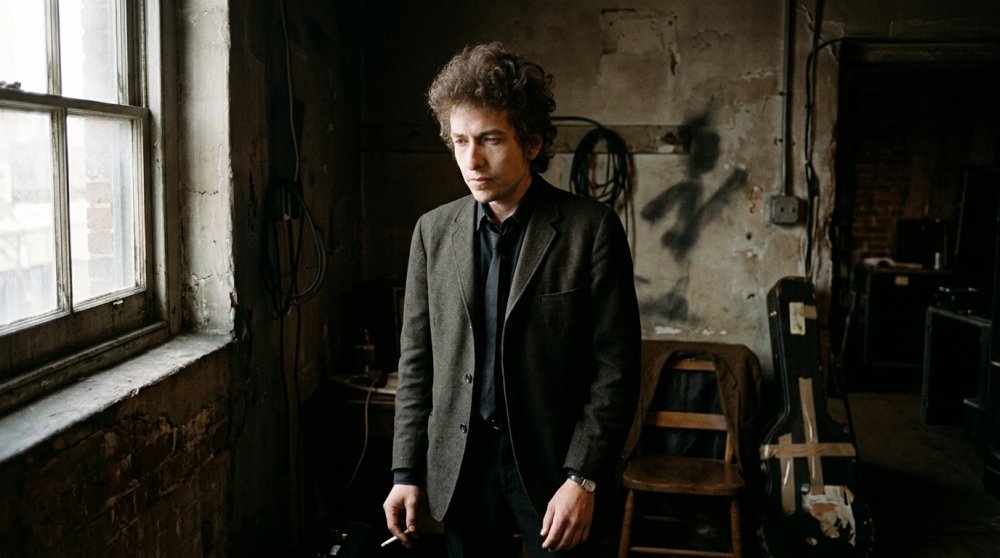
Bob Dylan’s recent meeting with Pope Leo has sparked attention for more than just his attire. Observers have turned their focus toward the legendary singer-songwriter’s long-held Christian faith.
In 1979, Dylan experienced a life-changing spiritual awakening. He openly declared his belief in Jesus Christ and began incorporating biblical themes into his songwriting.
“There was a little voice inside me saying, ‘Don’t be a prophet, don’t be a prophet,'” Dylan once reflected on his early reluctance to speak openly about faith.
Three gospel albums followed his conversion. Slow Train Coming, Saved, and Shot of Love showcased a man unashamed to sing about redemption and the power of Scripture.
“Jesus tapped me on the shoulder,” Dylan later explained, “and said, ‘Bob, why are you resisting me?'”
Critics questioned the sincerity of his conversion, yet Dylan continued to weave Christian imagery throughout his later work. Songs such as Every Grain of Sand and Pressing On revealed a heart still rooted in biblical truth.
“I believe in the Book of Revelation,” Dylan stated plainly in interviews, underscoring his enduring trust in God’s Word.
While the world often remembers Dylan as a cultural icon, his personal testimony points to a deeper story of grace and transformation. For many believers, his journey remains a powerful reminder that even the most celebrated voices can find their true purpose in Christ.
Let us know what you think, please share your thoughts in the comments below.
Faith Facts
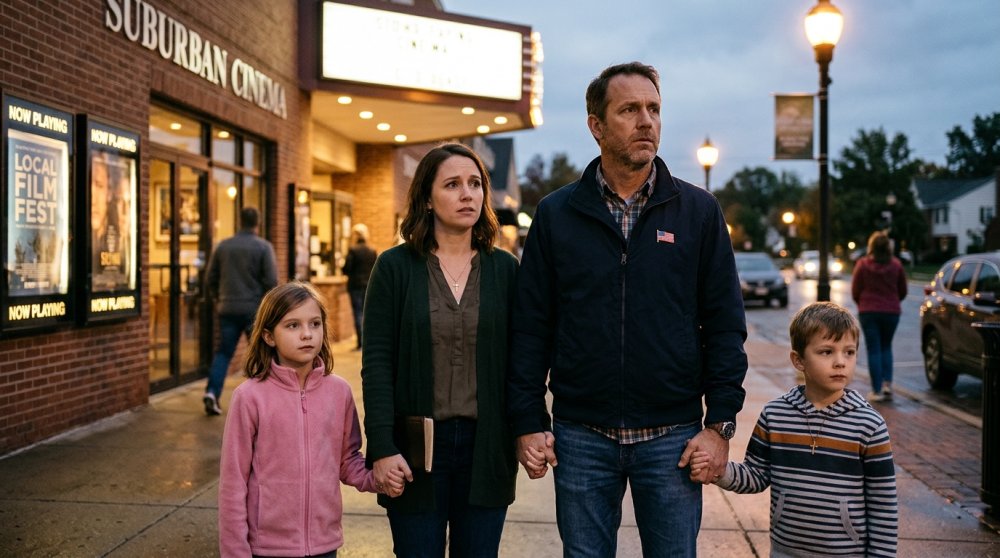
- LAIKA’s new fantasy film Wildwood features dark themes and magical elements that parents should carefully evaluate before allowing their children to see it.
- Christian parents are called to guard the hearts and minds of their children by testing every form of entertainment against biblical truth.
- Stories that mix darkness and redemption must be weighed against Scripture’s command to focus on what is pure, lovely, and praiseworthy.
Reviewers have praised LAIKA’s Wildwood as dark, redemptive, and breathtaking.
Yet one Christian viewer entered the theater expecting to be moved by the artistry and left the film deeply unsettled.
The tension between cinematic beauty and troubling content is nothing new for families seeking wholesome entertainment.
Many parents today face difficult choices when popular fantasy films blend magical worlds with heavy themes.
Scripture reminds believers to be wise in what they allow to shape young hearts.
Proverbs 4:23 instructs, “Above all else, guard your heart, for everything you do flows from it.”
Philippians 4:8 adds, “Finally, brothers and sisters, whatever is true, whatever is noble, whatever is right, whatever is pure, whatever is lovely, whatever is admirable—if anything is excellent or praiseworthy—think about such things.”
Faithful families are increasingly turning away from studio offerings that prioritize artistic darkness over moral clarity.
They seek stories that reinforce the values of faith, family, and freedom instead of undermining them.
Let us know what you think, please share your thoughts in the comments below.


-

 Self-Reliance2 years ago
Trump’s Bold Move Uncovers Massive Social Security Fraud
-
 Faith2 years ago
New Clues Emerge in Noah’s Ark Mystery
-

 News2 years ago
Governor Walz’s Rhetoric Sparks National Controversy
-

 News2 years ago
Mel Gibson’s ‘The Passion of the Christ’ Sequel Title Announced
-

 Family2 years ago
Texas Lawmaker Targets Furries in Schools
-

 Freedom2 years ago
Maine Lawmaker Challenges Sports Fairness Controversy
-

 Family1 year ago
Canada’s Controversial Policy Sparks Ethical Debate
-
Faith12 months ago
Congress Hears Pleas for Nigerian Christians