
Faith
Asian Seminary Leaders Push Radical Shift in Training Tomorrow’s Pastors

Faith Facts
- A peer-reviewed journal from the Asia Theological Association has dedicated an entire volume to holistic Christian leader formation across Asia
- Seminary leaders across the continent are calling for an integrative approach that develops students spiritually, relationally, and personally—not just academically
- The emphasis reflects growing concern that traditional academic-only training fails to prepare pastors for the spiritual battles and relational demands of ministry
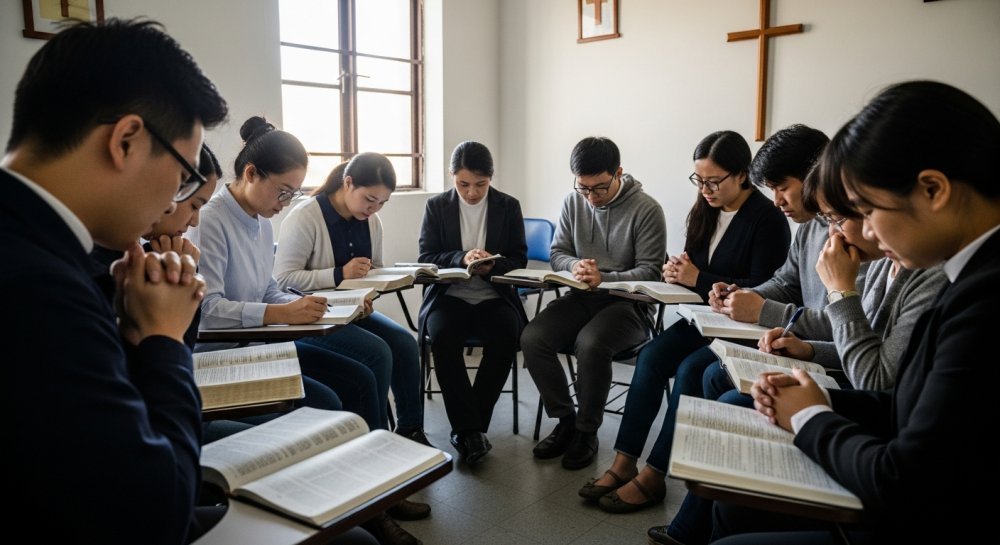
Theological institutions across Asia are sounding the alarm: academic training alone is no longer enough to prepare Christian leaders for the challenges of modern ministry. A new volume from a peer-reviewed journal published by the Asia Theological Association is shining a spotlight on efforts to transform how seminaries develop the next generation of pastors and missionaries.
The special journal volume focuses exclusively on what educators are calling an “integrative approach” to seminary education. Rather than prioritizing intellectual knowledge alone, schools are increasingly recognizing the need to form students who are spiritually mature, emotionally healthy, and relationally equipped for the rigors of Christian leadership.
The shift represents a recognition that many pastors and ministry leaders have been sent into the field with theological degrees but without the spiritual formation, character development, and relational skills needed to shepherd congregations effectively. Leaders in the Asia Theological Association are now calling for a comprehensive reimagining of how seminaries approach their mission.
For Christian families and churches, the stakes couldn’t be higher. The quality of pastoral leadership directly impacts the spiritual health of congregations, the strength of Christian witness in increasingly secular societies, and the ability of the Church to withstand cultural and political pressure.
The integrative approach being championed emphasizes whole-person development. This means seminary students aren’t just learning biblical languages and systematic theology in the classroom—they’re also receiving spiritual direction, participating in accountability relationships, and developing the emotional intelligence needed for pastoral care and church leadership.
This model reflects a return to older traditions of Christian education that understood ministry training as discipleship, not just degree completion. It echoes the approach of Jesus Himself, who spent three years living alongside His disciples, forming them through relationship and shared life as much as through teaching.
The focus on Asia is particularly significant given the explosive growth of Christianity across the continent and the unique challenges facing believers in nations where religious freedom is restricted or Christianity remains a minority faith. Pastors and missionaries in these contexts need not just academic credentials but deep spiritual roots and resilient character.
As Western seminaries continue to face criticism for producing graduates who are intellectually trained but spiritually unprepared, the conversation happening in Asia may offer important insights. The question being raised is fundamental: What does it really mean to prepare someone for Christian ministry in the 21st century?
The emphasis on holistic formation also addresses concerns about pastoral burnout, moral failure, and the personal struggles that have derailed too many ministry leaders. By investing in the whole person during seminary training, institutions hope to send out leaders who are better equipped to persevere through trials and remain faithful over the long haul.
For American Christians, the conversation is relevant beyond Asia’s borders. Many church leaders and Christian families here have witnessed firsthand the consequences when pastors lack spiritual maturity or relational health, regardless of their academic achievements. The call for integrative education speaks to a universal need within Christian leadership development.
Let us know what you think, please share your thoughts in the comments below.

Faith Facts
- Vice President JD Vance credits his faith for guiding his political service and life decisions.
- Vance says he has not yet felt a divine call to pursue the presidency in 2028.
- He remains open to the possibility that God may lead him toward a future presidential campaign.
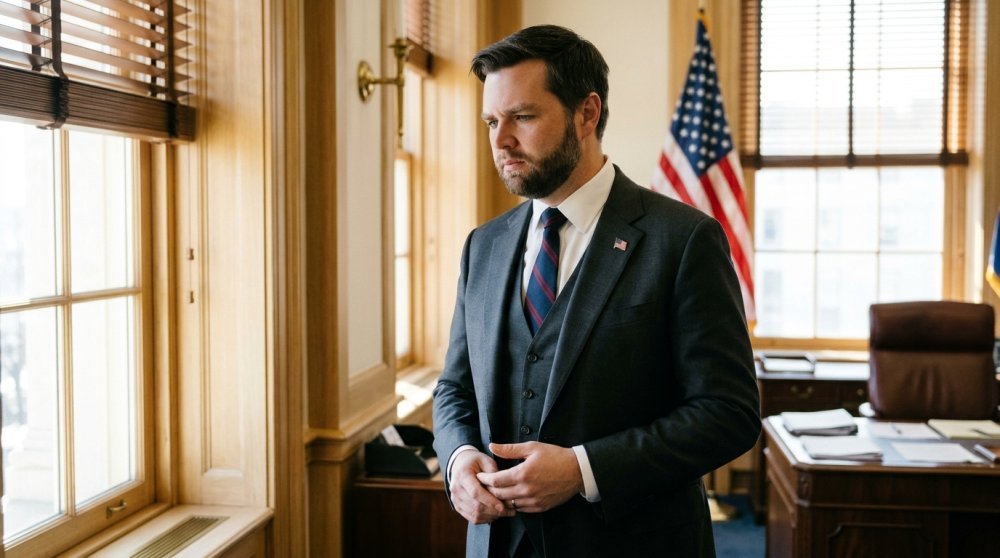
Vice President JD Vance has stated that his faith remains central to his decision-making as he weighs a potential 2028 presidential campaign. The Ohio senator-turned-vice president spoke candidly about how he continues to seek God’s direction before making major political moves.
Vance emphasized that he has not yet sensed a clear calling from God regarding a presidential run. He noted that this could change in time but stressed the importance of waiting for divine guidance.
“I haven’t yet felt God’s call for a presidential run in 2028,”
“Maybe that’ll change.”
Vance’s comments reflect a growing trend among conservative leaders who publicly acknowledge their dependence on prayer and Scripture when facing major career decisions. His approach resonates with many Americans who value leaders willing to submit their ambitions to God’s will.
The vice president also reflected on how his conversion to Christianity has shaped his worldview and public service. Vance has often spoken about the transformative power of faith in both his personal life and his political philosophy.
Let us know what you think, please share your thoughts in the comments below.
Faith Facts
- Vice President JD Vance led rally attendees in reciting the Lord’s Prayer when a woman collapsed nearby.
- The moment highlighted the continued presence of Christian faith in American public life and political gatherings.
- Vance personally left the stage to check on the woman after leading the prayer.
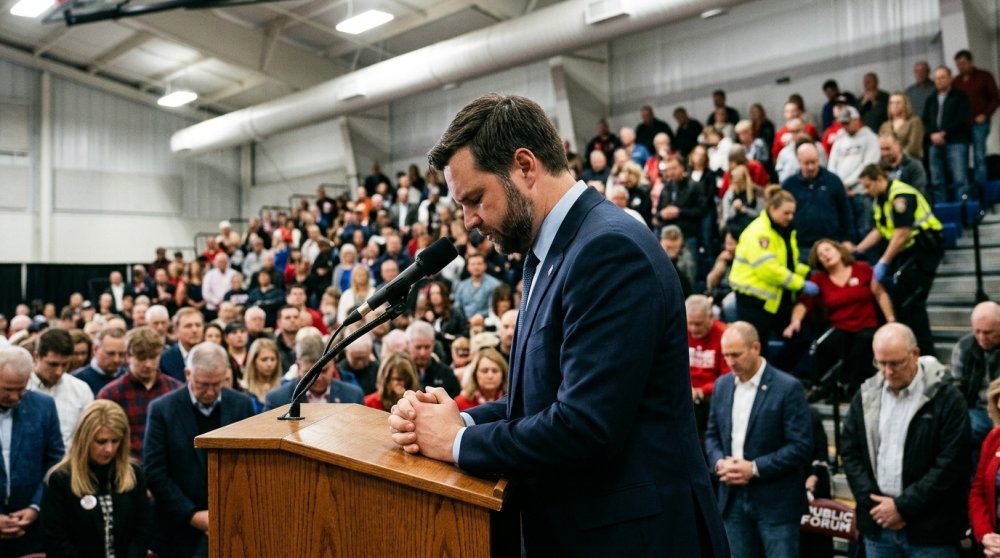
Vice President JD Vance paused a Nebraska campaign rally to lead the crowd in the Lord’s Prayer after a woman collapsed in the audience.
The incident took place during a live event where Vance addressed supporters and addressed policy issues.
“Pray as the Lord taught us to pray,” Vance said before leading the audience in the traditional prayer.
After finishing the prayer, Vance stepped down from the stage and made his way into the stands to personally check on the woman who had collapsed.
The spontaneous act of faith and compassion drew praise from attendees who witnessed the moment.
Let us know what you think, please share your thoughts in the comments below.
Faith Facts
- Oxford mathematician and Christian apologist Professor John Lennox encourages believers to share their faith with confidence.
- Lennox stresses that evangelism is not reserved only for preachers, theologians, or those with extensive biblical knowledge.
- Every Christian is called to be a witness for Christ in daily life.
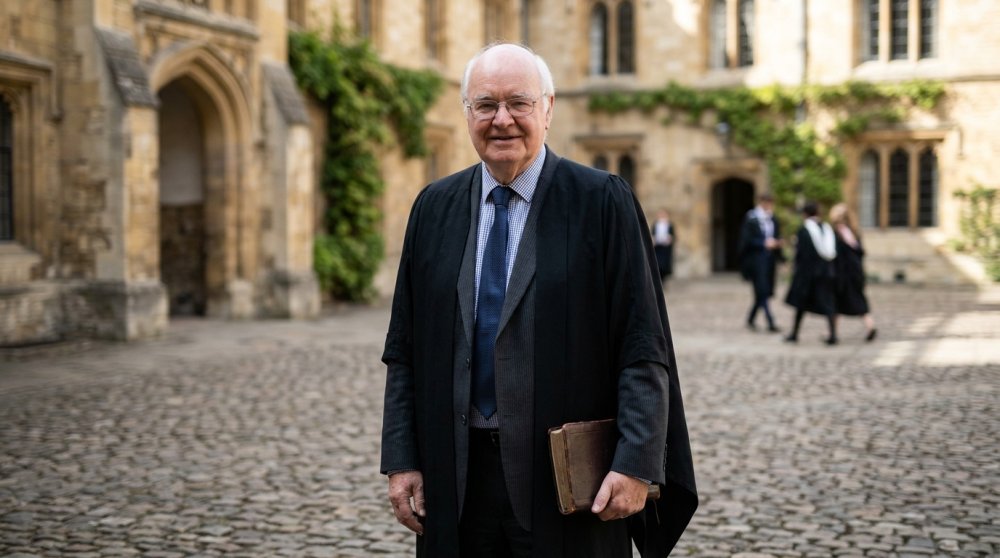
Oxford mathematician and Christian apologist Professor John Lennox is urging believers everywhere to share their faith with greater boldness and confidence. He reminds Christians that the call to witness is not limited to pastors or scholars but belongs to every follower of Christ.
“We’re all called to be witnesses,” Lennox declares. This simple truth challenges the idea that only trained experts can effectively share the gospel.
Professor Lennox emphasizes that evangelism is not about having every theological answer or delivering polished sermons. Instead, it is about living out and speaking the truth of Christ wherever God places His people.
His words come as a timely encouragement to Christians who may feel hesitant or unqualified to speak about their faith. Lennox points to the biblical calling that every believer is a witness, empowered by the Holy Spirit to share the hope within them.
Let us know what you think, please share your thoughts in the comments below.


-

 Self-Reliance2 years ago
Trump’s Bold Move Uncovers Massive Social Security Fraud
-

 Faith2 years ago
New Clues Emerge in Noah’s Ark Mystery
-

 News2 years ago
Governor Walz’s Rhetoric Sparks National Controversy
-

 News2 years ago
Mel Gibson’s ‘The Passion of the Christ’ Sequel Title Announced
-

 Family2 years ago
Texas Lawmaker Targets Furries in Schools
-

 Freedom2 years ago
Maine Lawmaker Challenges Sports Fairness Controversy
-

 Family1 year ago
Canada’s Controversial Policy Sparks Ethical Debate
-
Faith11 months ago
Congress Hears Pleas for Nigerian Christians