
Faith
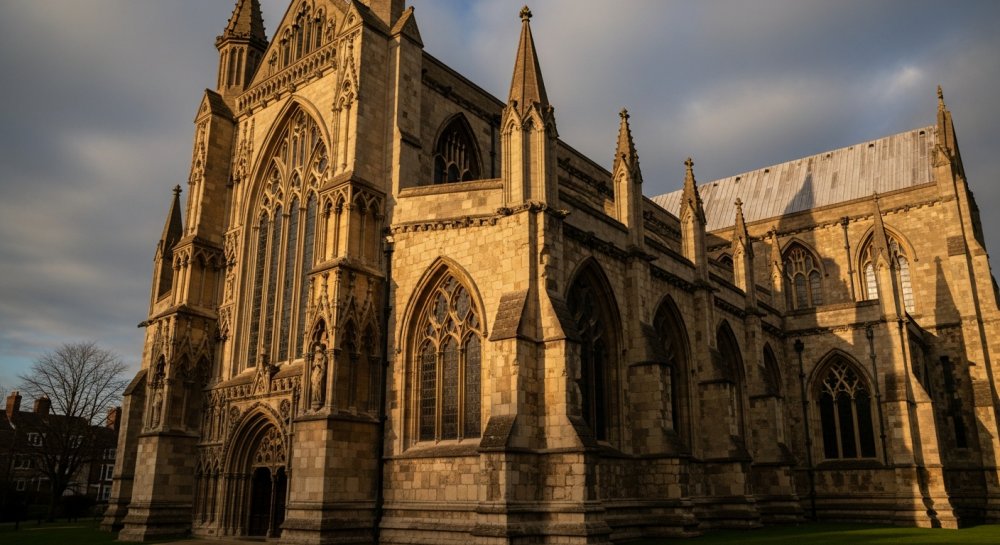
Anglican Church’s Reparations Fund Raises Questions About Faith and Historical Justice

Faith Facts
- The Church of England has established a reparations fund to address its historical ties to the transatlantic slave trade
- A reverend who previously opposed apologizing for historical actions now supports the church’s decision after studying Scripture on corporate sin and repentance
- The debate raises important questions about biblical accountability, forgiveness, and how Christians should respond to the sins of previous generations
The Church of England has taken a controversial step by creating a fund to address its historical connections to the slave trade, sparking renewed debate among Christians about how to properly respond to the sins of the past. The decision has prompted soul-searching even among those who previously questioned the wisdom of such gestures.
Rev George Pitcher, a former Church of England priest and journalist, admits he once dismissed the idea of apologizing for actions committed by people long dead. His perspective has since evolved through deeper engagement with Scripture and Christian theology.
“I used to think it was silly to say sorry for historical actions over which you had no control,” Pitcher acknowledges. His transformation came through studying biblical principles of corporate responsibility and the nature of repentance within the body of Christ.
The Church of England’s decision reflects a growing movement within some Christian denominations to confront uncomfortable truths about institutional involvement in historical injustices. However, the approach raises legitimate questions for American Christians about the proper biblical response to ancestral sins.
Conservative Christians have long emphasized individual accountability before God, as Scripture teaches each person will give account for their own actions. Romans 14:12 states clearly that “each of us will give an account of ourselves to God.” This principle of individual responsibility forms a cornerstone of Christian faith and American legal tradition.
Yet Scripture also contains examples of corporate repentance and acknowledgment of generational sin. The book of Nehemiah records prayers confessing “the sins we Israelites, including myself and my father’s family, have committed against you.” Daniel similarly confessed the sins of his people, even those committed before his birth.
The challenge for modern Christians lies in discerning the difference between acknowledging historical wrongs committed by institutions and accepting personal guilt for actions one neither committed nor condoned. This distinction matters both theologically and practically.
Critics of reparations programs argue they can create new injustices by holding current generations financially responsible for past sins. They point out that most Americans today had ancestors who arrived after slavery ended, fought to end it, or were themselves victims of different historical injustices. Collective guilt, they argue, contradicts both Scripture and American principles of individual justice.
Supporters counter that institutions which benefited from slavery have an obligation to address that legacy, particularly when those institutions still exist and retain wealth accumulated during that era. They distinguish between individual guilt and institutional responsibility.
The Church of England’s fund specifically addresses the church’s institutional involvement, not the personal guilt of current members. This approach attempts to thread the needle between denying uncomfortable history and imposing unfair burdens on the living.
For American Christians, the debate touches on fundamental questions about justice, mercy, and redemption. The gospel message centers on forgiveness and transformation—Christ died for sins we did commit, offering grace we didn’t earn. How should this inform our approach to sins we didn’t commit but whose effects may linger?
Scripture calls believers to “do justice, love mercy, and walk humbly” with God. It also warns against punishing children for their fathers’ sins. Balancing these principles requires wisdom, prayer, and honest dialogue rooted in biblical truth rather than political agendas.
The conversation about historical wrongs must also include the full context of history. While slavery remains one of humanity’s great evils, its abolition was driven largely by Christian conviction. Believers like William Wilberforce fought tirelessly to end the slave trade because their faith demanded it. This legacy of Christian opposition to slavery deserves equal acknowledgment.
Moving forward, Christians should focus on present-day injustices we can actively combat—human trafficking, persecution of believers, attacks on religious freedom, and the breakdown of families. These current evils demand our immediate attention and action.
The Church of England’s decision represents one denomination’s attempt to grapple with its past. American Christians need not reflexively embrace or reject such efforts, but should thoughtfully examine what Scripture teaches about repentance, justice, and reconciliation. The answers won’t satisfy everyone, but they must be grounded in biblical truth, not cultural pressure.
Ultimately, the church’s mission remains unchanged: proclaim the gospel, make disciples, and serve as salt and light in a broken world. Historical reckonings have value only insofar as they advance this mission and honor God’s Word. Any approach that divides believers along racial or generational lines contradicts the unity Christ died to create.
Let us know what you think, please share your thoughts in the comments below.

Faith Facts
- Dr Michael Tang relocated from London to Yorkshire to serve rural believers after observing urban church trends.
- Smaller rural churches often rely on older faithful members who continue to uphold traditional worship and community.
- The focus on headline-grabbing urban growth can overlook the steady witness of countryside congregations.
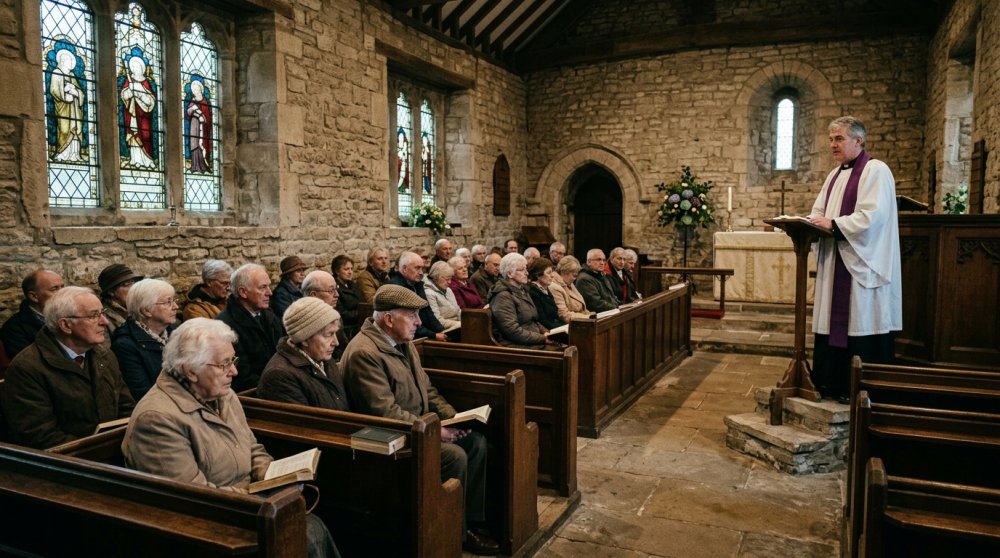
Big city churches full of young people are great, says Dr Michael Tang. But what about smaller rural ones, with their faithful older congregations?
After moving from London to Yorkshire, he’s learning to listen to the wisdom of age, not just the headline-grabbing reports of church growth.
“Big city churches full of young people are great, says Dr Michael Tang. But what about smaller rural ones, with their faithful older congregations?”
“After moving from London to Yorkshire, he’s learning to listen to the wisdom of age, not just the headline-grabbing reports of church growth.”
Let us know what you think, please share your thoughts in the comments below.

Faith Facts
- Eric Metaxas emphasizes the biblical foundation of American self-government.
- Nathan Hale, executed by the British at age 21, exemplifies early American faithfulness and courage.
- Remembering heroic figures like Hale strengthens national resolve rooted in biblical truth.
Author Eric Metaxas recently spoke with The Christian Post about the urgent need to recall the biblical principles that shaped American self-government.
Metaxas pointed to the story of Nathan Hale, the 21-year-old patriot who was hanged by British forces 250 years ago this week, as a powerful example of sacrificial courage.
“We need to remember these heroic figures who laid down their lives for the cause of liberty,” he said.
The author stressed that such stories are not mere historical footnotes but living reminders of the Christian virtues that once defined the American experiment.
“Without these examples, we lose the moral imagination required to sustain freedom,” Metaxas added.
He urged believers and citizens alike to recover the memory of those who stood firm in faith and principle during the nation’s founding era.
Let us know what you think, please share your thoughts in the comments below.
Faith Facts
- A North Carolina church baptized 458 people in one day.
- This event marks the largest single-day baptism in the congregation’s 137-year history.
- The congregation attributes the record turnout to God at work in their community.
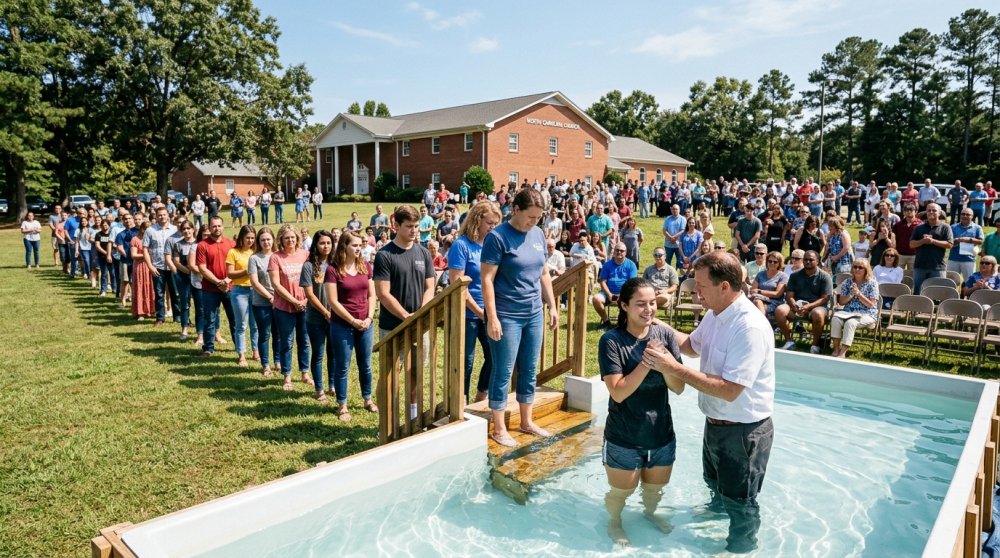
A multisite church in North Carolina baptized 458 people in a single day. This remarkable turnout set a new record for the congregation.
The milestone surpasses any previous single-day baptism in the church’s 137-year history. Church leaders say the outpouring reflects God’s active work among their members and surrounding communities.
Let us know what you think, please share your thoughts in the comments below.


-

 Self-Reliance1 year ago
Trump’s Bold Move Uncovers Massive Social Security Fraud
-

 Faith1 year ago
New Clues Emerge in Noah’s Ark Mystery
-

 News2 years ago
Governor Walz’s Rhetoric Sparks National Controversy
-

 News1 year ago
Mel Gibson’s ‘The Passion of the Christ’ Sequel Title Announced
-

 Family2 years ago
Texas Lawmaker Targets Furries in Schools
-

 Freedom2 years ago
Maine Lawmaker Challenges Sports Fairness Controversy
-

 Family1 year ago
Canada’s Controversial Policy Sparks Ethical Debate
-
Faith10 months ago
Congress Hears Pleas for Nigerian Christians