
Faith
Alpha Course Leader Faces Backlash for Biblical Call to Combat Inequality

Faith Facts
- Nicky Gumbel, Alpha course pioneer and former Holy Trinity Brompton leader, faces criticism after urging Spirit-filled Christians to address inequality
- Critics have accused Gumbel of promoting communist ideals and unbiblical teachings for his stance on social justice
- Defenders argue that confronting injustice and fighting inequality are core biblical mandates rooted in Scripture
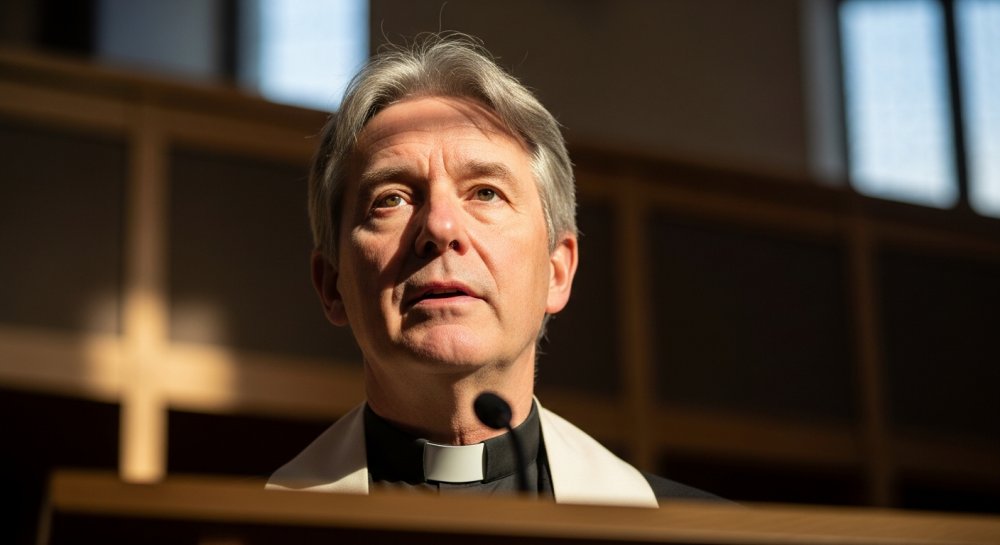
The founder of the internationally recognized Alpha course is at the center of a controversy that highlights deep divisions within the Christian community over how believers should engage with issues of social justice and inequality. Nicky Gumbel, who pioneered the Alpha evangelism program and formerly led Holy Trinity Brompton (HTB), has drawn sharp criticism from some quarters after calling on Spirit-filled Christians to actively fight against inequality.
The backlash against Gumbel has included accusations that he is promoting communist ideologies and straying from biblical teaching. These charges have sparked a heated debate about the proper role of Christians in addressing systemic injustice and whether such activism aligns with scriptural principles.
Tommy Sharpe, writing in defense of Gumbel’s position, expressed shock at the nature of the criticism. He argues that far from being unbiblical or politically motivated, the call to confront inequality is deeply rooted in the teachings of Scripture and the example of Christ.
The controversy touches on a fundamental question facing American Christians today: What does faithful Christian witness look like in a society marked by disparities and injustice? While some believers view social justice language as importing secular ideologies into the church, others contend that pursuing justice for the poor and oppressed is a non-negotiable aspect of biblical faith.
Throughout Scripture, God’s concern for the vulnerable and marginalized is abundantly clear. From the Law of Moses, which included specific provisions to protect widows, orphans, and foreigners, to the prophets who thundered against exploitation and oppression, the biblical witness consistently calls God’s people to pursue justice.
The prophet Micah famously summarized what the Lord requires: “To act justly and to love mercy and to walk humbly with your God.” Isaiah condemned those who “deprive the poor of their rights” and declared that true worship involves loosening “the chains of injustice” and setting “the oppressed free.”
Jesus Himself launched His public ministry by reading from Isaiah 61, declaring that He had come “to proclaim good news to the poor” and “to set the oppressed free.” Throughout His earthly ministry, Christ demonstrated particular concern for those on society’s margins—the sick, the poor, the ritually unclean, and the socially ostracized.
The early church continued this pattern, with the apostles teaching that “pure and faultless” religion includes caring for “orphans and widows in their distress.” The epistles repeatedly call believers to show practical love to those in need and to avoid favoritism toward the wealthy.
However, defenders of biblical justice are careful to distinguish their position from secular ideologies or political movements that may use similar language. The Christian pursuit of justice is rooted in the character of God Himself, who is described in Scripture as loving justice and hating oppression. This divine mandate differs fundamentally from materialist philosophies that deny God’s existence or elevate the state above all other authorities.
Biblical justice recognizes the inherent dignity of every person as made in God’s image. It calls for personal transformation through the gospel while also working to address systemic barriers that prevent human flourishing. It emphasizes personal responsibility alongside corporate accountability, and it seeks lasting change through changed hearts rather than through coercion alone.
For Christian conservatives, the challenge is to faithfully apply biblical principles in contemporary contexts without compromising core doctrinal convictions or adopting worldly ideologies wholesale. This requires discernment to distinguish between timeless scriptural commands and temporary political programs.
The Alpha course, which Gumbel developed, has introduced millions worldwide to the Christian faith through its accessible presentation of the gospel. The program’s emphasis on the Holy Spirit’s power and the need for personal conversion has made it particularly popular among evangelical and charismatic Christians. Gumbel’s credentials as a Bible-believing, Spirit-filled leader make the accusations against him all the more surprising to many observers.
Supporters of Gumbel’s position note that conservative Christians have historically been at the forefront of many social reform movements, from the abolition of slavery to the civil rights movement. They argue that retreating from questions of justice and equality cedes important ground to secular voices and fails to represent the full counsel of Scripture.
At the same time, concerns about the infiltration of Marxist or progressive ideologies into the church are not without foundation. Church leaders must exercise wisdom in addressing social issues without importing unbiblical frameworks that contradict Christian anthropology or soteriology.
The path forward requires Christians to anchor their social engagement firmly in Scripture, approaching issues of justice with both prophetic boldness and theological precision. Believers must demonstrate through both word and deed that the gospel has implications for all of life, including how we treat our neighbors and structure our communities.
As this controversy continues, it serves as a reminder that faithful Christians can disagree about application while affirming shared biblical principles. The unity of the body of Christ must be preserved even amid robust debate about how best to live out our calling in a broken world.
Let us know what you think, please share your thoughts in the comments below.

Faith Facts
- A Mozambican bishop was fatally shot at his residence in a targeted killing that has shocked Christian communities across Africa.
- Christian leaders throughout the African continent are demanding a comprehensive investigation into the murder.
- The killing highlights growing security threats facing Christian clergy in the region.
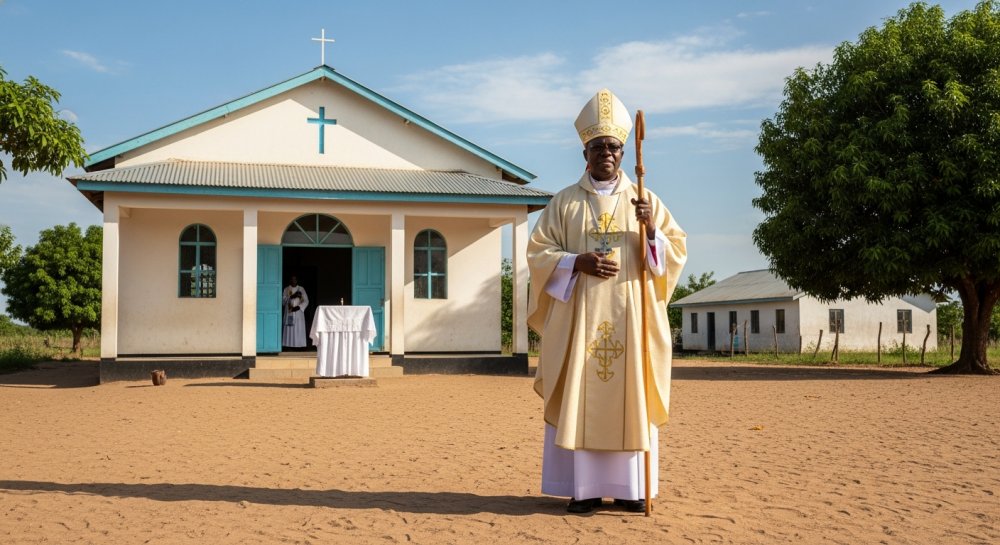
Christian leaders across the African continent are united in their call for justice following the shocking murder of a Mozambican bishop who was shot dead at his own residence. The targeted killing has sent shockwaves through Christian communities and raised serious concerns about the safety of religious leaders serving in the region.
The bishop was killed in what witnesses describe as a deliberate attack at his home, striking at the heart of the Christian community he served. Church leaders are now pressing authorities for answers and accountability in this brazen act of violence against a man of God.
The tragedy underscores the mounting dangers faced by Christian clergy in parts of Africa, where religious persecution and violence have become increasingly common. Faith leaders are calling not only for justice in this specific case but for broader protections for those who dedicate their lives to serving Christ and their communities.
African Christian organizations are mobilizing to ensure this murder does not go unanswered. They are demanding that law enforcement agencies conduct a thorough and transparent investigation to identify the perpetrators and bring them to justice. The unified response from church leaders demonstrates the gravity of this attack on the Body of Christ.
The international Christian community is watching closely as this investigation unfolds. Many see this killing as part of a disturbing pattern of violence targeting Christian leaders and communities across Africa, requiring urgent attention and action from both civil authorities and the global Church.
As believers, we are called to pray for justice, for the family of this fallen shepherd, and for the protection of Christian leaders who continue to serve faithfully despite growing threats. This tragedy reminds us that religious freedom remains under assault in many parts of the world.
Let us know what you think, please share your thoughts in the comments below.
Faith Facts
- The Asia Conference on Church & Mission concluded with leaders from 25 nations committing to specific disciple-making efforts in their own congregations
- Speakers emphasized that church transformation must begin with senior leaders themselves, not with programs or strategies
- Conference organizers challenged attendees to name one congregation they will personally shepherd toward authentic disciple-making in the coming year
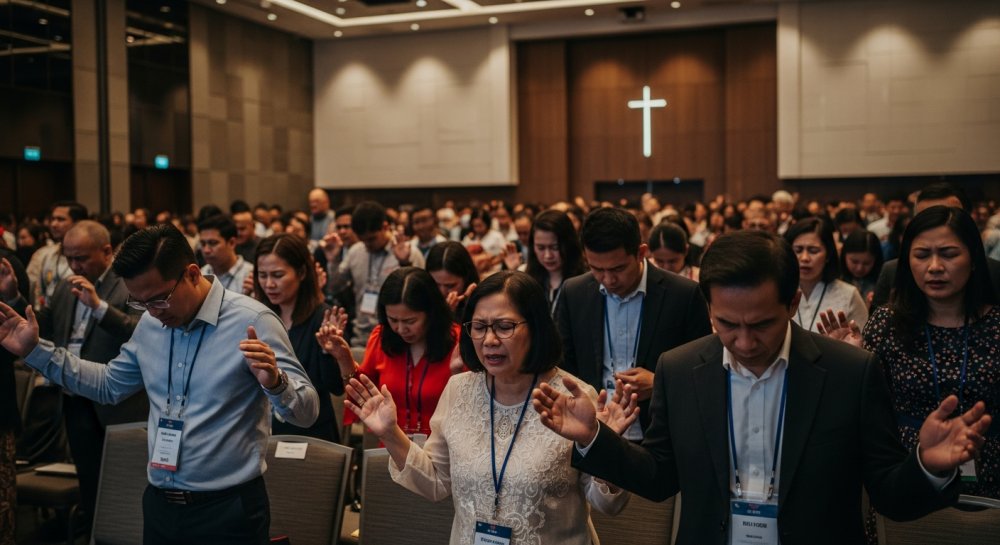
Christian leaders from across Asia gathered in Alabang, Metro Manila, for the Asia Conference on Church & Mission, which concluded Thursday evening with a powerful challenge: transformation must start from within. Delegates from 25 nations were pressed to leave not with vague good intentions, but with concrete commitments to shepherd specific congregations toward genuine disciple-making.
The conference’s closing message underscored a critical truth often overlooked in modern church growth strategies—real change begins at the top. Rather than focusing on programs, marketing, or organizational restructuring, speakers emphasized that senior leaders must first be transformed themselves before they can effectively lead their churches in making disciples.
This approach reflects a biblical pattern seen throughout Scripture, where God consistently calls leaders to personal repentance and renewal before using them to transform communities. From Moses at the burning bush to Peter’s restoration after denying Christ, the pattern is clear: God transforms leaders first, then uses them to transform others.
The emphasis on personal accountability marks a refreshing departure from conference culture that often sends attendees home inspired but unchanged. By requiring each delegate to name a specific congregation or community they will personally invest in over the next year, organizers built in concrete accountability for real-world impact.
This focus on disciple-making rather than mere church attendance or program participation aligns with Jesus’ Great Commission to “make disciples of all nations.” Too often, churches measure success by attendance numbers or budget size rather than by the spiritual maturity and missionary engagement of their members.
The gathering of leaders from 25 Asian nations also highlights the growing vitality of Christianity across the continent. While churches in Europe and North America face declining attendance and influence, Asian Christianity continues to grow rapidly, often under challenging circumstances including persecution and government restrictions.
The conference’s conclusion in Metro Manila is significant, as the Philippines remains the most Christian nation in Asia, with over 90% of its population identifying as Christian. The nation serves as a hub for missionary training and deployment throughout the region.
By challenging leaders to begin transformation within their own hearts and churches before attempting to change the broader culture, the conference embraced a model that has proven effective throughout church history. Revival movements from the First Great Awakening to the Azusa Street Revival began not with political engagement or social programs, but with leaders who first allowed God to transform their own hearts.
The call to name a specific congregation represents a practical application of the biblical principle that faith without works is dead. Rather than leaving inspired but unchanged, delegates were pressed to identify exactly where and how they will apply what they learned.
As Asian Christianity continues to grow and mature, conferences like this one play a crucial role in shaping the future direction of the global church. The emphasis on disciple-making and personal transformation suggests a healthy focus on spiritual depth rather than mere numerical growth.
The challenge issued to these 25 nations of leaders—to start from within and personally shepherd specific communities—may seem small compared to grand visions of transforming entire nations. Yet it reflects the kingdom principle Jesus taught: the mustard seed that starts small but grows into something far greater than its humble beginnings.
Let us know what you think, please share your thoughts in the comments below.

Faith Facts
- Christianity offers the only worldview that truly explains the existence and purpose of pleasure
- A culture fixated on immediate gratification consistently fails to provide lasting fulfillment
- Biblical wisdom reveals that true joy comes through honoring God’s design for human flourishing
The Christian worldview is not hostile to pleasure. In fact, Christianity is the only worldview that can truly explain why pleasure exists at all.
While our culture celebrates various forms of self-gratification, particularly during designated months of recognition, it consistently fails to deliver on its central promise: genuine happiness and fulfillment. This represents one of the great ironies of our time — a society obsessed with pleasure finds itself increasingly empty.
Scripture teaches that God created pleasure for our good, but within a framework of purpose and design. When we pursue pleasure as an end in itself, disconnected from the Creator who fashioned it, we find only temporary satisfaction that quickly fades.
The Christian understanding recognizes that human beings are made for something greater than momentary gratification. We are created in God’s image with eternal souls, designed for relationship with our Maker and with one another in ways that honor His design.
True pleasure — the kind that satisfies deeply and endures — comes not from rebellion against God’s standards but from aligning our lives with His purposes. This is the path to genuine joy that our culture, in its pursuit of autonomy, has abandoned.
When we reject God’s design for human sexuality, marriage, and family, we don’t liberate ourselves into greater pleasure. Instead, we cut ourselves off from the very source of lasting joy.
The answer to our culture’s emptiness isn’t more celebration of self-directed desire, but a return to the wisdom of our Creator. Only in Him do we find the abundant life He promises — a life where pleasure finds its proper place within His good design.
Let us know what you think, please share your thoughts in the comments below.


-

 Self-Reliance1 year ago
Trump’s Bold Move Uncovers Massive Social Security Fraud
-

 Faith1 year ago
New Clues Emerge in Noah’s Ark Mystery
-

 News1 year ago
Governor Walz’s Rhetoric Sparks National Controversy
-

 News1 year ago
Mel Gibson’s ‘The Passion of the Christ’ Sequel Title Announced
-

 Family1 year ago
Texas Lawmaker Targets Furries in Schools
-

 Freedom1 year ago
Maine Lawmaker Challenges Sports Fairness Controversy
-

 Family1 year ago
Canada’s Controversial Policy Sparks Ethical Debate
-
Faith7 months ago
Congress Hears Pleas for Nigerian Christians