
Faith
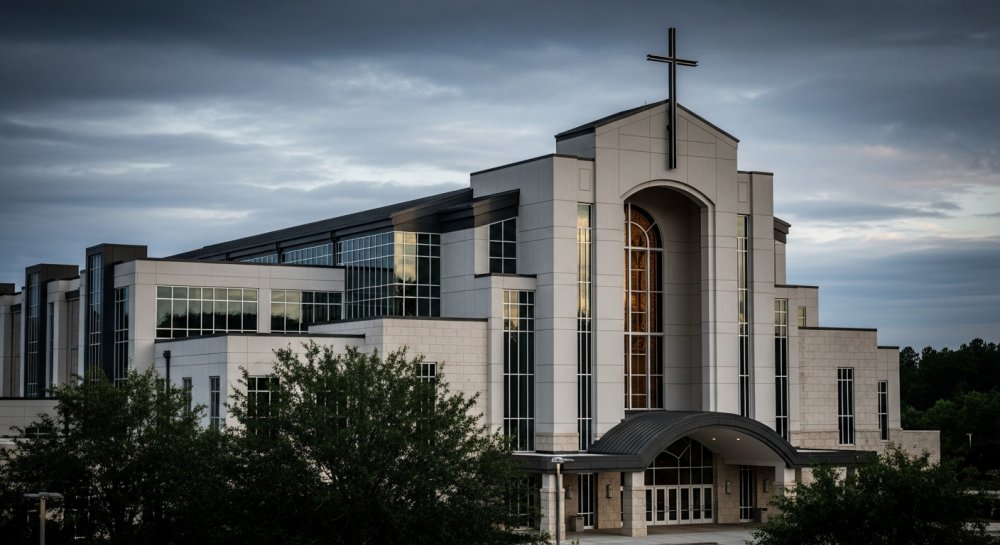
Alabama Megachurch Pastor Announces Sudden Departure Days Before Final Sermon

Faith Facts
- Pastor Bryant Wright announced his resignation from Shades Mountain Baptist Church in a social media video on Friday
- The Birmingham-area megachurch has approximately 7,800 members
- Wright’s final sermon is scheduled for this Sunday, giving the congregation minimal notice of his departure
The senior pastor of one of Alabama’s largest congregations has announced his abrupt resignation, leaving thousands of church members with little time to process the sudden departure of their spiritual leader.
Pastor Bryant Wright revealed his decision to step down from Shades Mountain Baptist Church in Vestavia Hills, Alabama, through a video message posted to social media on Friday. The announcement came as a shock to the congregation of roughly 7,800 members, with Wright indicating his final sermon would be delivered just two days later on Sunday.
“This decision is heartbreaking,” Wright said in his video message to the congregation.
The pastor made an urgent appeal to his flock in the brief announcement.
“Please pray like crazy,” he requested.
Shades Mountain Baptist Church, located in the Birmingham suburb of Vestavia Hills, has been a prominent fixture in the Alabama faith community. The megachurch’s size and influence in the region make Wright’s sudden departure particularly significant for the broader Christian community in the state.
The timing and nature of the announcement have raised questions among church observers and members alike. Wright’s use of social media to deliver the news, combined with the minimal notice before his final sermon, represents an unusual approach to pastoral transition at a church of this size.
Details surrounding the circumstances that led to Wright’s resignation have not been fully disclosed in the initial announcement. The church leadership has not yet released a comprehensive statement regarding transition plans or interim pastoral arrangements.
For a congregation of nearly 8,000 members, the sudden leadership change presents both practical and spiritual challenges. Megachurches typically require extensive planning when transitioning senior pastoral leadership, making the abrupt nature of this announcement particularly noteworthy.
The Christian community in Alabama and beyond will be watching closely as Shades Mountain Baptist Church navigates this unexpected transition. Prayer and unity among the congregation will be essential as they process this news and prepare for a new chapter in the church’s history.
Let us know what you think, please share your thoughts in the comments below.

Faith Facts
- Oxford mathematician and Christian apologist Professor John Lennox encourages believers to share their faith with confidence.
- Lennox stresses that evangelism is not reserved only for preachers, theologians, or those with extensive biblical knowledge.
- Every Christian is called to be a witness for Christ in daily life.
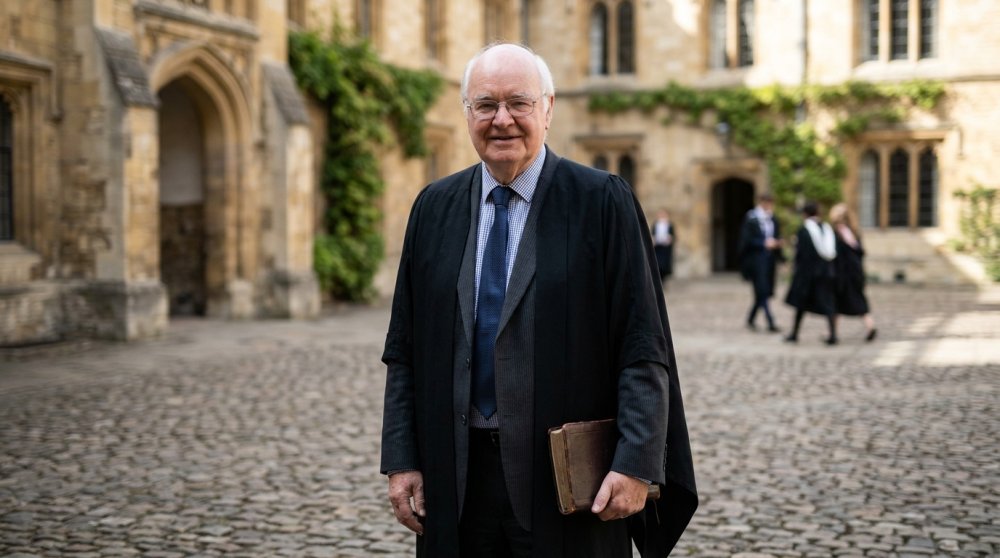
Oxford mathematician and Christian apologist Professor John Lennox is urging believers everywhere to share their faith with greater boldness and confidence. He reminds Christians that the call to witness is not limited to pastors or scholars but belongs to every follower of Christ.
“We’re all called to be witnesses,” Lennox declares. This simple truth challenges the idea that only trained experts can effectively share the gospel.
Professor Lennox emphasizes that evangelism is not about having every theological answer or delivering polished sermons. Instead, it is about living out and speaking the truth of Christ wherever God places His people.
His words come as a timely encouragement to Christians who may feel hesitant or unqualified to speak about their faith. Lennox points to the biblical calling that every believer is a witness, empowered by the Holy Spirit to share the hope within them.
Let us know what you think, please share your thoughts in the comments below.
Faith Facts
- At least seven Christians were killed in a targeted attack on a Greek Orthodox funeral service in Jordan.
- The assault occurred at a church known for peaceful worship and interfaith coexistence in the region.
- The attack highlights the ongoing threat of Islamic extremism to Christian communities worldwide.
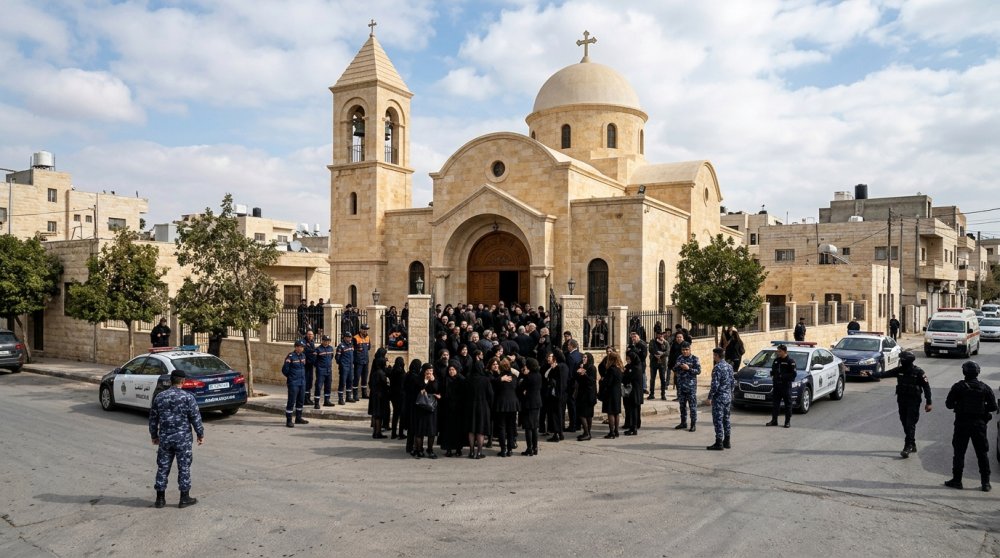
In a rare attack in a country known for peaceful inter-faith coexistence, suspected Islamic extremists attacked a funeral at a Greek Orthodox church in Jordan on Friday (Oct. 23), shooting at least seven people to death and wounding 28 others, according to reports.
The violence interrupted a sacred time of mourning and remembrance, striking at the heart of a Christian community gathered in faith.
Let us know what you think, please share your thoughts in the comments below.
Faith Facts
- God examines the heart rather than outward gestures during worship.
- Scripture teaches that authentic faith is shown through obedience and love, not visible enthusiasm.
- Believers are called to honor every sincere heart that worships in spirit and truth.
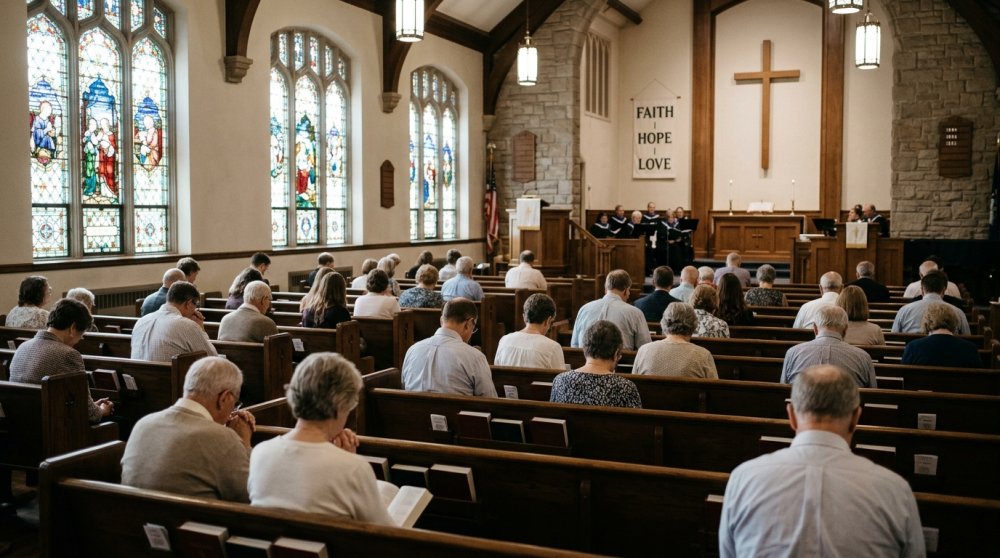
Too often, outward expressions of enthusiasm are mistaken for spiritual maturity. But God looks at the heart, not whether we’re standing, sitting or raising our hands, says Dawn Butler.
“God looks at the heart, not whether we’re standing, sitting or raising our hands,”
Churches across America have seen a growing emphasis on physical expressions during worship. This trend can unintentionally pressure believers who prefer quieter reverence. The result is that some faithful Christians feel judged for their personal style of worship.
“Too often, outward expressions of enthusiasm are mistaken for spiritual maturity.”
True worship flows from a surrendered heart that seeks to honor God in every area of life. Scripture consistently points to inward devotion rather than external performance. When congregations focus on visible actions, they risk overlooking the quiet strength of those who serve faithfully in the background.
Christian liberty allows room for both raised hands and bowed heads. The key is whether each believer approaches the Lord with reverence and sincerity. Families benefit when churches encourage unity over uniformity in worship practices.
“God looks at the heart, not whether we’re standing, sitting or raising our hands.”
Let us know what you think, please share your thoughts in the comments below.


-

 Self-Reliance2 years ago
Trump’s Bold Move Uncovers Massive Social Security Fraud
-

 Faith2 years ago
New Clues Emerge in Noah’s Ark Mystery
-

 News2 years ago
Governor Walz’s Rhetoric Sparks National Controversy
-

 News2 years ago
Mel Gibson’s ‘The Passion of the Christ’ Sequel Title Announced
-

 Family2 years ago
Texas Lawmaker Targets Furries in Schools
-

 Freedom2 years ago
Maine Lawmaker Challenges Sports Fairness Controversy
-

 Family1 year ago
Canada’s Controversial Policy Sparks Ethical Debate
-
Faith11 months ago
Congress Hears Pleas for Nigerian Christians