
News
Africa’s Population Explosion Signals Global Shift in Christian Mission Fields

Faith Facts
- Africa’s population has grown more than sixfold since 1950 and is projected to continue expanding through 2100 while other regions decline
- By 2100, Africa could be home to nearly half of the world’s young people under age 25, creating unprecedented opportunities for Christian ministry
- This demographic transformation will reshape global Christianity as Africa increasingly becomes the center of the faith’s future growth
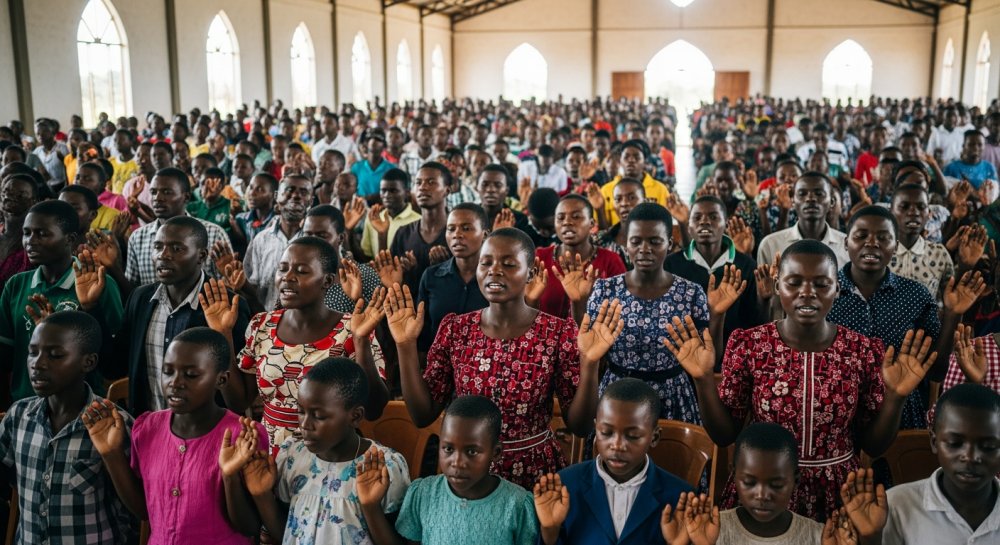
A new analysis from the Pew Research Center reveals that Africa stands at the threshold of a historic demographic transformation that will reshape the global landscape for generations to come. The continent’s population has already grown more than sixfold since 1950, and projections indicate this expansion will continue through the end of the century even as population growth slows or reverses across most of the world.
For Christians committed to the Great Commission, these numbers carry profound significance. Africa’s youth population boom represents one of the most important mission fields in human history. While secular analysts focus on economic and political implications, believers recognize a divine opportunity unfolding.
The contrast with other regions is striking. Nations across Europe, Asia, and even parts of Latin America face aging populations and declining birth rates. Africa, however, maintains the demographic vitality that characterized much of the world in previous generations—a vitality rooted in part in the continent’s strong family values and growing Christian population.
This population growth coincides with Africa’s remarkable Christian revival. The continent has witnessed explosive church growth over the past century, transforming it into a global center of Christianity. As Africa’s share of the world’s young people approaches 50 percent by 2100, the future of global Christianity will increasingly be written in African cities, villages, and communities.
The demographic shift also challenges Western nations to reconsider their relationship with Africa. Rather than viewing the continent through a lens of aid dependency or crisis management, Americans should recognize Africa as an emerging partner in preserving and advancing Christian civilization against the rising tide of secularism.
For American Christians, this data underscores the importance of supporting African churches, educational institutions, and families. The investments made today in Africa’s spiritual and moral formation will shape the global church for centuries to come.
Traditional family structures remain stronger in Africa than in many Western nations, contributing to sustained population growth. This presents both a model and a challenge to Americans who have witnessed the breakdown of the family unit and its devastating consequences on society.
The population projections remind us that God’s plan often unfolds in unexpected ways. While Western nations struggle with demographic decline brought on by decades of anti-family policies and cultural decay, Africa’s growth suggests a reordering of global influence and spiritual vitality.
Let us know what you think, please share your thoughts in the comments below.

Faith Facts
- Millions of dollars have been invested to help Church of England parishes improve energy efficiency across Britain.
- Many congregations are actively moving away from oil and gas heating systems in their church buildings.
- These changes reflect the stewardship responsibility Christians hold toward God’s creation.
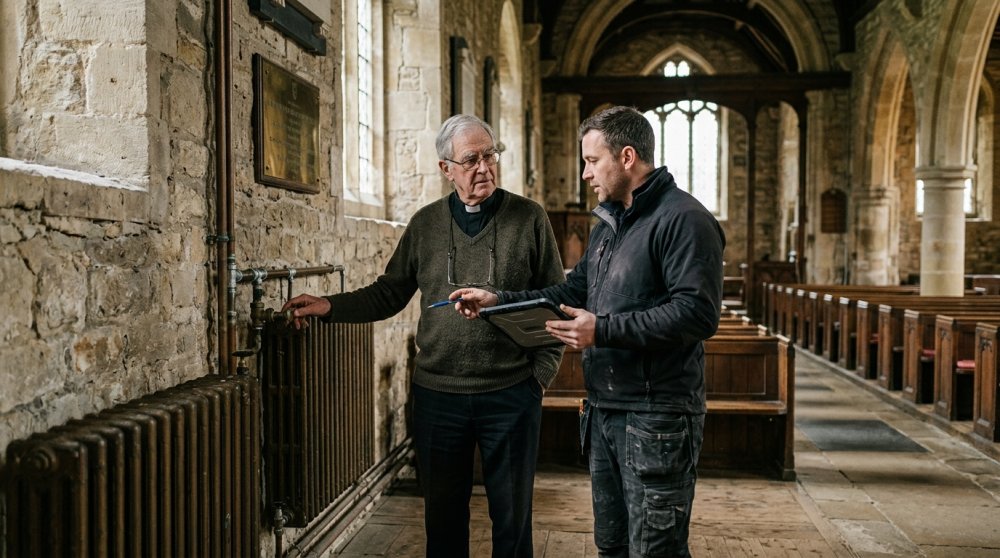
The Church of England is witnessing a growing number of parishes transitioning away from traditional oil and gas heating systems. Significant financial resources have been dedicated to this transformation across the denomination.
Energy efficiency upgrades are becoming a priority for church leaders seeking to reduce dependence on fossil fuels. The investment demonstrates a commitment to responsible stewardship of church resources.
Let us know what you think, please share your thoughts in the comments below.
Faith Facts
- Scripture calls believers to defend the oppressed and seek justice for the innocent in every nation.
- Christians worldwide continue to pray for religious liberty and fair treatment under the law in countries where the Gospel faces restriction.
- The rule of law rooted in Judeo-Christian principles remains essential for protecting individual rights and families everywhere.
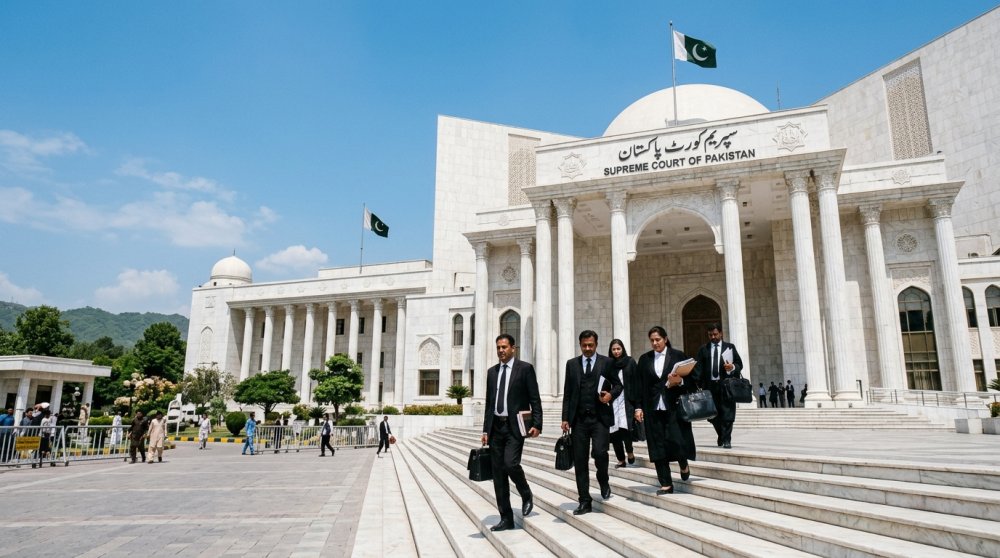
Pakistan’s Supreme Court has stepped in to suspend prison sentences handed down to two prominent human rights attorneys. The ruling came on Thursday, September 17, when justices granted bail to Imaan Zainab Mazari-Hazir and her husband, Hadi Ali Chattha, while their appeals move forward in the Islamabad High Court.
The decision provides immediate relief to the legal couple as they continue to challenge their convictions. Supporters say the case highlights ongoing concerns about due process in Pakistan’s judicial system.
“The suspension of their sentences allows the appeals process to proceed without the attorneys remaining behind bars,” court observers noted following the hearing.
The couple’s legal troubles have drawn attention from international observers who track religious freedom and civil liberties in South Asia. Many conservative Christians in America view such developments as reminders of the importance of safeguarding constitutional protections at home.
Let us know what you think, please share your thoughts in the comments below.
Faith Facts
- The Costa Rican Evangelical Alliance Federation is standing for integrity and truth in public life by demanding accountability from those who misuse the name of the church.
- Scripture teaches that leaders must be above reproach, and the Alliance is upholding that standard by rejecting any suggestion that votes can be bought with money.
- Believers across Costa Rica are being called to pray for righteous governance and for pastors to remain faithful witnesses rather than political brokers.
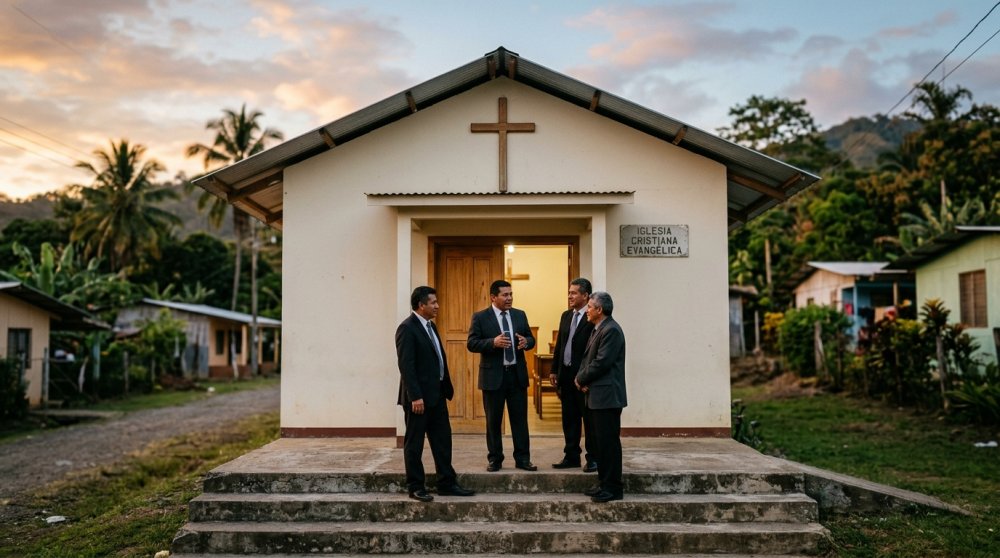
The Costa Rican Evangelical Alliance Federation has taken a firm stand for honesty in politics after an opposition lawmaker publicly claimed that a pastor offered her 42,000 votes in exchange for 420 million colones.
April Gordienko, the lawmaker who made the allegation, said the offer came during the most recent election campaign.
The federation is now insisting that Gordienko name the pastor involved so that the church can deal with the matter openly and biblically.
Evangelical leaders in Costa Rica believe that any attempt to barter spiritual influence for political favor damages the witness of the gospel and must be exposed.
“We cannot allow the name of Christ to be used as a bargaining chip in political transactions,” said a federation spokesperson.
Local pastors have echoed the call for transparency, saying the church must remain separate from any appearance of corruption.
Many Costa Rican believers view this moment as an opportunity for the body of Christ to demonstrate that its loyalty belongs first to God, not to any political party or financial promise.
Let us know what you think, please share your thoughts in the comments below.


-

 Self-Reliance1 year ago
Trump’s Bold Move Uncovers Massive Social Security Fraud
-

 Faith1 year ago
New Clues Emerge in Noah’s Ark Mystery
-

 News2 years ago
Governor Walz’s Rhetoric Sparks National Controversy
-

 News1 year ago
Mel Gibson’s ‘The Passion of the Christ’ Sequel Title Announced
-

 Family1 year ago
Texas Lawmaker Targets Furries in Schools
-

 Freedom2 years ago
Maine Lawmaker Challenges Sports Fairness Controversy
-

 Family1 year ago
Canada’s Controversial Policy Sparks Ethical Debate
-
Faith10 months ago
Congress Hears Pleas for Nigerian Christians